Newsletters


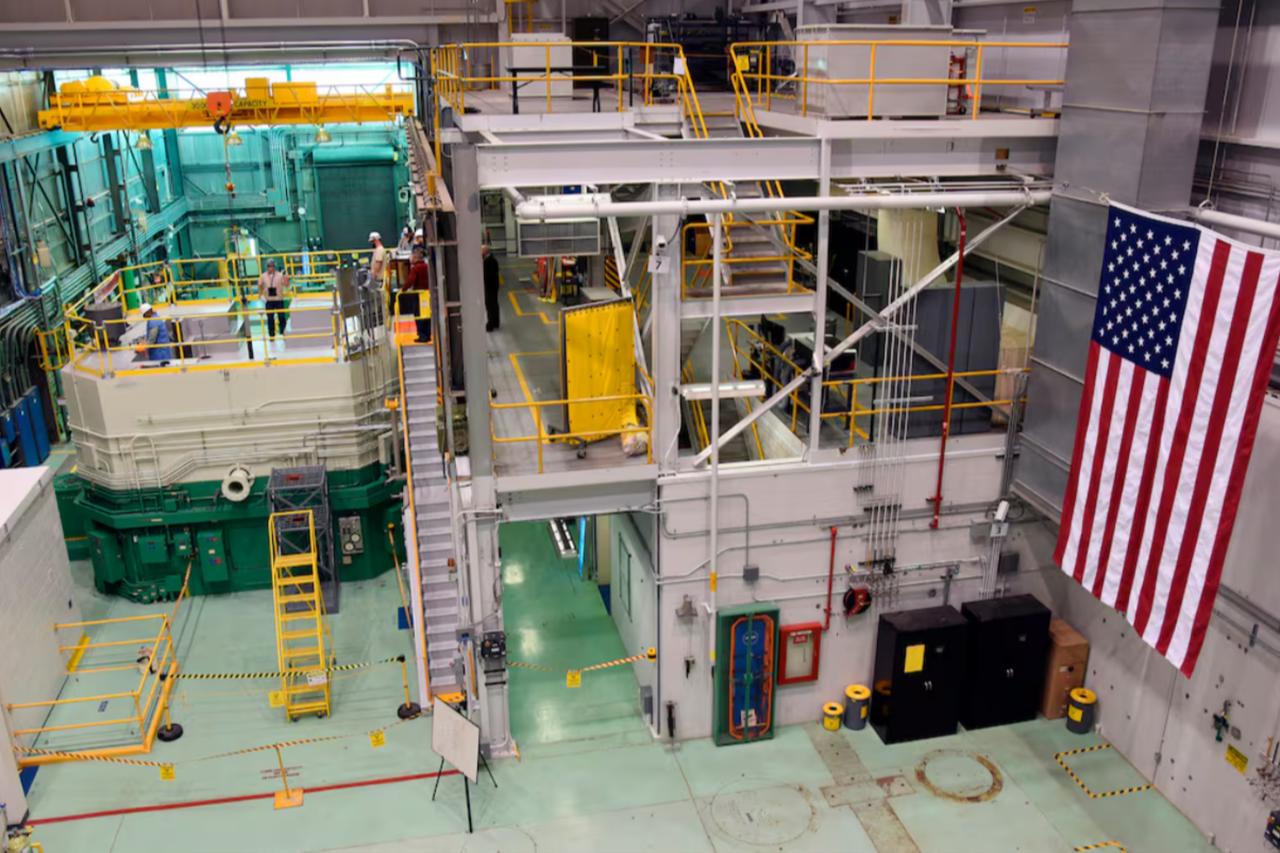


A British nuclear start-up is negotiating with the Pentagon to construct a floating nuclear reactor at an American military base, a move that would sidestep civilian regulatory hurdles and potentially deliver new power capacity by 2028 as the United States scrambles to meet soaring electricity demand driven by artificial intelligence.
Core Power, headquartered in Chiswick, London, is developing floating nuclear power plants that could be stationed at waterside military installations and feed electricity directly into the national grid.
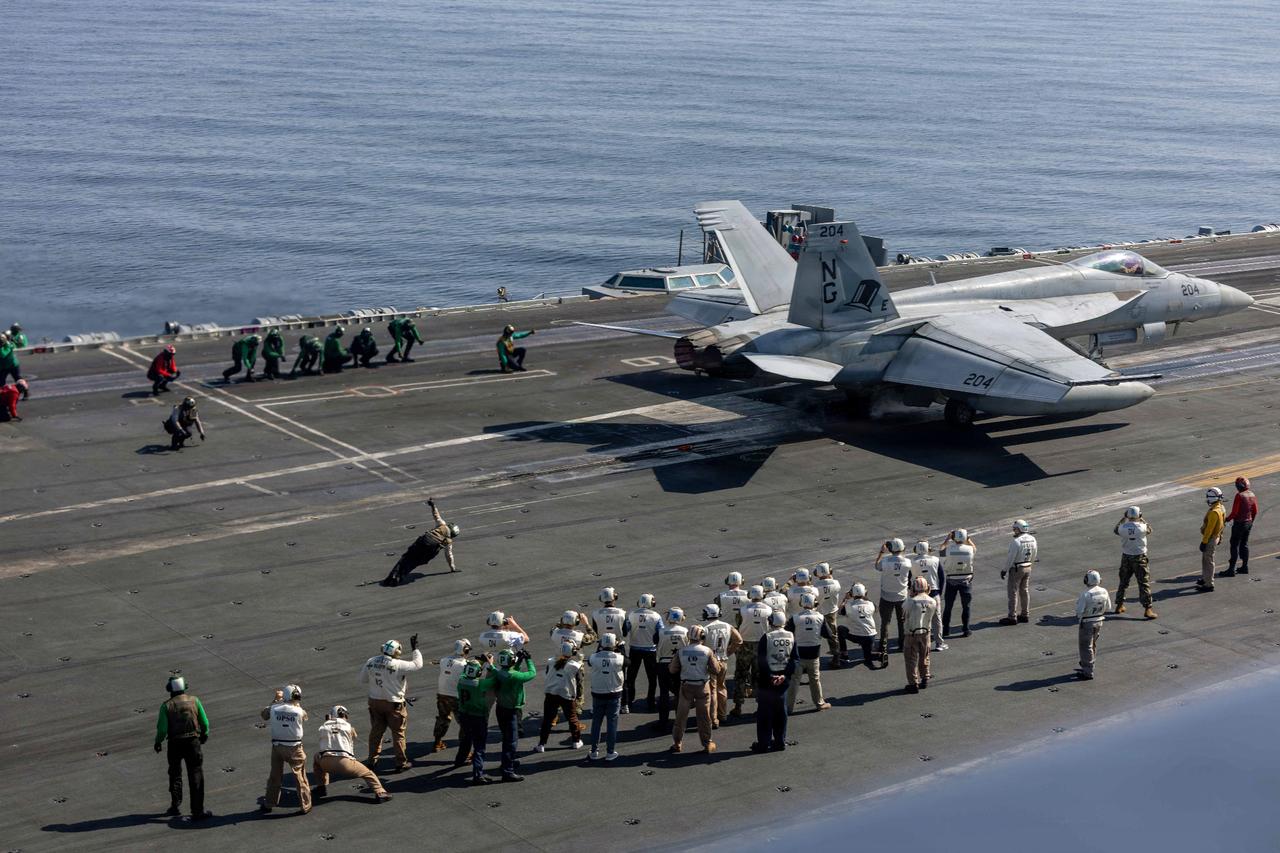
The arrangement would allow the project to avoid the lengthy approvals process overseen by the Nuclear Regulatory Commission, the federal body that governs civilian nuclear projects. Instead, oversight would fall to specialist Pentagon officials who already manage the reactors powering the US Navy's fleet of submarines and aircraft carriers.
The talks follow an executive order from President Donald Trump directing Pentagon leaders to explore deploying advanced nuclear technologies at military sites, with a target of having the first reactor operational by September 2028, a timeline widely regarded within the industry as highly ambitious.
Trump has signalled broad enthusiasm for nuclear power during his second term. Speaking at the World Economic Forum in Davos, he declared the US was "going heavy into nuclear," adding that "the progress they've made with nuclear is unbelievable and the safety progress they've made is incredible."
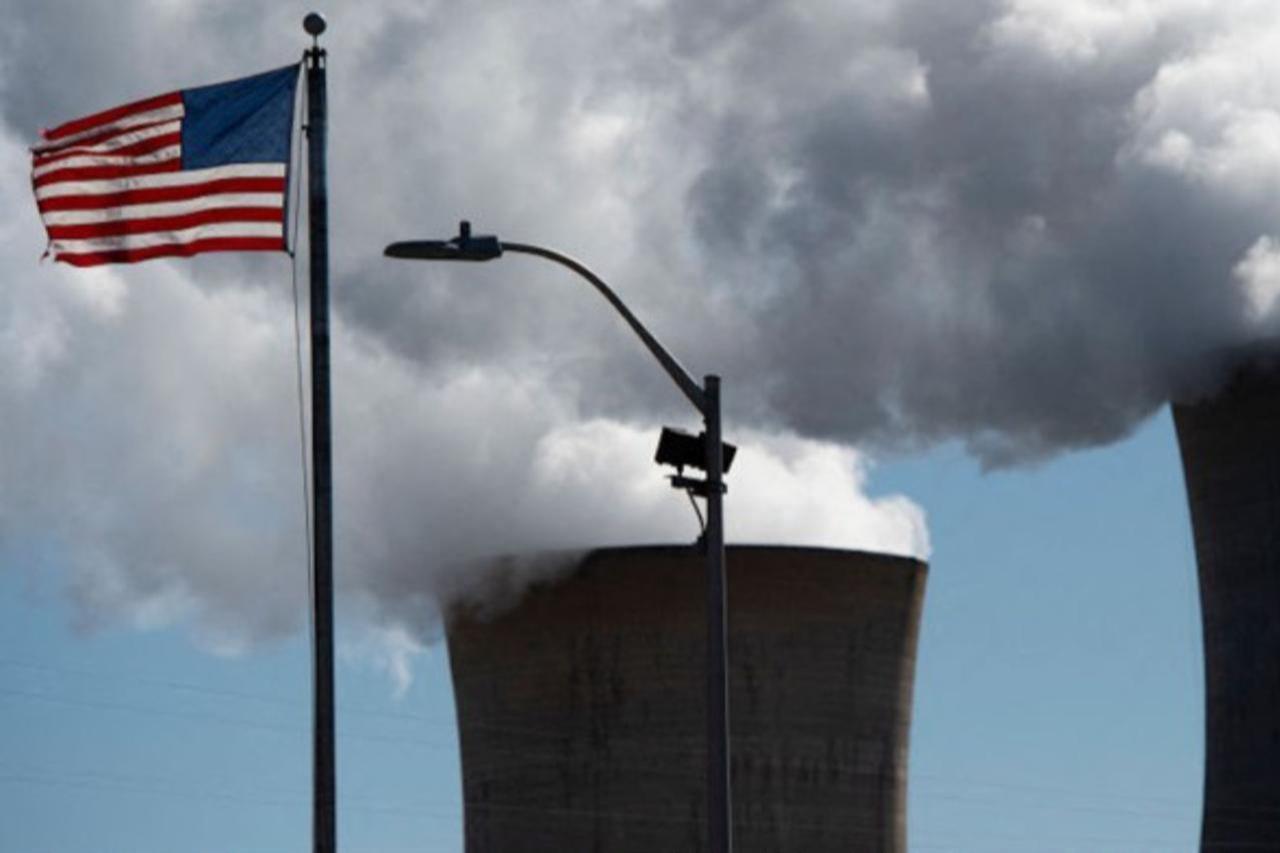

Each Core Power reactor would generate roughly 300 megawatts, enough to supply approximately 300,000 homes. Unlike conventional land-based plants, floating reactors require no planning permission and can be assembled in shipyards using factory-style production methods, dramatically compressing construction timelines. Once deployed, they could operate for up to 60 years and be relocated to different coastal or riverside locations as demand shifts.
The company, founded by former shipping executive Mikal Boe, has assembled an international coalition of partners including Japanese and Korean shipbuilders, French nuclear giant Orano, and Terrapower, the American advanced reactor company backed by Bill Gates. Core Power's plan calls for hulls to be constructed in Japan or South Korea before being sailed to the United States for reactor installation. The first demonstration unit is expected to use a conventional pressurised water reactor rather than Terrapower's more experimental design.
At a recent summit with Trump administration officials and congressional representatives, Core Power warned that China was closing the gap in the floating reactor race. Boe argued that the US holds a natural advantage given its decades of experience operating naval nuclear propulsion, but cautioned that the window would not remain open indefinitely. "First-mover advantage cannot be underestimated, and the US can take the lead on the rules of the road," he said, describing America as "uniquely credible to shape modern maritime nuclear standards and regulations that are safe, transparent, insurable and globally adoptable."
The urgency is driven in large part by the explosive growth of data centres required to train and run AI systems. US data centre power consumption, which stood at roughly 100 terawatt hours in 2023, is projected to surge past 500 terawatt hours by 2030, according to analysis by McKinsey. The strain on the American grid has already pushed some technology companies toward unconventional solutions: OpenAI has reportedly resorted to modified jet engines as temporary gas-fired power plants, while Elon Musk's xAI has floated the idea of solar-powered data centres in orbit.


 Set as preferred source
 Set as preferred source


 1 min read

 1 min read