Newsletters


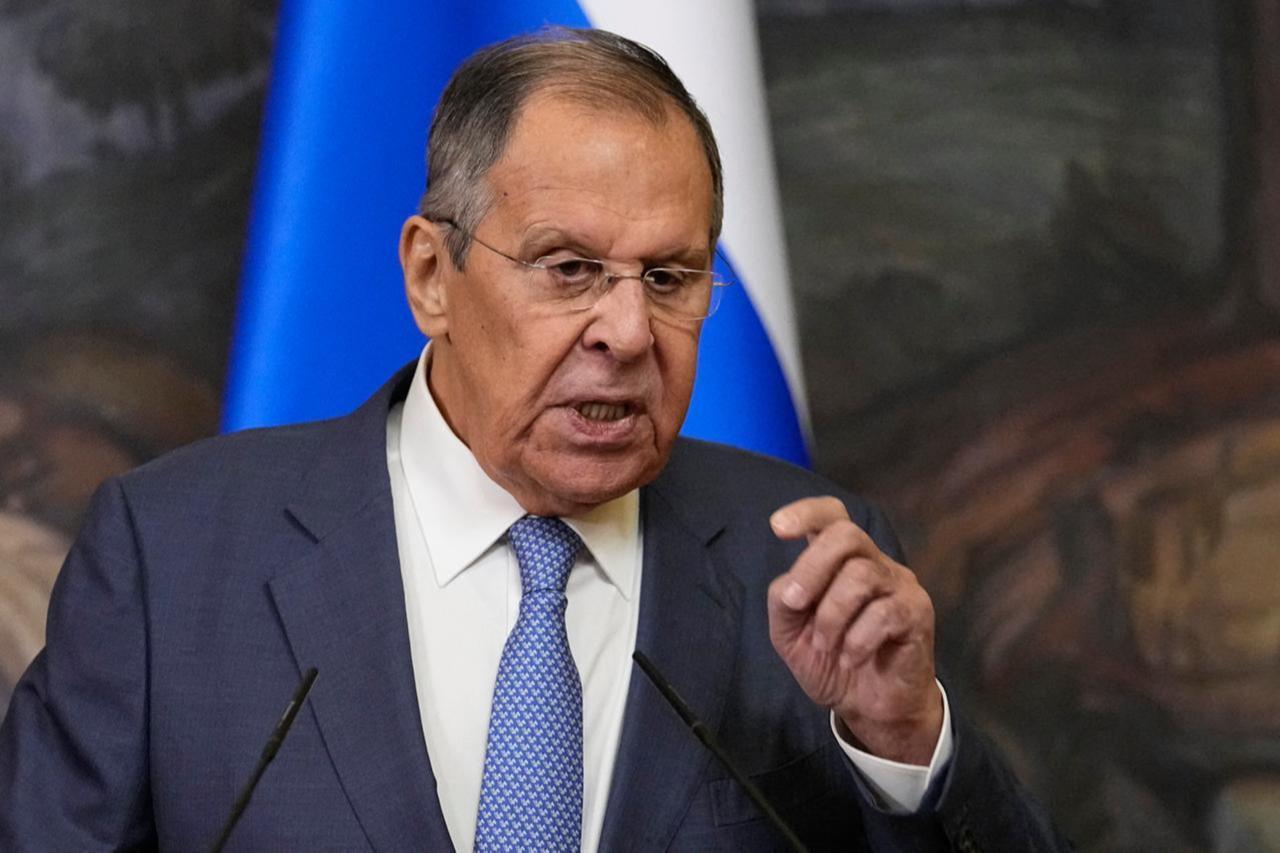


Russian Foreign Minister Sergey Lavrov said Tuesday that European Union calls for a ceasefire in Ukraine were intended to give Kyiv time to restore its military capabilities rather than bring about lasting peace.
Speaking at the 4th Minsk International Conference on Eurasian Security in Belarus, Lavrov said Moscow continued to oppose what he described as a temporary ceasefire and instead sought to address the conflict’s “root causes.”
“All these wails are aimed solely at giving Kyiv a breather to restore its combat capability with the help of the regime’s external sponsors,” Lavrov said.
He singled out Britain and France over calls for a ceasefire and accused the EU of turning into an “aggressive, militaristic” bloc with “anti-Russian and anti-Belarusian leanings.”
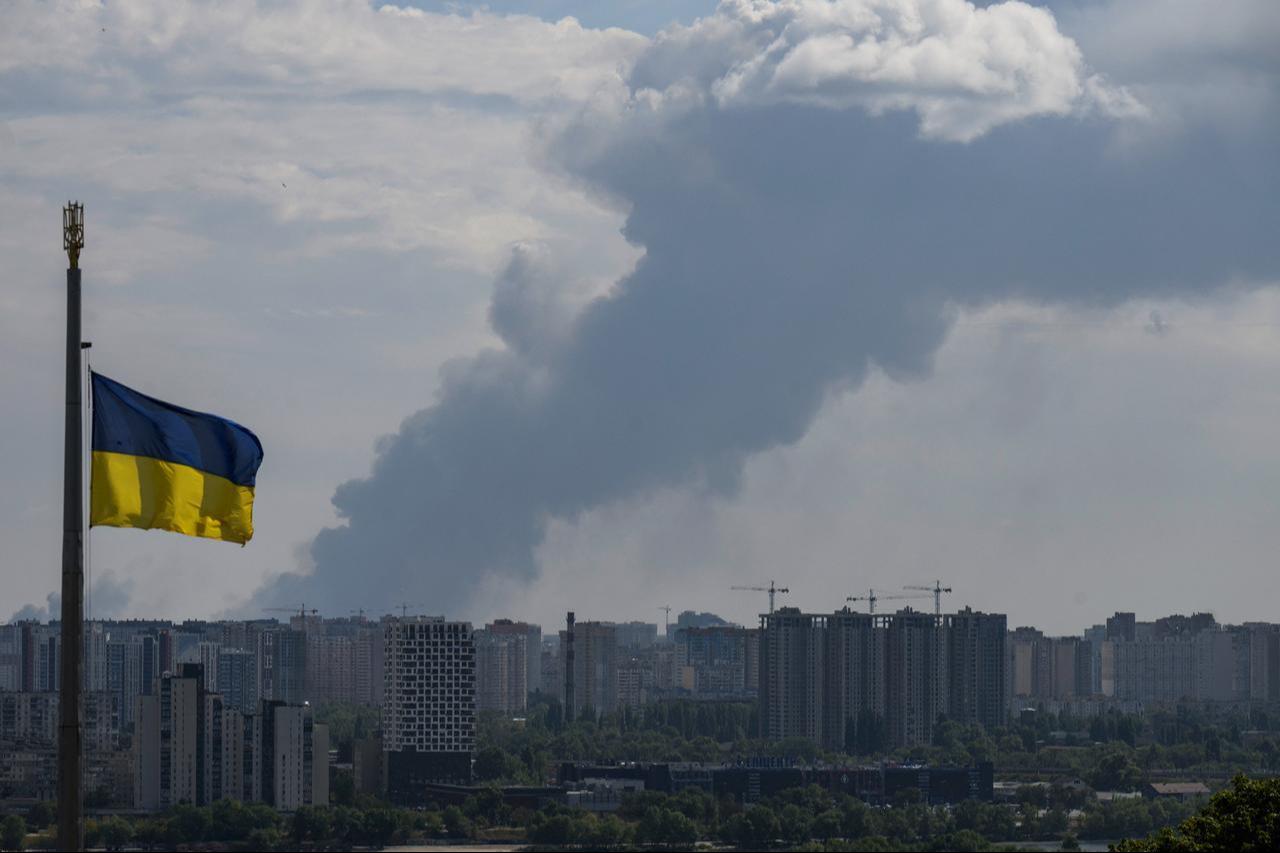

Lavrov said Russia wanted what he called the underlying causes of the conflict to be addressed rather than measures such as immediate, energy, food, air or naval ceasefires.
He listed those causes as what Moscow views as strategic threats from the West, violations of the rights of Russian and Russian-speaking populations in Ukraine and the need to eliminate what he described as “the ideas and practices of Nazism.”
Lavrov said Russia remained open to cooperation on a broader Eurasian security framework with countries that abandoned what he called hostile policies.
“In inviting partners to collaborate on a Eurasian architecture, we have never closed the door to the western part of the continent,” he said.
Lavrov also described the condition of the Organization for Security and Co-operation in Europe as “deplorable,” blaming what he called the West’s confrontational approach.
He questioned whether the OSCE had a future without what he described as a fundamental overhaul of the Euro-Atlantic security model.
Lavrov also accused Japan of pursuing “accelerated militarization” and discussing the possibility of abandoning its three non-nuclear principles adopted after World War II.
The Russian foreign minister arrived in Minsk late Monday after visiting the U.S., where he attended a G20 ministerial meeting in Atlanta, Georgia, on Oct. 30-31.
On the sidelines of the Minsk conference, Lavrov also held separate talks with Belarusian Foreign Minister Maxim Ryzhenkov and OSCE Secretary General Feridun Sinirlioglu.


 Set as preferred source
 Set as preferred source


 1 min read
 1 min read