Sign in
 Newsletters




Russia expects European leaders to visit Moscow and clarify their positions before joining negotiations to end the war in Ukraine, Russian Ambassador to Germany Sergei Nechayev reportedly told Agence France-Presse (AFP), questioning whether European governments genuinely want peace.
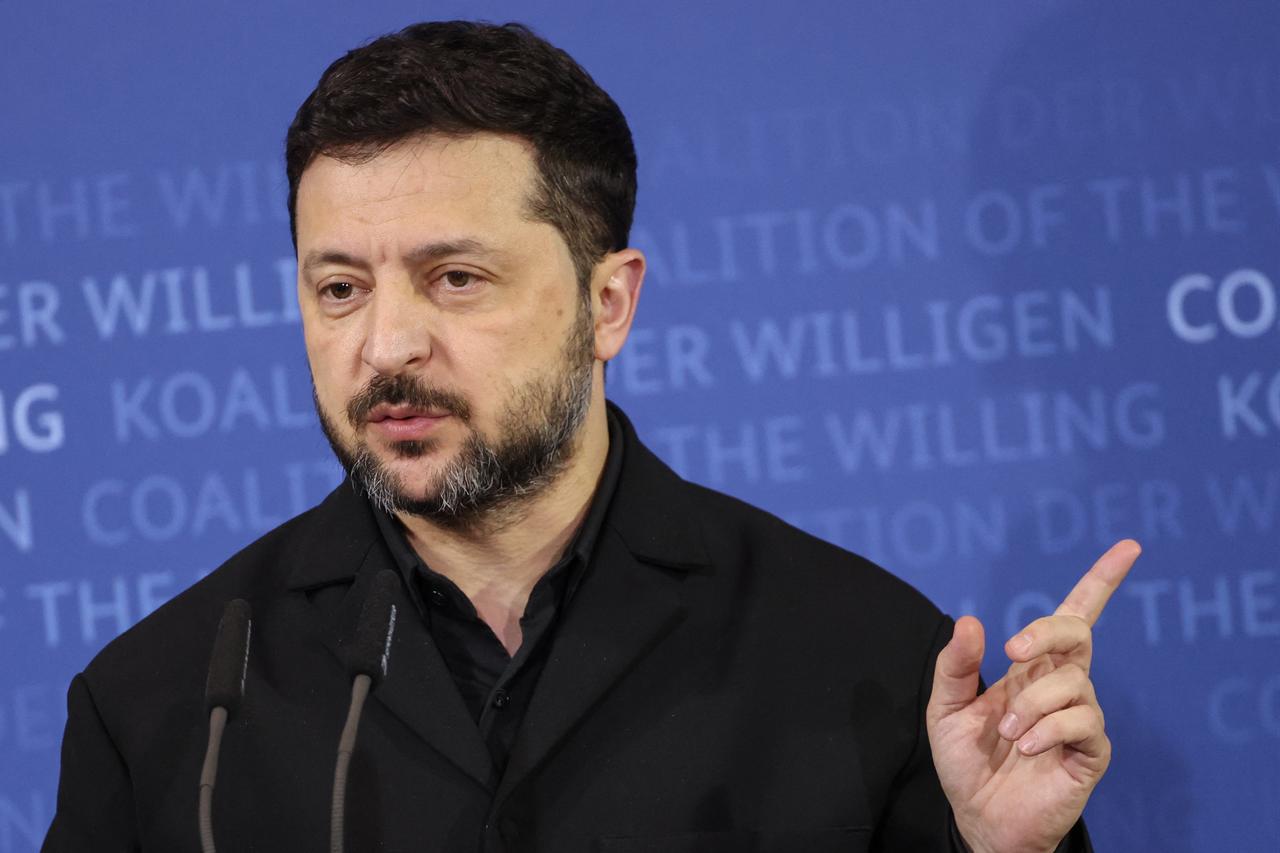
The remarks follow a summit of Ukraine's allies in Berlin last week, where German Chancellor Friedrich Merz said European representatives would soon participate in negotiations following several rounds of talks involving the U.S., Russia and Ukraine.
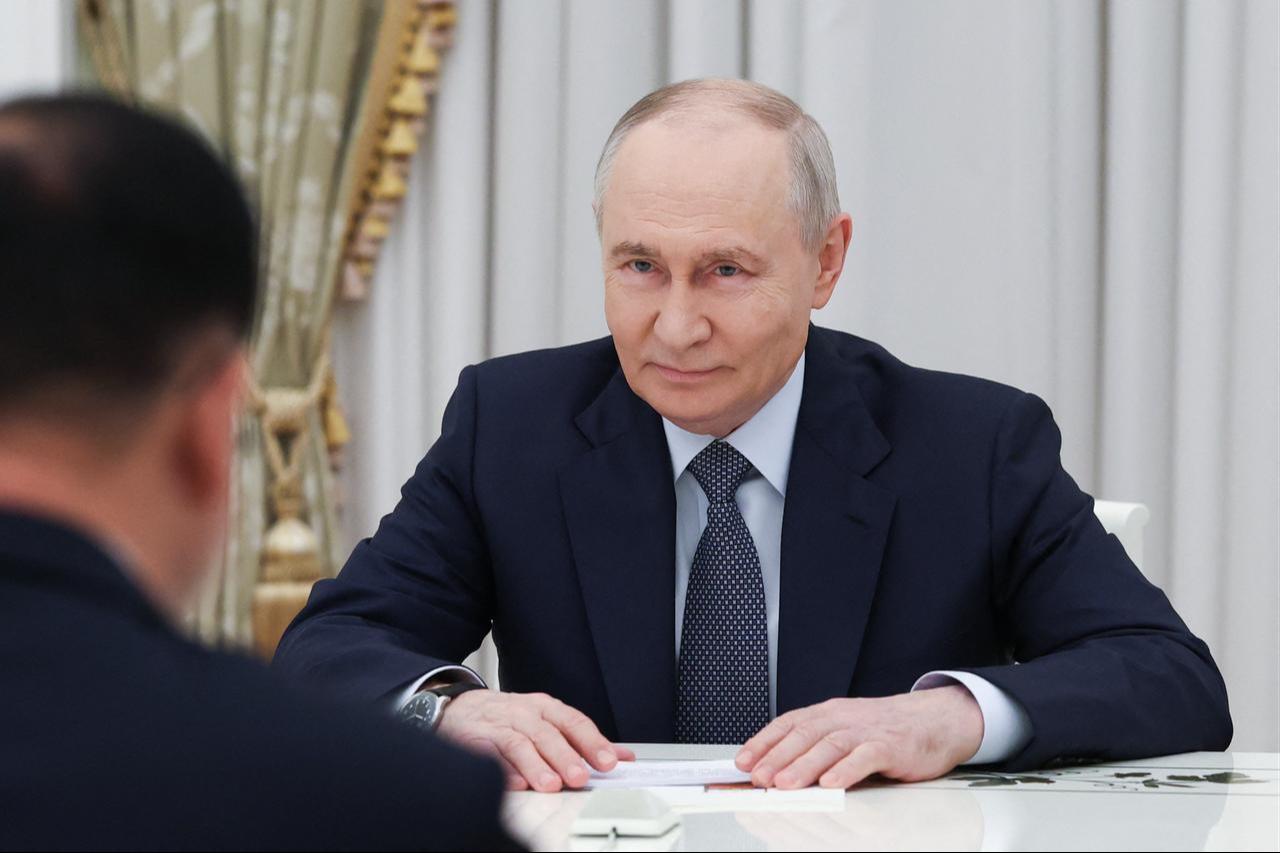
Russian President Vladimir Putin also said last week that he had invited European leaders to Moscow for further discussions.
However, Nechayev said European governments had responded cautiously to the invitation.
"We heard a statement—from Brussels, I believe—to the effect that the Europeans do not intend to travel to Moscow," he told AFP.

Nechayev said Russia remained willing to continue negotiations, at least through the existing trilateral format involving Moscow, Kyiv and Washington.
He described the efforts of U.S. President Donald Trump and his envoys Jared Kushner and Steve Witkoff as "honest," saying he had not seen a similar approach from European leaders.
"That is why we first want to talk with them and know precisely what their intentions are," he said.
European governments have called for an immediate ceasefire and accused Russia of lacking a genuine commitment to peace negotiations.
Nechayev rejected that criticism, saying, "We are not convinced that the Europeans want peace."
He also reiterated Moscow's demand for changes to Europe's security architecture that would take Russia's security concerns into account, a position European governments have rejected.
Nechayev said Russia had accepted unspecified compromises concerning Ukraine during the August 2025 summit between Trump and Putin in Alaska.
He maintained that those proposals "must remain on the table," despite what he described as their rejection by Ukraine and European governments.
The ambassador declined to explain what the compromises involved.
He also questioned whether European countries had established a clear negotiating position or agreed on who should represent them.
Nechayev noted that European governments had recently opted for a negotiating team involving Germany, France, Poland, Italy, the United Kingdom and the EU.
"Our request to Europe is this: Decide what it is you want, determine whom you will appoint as negotiators, and, most importantly, clarify what you aim to achieve," he said.
Nechayev also dismissed accusations that Russia was responsible for alleged hybrid warfare operations in Europe.
Several European countries have accused Moscow of involvement in incidents including an alleged foiled drone attack at Leipzig airport in August.
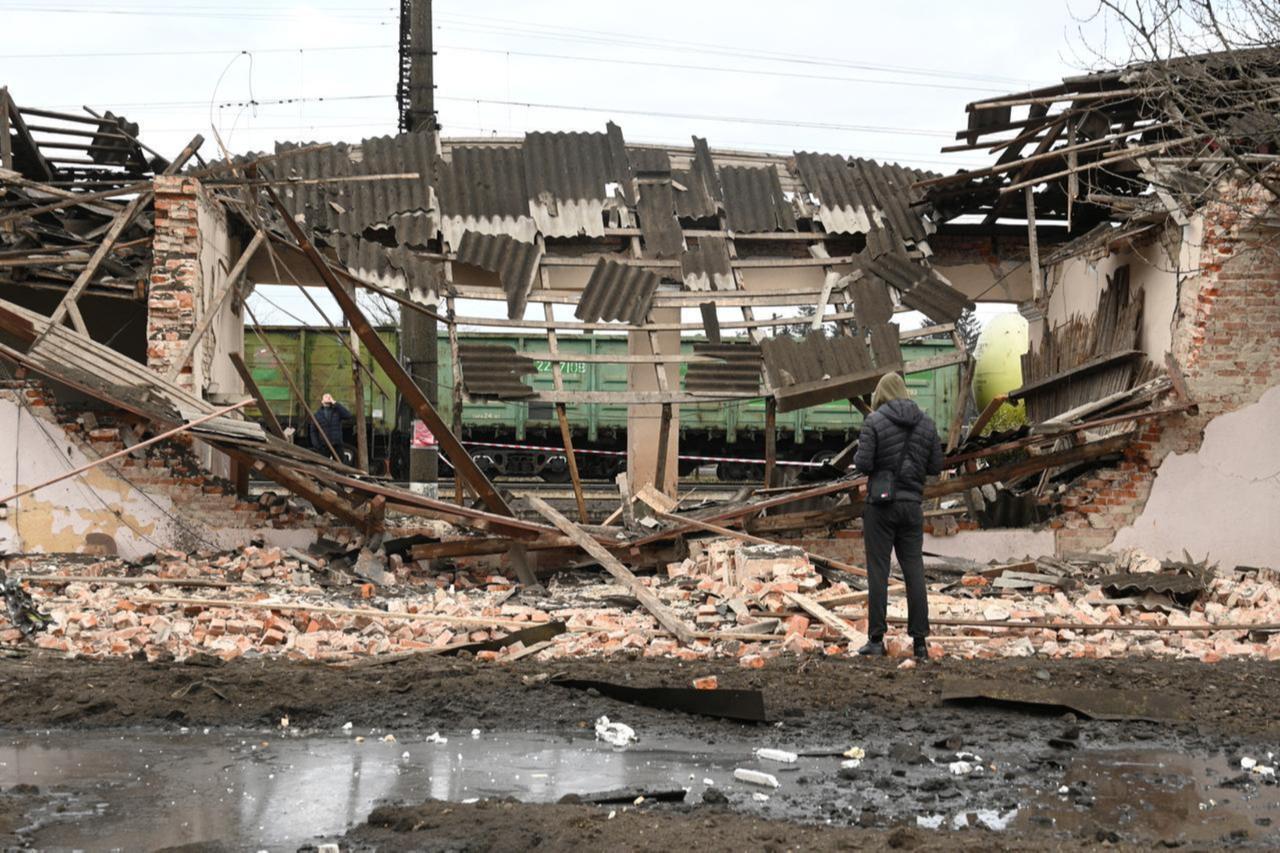
Last week, three Russian missiles landed in Poland, prompting criticism from Warsaw and a pledge of support from NATO.
Nechayev claimed there was "no evidence" of Russian responsibility for either incident.
Instead, he accused European countries of "preparing for a war against Russia," citing increased military spending and rearmament efforts across the continent.


 Set as preferred source
 Set as preferred source


 1 min read
 1 min read