Newsletters




European officials pushed back Friday against any U.S. effort to reshape the continent’s security architecture as part of a potential agreement with Russia to end the war in Ukraine, insisting that Europe must be directly involved in decisions affecting its security.
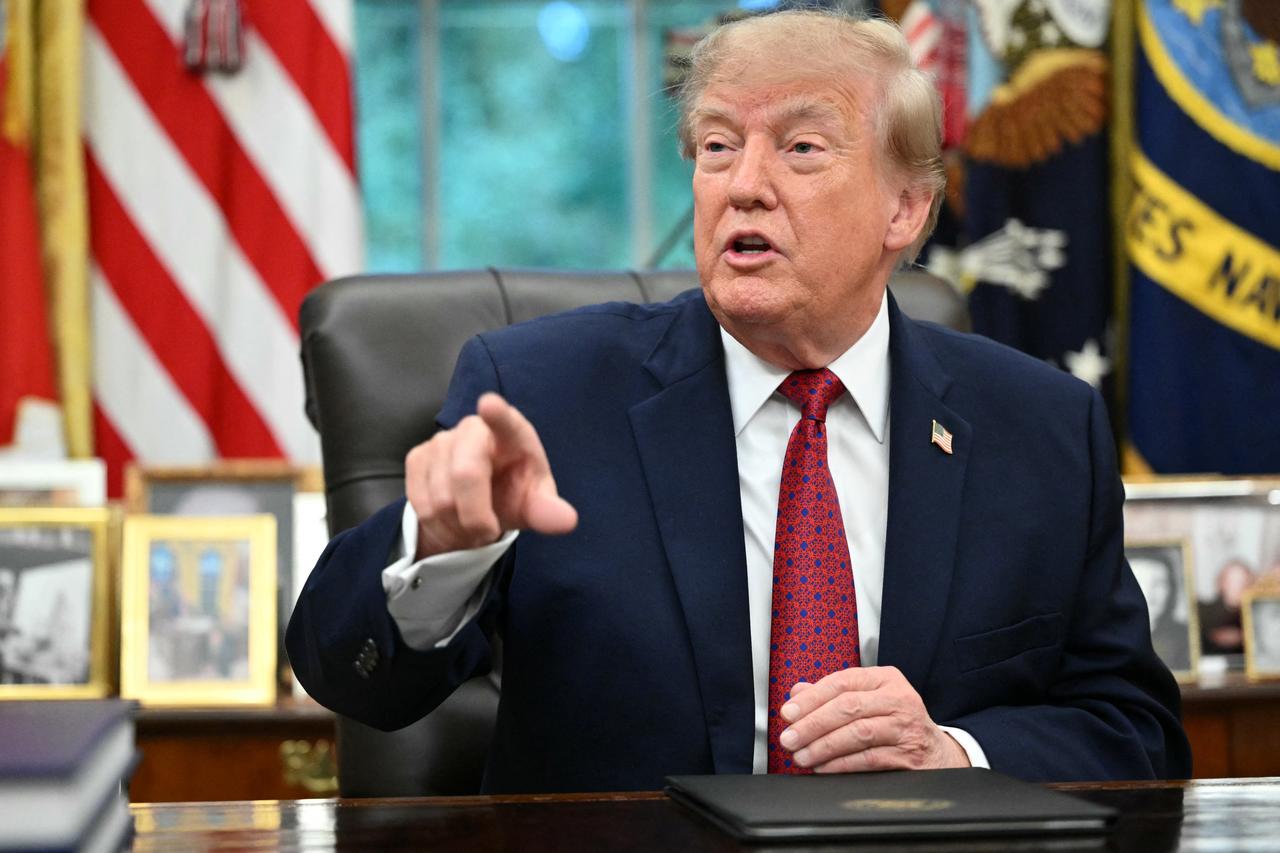
The response followed remarks from U.S. President Donald Trump, who said Thursday he expected a “very big” agreement with Moscow involving not only Ukraine but “all of Europe.”
Trump’s envoy and son-in-law Jared Kushner also said Washington was working on “a broader European security architecture” ahead of U.S.-mediated talks between Russia and Ukraine in Abu Dhabi next week.

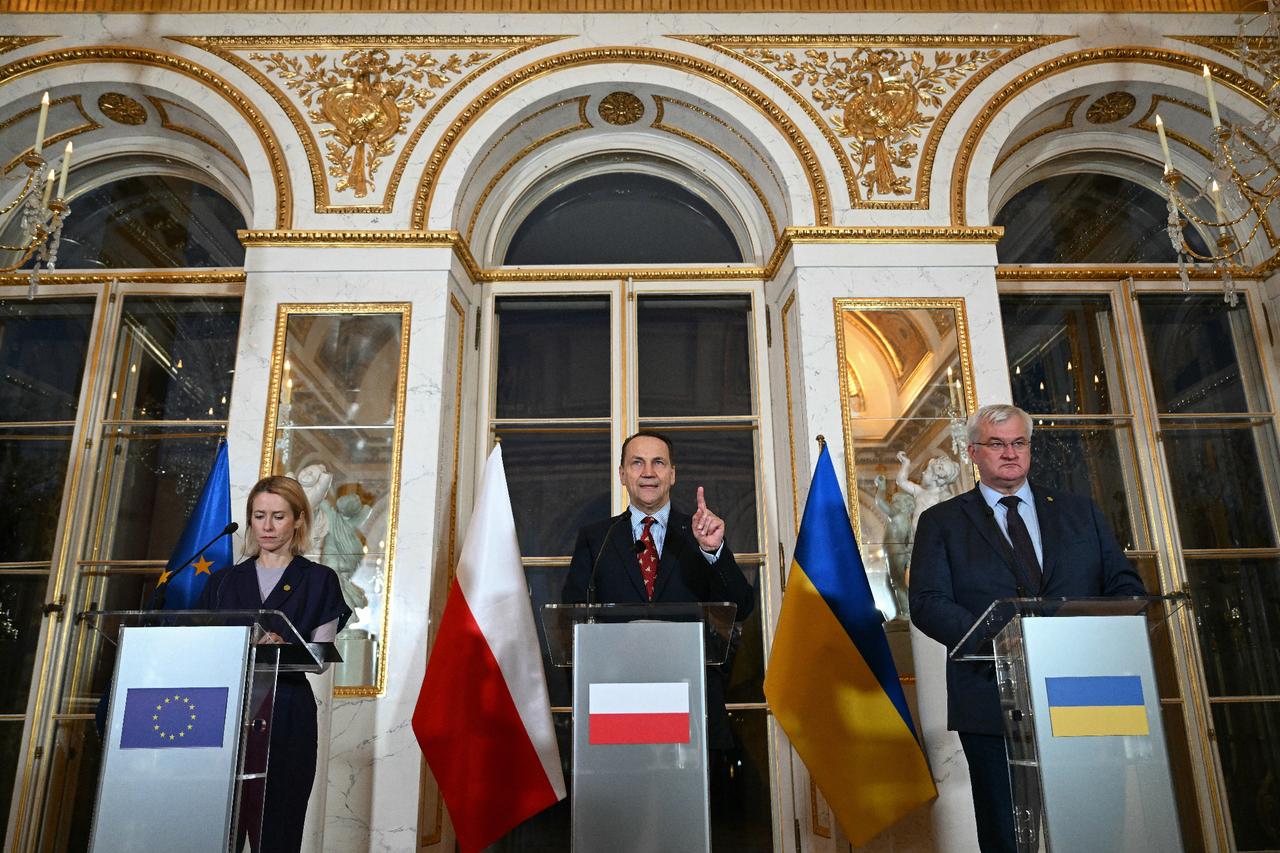
“We already have a European security architecture in place,” EU foreign policy chief Kaja Kallas told reporters in Warsaw.
“The problem remains that Russia keeps breaking the treaties that underpin it. NATO posed no threat to Russia in 2021, and it poses no threat to Russia at the moment. Putin does not have a veto over European security.”
Kallas said any agreement that required implementation by the EU would also require the bloc’s participation.
Polish Foreign Minister Radoslaw Sikorski echoed that position, saying an agreement on the future of Ukraine and Europe made without them “would not just be unwise. It is actually impossible.”
Ukrainian Foreign Minister Andriy Sybiga said Russia “cannot be the security guarantor for the European continent.”
“We have to talk about protecting ourselves against Russia, not talking with Russians about spheres of influence in Europe,” he said.
U.S. representatives met NATO, EU and major European officials in Brussels for two days this week as Washington renewed efforts to end the fighting.
Kushner, who participated by video link, said the U.S. wanted to develop “practical arrangements that address the security concerns of all sides.”
He said Washington would consult closely with European partners on the sidelines of the Abu Dhabi talks and, if progress was made, seek a broader multilateral format with their direct participation.
An EU spokesperson separately said “a lot of work” remained before a peace agreement could be reached and stressed that the bloc would decide on matters affecting its own security.
A NATO spokesperson said Ukraine’s allies were working toward a “just and sustainable” end to the war.
Before launching the war in Ukraine in 2022, Russia demanded changes to European security arrangements, including the withdrawal of NATO troops from eastern Europe. NATO rejected the demand.


 Set as preferred source
 Set as preferred source


 1 min read
 1 min read