Newsletters


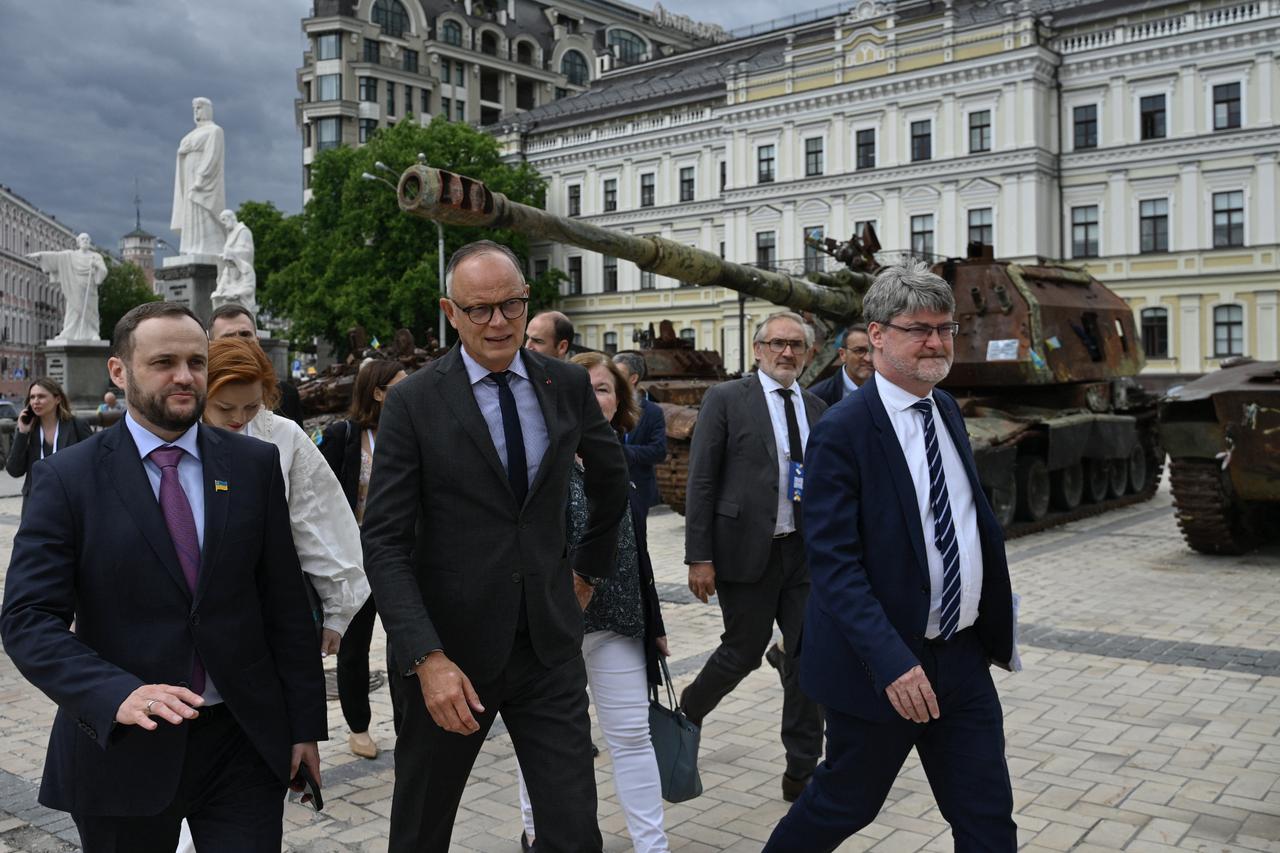


European Union foreign ministers debated on Thursday what red lines the bloc should set for any possible talks with Russia, as Ukraine pushed Europe to play a bigger role in efforts to end the war.
The discussions came as U.S. efforts to halt the war in Ukraine remained deadlocked, and President Donald Trump’s attention was consumed by Iran.
Ukraine has urged Europe, which has so far been sidelined by Washington, to become more involved in any negotiations and has suggested nominating a representative for talks.

Some EU ministers said the bloc should prepare by appointing a representative.
Austria’s Foreign Minister Beate Meinl-Reisinger said this was “very much what Ukraine expects: that the EU should now get ready.”
She said she would press for the EU “to position itself, to be able to negotiate beyond its own interests, and to appoint a chief negotiator.”
Finland’s Foreign Minister Elina Valtonen said Finnish President Alexander Stubb could be a good option, while Luxembourg’s Foreign Minister Xavier Bettel said he would propose former EU chief Jean-Claude Juncker.
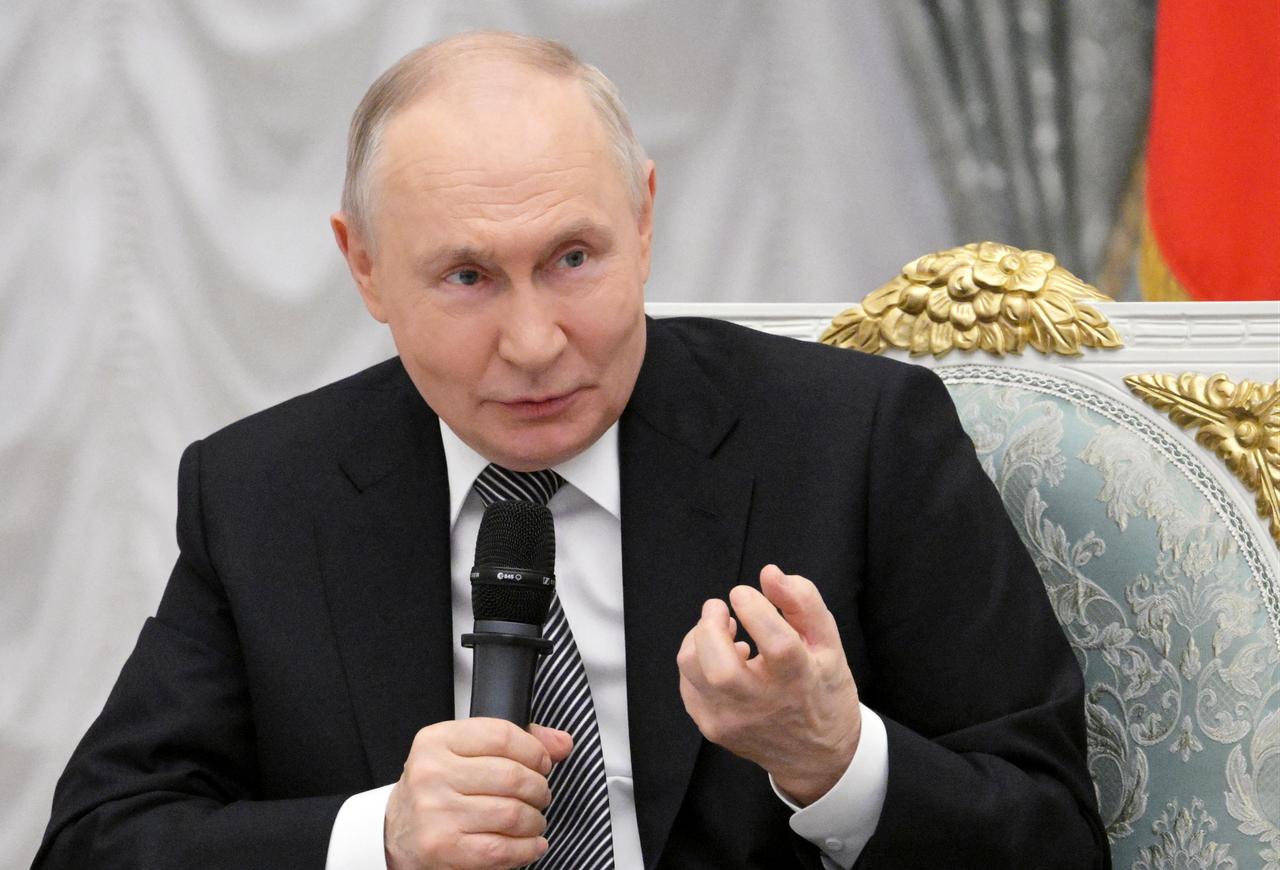
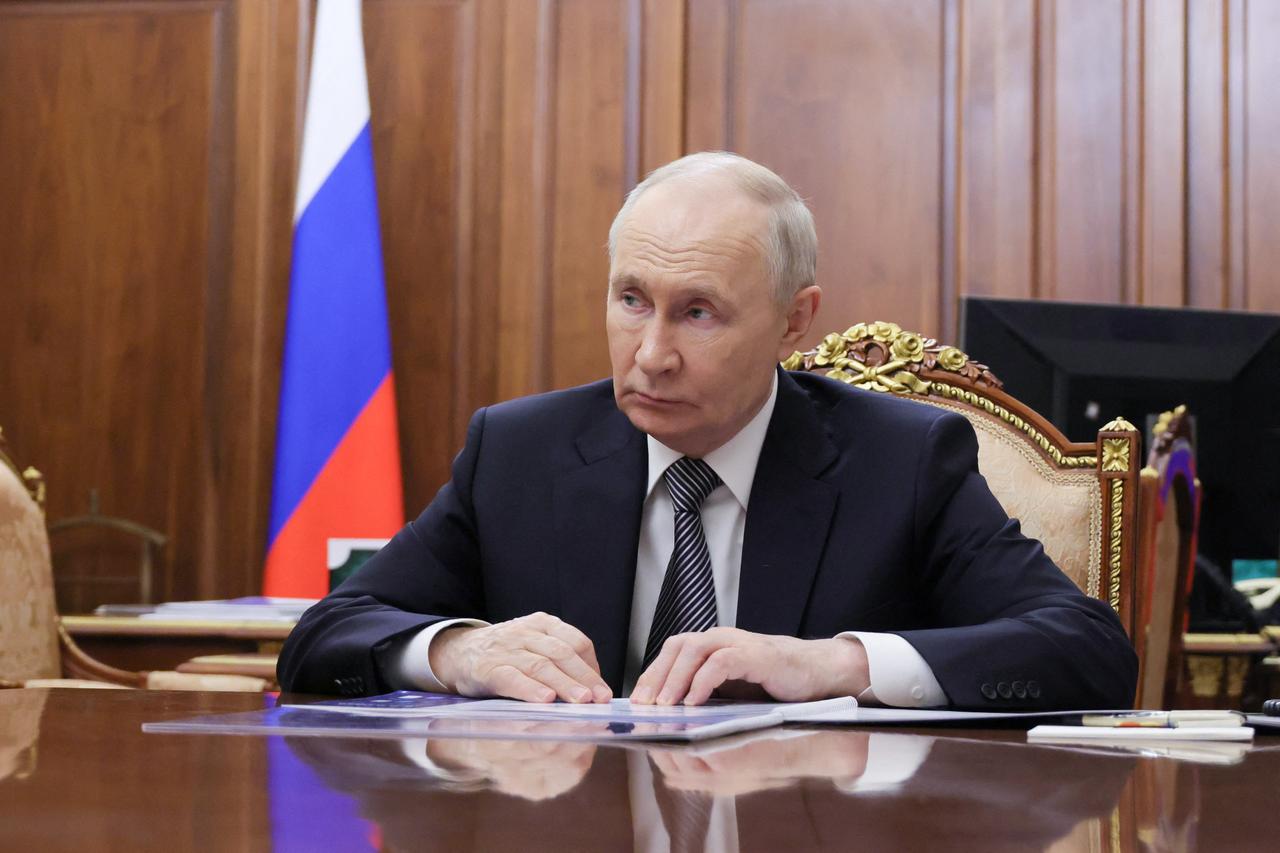
Speculation over possible envoys has grown after Russian President Vladimir Putin suggested former German chancellor Gerhard Schroeder, his longtime ally, could serve in the role. The idea has been widely rejected in Europe.
Other ministers said the EU should avoid focusing on who would negotiate and instead keep up pressure on Russia.
“This is not a time when we are discussing who is going to have the negotiations,” Lithuania’s Foreign Minister Kestutis Budrys said. “We have to discuss what we are doing to put additional pressure on Russia.”
European officials say Putin appears weakened as Russia’s economy struggles, casualties rise and Ukraine’s long-range drone campaign takes a toll.
But there is broad skepticism in Europe that Putin is serious about negotiating in good faith. The Kremlin has fired its nuclear-capable Oreshnik missile at Kyiv in recent days and threatened foreign diplomats.
After avoiding engagement with Putin since Russia’s invasion of Ukraine in 2022, Europe remains wary of the prospect of talks with Moscow.
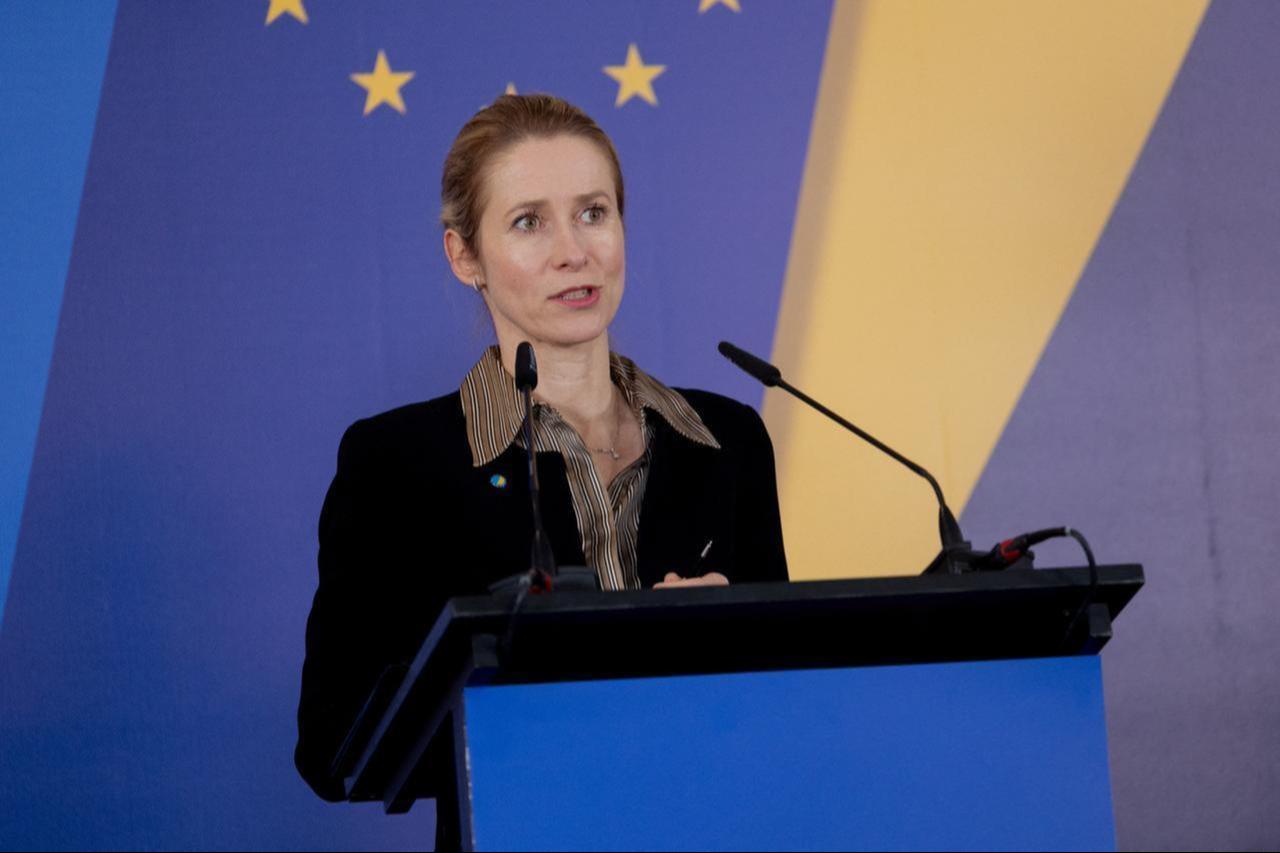
EU foreign policy chief Kaja Kallas warned that focusing on who would speak for Europe could become a Russian “trap,” saying the bloc first needed to define its goals.
“Negotiations are always a team effort. You have good cops, you have bad cops, you have strategy on how you go to the table,” Kallas said at the meeting in Greek Cyprus.
“So that is why the substance is much more important than who,” she added.
Kallas has pushed for months to define EU red lines and keep member states united so Moscow cannot exploit divisions.
Those conditions include demanding limits on Russia’s military, refusing to recognize Moscow’s control over seized Ukrainian territories and ensuring Russia is held accountable for its crimes.
“It’s a maximalist approach, but so is Russia’s approach,” Kallas said.
Estonian Foreign Minister Margus Tsahkna warned that Putin was trying to push Europe into the role of a neutral broker as the U.S. steps back.
“His main goal is to win more time and bring Europe into this mediating position, and mediating means neutrality, so we won’t talk about more pressure on Russia,” Tsahkna said.


 Set as preferred source
 Set as preferred source


 1 min read
 1 min read