Newsletters


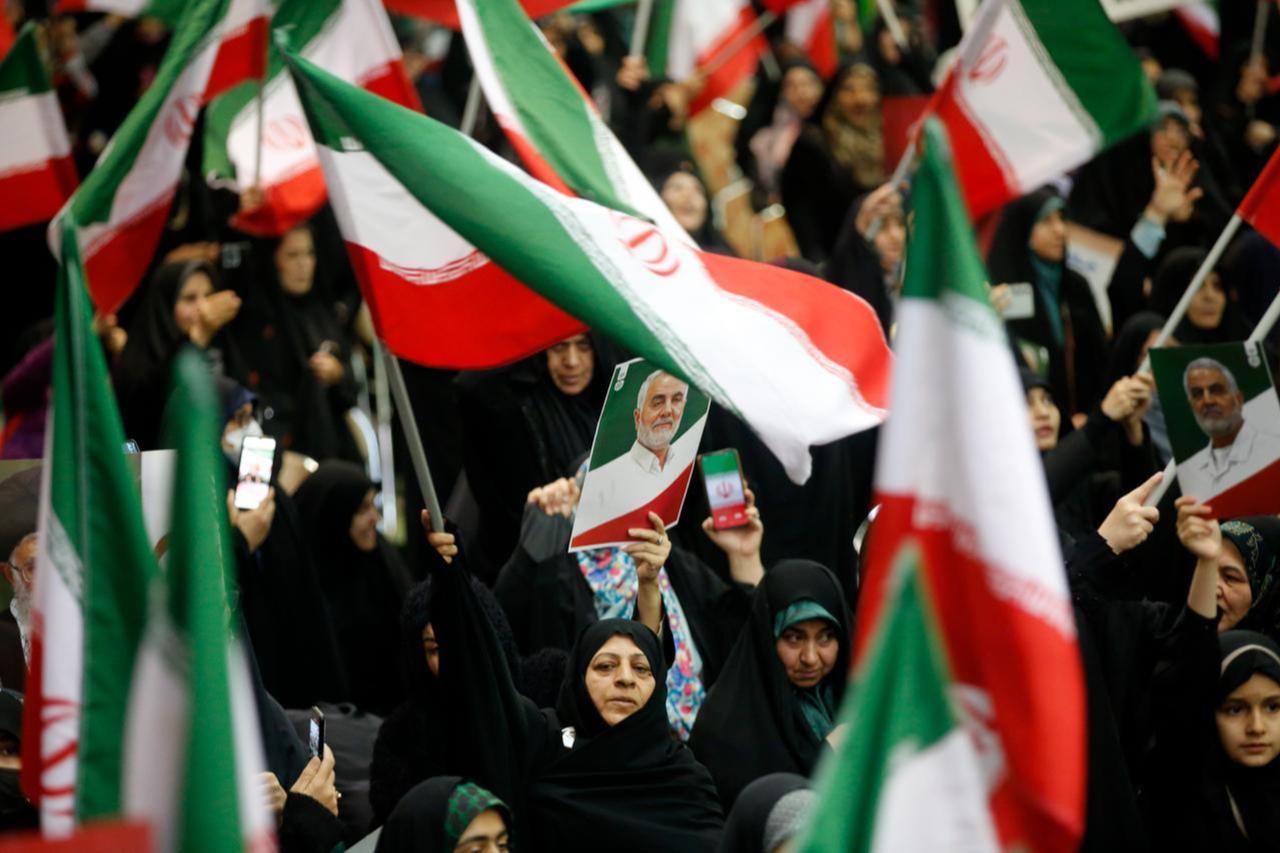


European Union foreign ministers unanimously agreed Wednesday to designate Iran's Revolutionary Guard Corps as a terrorist organization, marking a significant policy shift after years of resistance from key member states and escalating pressure following Tehran's violent suppression of nationwide protests.
The decision, announced by EU High Representative Kaja Kallas during a Foreign Affairs Council meeting in Brussels, imposes asset freezes, travel bans and funding restrictions on the IRGC, aligning the bloc with the United States, which took similar action in 2019, and Canada, which followed in 2024.
"Repression cannot go unanswered," Kallas wrote on social media. "If you act as a terrorist, you should also be treated as terrorists."
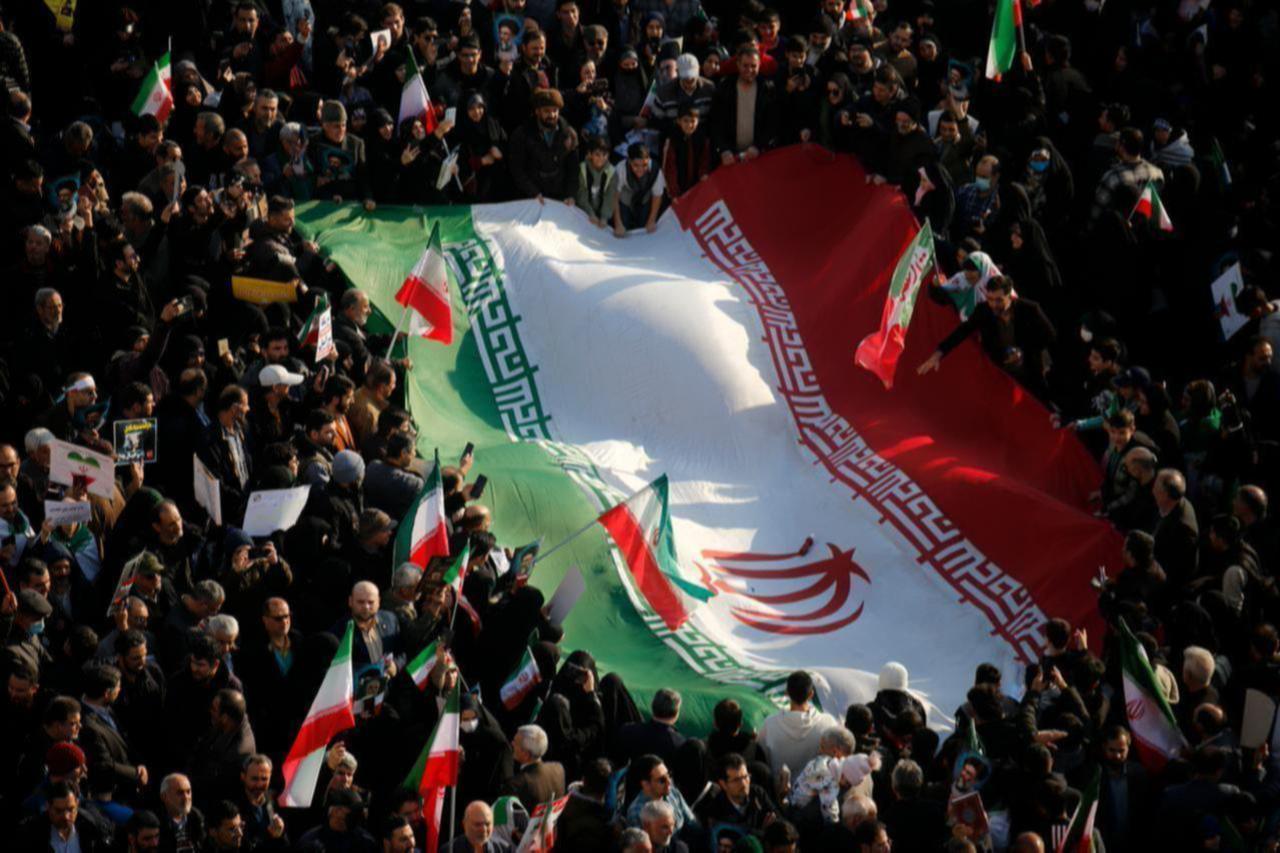
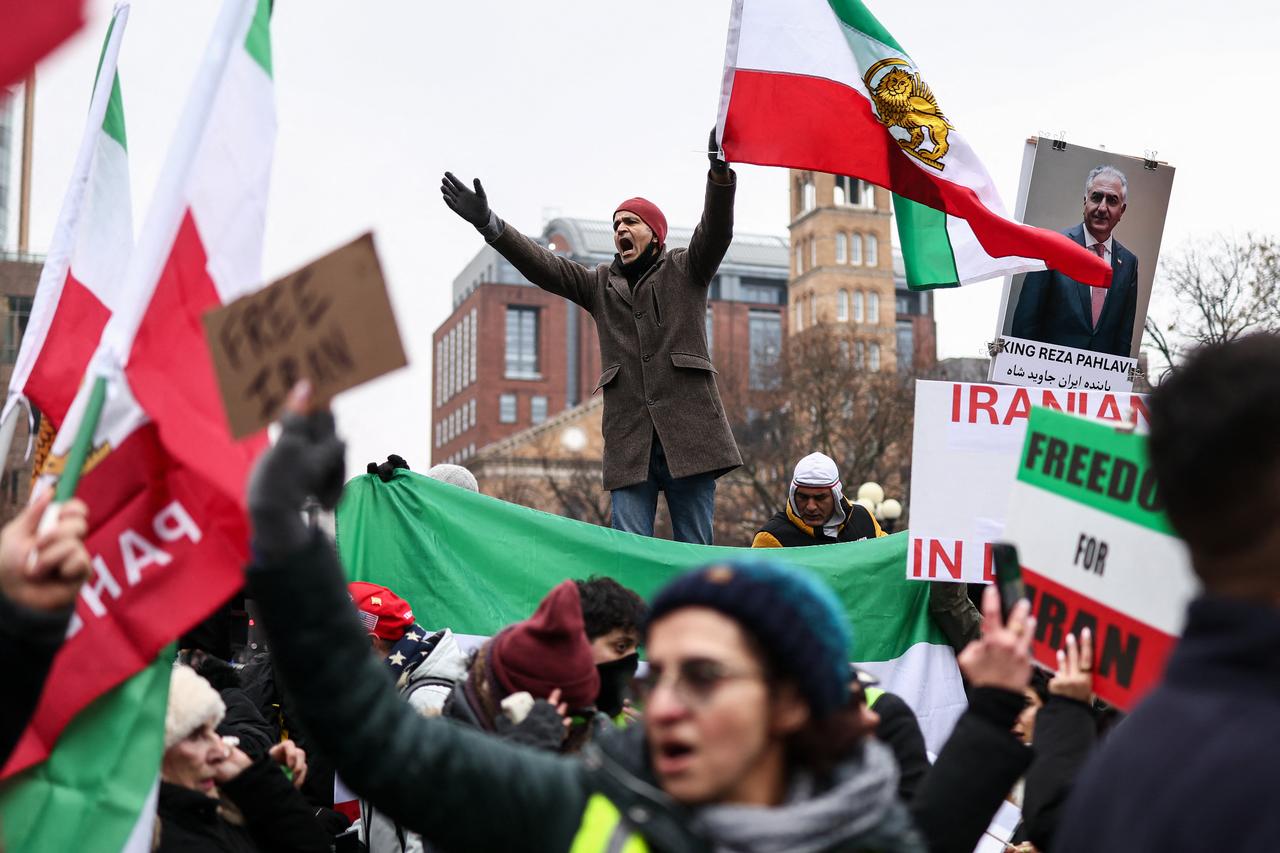
The designation comes in response to Iran's crackdown on protests that erupted in late December 2025 following the collapse of the Iranian rial and broader economic turmoil. According to the timeline of events, thousands of demonstrators were killed in the government's response to the unrest.
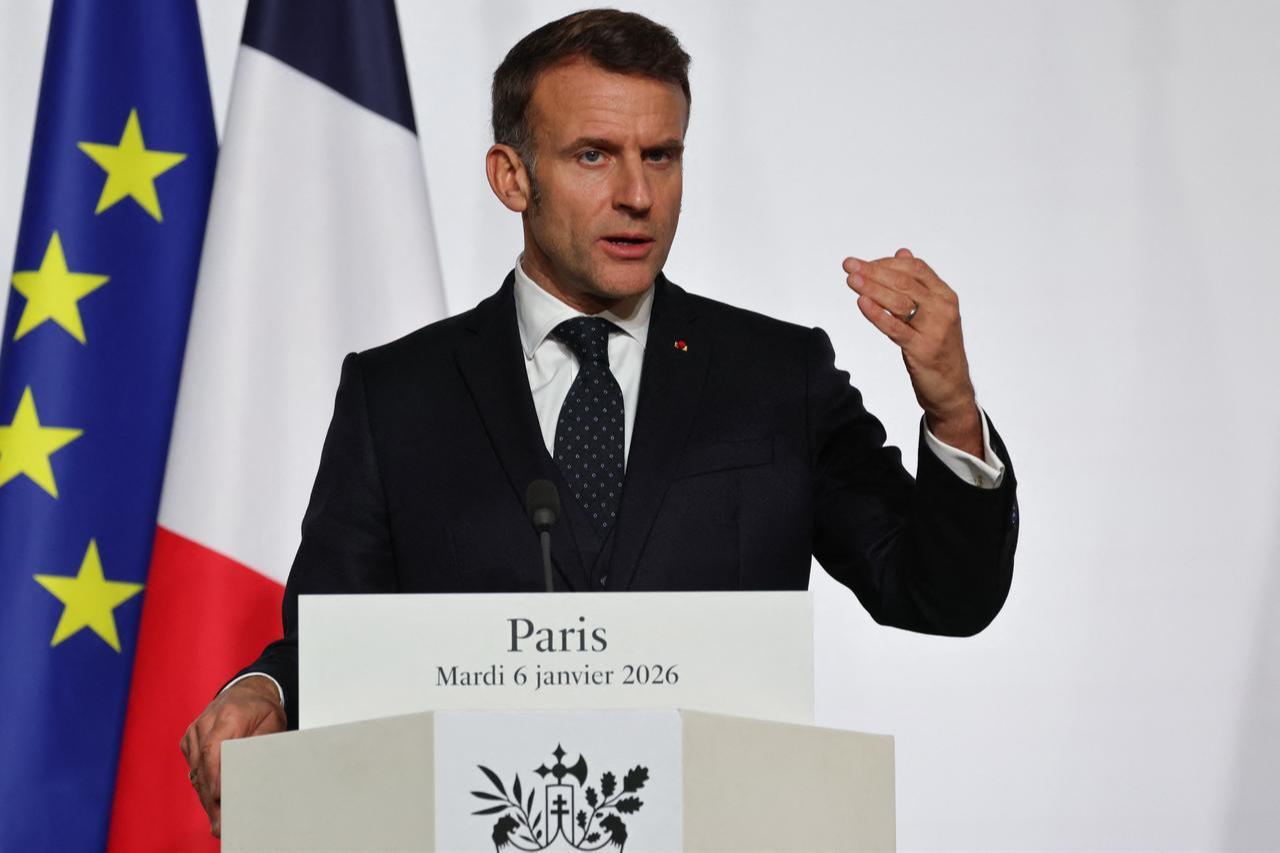

The breakthrough followed France's decision on January 28 to lift its longstanding opposition to the terrorist designation, removing a major obstacle to EU consensus. Spain, Italy and Germany also backed the move after previously expressing reservations about legal hurdles and diplomatic consequences.
EU Commission President Ursula von der Leyen described the designation as "long overdue," saying the term terrorist was appropriate for a regime that crushes protests in blood.
For weeks leading up to the decision, advocacy groups and some European Parliament members had criticized holdout nations for blocking the designation. On January 12, the European Parliament banned Iranian diplomats and government officials from its premises while reiterating its call for IRGC terrorist designation. The parliament had previously passed a resolution on January 22 supporting the measure.
Iranian Foreign Minister Abbas Araghchi rejected the designation as "fanning the flames" of regional tensions and accused Europe of following Washington's lead in making what he called a "major strategic mistake" by targeting Iran's national military force.
Araghchi criticized European governments for what he described as "blatant hypocrisy," claiming they took no action in response to Israel's war in Gaza while rushing to defend human rights in Iran. He warned that Europe would face consequences from any wider regional conflict, including surging energy prices and broader economic impacts.
While largely symbolic, the terrorist designation places the IRGC alongside organizations such as al-Qaeda and ISIS on EU lists and represents a notable hardening of Europe's stance toward Tehran. The move could complicate future diplomatic engagement between the EU and Iran while signaling support for Iranian protesters.
Advocacy organizations including the World Jewish Congress and the National Council of Resistance of Iran welcomed the decision. The IRGC, a powerful military and political entity in Iran, has faced international scrutiny for its role in regional conflicts, support for proxy groups and arms supplies to Russia during the war in Ukraine.
The EU also adopted additional sanctions on Iranian officials involved in the protest crackdown and drone supplies to Russia. Formal legal implementation of the IRGC designation is expected to follow the political agreement.


 Set as preferred source
 Set as preferred source


 1 min read
 1 min read