Newsletters


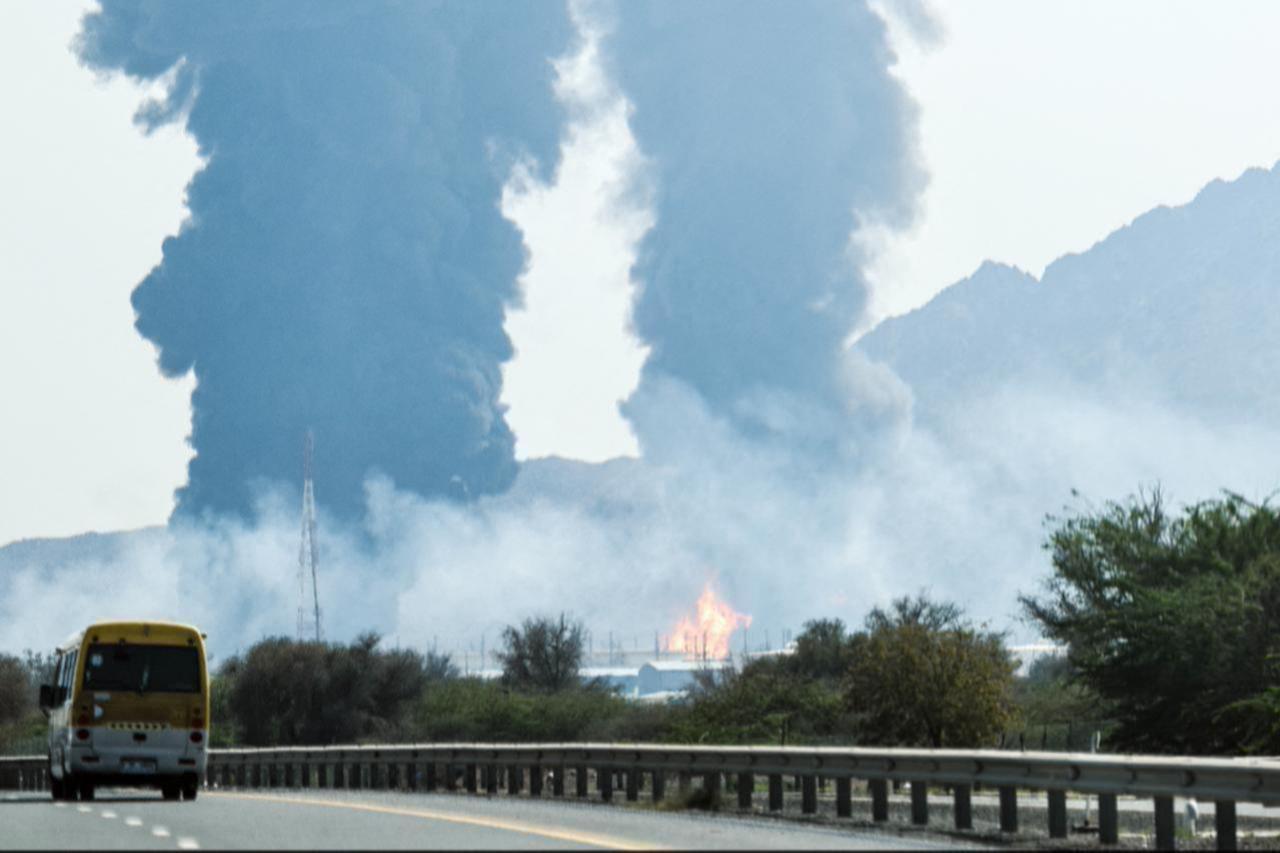


Europe is now entering the most critical phase of the energy shock triggered by the war in Iran.
While the initial weeks of the conflict were cushioned by existing stockpiles, the arrival of the final pre-blockade tankers this week marks the end of the continent's logistical safety net.
With the last shipment of kerosene from the Persian Gulf expected to dock on April 9, the "buffer" that once protected European consumers is effectively gone.
The effective closure of the Strait of Hormuz has transformed a regional military offensive into a systemic global supply shock.
Approximately 20% of the oil and natural gas powering the global economy typically flows through this 39-kilometer (24.2 miles)-wide passage.
According to an analysis by Oxford Economics, the blockade has left the global oil supply 10% below required levels.
The political rhetoric from Washington has added to the market's volatility.
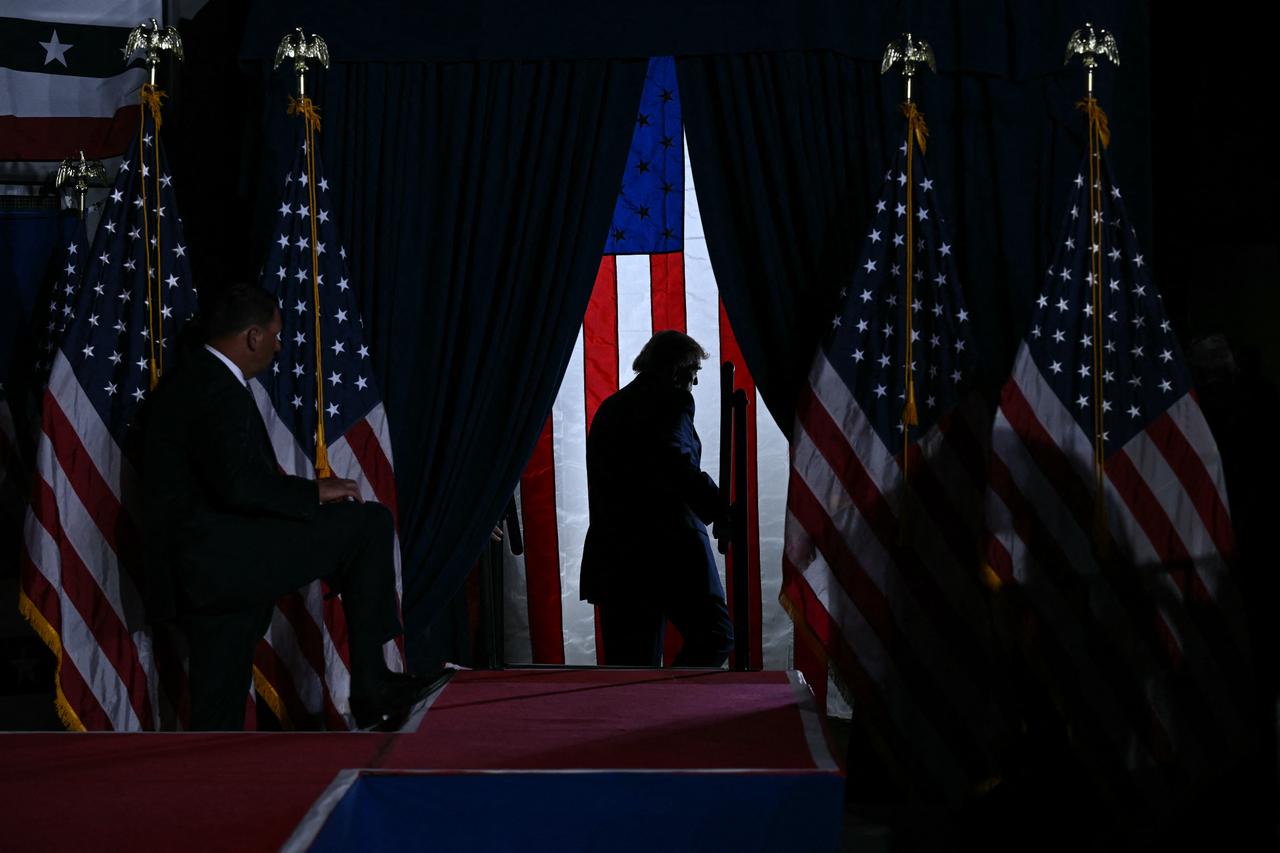
U.S. President Donald Trump has signaled a shift toward energy isolationism, posting on Truth Social that nations suffering from fuel shortages will "have to start learning how to fight for yourself," adding: "Go get your own oil!"
In a later, more aggressive communication, Trump issued a blunt ultimatum to Tehran: "Open the F—in’ Strait... or you’ll be living in Hell."
Despite these threats, the International Energy Agency’s executive director, Fatih Birol, maintains that this remains the "greatest threat to global energy security in history," according to Politico.
The current panic represents a historical anomaly. Unlike the 1970s oil embargo or the 2022 natural gas shock, this crisis affects all fuel types simultaneously: crude, natural gas, and refined products.
According to Homayoun Falakshahi, a senior analyst at Kpler, the danger for Europe is structural; while the EU has limited its reliance on Persian Gulf crude to just 6 percent, it remains tethered to the region for over 40% of its refined products, including diesel and aviation fuel.
This dependency reveals a critical gap in European industrial strategy, as the continent has increasingly outsourced its refinery capacity to the Middle East.
"If the strait remains closed, there's basically no alternative options," Falakshahi told Politico, because Europe lacks the internal capacity to replace these specialized finished fuels.
This scarcity is already driving "demand destruction," where the only way to stabilize the market is to simply stop consuming.
The financial data underscores this reality.
Argus Media reported on Thursday that Northwest European jet fuel prices reached an all-time high of $1,903.50 per ton, a jump of nearly $300 in 24 hours.
This volatility has created a "vicious cycle" where firms, unable to manage extreme price risks, have pulled back from the market, further thinning liquidity and driving prices even higher.
Oxford Economics noted that the resulting 10 percent deficit in global oil supply is now forcing the European economy into a state of emergency, according to the Wall Street Journal.
Rationing is no longer a theoretical risk but has become a current reality.
In Italy, Air BP Italia has introduced operational restrictions at four strategic hubs: Milan Linate, Bologna, Venice, and Treviso. Short-haul aircraft at these airports are restricted to a supply ceiling of 2,000 liters, reports Euronews.
Technical calculations provided by pilots to Il Corriere della Sera clarify that this amount guarantees less than one hour of autonomy for a Boeing 737 or Airbus A320, effectively prioritizing ambulance and state flights over domestic travel.
In France, government spokesperson Maud Bregeon confirmed that 18 percent of fuel stations nationwide are currently lacking at least one type of fuel, according to Anadolu.
While Bregeon insisted that crude is still reaching refineries, she noted that "logistical difficulties" and a price cap at TotalEnergies stations have created a significant gap between distribution networks.
As Europe looks for alternative routes, the Mediterranean is becoming its own secondary "chokepoint."
Libya, which should serve as a strategic alternative for Italian refiners, is currently destabilized by the collapse of factional energy deals. The termination of the "Arkenu" agreement between the Tripoli government and Khalifa Haftar’s forces has put 48-hour supply routes at risk, according to Al Jazeera.
Furthermore, the region is seeing the emergence of proxy warfare on its infrastructure. In early March, Ukrainian naval drones reportedly struck a Russian tanker near the Libyan coast, while an explosion at the Sharara oilfield pipeline on March 17 was linked to Russian-made M-62 aerial bombs.
In this landscape of disruption, the role of Türkiye has emerged as a vital stabilizer for the region.
Greece currently faces no immediate supply problems, a resilience credited to its connection to the TurkStream and TAP pipelines, reports Kathimerini.
These corridors, which leverage Türkiye's strategic position, allow gas to bypass the volatility of the Persian Gulf entirely.
While Northwest Europe scrambles for fuel, the energy corridor through Türkiye provides a shield for the Balkans and the Mediterranean, ensuring that gas flows from alternative sources like Azerbaijan continue uninterrupted.
The long-term outlook for Europe suggests a period of prolonged demand reduction.
In the Netherlands, an RTL Nieuws survey found that 82% of citizens support working from home to save fuel, while a majority are open to "car-free Sundays," a measure not seen since the 1973 oil crisis.
The economic fallout is likely to be structural.
German Chancellor Friedrich Merz compared the potential burden to the Covid pandemic, while ECB President Christine Lagarde told The Economist the effects are "beyond what we can imagine at the moment."
Even if a peace agreement were reached today, EU energy chief Dan Jorgensen cautioned that infrastructure in the region has been "continuously ruined by the war," meaning the consequences will be felt for years.
Europe’s long-standing equation of energy security with the effortless turn of a dial is being rewritten in real time.
As the last tankers dock and the logistical safety net dissolves, the continent is discovering that some geopolitical doors, once slammed shut, cannot be reopened with a simple signature.
The age of the "buffer" is over, replaced by a lean, uncertain era where every liter of fuel is a calculated choice, and every open pipeline is a lifeline that cannot be taken for granted.


 Set as preferred source
 Set as preferred source


 3 min read