Newsletters


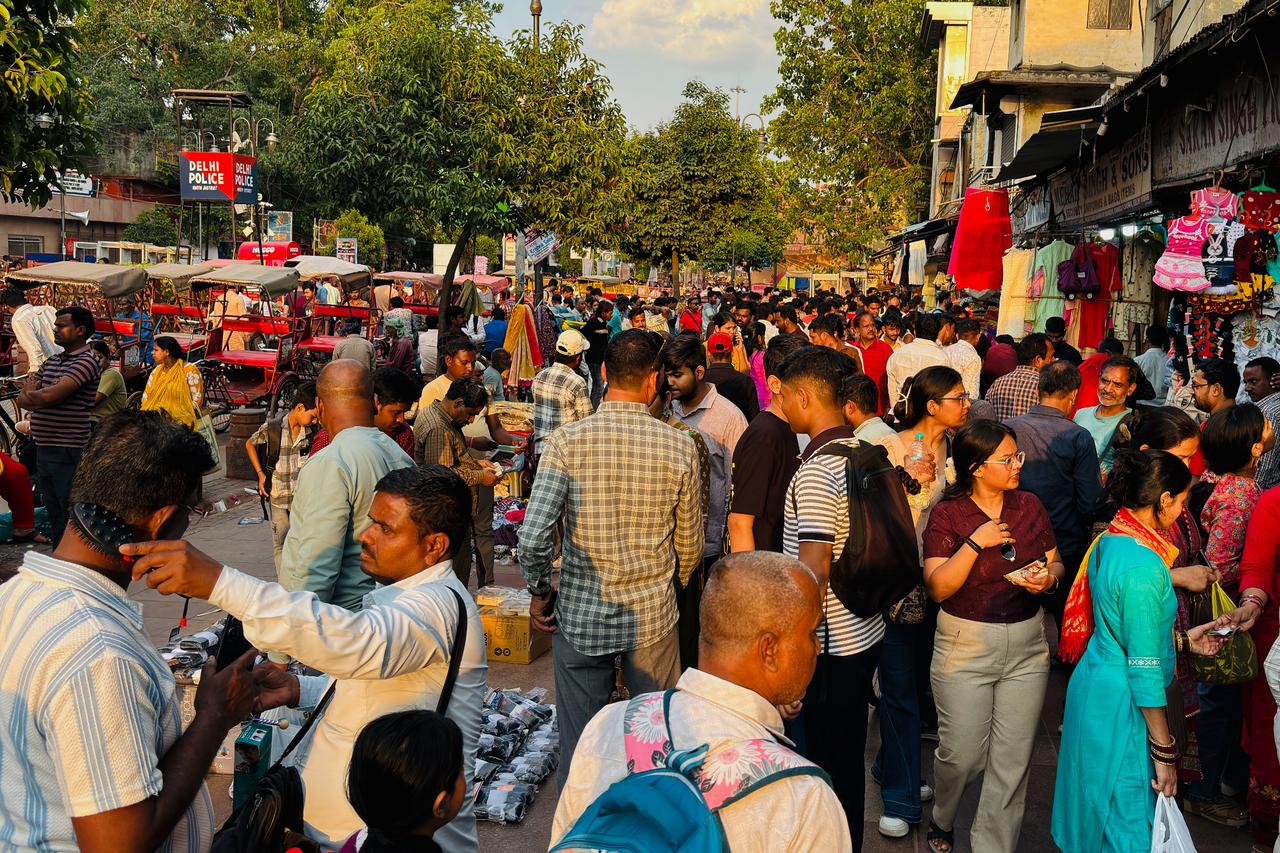


India has begun its first national census in 15 years, an extensive operation expected to take about a year and provide data that will guide public policy for the next decade.
The Ministry of Home Affairs said the count, originally planned for 2021 but postponed due to the COVID-19 pandemic, will deploy over 3 million field workers across the country to register every individual.
The census consists of two phases. The first phase, the Housing Listing and Housing Census, began on April 1 in eight states and union territories. Residents are completing a 33-question survey on housing materials, ownership, household size, access to water and sanitation, fuel type, and marital status. This phase is scheduled to conclude on September 30.
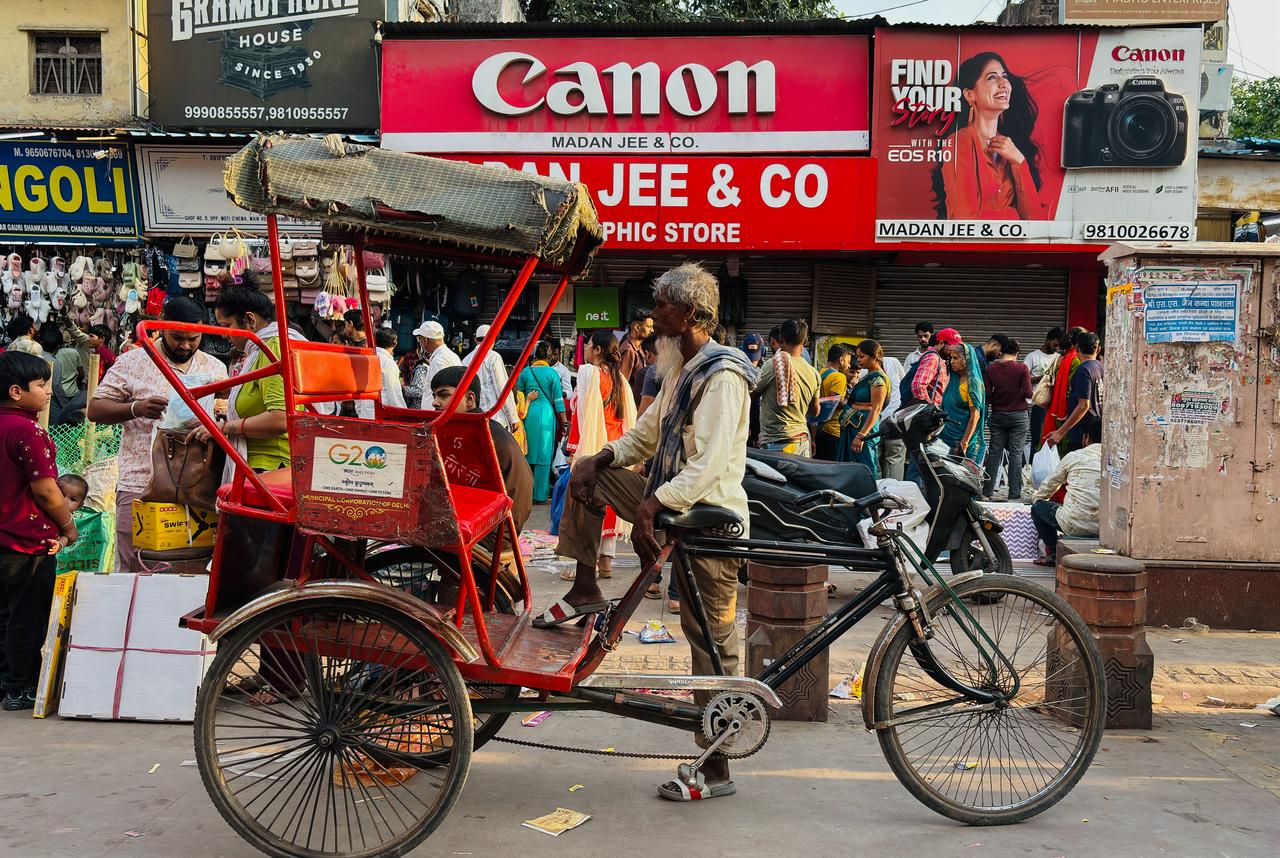

The second phase, Population Enumeration, is scheduled for February 2027 and will last about one month. In snow-covered regions such as Ladakh, Jammu and Kashmir, Uttarakhand, and Himachal Pradesh, this phase will take place in September. The entire census will conclude at midnight on March 1, 2027.
India's Registrar General and Census Commissioner, Shri Mritunjay Kumar Narayan, stated that this will be the first census conducted entirely through digital means. Field workers will use a mobile application that supports 16 languages and can function offline. Citizens may also submit their information through an official online portal.
Narayan noted that digital tools are expected to reduce errors and improve data quality, describing the census as one of the largest administrative exercises globally.
A key addition to the 2027 census is the inclusion of caste data in the second phase. Although caste information has been collected in previous censuses, this is the first time it will be recorded electronically, providing a more comprehensive and organized dataset. The questionnaire also includes new questions on technology use.
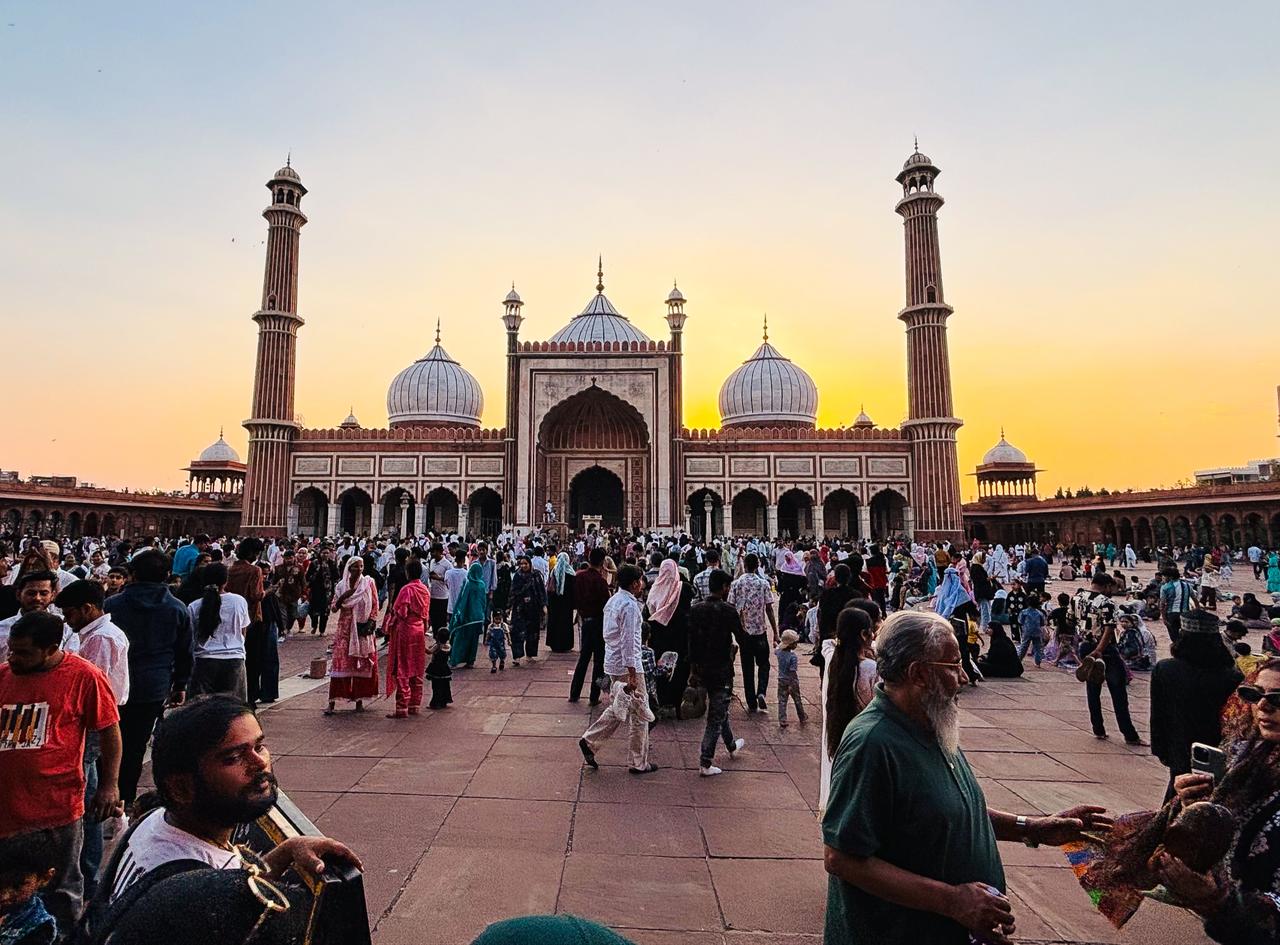
Experts told the Indian press that the census is critical for governance and economic planning. Data from the count is expected to guide resource allocation, infrastructure development, health services, social welfare programs, and education policy.
Researchers and urban planners are expected to use the findings for city planning, disaster management, and academic research.
Analysts noted that the lack of an updated census has forced policymakers to rely on surveys and estimates, with many classifications still based on 2011 data. Experts said this gap has complicated decision-making, especially in rapidly changing regions.
Millions of urban migrants working in the informal economy have not been adequately represented in current systems.
The 2011 census recorded India's population at about 1.21 billion. India became the world's most populous nation in 2023, with current estimates exceeding 1.4 billion.


 Set as preferred source
 Set as preferred source



 2 min read