Newsletters


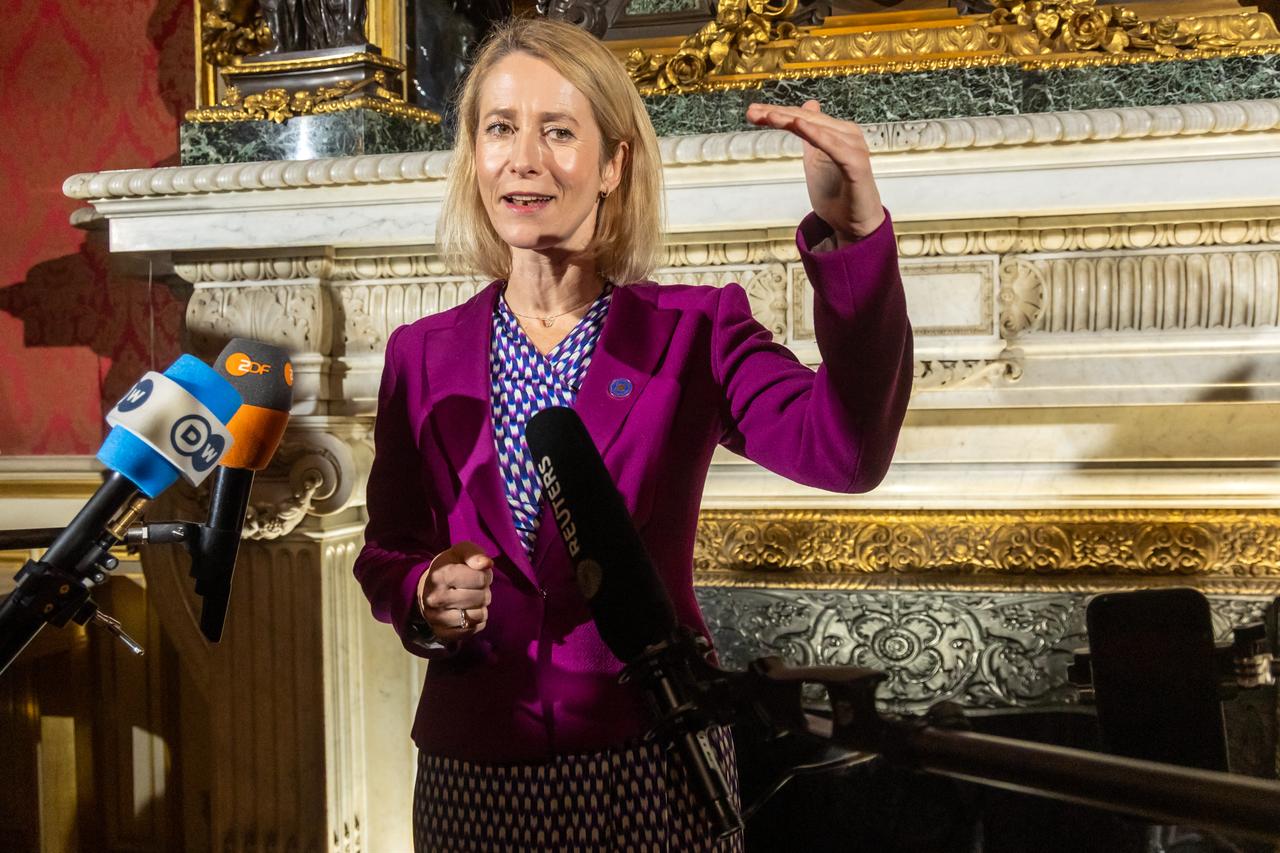


European Union foreign policy chief Kaja Kallas on Monday dismissed Russia's demands in peace negotiations over Ukraine as "absurd," urging European negotiators to press for a ceasefire and avoid making concessions without securing commitments from Moscow.
Speaking to reporters ahead of an EU foreign ministers' meeting in Brussels, Kallas said Russia was repeating demands it first presented before the war in 2021 while adding new conditions.
"This is clearly an excuse to continue the war. We have to be realistic about this," she said.
Kallas said EU foreign ministers would discuss Europe's own list of maximum demands in response to Moscow's proposals, emphasizing that Russia must demonstrate its willingness to comply with existing security agreements.
She pointed to the Helsinki Final Act and the Budapest Memorandum, saying Russia had accepted Europe's security framework but failed to respect its commitments.
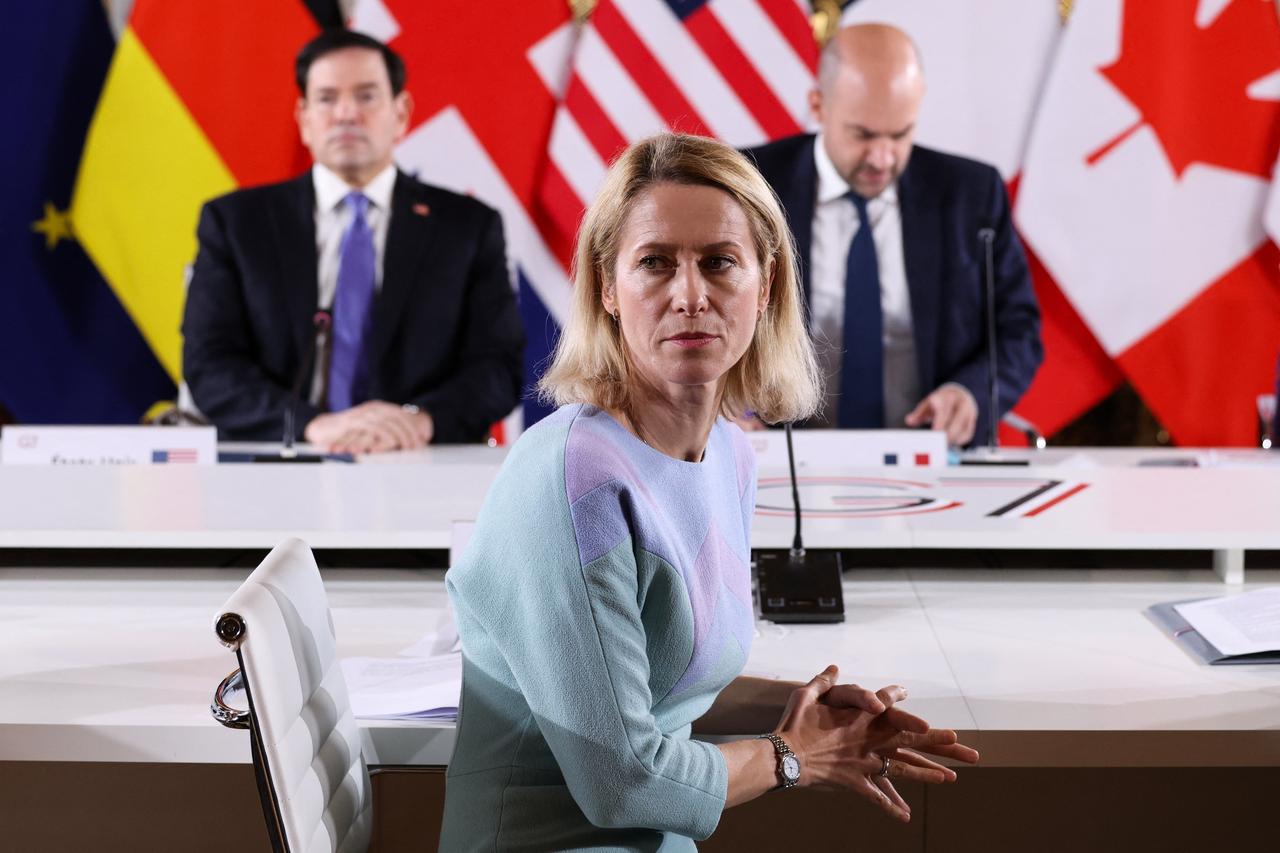

Kallas said the EU's demands include the withdrawal of Russian troops from all other countries where they remain stationed, stressing that none of those countries had attacked Russia.
She accused Moscow of presenting extensive demands, adding further conditions and then withdrawing some to create the appearance of compromise.
Kallas said the EU should use its leverage, including sanctions and frozen Russian assets, rather than make unilateral concessions.
"I hope we do not take any steps without getting anything in return," she said.
She stressed that a ceasefire must come before broader peace negotiations and that any agreement should prevent Russia from launching another attack.
"Stop killing Ukrainians, stop attacking civilian infrastructure, put an end to this. Then we can sit down and negotiate a peace agreement," Kallas said.
Kallas said EU leaders had agreed on Europe's representation in negotiations during an informal summit in Dublin on Nov. 13, after U.S. officials indicated that Europeans would participate in the next round.
The negotiating team will include representatives from the EU Council, the European Commission and the E5 group comprising Germany, France, Poland, Italy and the United Kingdom.
Kallas emphasized that the substance of negotiations was more important than the delegation's composition, saying Europe must insist on both an immediate ceasefire and a lasting peace agreement.
She said EU foreign ministers and Russia specialists within the European External Action Service would continue developing the bloc's negotiating positions.
The discussions follow U.S.-mediated talks between Russian and Ukrainian delegations in Abu Dhabi last week, where efforts to end the war and future security arrangements were discussed.
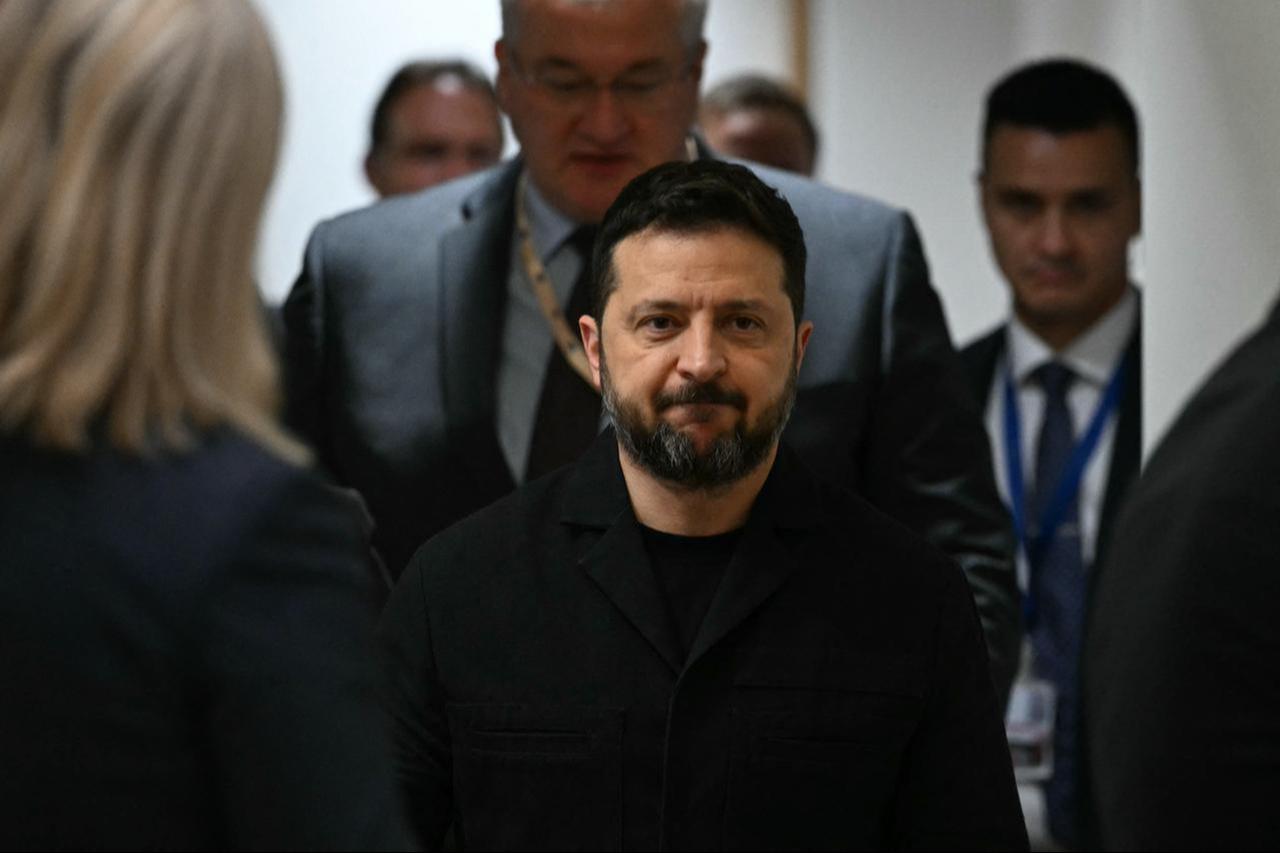
Kallas said EU foreign ministers would also meet counterparts from Central Asia, the Black Sea region and the South Caucasus to discuss security and connectivity.
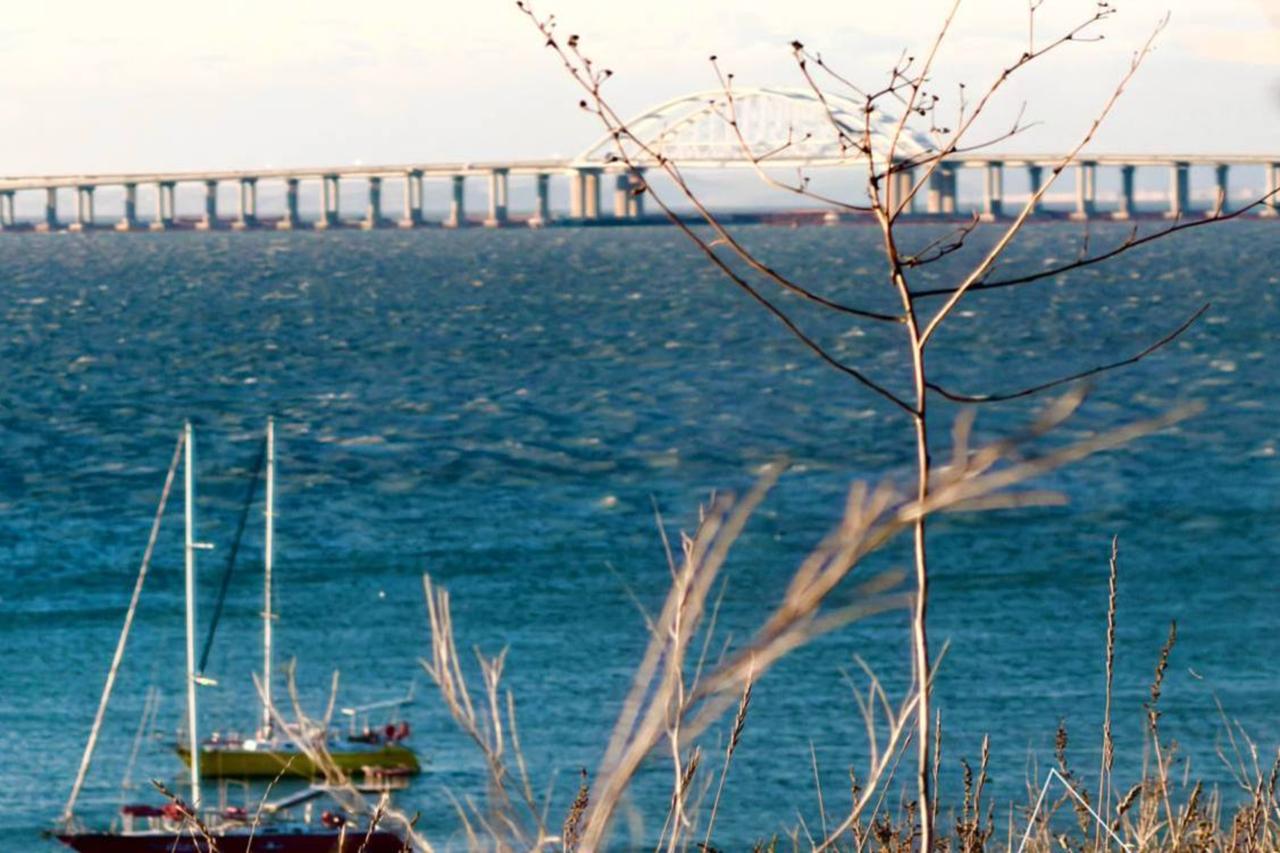
She highlighted the importance of the discussions following attacks in the Black Sea over the weekend.
The meetings will address efforts to diversify energy sources, trade routes and supply chains, as well as additional steps countries could take together.
Kallas also announced that a conference on demining operations in Ukraine would follow the ministerial meeting, with lessons and expertise from those efforts potentially supporting mine clearance in other parts of the world.


 Set as preferred source
 Set as preferred source


 2 min read
 1 min read