Newsletters


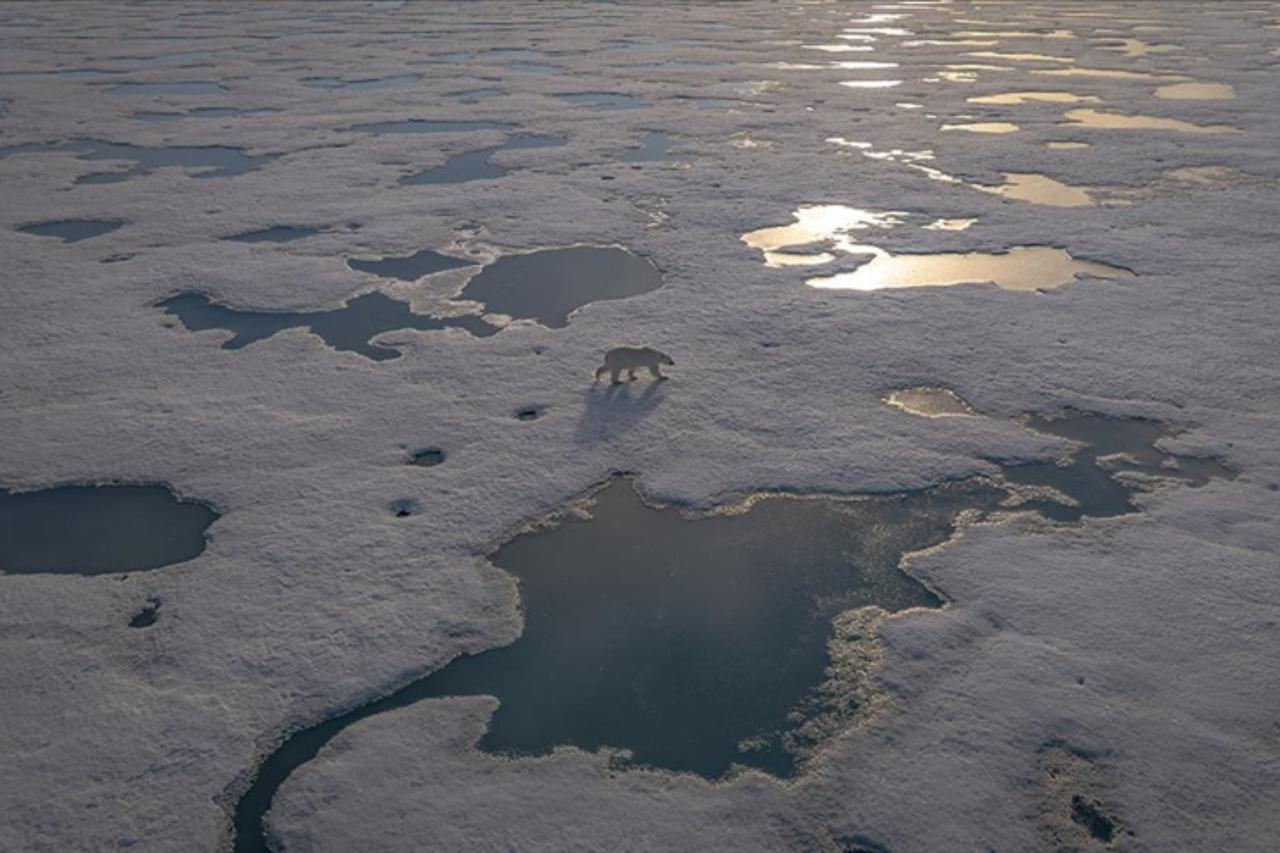


Increasingly frequent “extreme melting” events in the Arctic are driving ice loss far beyond historical norms. Scientists warn that the rapid declineof sea ice and glaciers is not only reshaping polar ecosystems but also accelerating sea-level rise and disrupting global weather patterns.
The Arctic is warming faster than the global average, with recent years marked by a rise in short-term but intense melting events. These episodes occur when temperatures remain well above historical norms for extended periods, leading to rapid ice loss across large areas. Satellite records indicate that such events are becoming more common during the summer months.
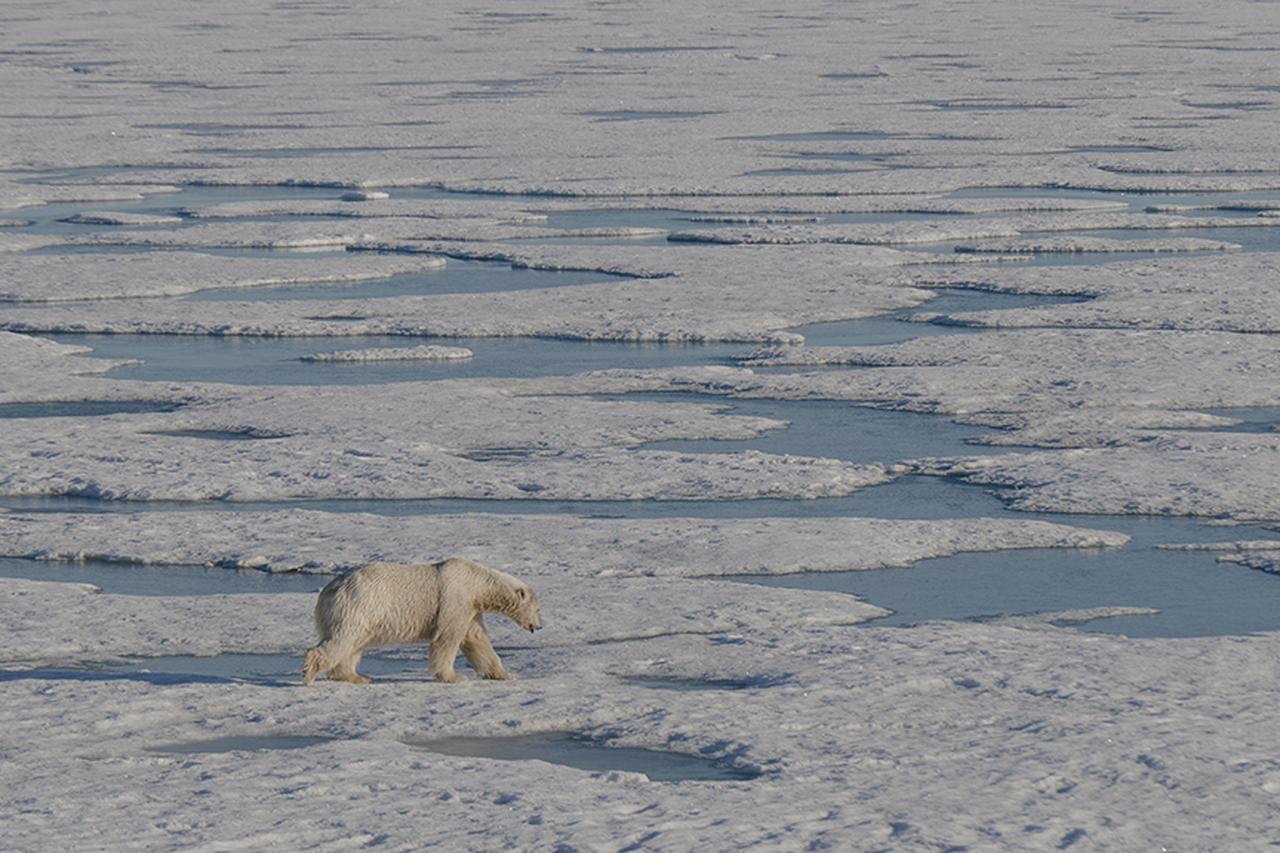

Scientists use the term “extreme melting” to describe periods of unusually high temperatures that cause widespread and rapid ice melt. During these events, melting can extend beyond surface layers, affecting the internal structure of ice sheets. Observations from Greenland show that meltwater can penetrate deeper into ice formations, contributing to accelerated ice movement.
Long-term satellite measurements from NASA and the European Space Agency show a sustained decline in Arctic sea ice extent over the past four decades. Thick, multi-year ice has increasingly been replaced by thinner seasonal ice, which is more vulnerable to melting. Several recent seasons recorded sea ice extents among the lowest observed since satellite monitoring began.
The effects of accelerated Arctic melting extend far beyond the polar region. The loss of land-based ice, particularly from Greenland, contributes directly to global sea-level rise. Researchers warn that continued melting could significantly increase coastal flooding risks for low-lying cities worldwide.
At the same time, Arctic warming is altering atmospheric circulation. As the temperature difference between the Arctic and mid-latitudes narrows, jet streams weaken and become more erratic. This shift has been linked to prolonged heatwaves, severe cold spells, floods, and droughts across the Northern Hemisphere.
Extreme melting is placing intense strain on Arctic ecosystems. Species that depend on sea ice—such as polar bears, seals, and certain seabirds—are losing critical habitat. Earlier ice breakup disrupts hunting and breeding cycles, increasing survival risks.
Melting glaciers also release large volumes of freshwater into the ocean, altering salinity levels. These changes affect marine food chains, from plankton to fish, with potential consequences for biodiversity across the Arctic region.
Climate researchers caution that the increasing frequency of extreme melting events could push the Arctic past critical tipping points. Once crossed, ice loss may continue even if greenhouse gas emissions are reduced, driven by internal feedback mechanisms within the climate system.
Many scientists stress that rapid cuts in fossil fuel use and greenhouse gas emissions are essential to slow the process. Without decisive action, the Arctic could experience nearly ice-free summers within decades—a scenario that would have profound global consequences.


 Set as preferred source
 Set as preferred source


 3 min read