Newsletters


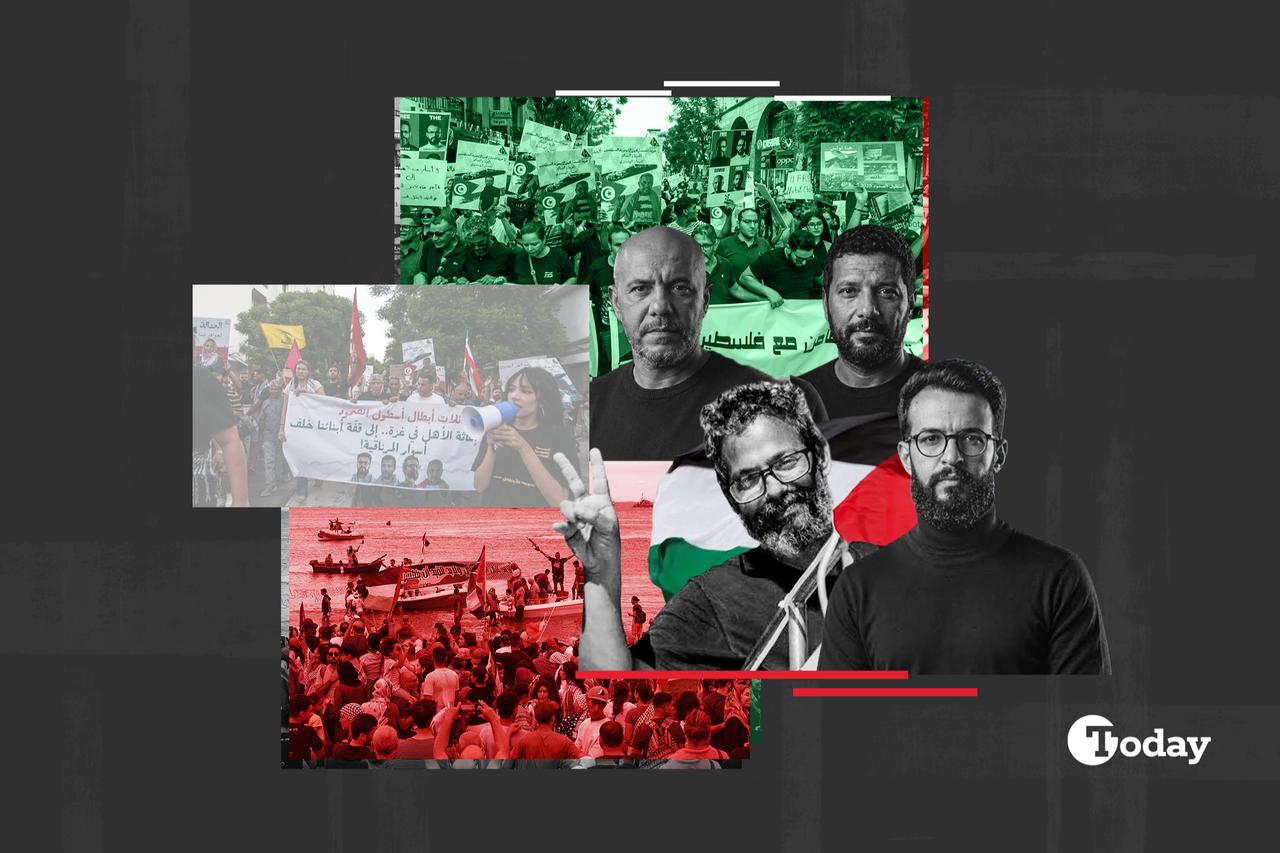


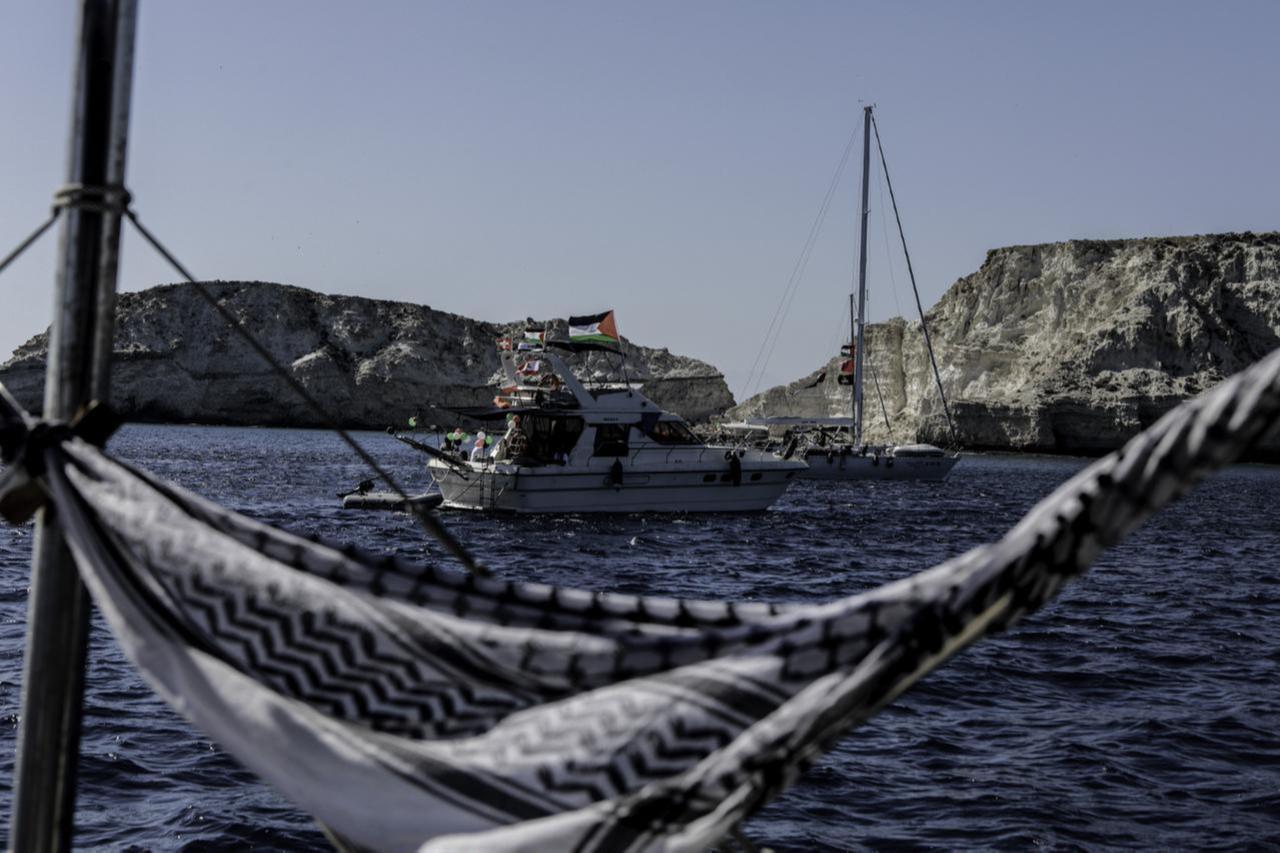
The Global Sumud Flotilla, a humanitarian convoy, set out in 2025 to sail to Gaza with aid. While anchored in Tunisia’s port of Sidi Bou Said, two drones hit it. Israel later intercepted it, seized its boats, and deported the activists on board.
This March, Tunisian authorities arrested four pro-Palestinian activists who had helped organize the Tunisian side of the mission, accusing them of money laundering and misusing funds raised for it.
The flotilla has condemned the arrests and called for their release. All four detainees, Wael Naouar, Ghassen Boughdiri, Nabil Channoufi, and Ghassen Henchiri, went on hunger strike, which reportedly reached 40 days. Lawyers said Naouar’s condition was critical.
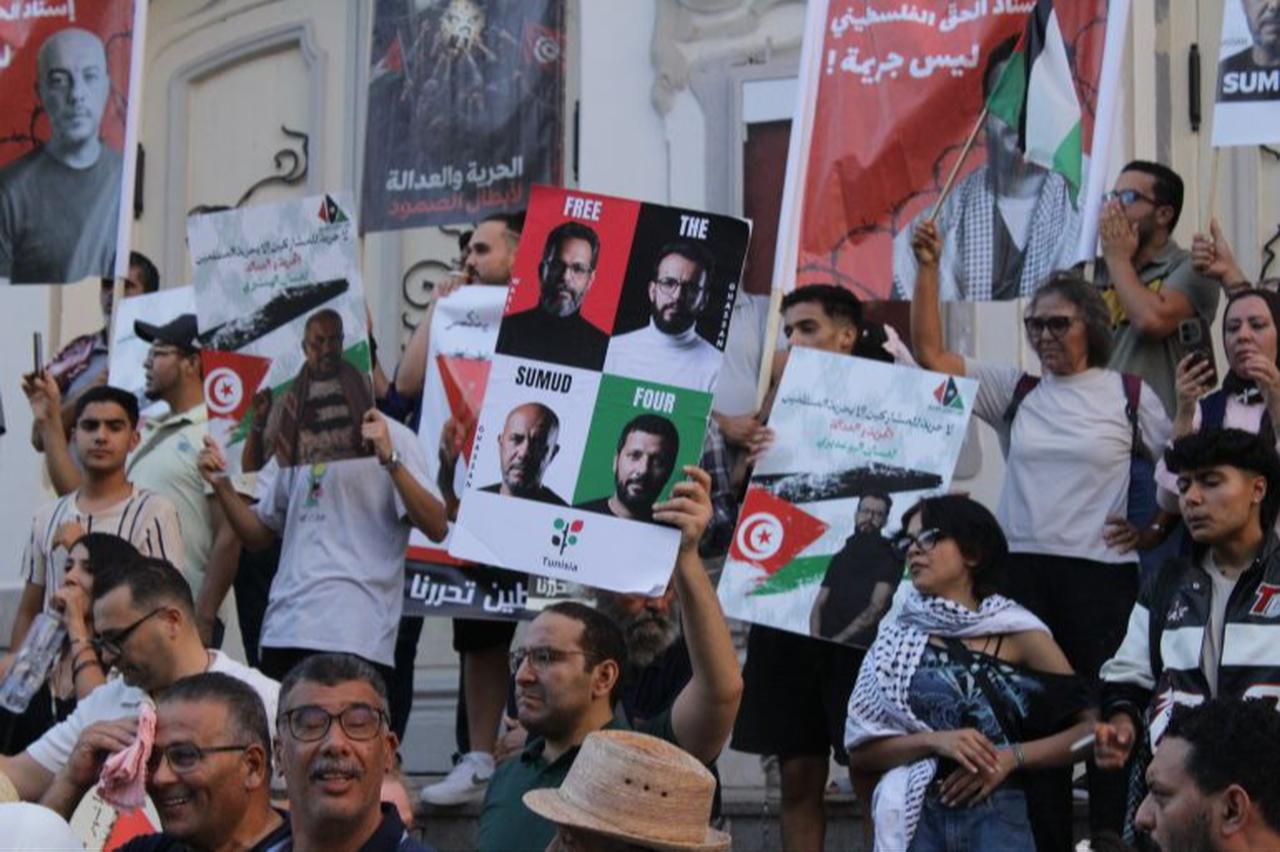

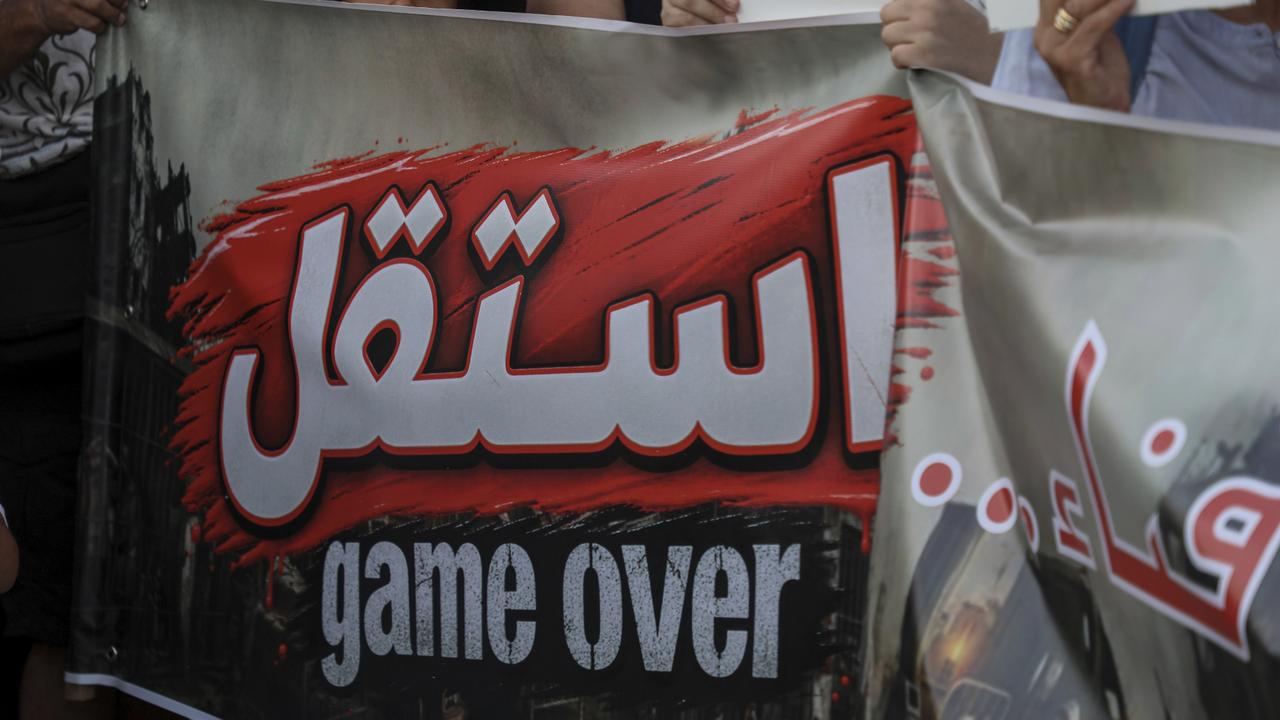
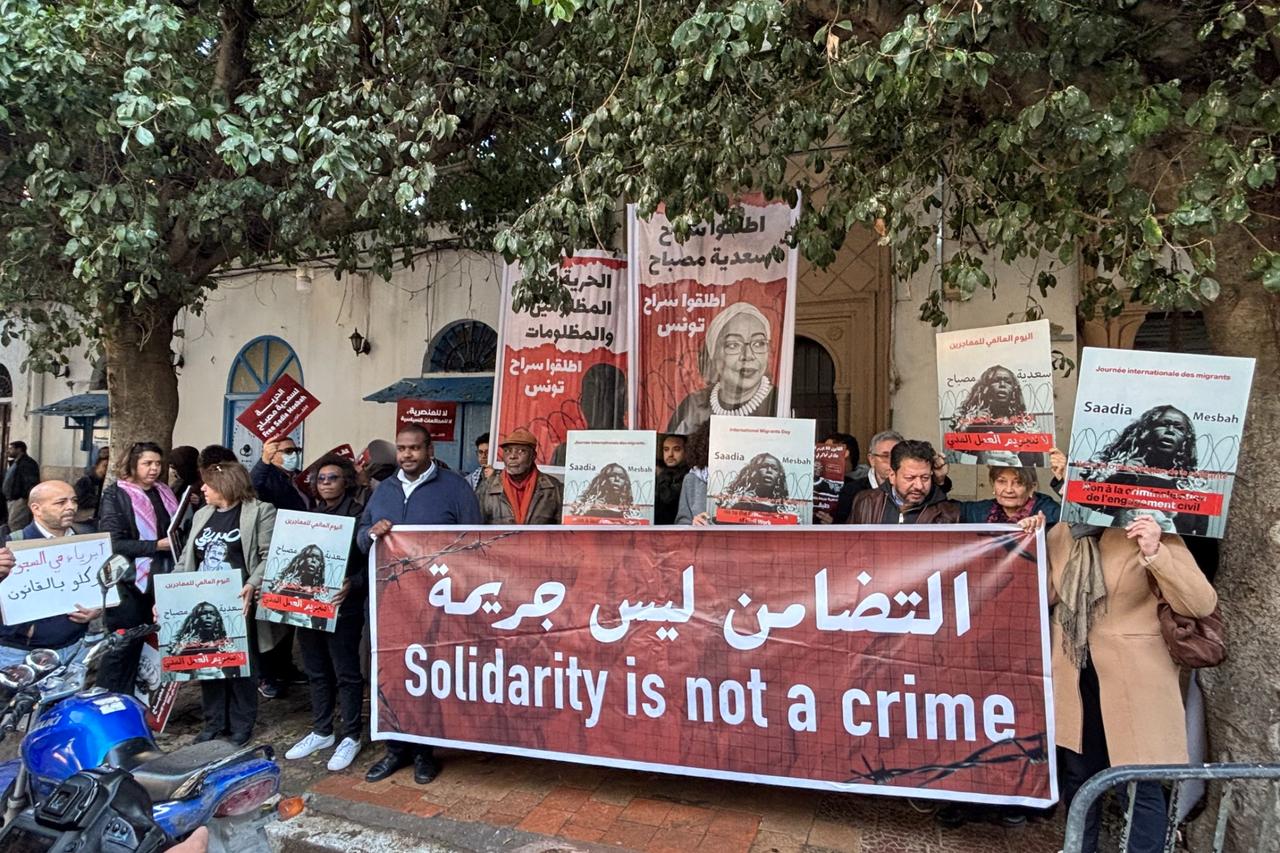
The arrests set off a series of street protests in Tunis, followed by a second wave of arrests of the people who attended them. Two people close to the movement described what has changed.
Balkis, a student and civil society member who attended one of the rallies and spoke on the condition that only her first name be used, said there were around 10 to 12 protests in all. Turnout grew from one to the next, she said, and more people took to the streets once the hunger strikes began. Protesters often say there are more police than demonstrators, she added.
The most recent protest ended without dramatic scenes. The arrests came afterward, not during the march. A 17-year-old student was taken from his home by three police cars. A family of four was also detained: police came for the parents but reportedly took the two children to the station as well. The children were released afterward. An activist named Hadhemi was taken from the cafe beneath her home.
Lawyers and activists cited in earlier reports put the number of people detained after a Saturday demonstration at between 11 and at least 13. The authorities had not confirmed the arrests.
Sarra, an activist involved in the flotilla’s organization in Tunisia, who asked to be identified only by her first name, believes the timing was deliberate. The arrests happened about two weeks before Oct. 7, she said, and she thinks the government targeted some of the most active people in the Palestine movement to avoid problems on the anniversary. She pointed to the releases as support: most detainees, including Hadhemi and another detainee, Munir, were freed the day after Oct. 7.
Both women said fear has spread. Sarra said “it is visible in people’s eyes” and that “people are less encouraged to protest.”
“Activists used to know what could get them arrested,” she said, “but no longer do.”
For Balkis, the fear is personal. The activist in her still believes everyone should be out defending what is right and fair, she said, but the student in her is reluctant, afraid for herself and unwilling to bring sorrow to her family.
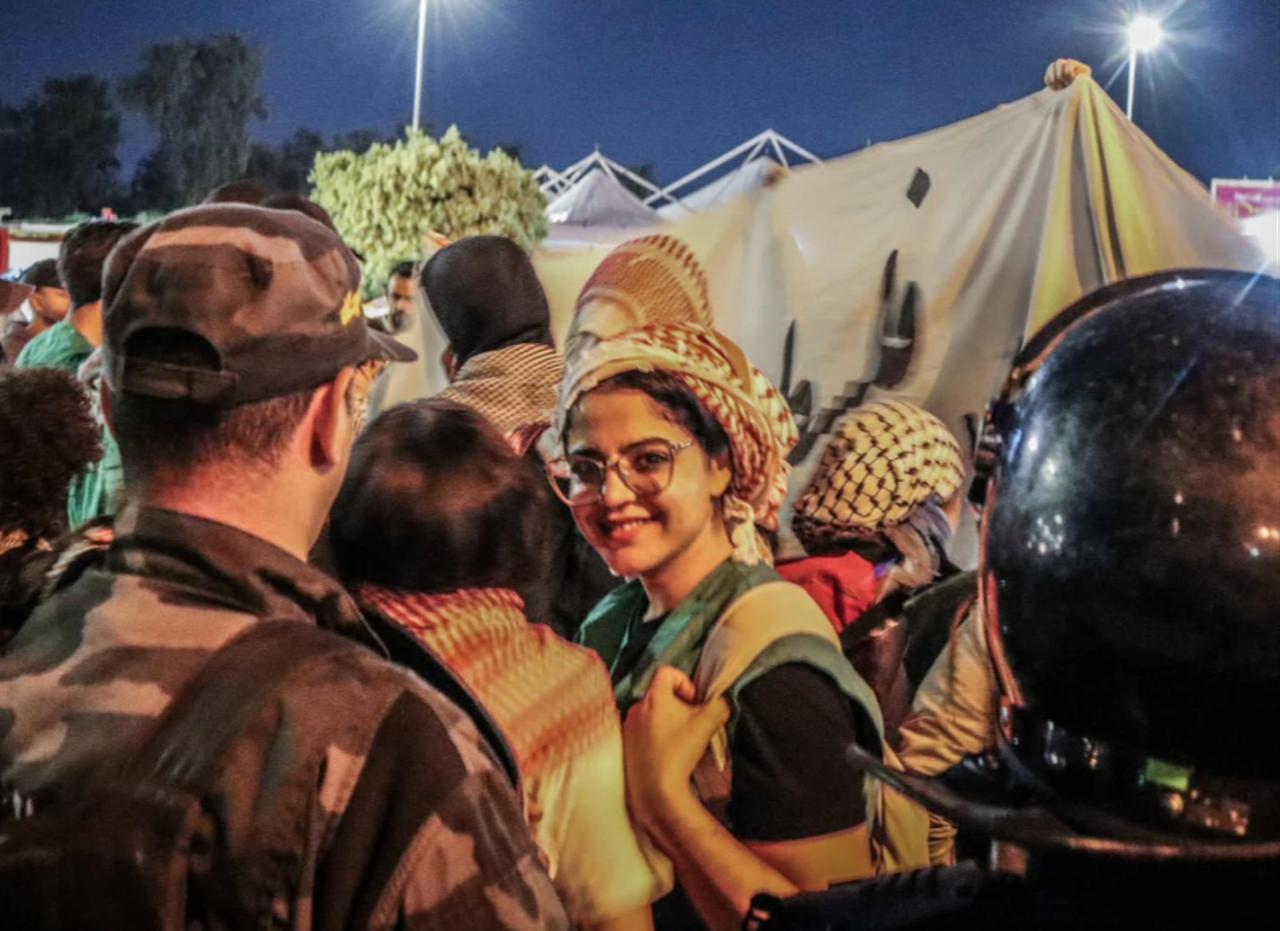
Sarra said many Tunisians trusted the government on Palestine, especially because the president’s focal campaign point was opposing normalization with Israel. People believed the state backed the Sumud flotilla and the convoy before that. Looking back, she said, the government was not supportive, only not against.
Seeing organizers accused of theft, she said, has left many people feeling betrayed by a government they had trusted on this issue. “Calling these people thieves is the worst thing you can say to an activist,” she said. “But this is not a special case; it is one piece of a wider system trying to eradicate the Palestinian liberation movement.”
The contrast with last year weighs on her. On Oct. 7 last year, she was thinking about how to liberate Palestine. This year, she said, she was wondering whether her friends in prison were well and whether they would be released.
She said she has not lost hope. “All movements have ups and downs. We are now deep down, but I believe in the inevitability of going up again. You know, Rome has fallen.”


 Set as preferred source
 Set as preferred source


 1 min read
 1 min read