Newsletters


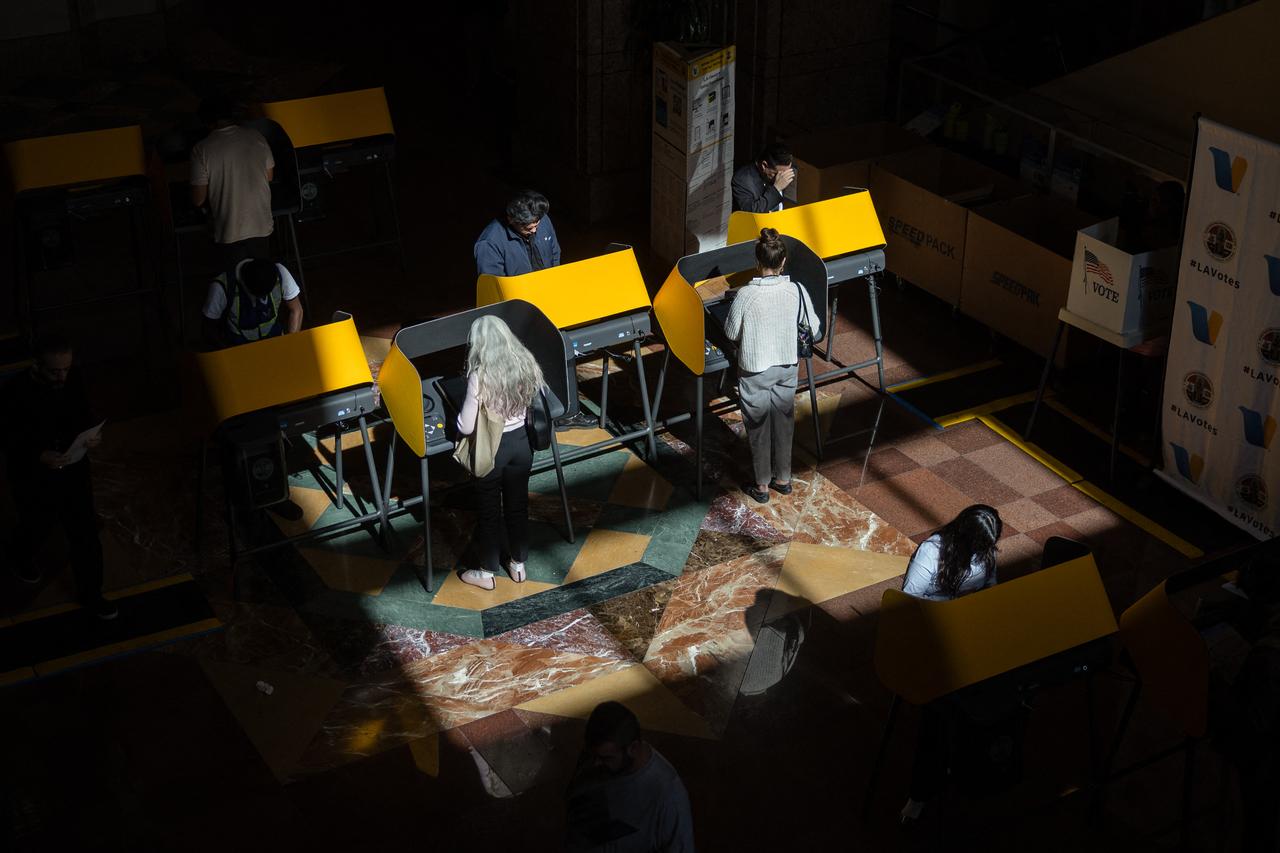


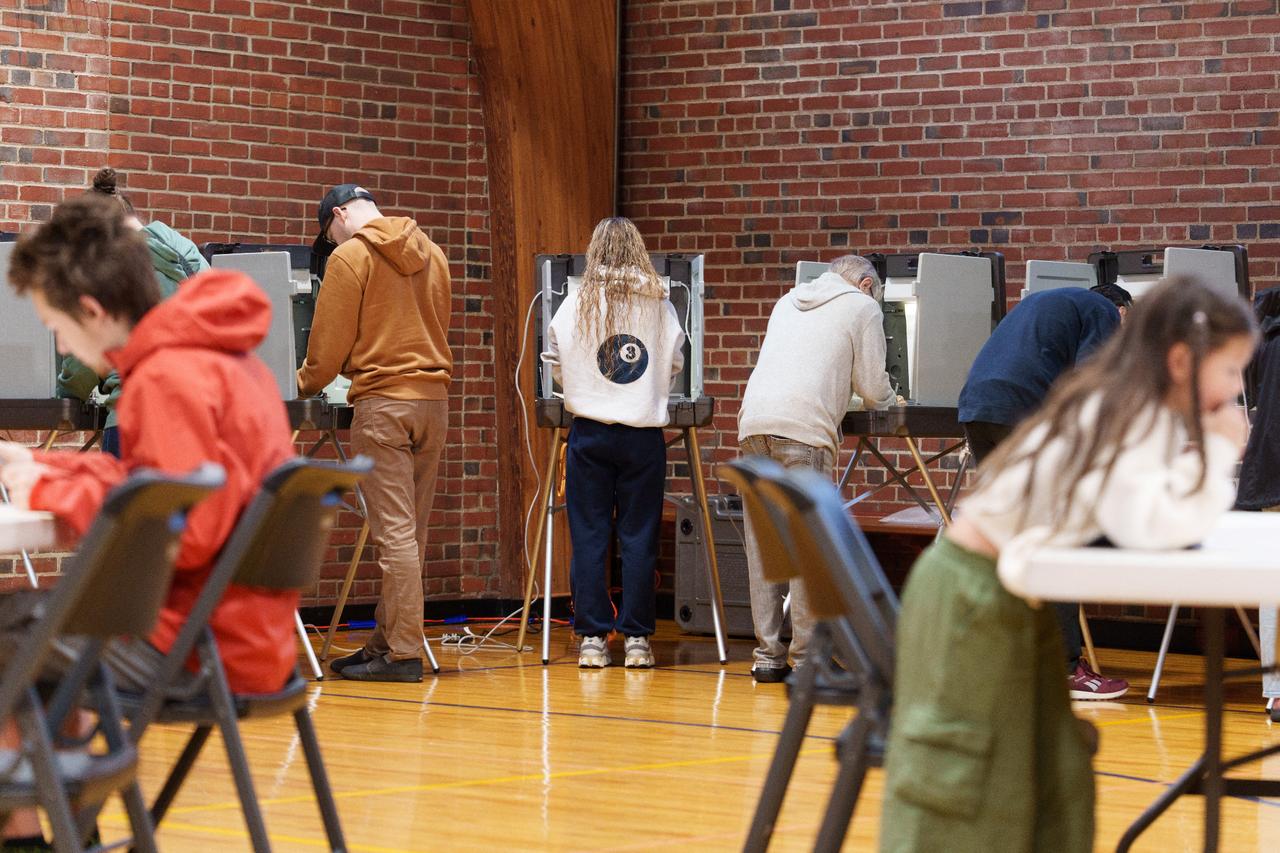
Polls closed Tuesday evening in the eastern parts of Indiana and Kentucky, the first of the night, starting the counting and reporting of votes in U.S. midterm elections that will decide control of Congress.
Both states straddle time zones, so voting ends in two stages. Polls in their eastern portions closed at 6 p.m. Eastern time, and the rest of each state closes an hour later, at 7 p.m. They are followed by Georgia, South Carolina, Vermont and Virginia, which also close at 7 p.m. Polling places in the final states stay open until 1 a.m. Eastern in most of Alaska. No results had been reported when polls first closed.
All 435 House seats, 35 Senate seats and 36 governorships are on the ballot. The outcome could shape how effectively President Donald Trump can pursue his agenda in the second half of his second term.
Republicans currently hold 218 House seats, plus an independent who normally votes with them. Democrats hold 214, and two seats are vacant. In the Senate, Republicans hold a 53-47 majority. CBS News’s Battleground Tracker estimated on Oct. 25 that Democrats were on track to win 229 House seats. Its range ran from 215 to 237, which leaves Republicans a path to a narrow majority.
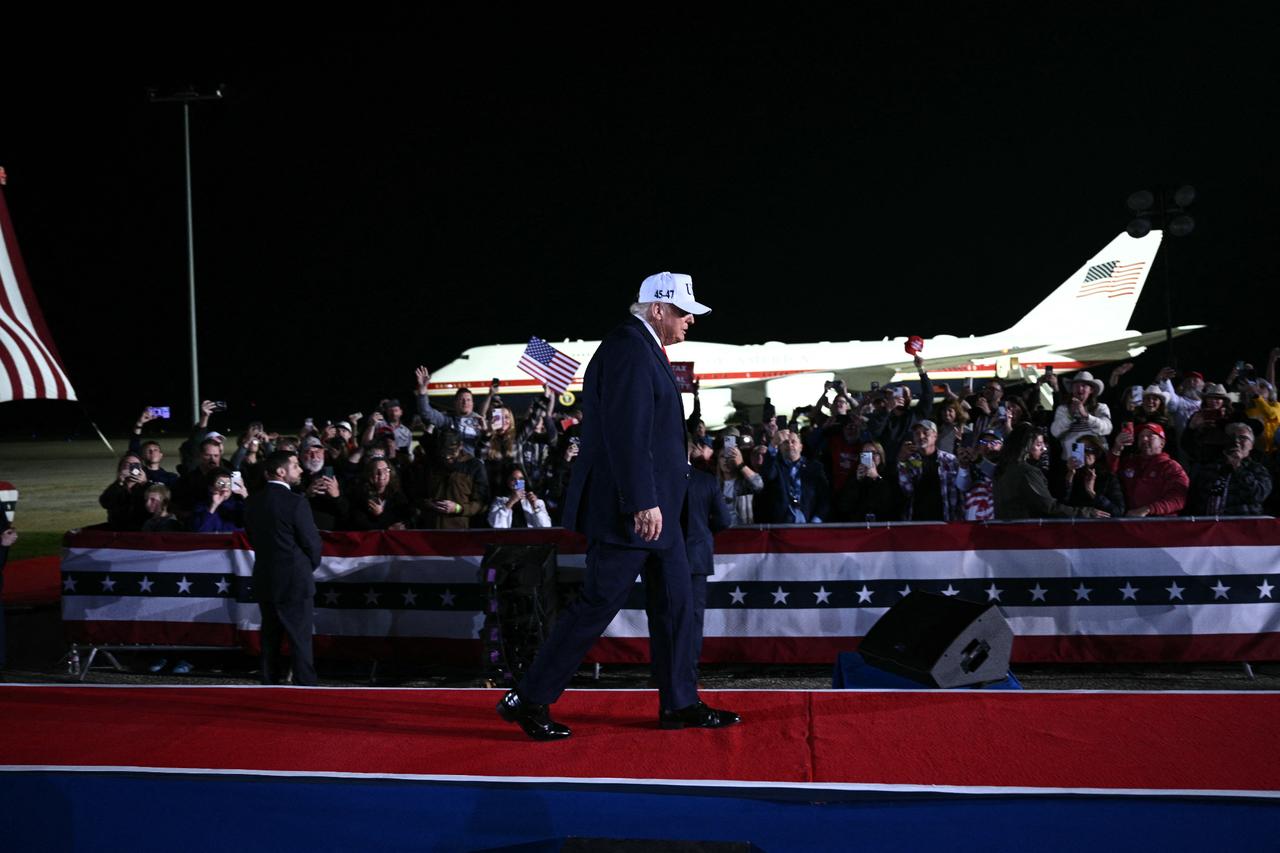
Speaking Monday in Washington, Trump said Republicans had given the midterms “a very strong shot.” He also acknowledged that “the sitting president doesn’t win the midterms.”
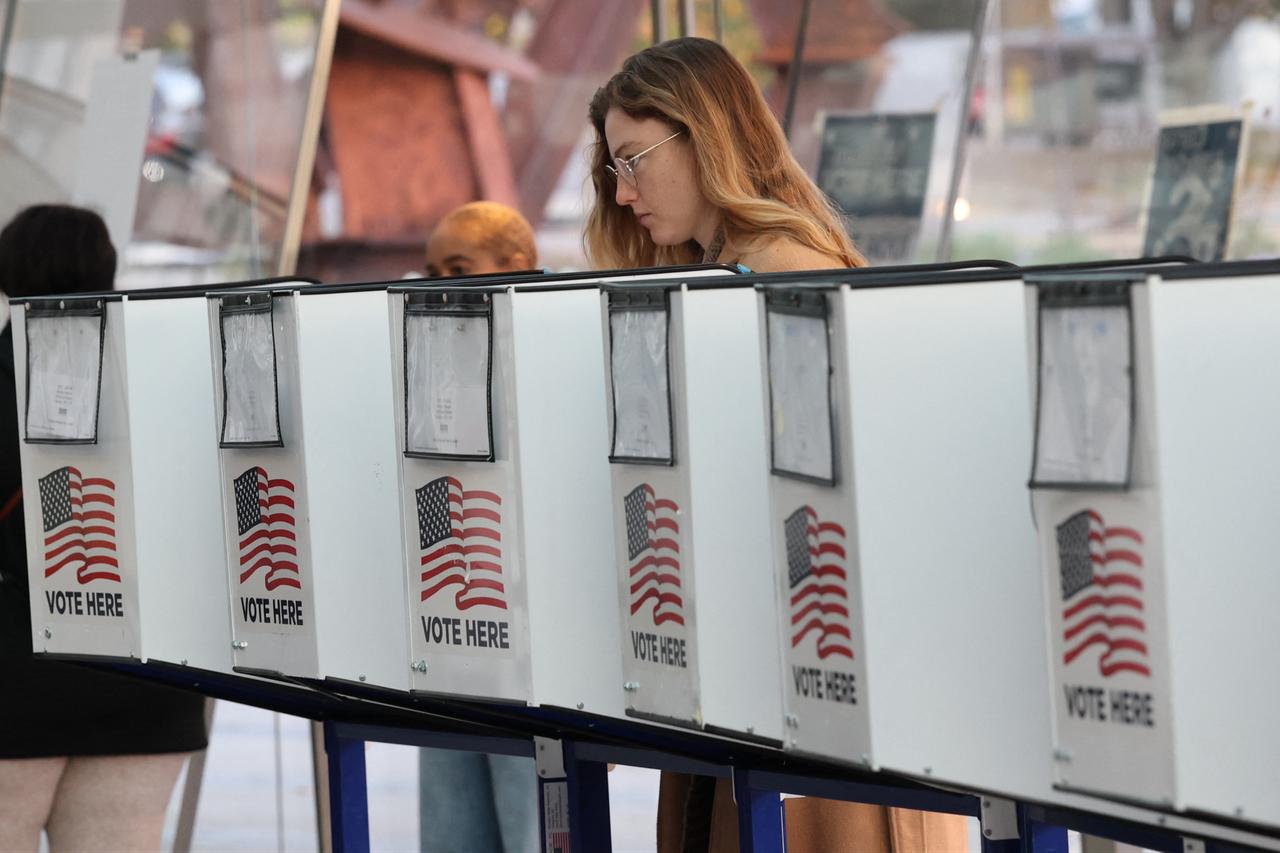
More than 57 million Americans had voted early before Election Day, according to the University of Florida’s election research lab. The race is also on track to be the costliest midterm on record. OpenSecrets projects about $12 billion in spending across the 2025-2026 cycle, and AdImpact, which counts governor’s races, also found it to be the most expensive cycle on record.
CBS News identified 11 key Senate contests. Eight seats are held by Republicans, in Alaska, Iowa, Kansas, Maine, North Carolina, Ohio, South Carolina and Texas. Democrats hold three, in Georgia, Michigan and New Hampshire.
In Texas, polls show a tight Senate race between Democrat James Talarico and Republican Ken Paxton. Democratic strategist Chuck Rocha predicted “a Hispanic hurricane coming” in the state, while Daniel Garza, president of the conservative LIBRE Initiative, said most voters “couldn’t tell you what the Democrat plan is for bringing down prices.”
In Maine, Sen. Susan Collins faces Democrat Troy Jackson. Voter Norm Belanger told CBS News Boston that Jackson “doesn’t excite me” but is “the best choice of the two.”
In Iowa’s open Senate race, Republican Rep. Ashley Hinson faces Democrat Josh Turek. Hinson said Turek is “too liberal for Iowa.”
The Supreme Court on Monday also rejected a Trump administration request that would have required California to separate mail ballots from those of thousands of people the administration claimed were “likely” not citizens.


 Set as preferred source
 Set as preferred source


 1 min read

 1 min read