Sign in
 Newsletters


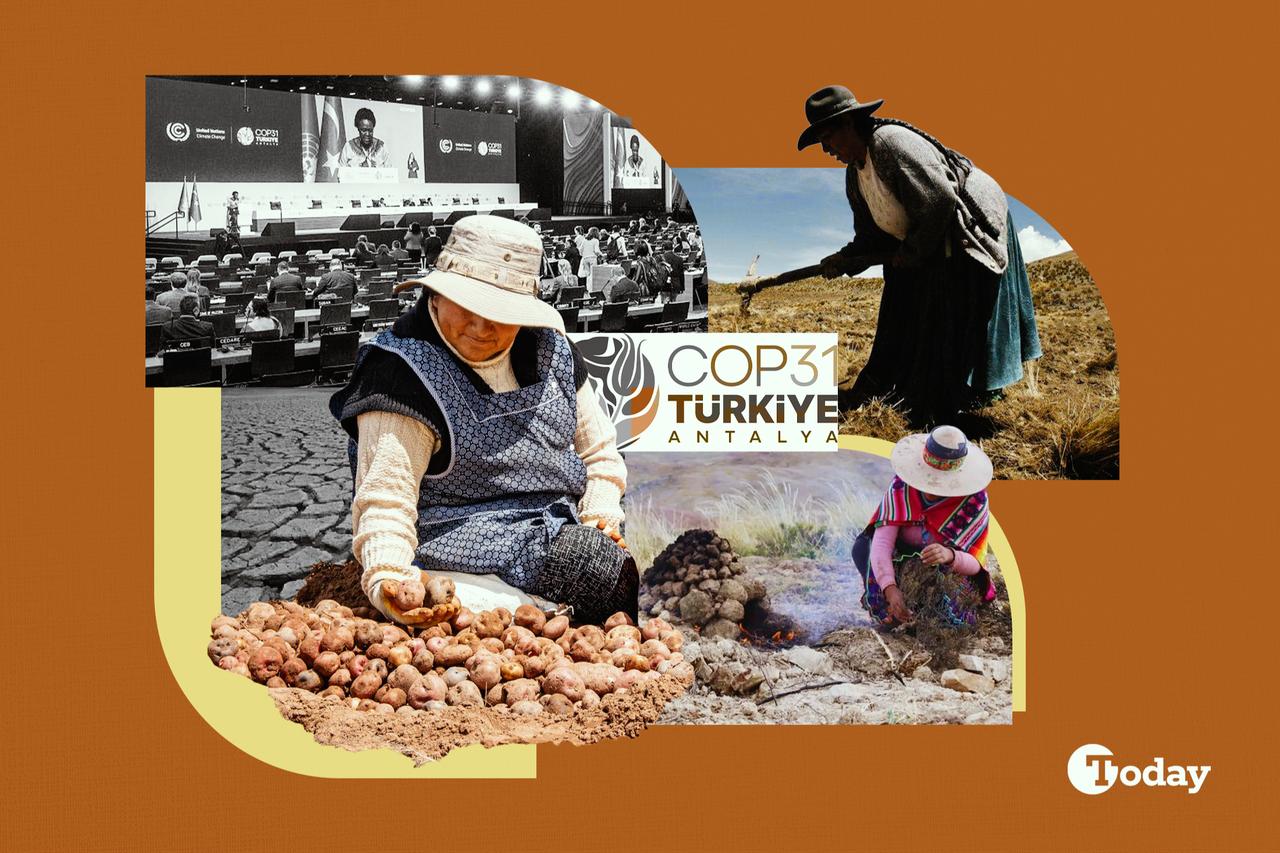


Potatoes used to be plentiful in Bolivia’s Andean highlands. Thousands of miles from Türkiye’s Antalya, host of this year’s COP31, lies this high-altitude mountain range in South America where families didn’t grow potatoes just to eat. They grew them to survive.
They used to trade the vegetables in a tradition passed down through generations. But the recent unprecedented hailstorms, droughts and frosts battered not just the potato crops but also the survival kit of many Bolivians now living on the edge.
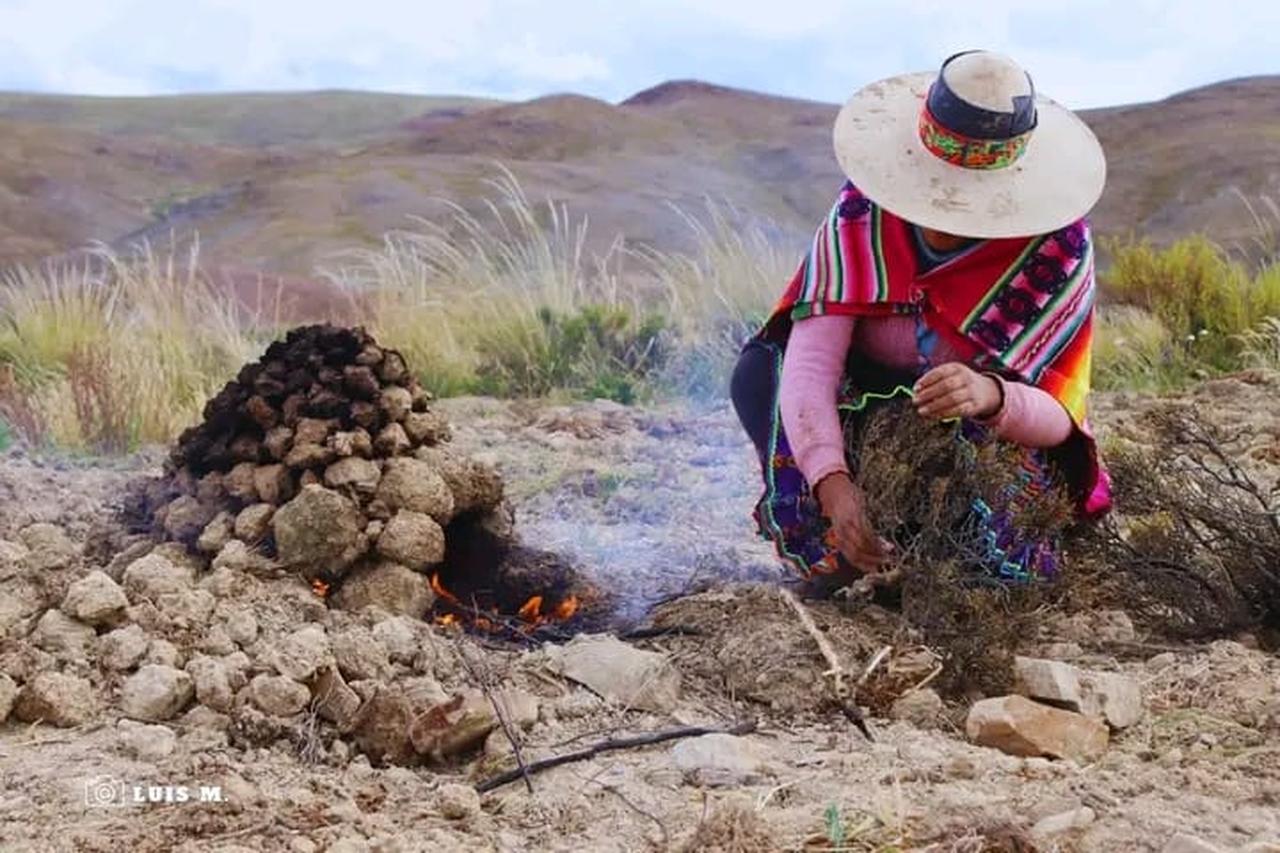

The Bolivian Altiplano has always been a brutal place to grow food. Thin air, ruthless sun and frozen nights. So, farmers there didn’t wait for global conferences to hash out a survival plan. They bred it into the ground.
Over generations, they cultivated potatoes built for some punishment. The first one is Luki, the local heavyweight, tough enough to shrug off frost, drought, hail and pests. Ajanhuiri is another high-altitude survivor. Kaisalla and Choquepitu are the old Andean varieties that farmers swear by when the weather turns vicious and the soil forgives no mistakes.
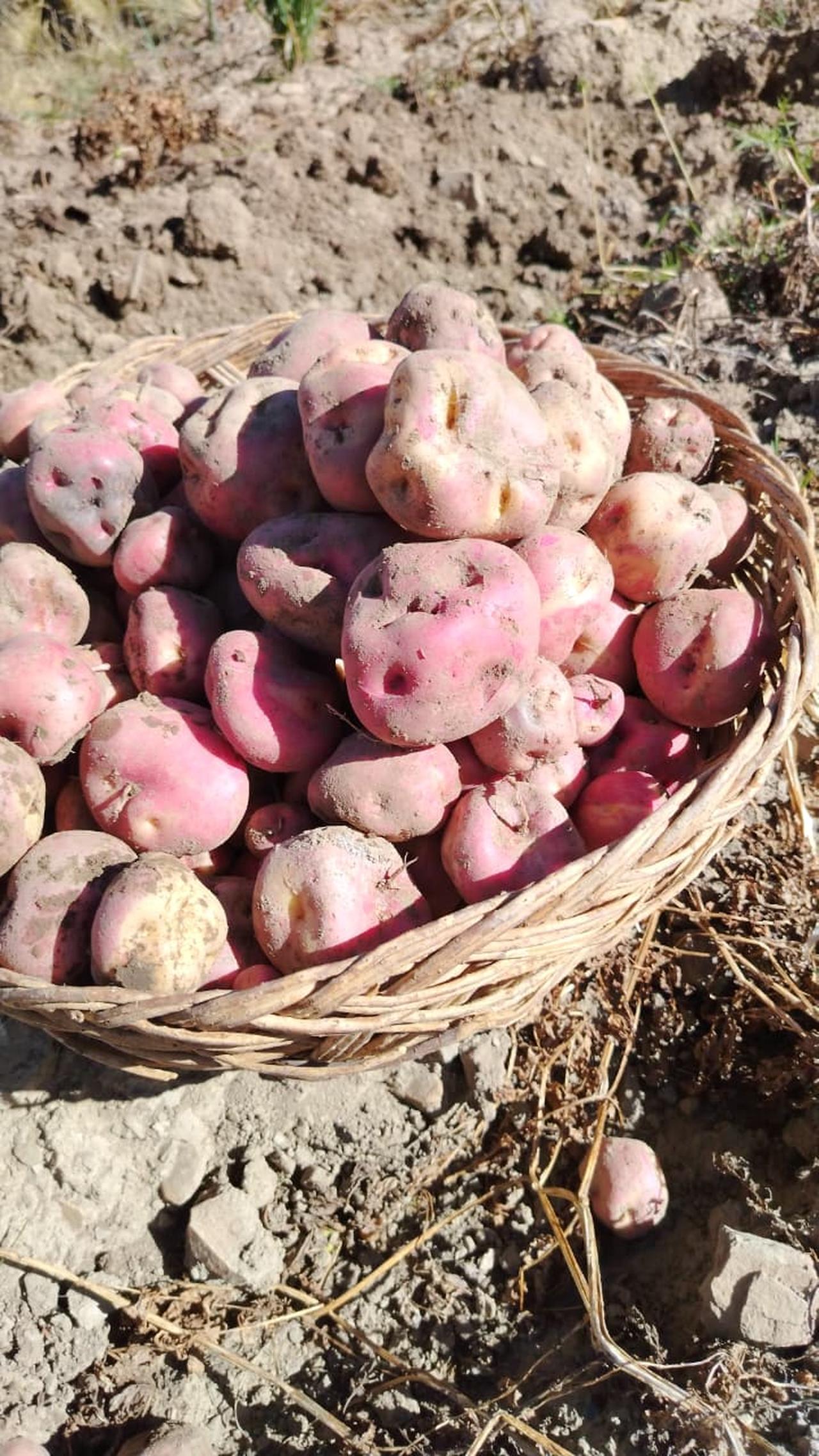
These are potatoes with a memory of chilly nights, thin soil and several bad years of drastic climate change. Elsa Ignacio, a young activist from the Challa Indigenous Territory in Bolivia’s Cochabamba, grew up inside that survival plan. She watched her favorite dish, Chuno Phuti, gradually disappear from her dinner spread. The regional staple is made from freeze-dried mountain potatoes (chuno) that are soaked, boiled, and pan-fried with eggs, onions, and melted white cheese.
Once a mainstay of her meals, it is now a treat she only gets to relish on special occasions. Even then, it is mostly store-bought and tastes nothing like her grandmother's cooking, rich with moist texture and deep, nutty flavor.
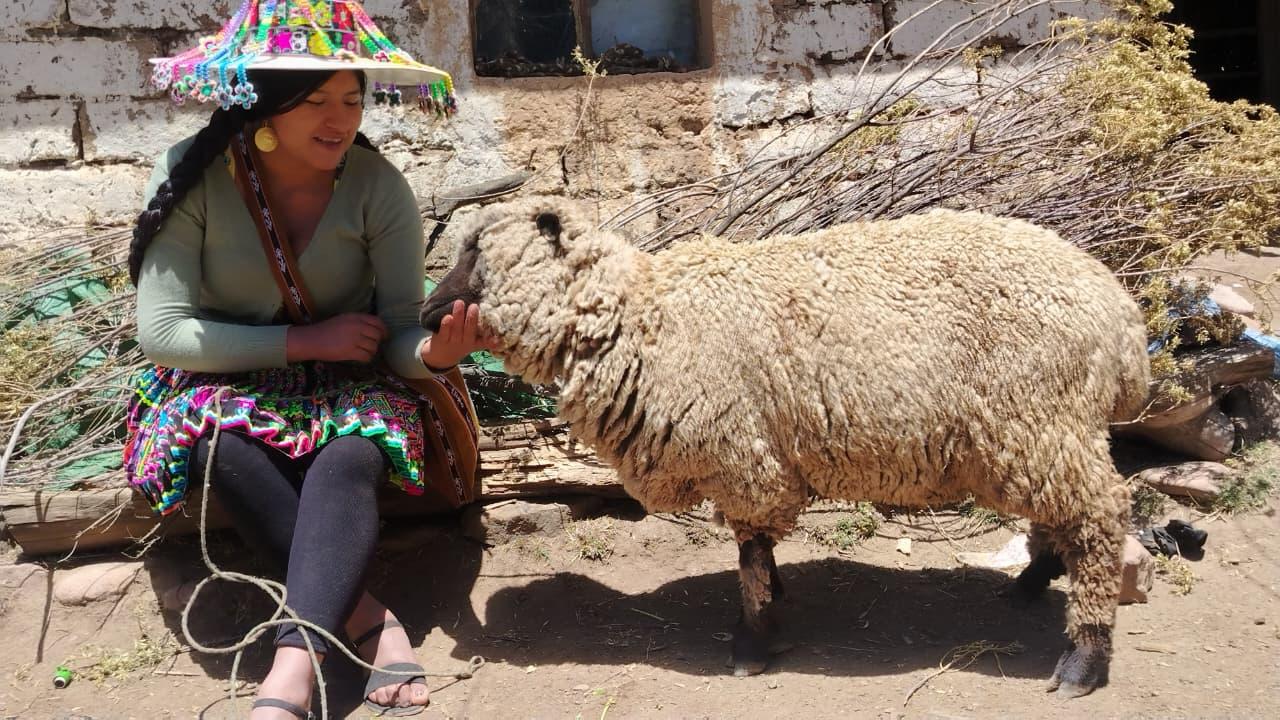
Back at COP 31, Ignacio sits in the fancy plenary room, washed in cold overhead light alongside other participants from various tribes and indigenous communities. They fumble with headsets. She scratches her head to find the exact words to explain her potato ordeal. After all, it’s the perfect example to explain how her region reels from the worst fallout of the climate crisis.
Ignacio remembers a very different relationship with the land where her people grow potatoes. Before she became her community's representative at a United Nations climate conference where she found herself lost in languages that were all Greek to her, she was a girl from Challa. There, the harvest helped determine whether a family could send their kid to school the next year.
Today, that harvest is increasingly uncertain because of the changing weather.
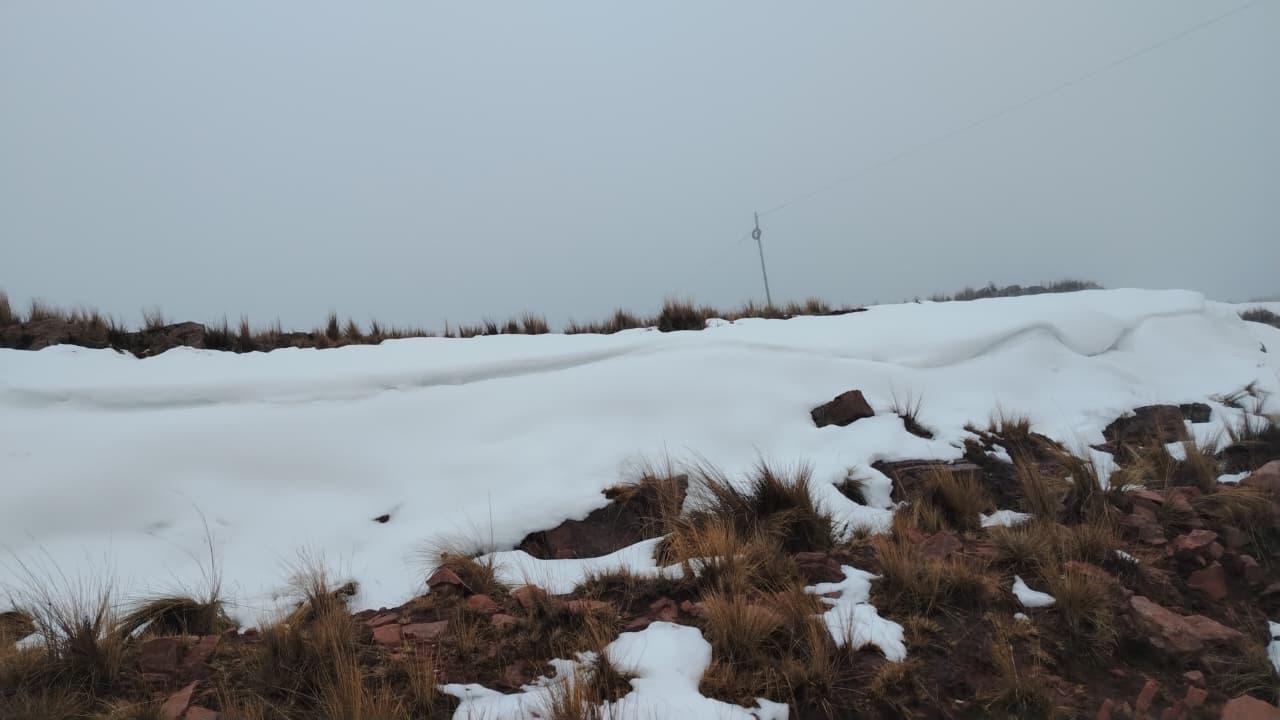
In Quechua, her native language, she had a way of saying what was happening: “Mana kawsay kannachu llajta ukhupi.”
“There is no longer life in our territory.”
But at COP31, before she could even explain what that meant, she first had to find a way to be understood.
COP, or Conference of the Parties, is where countries negotiate on what the world should do about climate change. It is one of the world’s most significant annual climate summits. It is not one big conversation in a giant conference hall. Hundreds of back-to-back meetings, endless negotiations, frenetic caucuses, and side events all happen at once.
The formal business is usually conducted in the U.N.’s six official languages: Arabic, Chinese, English, French, Russian and Spanish.
The delegates sit tight behind shiny country nameplates with microphones and headphones. When someone speaks in one official language, interpreters in glass booths immediately translate it into the others in real time.
This system works just fine for governments because most countries either speak one of those languages or can send trained diplomats and interpreters.
But it is not designed for the world’s roughly 7,000 languages. Nor is it designed for Indigenous communities whose political and ecological knowledge may not map neatly onto English terms such as “carbon market,” “just transition,” “loss and damage,” or “free, prior and informed consent.”
“In my native language, some concepts do not have an exact translation. For example, ‘free, prior and informed consent’ means that our peoples have the right to be informed, to decide, and to grant our approval regarding any project that affects our territories. ‘Loss and damage’ does not just mean the loss of crops or economic resources; it also encompasses the loss of our culture, identity, and ancestral knowledge,” shares Ignacio.
“I feel that when these concepts are translated, their true meaning is often lost because our languages express a unique way of understanding life and our relationship with Mother Earth.”
Indigenous peoples are often among the first and hardest hit by climate change. That is not because they are more fragile. It is because their lives are tied directly to the land. For them, a failed harvest is not just an economic statistic; it is food, income, school fees, seed for next year, and a way of passing knowledge from one generation to the next. In other words, when their land gets sick, everything built on it gets sick too.
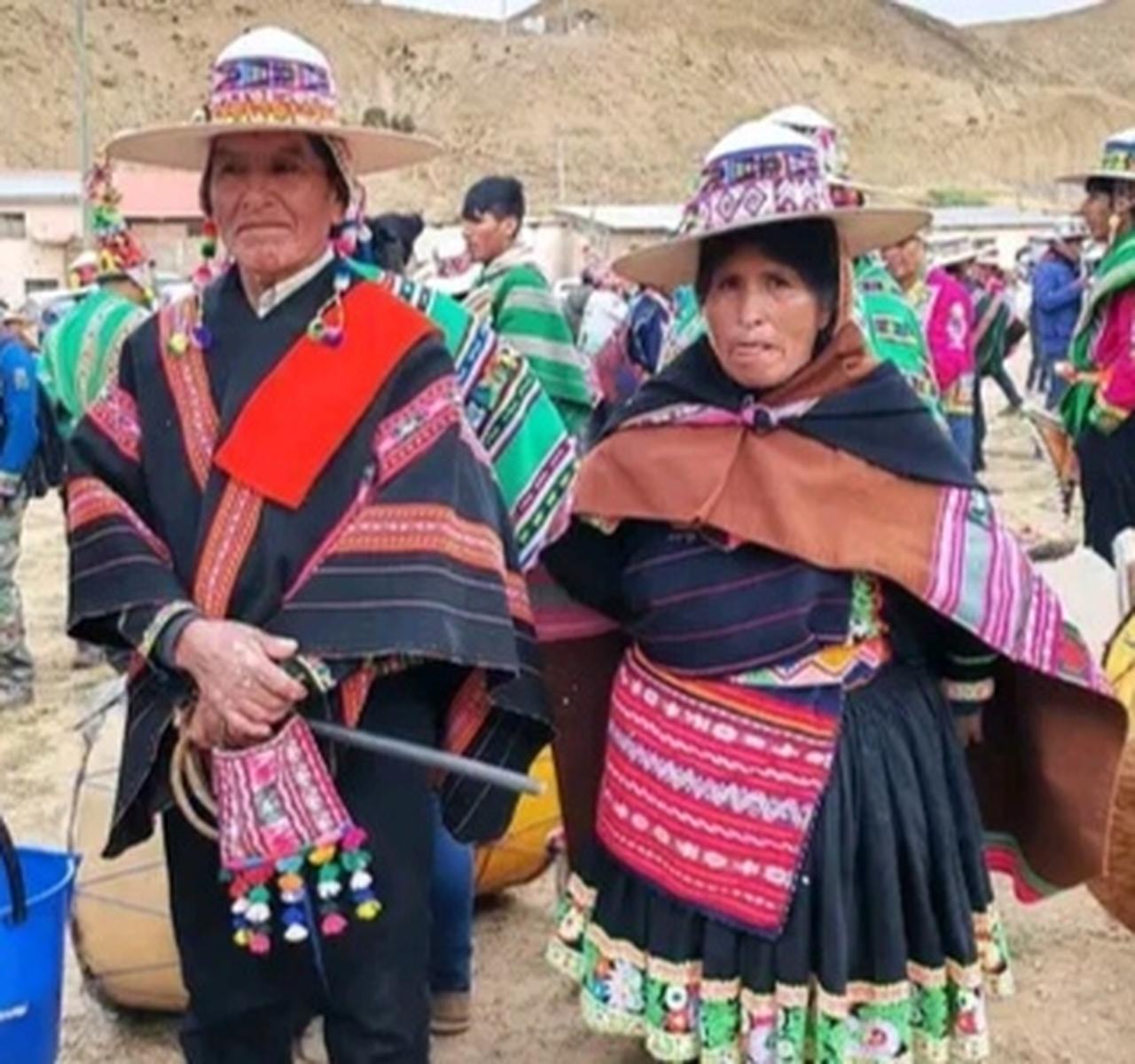
The Intergovernmental Panel on Climate Change (IPCC) has found that communities directly dependent on ecosystems face cascading and long-term impacts when those systems decline. It has also said that Indigenous peoples are disproportionately affected by water and food insecurity and the loss of biodiversity that buttresses their cultures and livelihoods.
“Indigenous people make up around 5% of the world’s population yet protect most of the world’s remaining biodiversity,” said Thaline Maxim Gomes Nareoja, a Brazilian artist-turned-activist pushing back against devastating wildfires and illegal activities threatening the Amazon rainforest, wildlife and Indigenous territories in Pará.
“The world definitely needs to do more for us,” she added.
Like Nareoja, Amarildo Macuxi is attending COP to raise his voice for his territory, which he says is “sacred” to him. “Without it, there is no life.”
Macuxi is from the state of Roraima, Brazil, where the Indigenous Council of Roraima represents Indigenous peoples across 12 regions, totaling approximately 100,000 people. He calls for fair inclusion of Indigenous people in climate talks.
“Ficamos de fora (We are left out),” he said in Portuguese, which is also Brazil’s official language, with a sigh, adding that the Indigenous peoples of Roraima have never been consulted.
Climate diplomacy has not entirely sidelined Indigenous peoples. The U.N. Framework Convention on Climate Change (UNFCCC) has a Local Communities and Indigenous Peoples Platform built around the idea of “full and effective participation.”
The COP30 Belem Declaration says those most affected by climate change must be engaged and empowered. But between a declaration and a decision, there is often a long corridor of badges, acronyms, English and procedures.
Last year, the UNFCCC Executive Secretary Simon Stiell told Indigenous leaders that the health of land, water and sky cannot be separated from the health of communities. He said the task was to move “from citation to application."
For Amarildo, that distance is familiar, and in Panama, Onel Inanadinia Masardule knows what happens when that distance becomes physical.
“In our communities, we have observed rising sea levels and flooding, which affect our daily lives and have even led to the relocation of one community to the mainland."
Masardule represents the Foundation for the Promotion of Indigenous Knowledge. His language is Dulegaya, but unlike many Indigenous people, he also speaks three other languages, including Spanish, Portuguese and English. He belongs to the Gunadule People of Panama, famous for their autonomous governance and their habit of drinking five cups of bitter cacao a day to stay immune.
This is Masardule’s third time attending COP. He believes that understanding the language does not eliminate all difficulties. One must also know the technical terminology and the rules of negotiation.
“When I share what has been discussed with my community, I need to explain the concepts using words and examples that resonate with our own reality, while ensuring that the original meaning is preserved. Language must be a central component of this support—through interpretation, accessible materials, and learning methodologies in our own languages,” he noted.
True to Panamanian style, he spoke sin filtro (without a filter) and insisted that simply having a seat at the negotiating table at the summit is not enough.
“One story the world should hear is that of a community from our islands relocating to the mainland—to Isberyala,” Masardule shared. “I would like to talk about what this transition means for the families involved: it is not merely a change of residence but a fundamental transformation of their daily relationship with the sea and their entire way of life.”
“This story prompts us to ask how we can ensure that adaptation measures protect our culture, our community bonds and our autonomy in making decisions.”
In the Ecuadorian Amazon, Inewe Nenquimo is watching another map being rewritten. His name literally translates to "strong tree" in Wao Terero, the ancestral language of the Waorani people.
In his region, this time, the change comes not by water, but by heat.
“The animals are moving deeper into the rainforest because the rivers and temperatures are changing. As they move, our communities have to change how they live too.”
To Nenquimo, real inclusion at COP comes down to giving Indigenous delegates an equal seat at the table before talks kick off, starting with opening statements spoken in their own languages.
This year, Quack Pirihi from the northern tribes of Aotearoa, including Ngati Manuhiri, Ngapuhi, Ngatiwai, Ngati Whatua o Kaipara, and Patuharakeke, New Zealand, opened and closed the Indigenous Peoples' statement in Te Reo Maori.
“The U.N. language, I believe, is intentionally confusing to keep indigenous peoples and civil society disengaged,” Prihi told Türkiye Today.
He said listening to the U.N. bureaucracy made him realize that it’s not just about translating between two different languages. It is also about finding a bridge between two different worldviews.
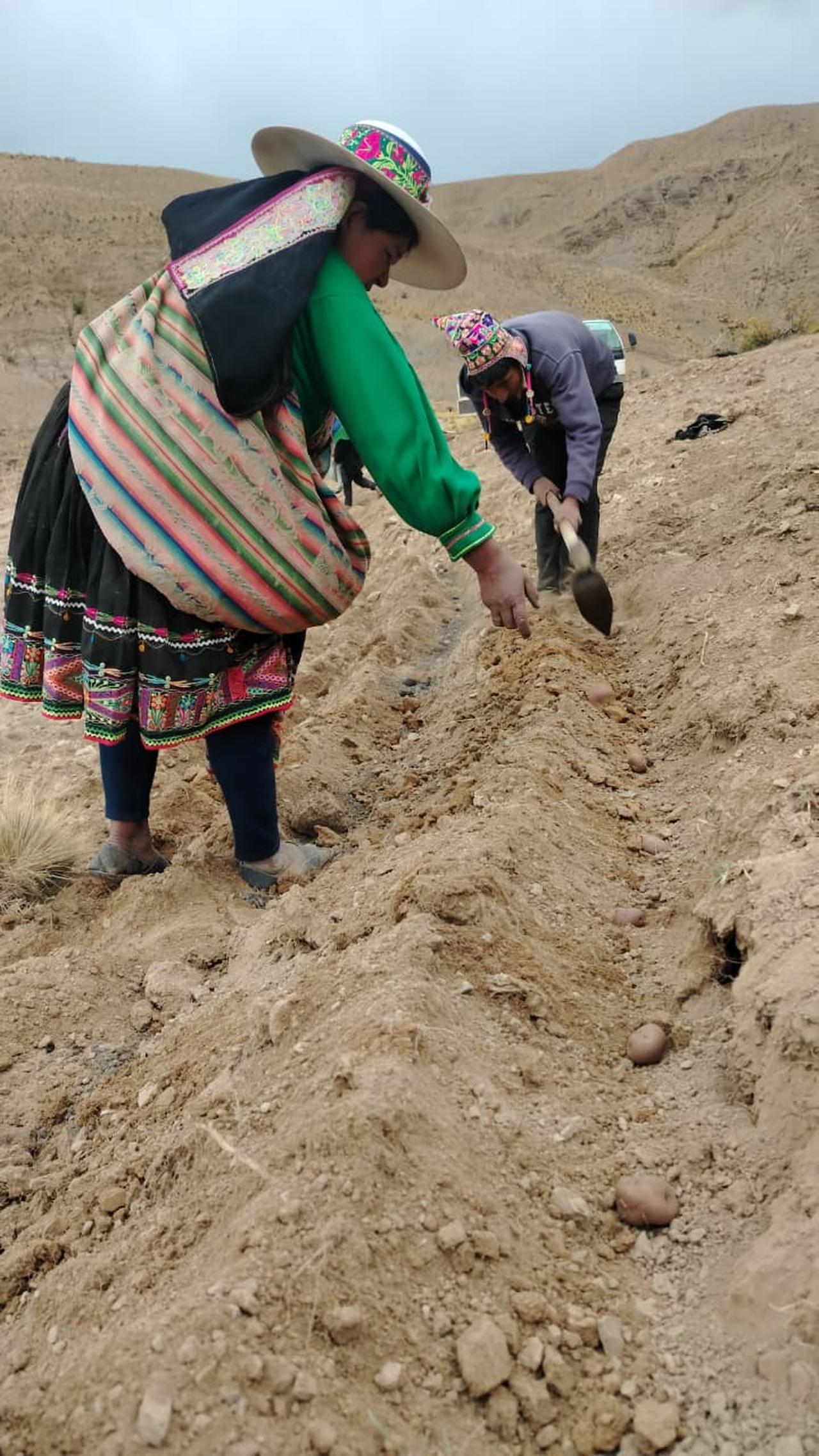
Back in Challa, Ignacio is still worried about the potatoes.
Potatoes do not care whether the world calls it climate change, loss and damage, or adaptation. They care whether the hail comes early, whether the frost stays too long, whether there is enough water in the soil.
Perhaps the first step is not another declaration pumped out of a climate summit. But it is to make sure that when Ignacio speaks about her potatoes, someone understands exactly what she is losing.


 Set as preferred source
 Set as preferred source


 1 min read
 1 min read