Newsletters


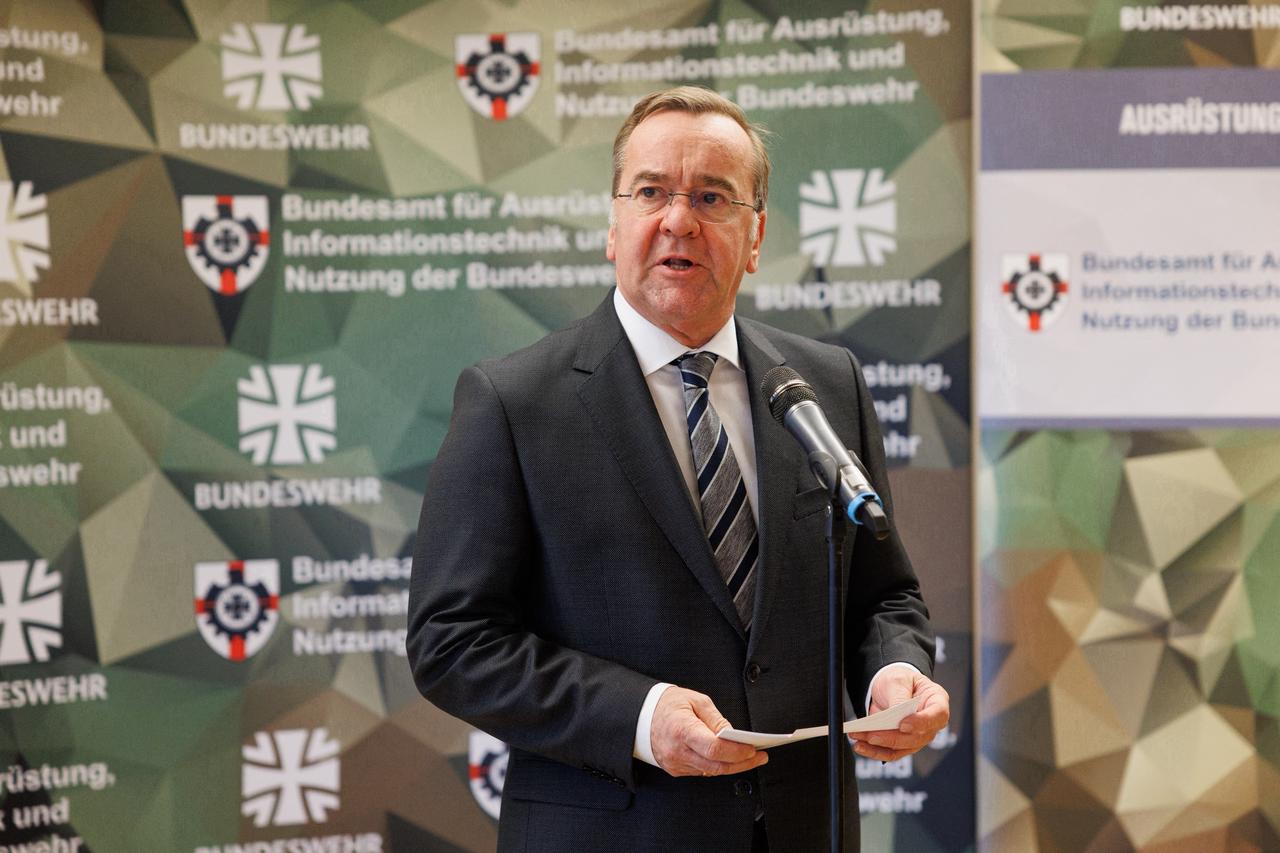


Germany's defense minister has sharply criticized U.S. President Donald Trump for rolling out the red carpet for Russian President Vladimir Putin in Alaska while simultaneously withdrawing military support for Ukraine, accusing Washington of emboldening Moscow and altering the trajectory of the war.
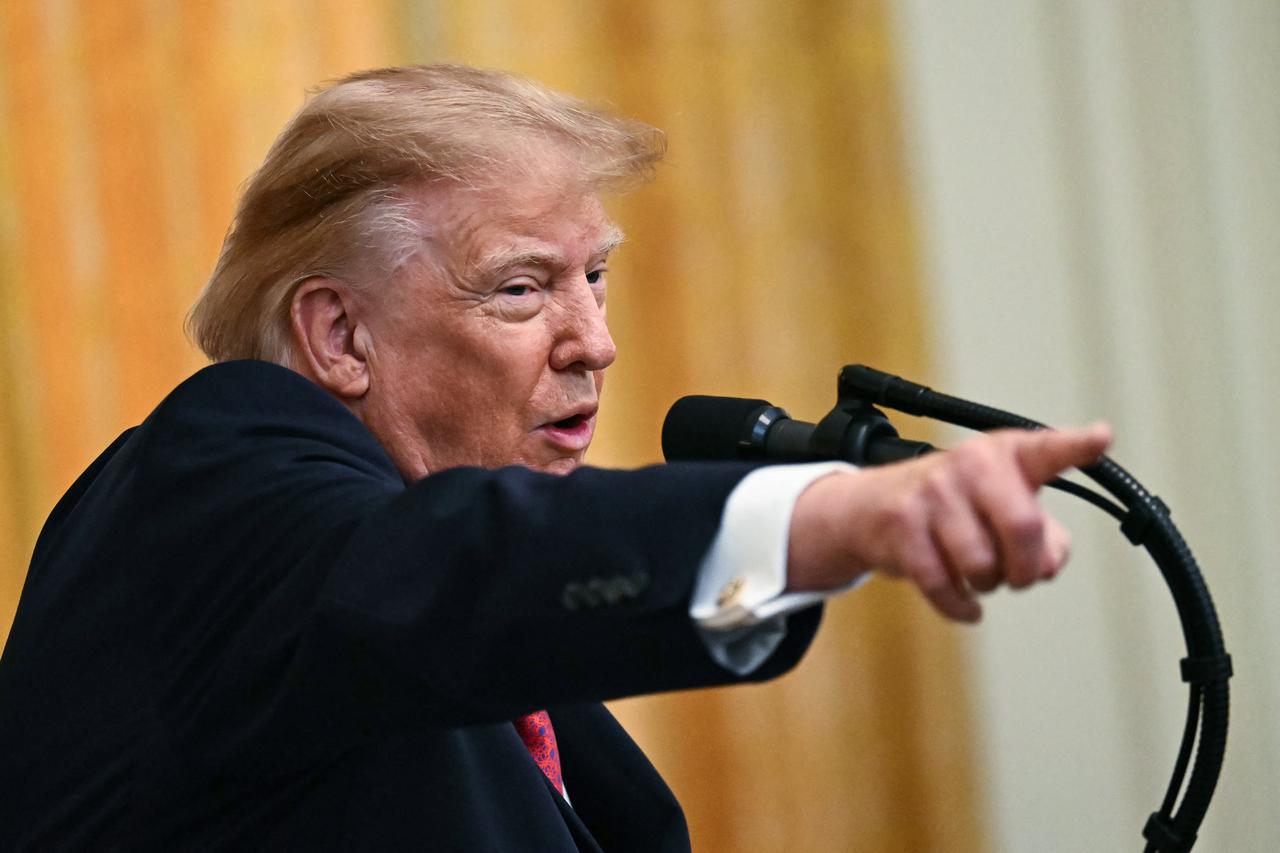
In an interview with Deutschlandfunk radio, Boris Pistorius said Washington's approach to the conflict had directly influenced the course of the war and strengthened Putin's hand. "Unfortunately, the Americans and the American president influenced the course of the war," Pistorius said. "He welcomed Putin in Alaska on a red carpet like a friend and at the same time completely withdrew military support for Ukraine, apart from intelligence. Now he is selling the weapons we paid for."
Pistorius was referring to the August 2025 summit at Joint Base Elmendorf-Richardson in Anchorage, where Trump and Putin walked side by side down a red carpet on the tarmac in a carefully staged ceremony that drew widespread criticism from European leaders and Ukrainian officials. The summit ended without a ceasefire agreement, though both leaders described the talks as productive.
The German minister also took aim at Trump's handling of a key diplomatic card, saying the U.S. president had prematurely removed Ukraine's potential NATO membership from the negotiating table. "This could have been a bargaining chip to negotiate on other issues as well," Pistorius said.
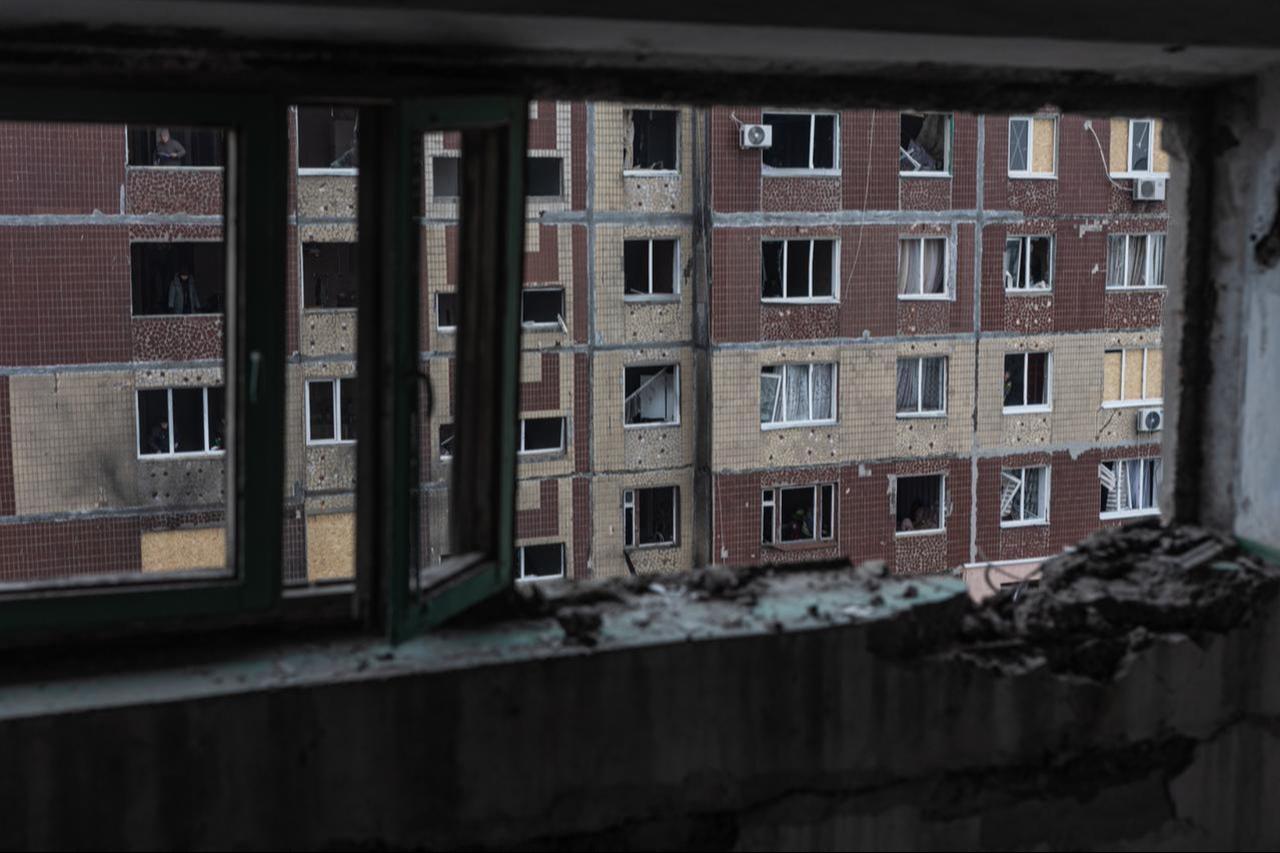

Pistorius described Russia's continued strikes on civilian targets in Ukraine as a "terror war" and stressed that any durable peace would require Ukraine to negotiate from a position of strength, not weakness.
His remarks align with a consistent stance he has taken since Russia's full-scale invasion began in February 2022. As defense minister under both former Chancellor Olaf Scholz and current Chancellor Friedrich Merz, Pistorius has positioned Germany as the largest European contributor to Ukraine's defense. He noted that Berlin is providing 11.5 billion euros in military aid to Ukraine this year, making it the country's biggest supporter.
On the question of whether longer-range weapons could tip the balance, Pistorius acknowledged that Ukraine needs robust capabilities but argued that Taurus cruise missile systems alone would not determine the outcome of the war. Germany has resisted sending Taurus missiles to Ukraine, a subject of intense domestic and international debate.
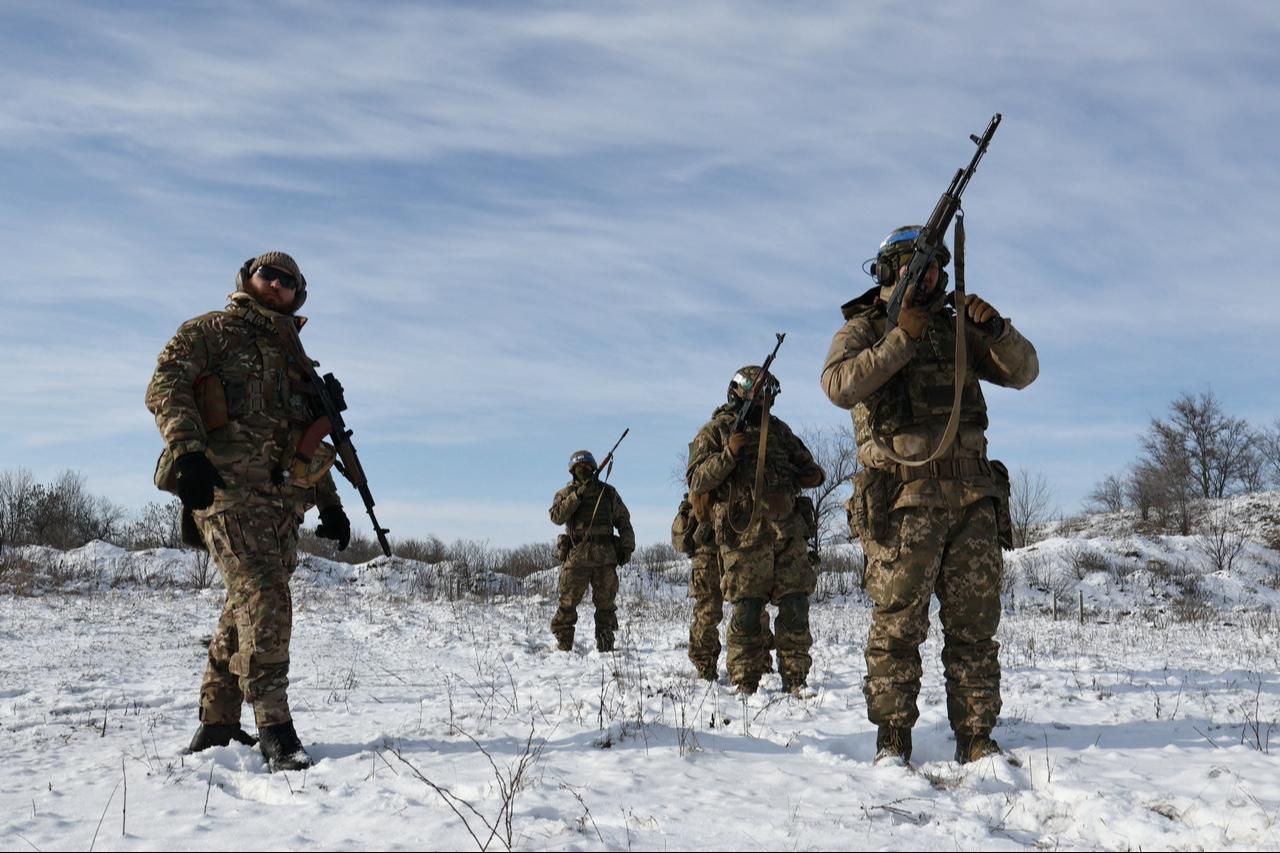
Pistorius admitted that few, including himself, had predicted Ukraine would resist the Russian military for four years. At the outset of the full-scale invasion, many military analysts expected Kyiv to fall within days or weeks. Instead, Ukrainian forces mounted a fierce defense that has stretched into a protracted conflict.
The minister also said he had not anticipated how rapidly NATO would expand in response to Russia's aggression, with Finland joining in April 2023 and Sweden following in March 2024. Nor had he foreseen the scale and duration of Western military support for Ukraine, particularly in the war's early phases when both the United States and European nations rallied behind Kyiv.
U.S. military aid to Ukraine dropped by 99 percent in 2025 according to the Kiel Institute for the World Economy, with the Trump administration declining to authorize any new defense packages under the Presidential Drawdown Authority. European nations increased their military contributions by 67 percent to partially offset the shortfall.
 1 min read
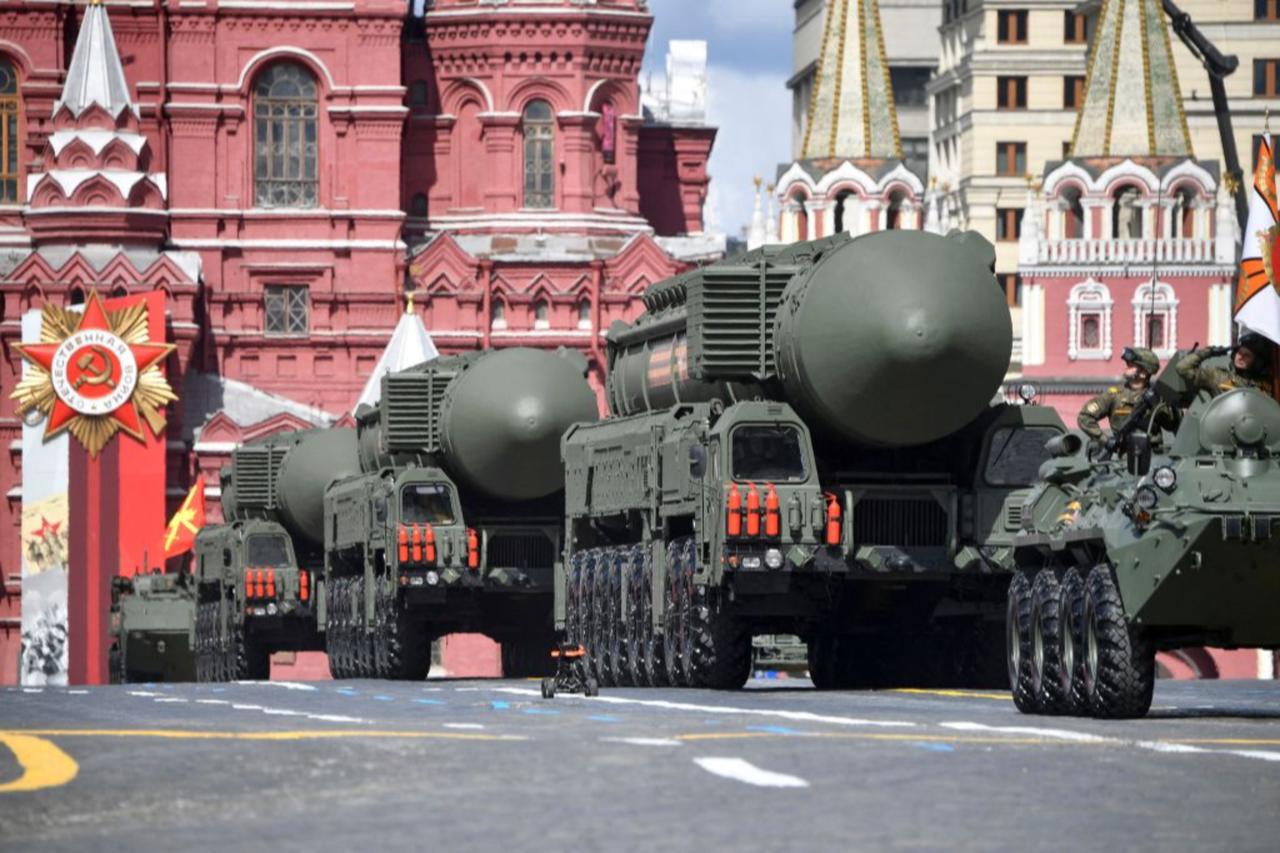
Addressing growing calls for European countries to deploy troops to Ukraine, Pistorius offered a cautious assessment. A few European brigades on their own would not serve as a credible deterrent, he said, and a genuine security guarantee for Ukraine would need to resemble the collective defense commitment enshrined in NATO's Article 5, which holds that an attack on one member is an attack on all.
Such a framework, Pistorius acknowledged, does not appear achievable without American backing, at least for now. His comments underscore the dilemma facing European capitals as they seek to bolster Ukraine's security while contending with diminished U.S. engagement.
Pistorius, a Social Democrat who has served as defense minister since January 2023, is widely regarded as one of Germany's most popular politicians. He has been a vocal advocate for increased European defense spending and has warned that Russia could be capable of attacking a NATO member state as early as 2028 or 2029.


 Set as preferred source
 Set as preferred source


 1 min read