Newsletters


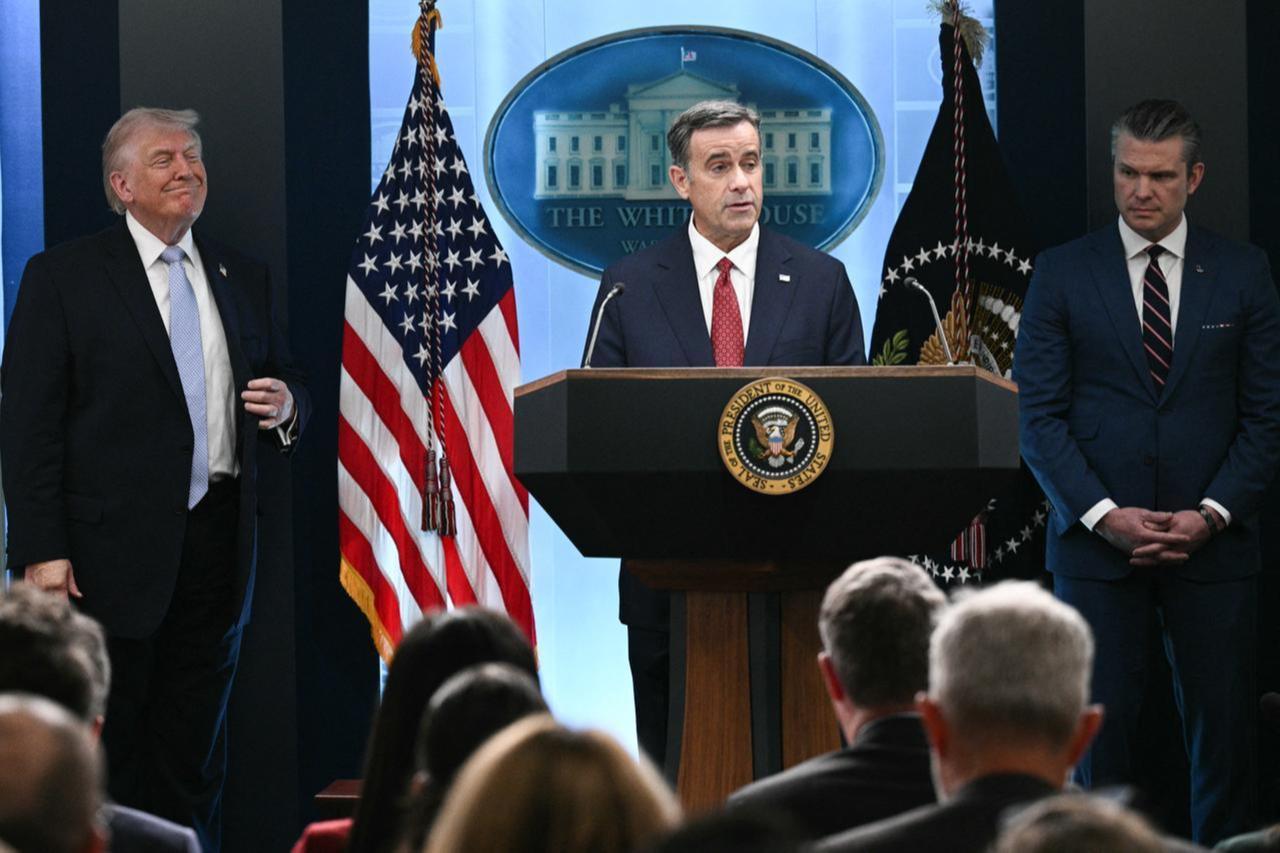


CIA Director John Ratcliffe led a U.S. presidential delegation to Havana on Thursday in one of the highest-level American contacts with Cuba's communist government in decades, as both sides signaled fresh willingness to engage despite an entrenched standoff over sanctions, terrorism designations, and a deepening energy crisis on the island.
Cuba's government confirmed the visit in an official statement published on the website of the Communist Party of Cuba, disclosing that Havana had approved the meeting following a formal U.S. request to receive a delegation led by Ratcliffe. The CIA director met with his counterpart from Cuba's Ministry of the Interior.
The visit had been preceded by the arrival of a U.S. Air Force Boeing C-40B Clipper, identified as flight SAM554, at Jose Marti International Airport, flying in from Joint Base Andrews outside Washington. The SAM prefix, short for Special Air Mission, designates high-priority government flights.
The Cuban statement described the encounter as taking place "in a context characterized by the complexity of bilateral relations," with the aim of advancing political dialogue between the two countries.
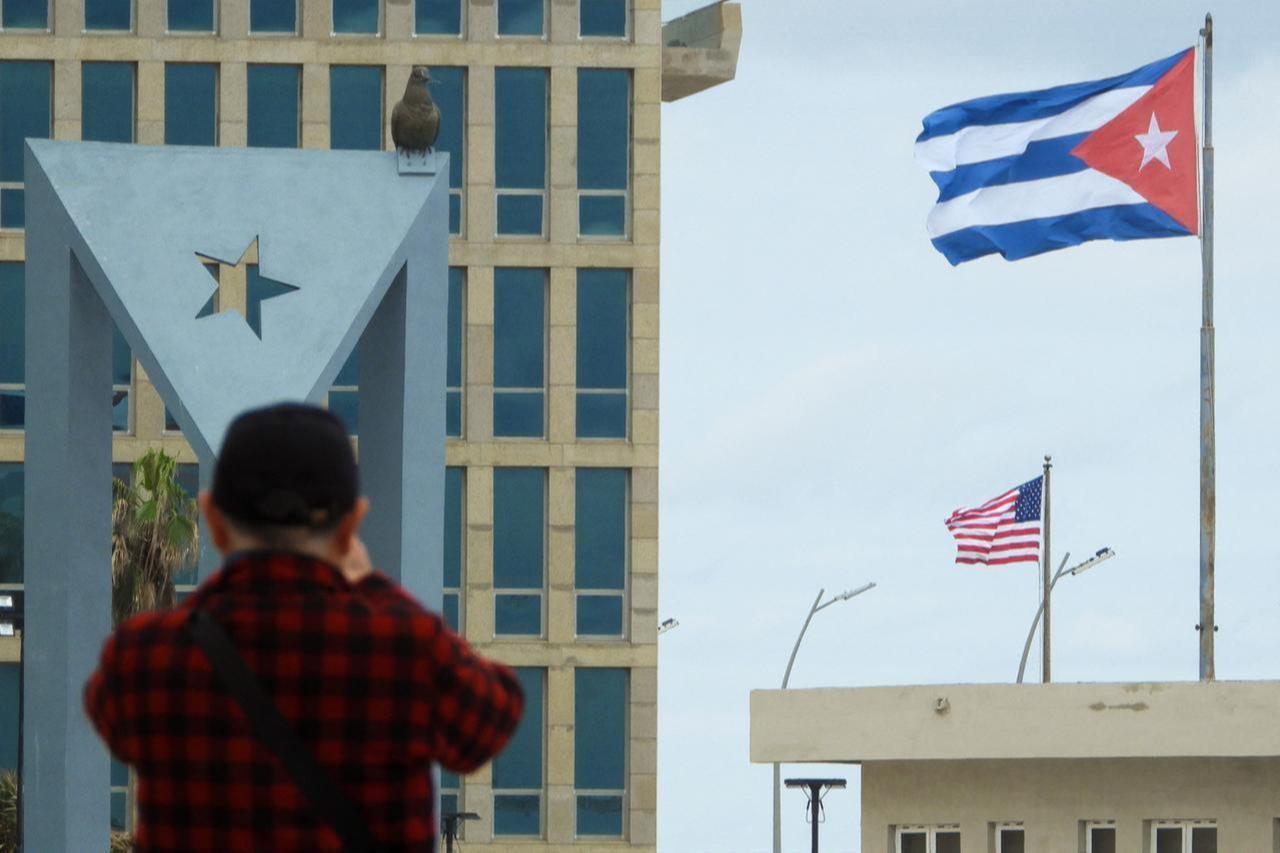

The central issue on the table was Cuba's designation as a State Sponsor of Terrorism, a label the Trump administration reinstated on its first day in office in January 2025, reversing a late-term move by President Joe Biden to remove the island from the list as part of a Vatican-brokered prisoner release deal. Cuba has remained on the list alongside Iran, North Korea, and Syria.
Havana used Thursday's statement to push back forcefully against the designation, asserting that the exchanges "clearly demonstrated that Cuba does not pose a threat to the national security of the U.S., nor are there legitimate reasons to include it on the list of countries that allegedly sponsor terrorism."
The government also reiterated that the island "does not harbor, support, finance, or allow terrorist or extremist organizations" and that no foreign military or intelligence bases operate on its territory.
Both sides expressed interest in developing bilateral cooperation between law enforcement and security agencies, a notable area of potential convergence amid otherwise deeply adversarial relations.
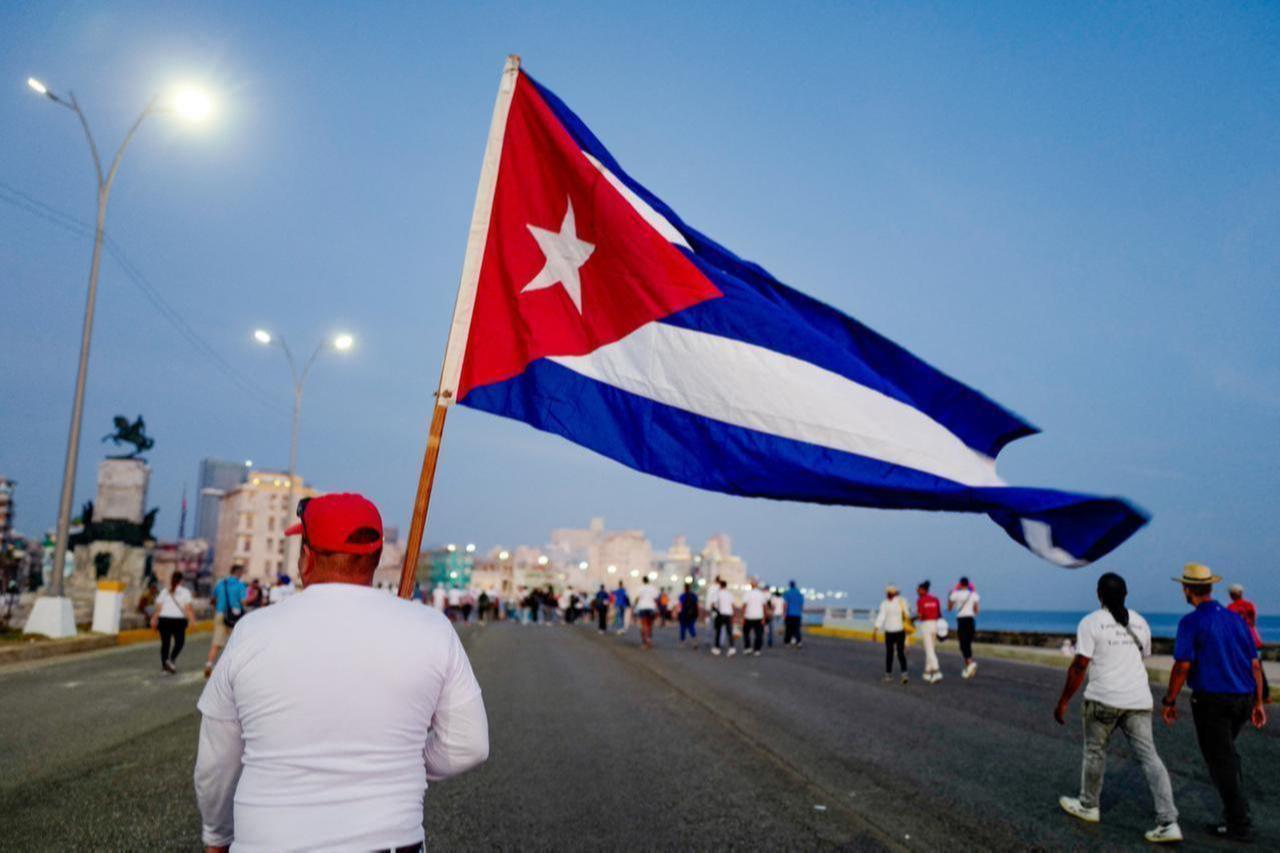
Thursday's visit came at the end of an unusually active diplomatic week. On May 12, President Donald Trump posted on Truth Social that Cuba was "asking for help" and that talks would follow, a message Cuban President Miguel Diaz-Canel answered the next day by saying his government is "always ready for dialogue."
By Thursday, Cuban Foreign Minister Bruno Rodriguez Parrilla had notably softened Havana's stance on a U.S. offer of $100 million in humanitarian aid, saying Cuba was "willing to hear the details of the offer." That marked a sharp departure from his position just days earlier, when he had dismissed the proposal as a "fable" and a "lie of 100 million dollars."
Ratcliffe brought established credentials to the mission. In January 2026, he traveled to Caracas to meet with Venezuelan officials as part of the diplomatic process surrounding the capture of Nicolas Maduro, a mission that underscored the CIA's expanding operational role in Latin American affairs under the current administration.
The diplomatic maneuvering is unfolding against a backdrop of acute hardship on the island. Cuba's government announced Wednesday that it had completely exhausted its reserves of fuel oil and diesel, leaving the national electricity grid in a critical state.
Diaz-Canel, acknowledging the severity of the crisis, argued Thursday that a far more direct remedy was available to Washington, writing on X that the damage "could be alleviated in a much easier and more expedient way by lifting or easing the blockade."
He added that Cubans would not be ungrateful, "however inconsistent and paradoxical the offer may seem to a people that the United States government itself punishes collectively in a systematic and ruthless manner."
Cuba is navigating a U.S. oil embargo imposed in January 2026, which has compounded widespread power outages and fuel shortages. The Trump administration has maintained a policy of maximum pressure in parallel with the diplomatic outreach, imposing more than 240 sanctions on the island since January 2026, intercepting at least seven oil tankers, and conducting at least 25 military surveillance flights near Cuban shores.
Thursday's high-profile visit had a quieter precursor. On April 10, a State Department delegation operating under the supervision of Secretary of State Marco Rubio flew to Cuba for the first official U.S. government landing on the island since 2016, meeting with Cuban deputy ministers to discuss political prisoners, internet access through Starlink, and the presence of foreign groups on the island. Cuba publicly confirmed those meetings in late April.
Trump has repeatedly suggested Cuba could face more direct U.S. pressure, saying the island would fail "soon" and, in a social media repost, floating the idea of visiting a "free Havana" before leaving office.
Whether Thursday's CIA visit signals a genuine diplomatic opening or a tactical maneuver within a broader pressure campaign remains to be seen.


 Set as preferred source
 Set as preferred source


 1 min read
 1 min read