Newsletters


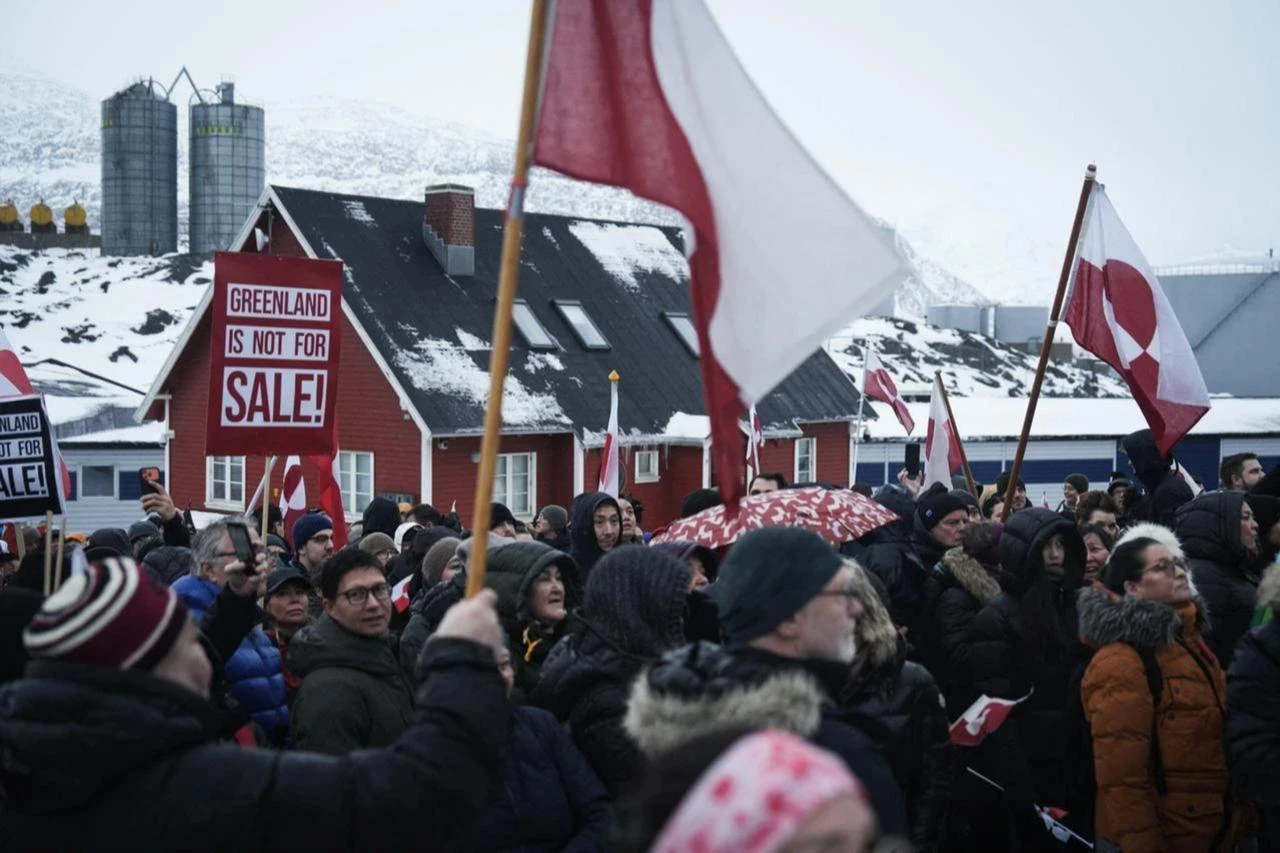


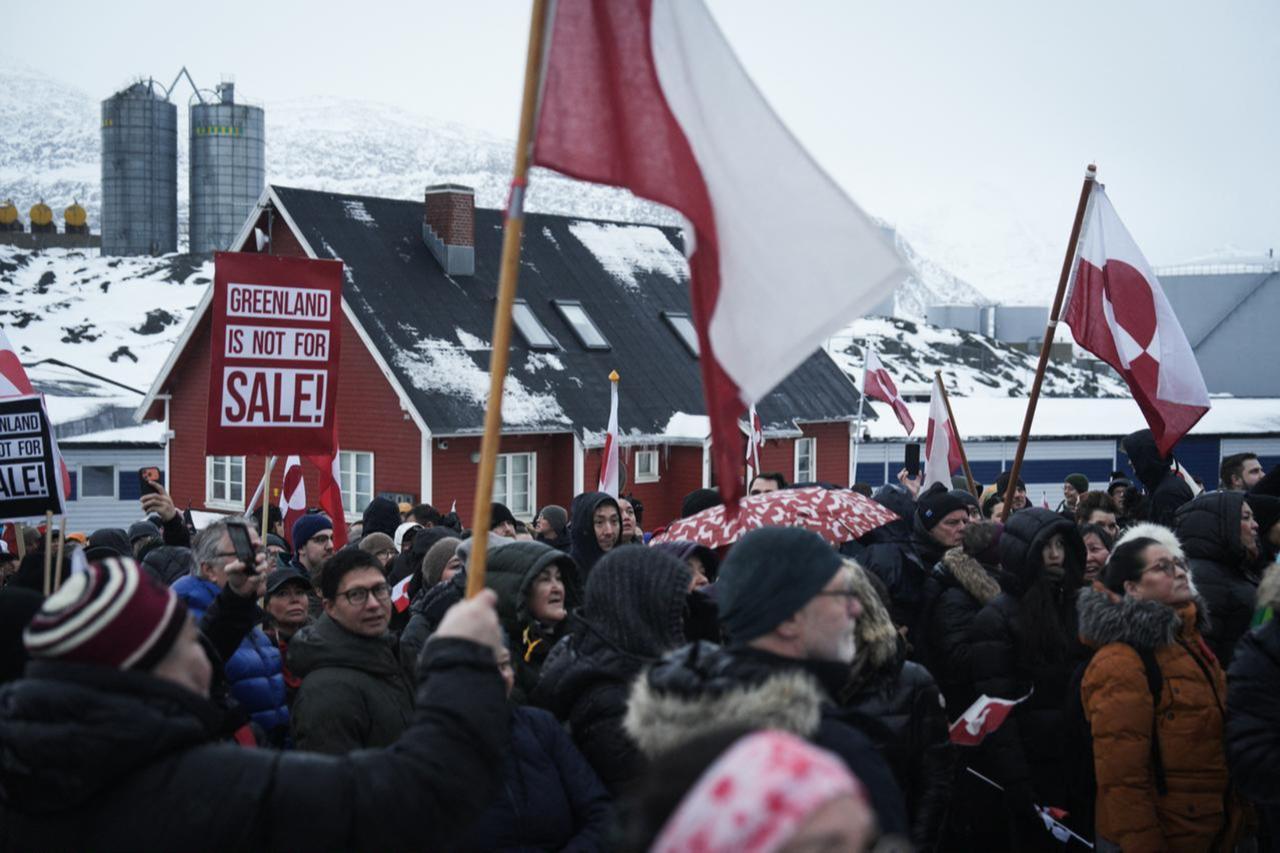
Greenland's premier said Friday that U.S. pressure over a possible takeover of the country has not ended, insisting Greenland would never give up its right to self-determination or be put up for sale.
"Just three days ago, it was said again from the special envoy of the United States to Greenland that Trump hasn't lost the idea of overtaking Greenland. So the pressure is not off," Jens-Frederik Nielsen said during an economic forum in France.
Nielsen said Greenland had faced "severe" and "unacceptable" pressure for around two years because of its geological location.
"Greenland will never give up their right to self-determination. We will never give up on our values, and we will never be for sale," he said.
Nielsen said Greenland had taken steps "in the right direction" through direct dialogue with the U.S., adding that Greenland wants mutual respect and cooperation.
"We want to work together and have great partnership with like-minded countries, countries who share the values of democracy, respect for international law, human rights and so on," he said.
Nielsen said France and the EU had been a great support for Greenland.
He added that Greenland would choose to stand with the EU, France, Denmark, the Nordics and NATO.
Nielsen also said he believed a closer partnership between Greenland and Europe could help address Europe's mineral shortages and reduce dependence on China and others.
He said such cooperation could also contribute in areas including energy, particularly hydropower.
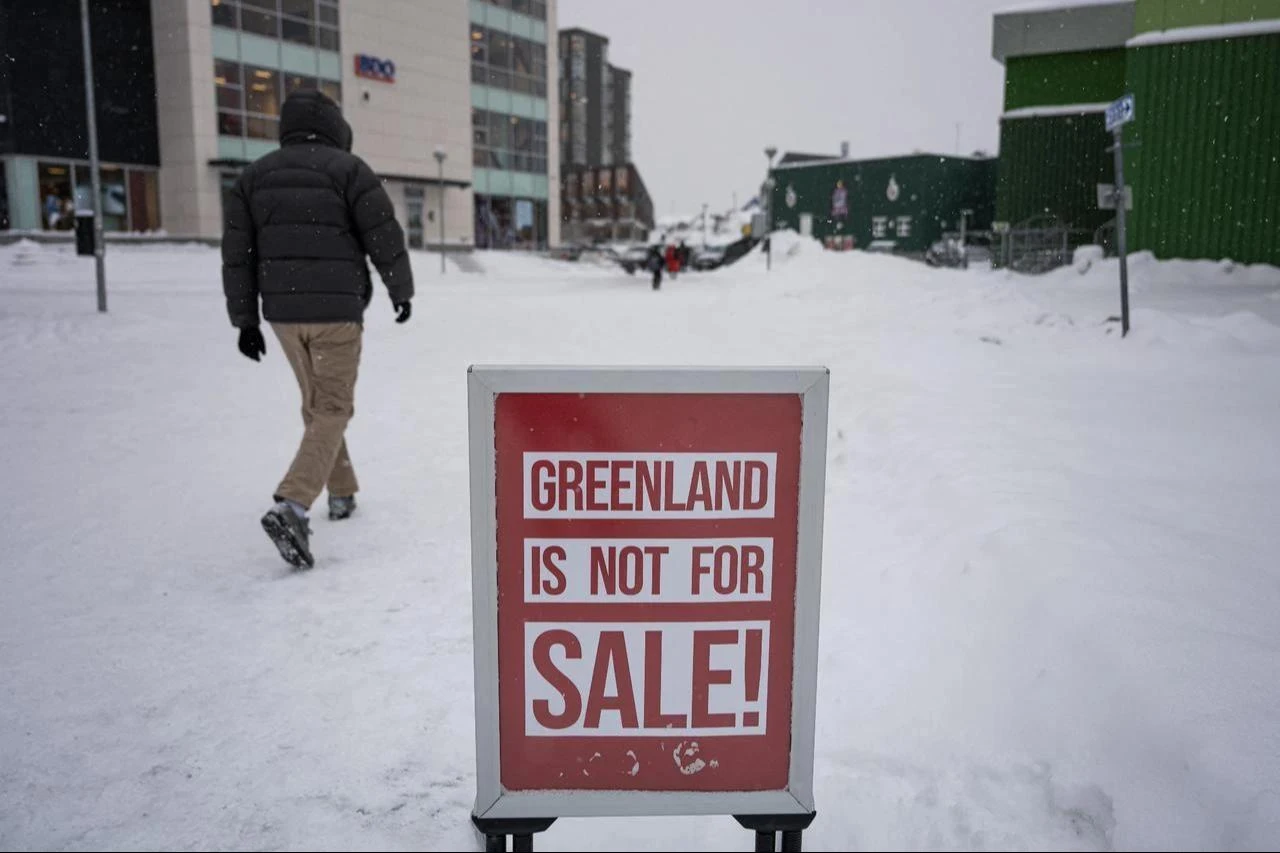

Speaking at the same event, French Foreign Minister Jean-Noel Barrot said Greenland's prime minister had stood up and said no "when under colossal and imperialist pressure."
"The Greenlandic people chose Europe, chose NATO. It is not for sale, it is not to be taken. That day, he showed extraordinary courage. That day, he was the face of Europe. Bravo," Barrot said.
Barrot said nations need narratives to hold themselves together.
"And this is something our adversaries and rivals have perfectly understood. They develop highly assertive narratives and are engaging us in a battle in the field of perceptions -- a war of narratives," he said.
He warned that when a nation lacks its own narrative, it could become influenced by those of others, including their "obsessions, their standards, their culture, their language."
"So, faced with the poisoning of the European mind by others' narratives, what should we do? Quite simply, we should tell our own story and say who we are: a country, a continent, a civilization shaped over the centuries by the arts, philosophy, science, and law, and which has brought major advances both technologically and democratically," Barrot said.
Barrot also said disagreements between France and the U.S. would not erase "the depth of this relationship, which is rooted in a shared perspective and a common vision."
"On the question of Europe taking responsibility for its own security, I will say something that is slightly provocative: the United States and France are perfectly aligned in the sense that Europe must gradually become more independent -- and this is true in defense, and also in other areas," he added.


 Set as preferred source
 Set as preferred source


 2 min read
 1 min read