Sign in
 Newsletters


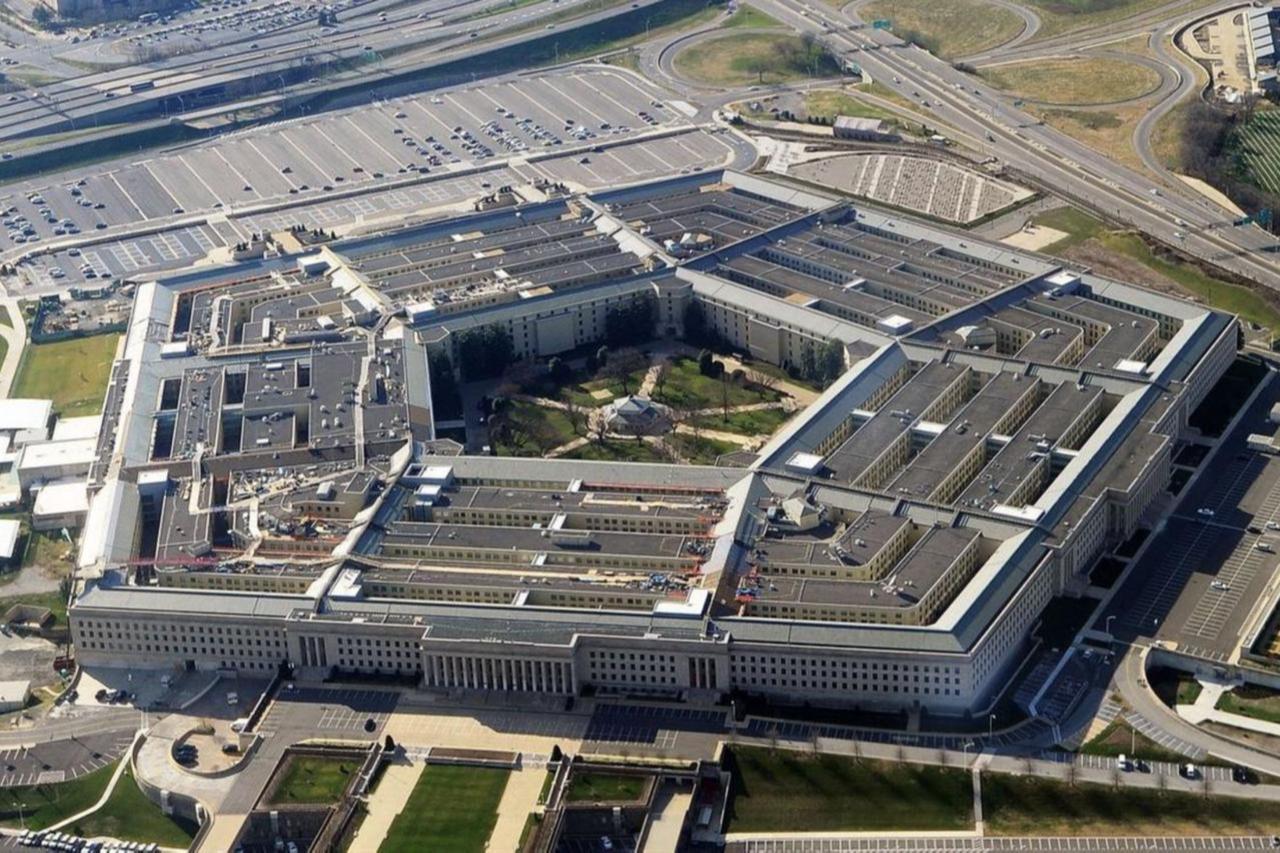


Hackers have breached Cloud One, the US Air Force's flagship cloud computing platform, potentially putting a vast swathe of sensitive tactical, personnel and logistics data at risk, according to three people familiar with the matter who spoke to Reuters.
Two of the people said the intrusion was discovered within the past month or so during work to upgrade the system, and that it has since caused disruption across the platform. The identity of the hackers, the full scope of the intrusion and whether any data was stolen remain unclear.
In a statement, the Air Force said it "does not comment on the security posture, vulnerabilities or operational status of specific networks and systems." It added that it "continuously take(s) prudent measures to protect Department (of the Air Force) information, systems and mission capabilities."
Initiated in 2017, Cloud One was designed as a one-stop shop for the Air Force's information technology needs. It combines the resources of four operators, Microsoft, Amazon, Oracle and Alphabet, to power scores of applications, including those that manage personnel data, pay, logistics and maintenance.
Among the systems running on it are the Air Force's Cloud-Based Command and Control, which collates air defense radar and other data feeds from across North America, and the Theater Integrated Combat Munitions System, which tracks bombs and missiles across more than 200 US Air Force locations worldwide.
SAIC was the prime contractor for Cloud One until 2026, when Leidos took over. SAIC did not respond to a request for comment, and Leidos referred questions to the Air Force.
Two of the sources said Cloud One is among the US military's biggest cloud platforms. "A breach here is a big deal," one of them said.
Investigators have brought in Cyber Command, the US military's cyber force, to assess the damage, one of the sources said. Cyber Command did not respond to requests for comment.
The discovery has led to a range of disruption. Two of the sources, along with a fourth person familiar with the matter, said efforts to migrate back-office applications to Cloud One, a longstanding military priority, have been paused.
Updates to applications already running on the platform have also been blocked, leaving Air Force personnel unable to apply fixes just as a new batch of serious software vulnerabilities has been disclosed across the technology industry. A fifth source said some users have had their administrator rights revoked. All five sources spoke on condition of anonymity.
One source said the intruders exploited a software vulnerability to reach the platform's control plane. The person likened the control plane to a universal remote, saying that in theory intruders could use such access to check the operational status of military aircraft or the movement of spare parts. It is unclear whether the hackers did so in this case.
The specific vulnerability exploited has not been identified.
News of the breach comes amid heightened anxiety over AI-powered intrusions, which are a particular concern for cloud-based networks because AI models can swiftly detect weaknesses across wide surface areas.
The US government is already dealing with the fallout from at least six other recently disclosed cyber incidents. They include two at the FBI, an earlier hack of Pentagon data, a recent leak of Department of Homeland Security personnel information, a breach affecting at least two spy agencies and a hack at the Treasury Department.
Cloud One has long been a target. In a 2023 commentary carried by the publication FedScoop, the platform's leadership touted a "100% success rate" in repelling what they described as a "staggering" number of attempts to penetrate it. "There is no room for error when it comes to security," they wrote.


 Set as preferred source
 Set as preferred source


 1 min read


 1 min read