Newsletters


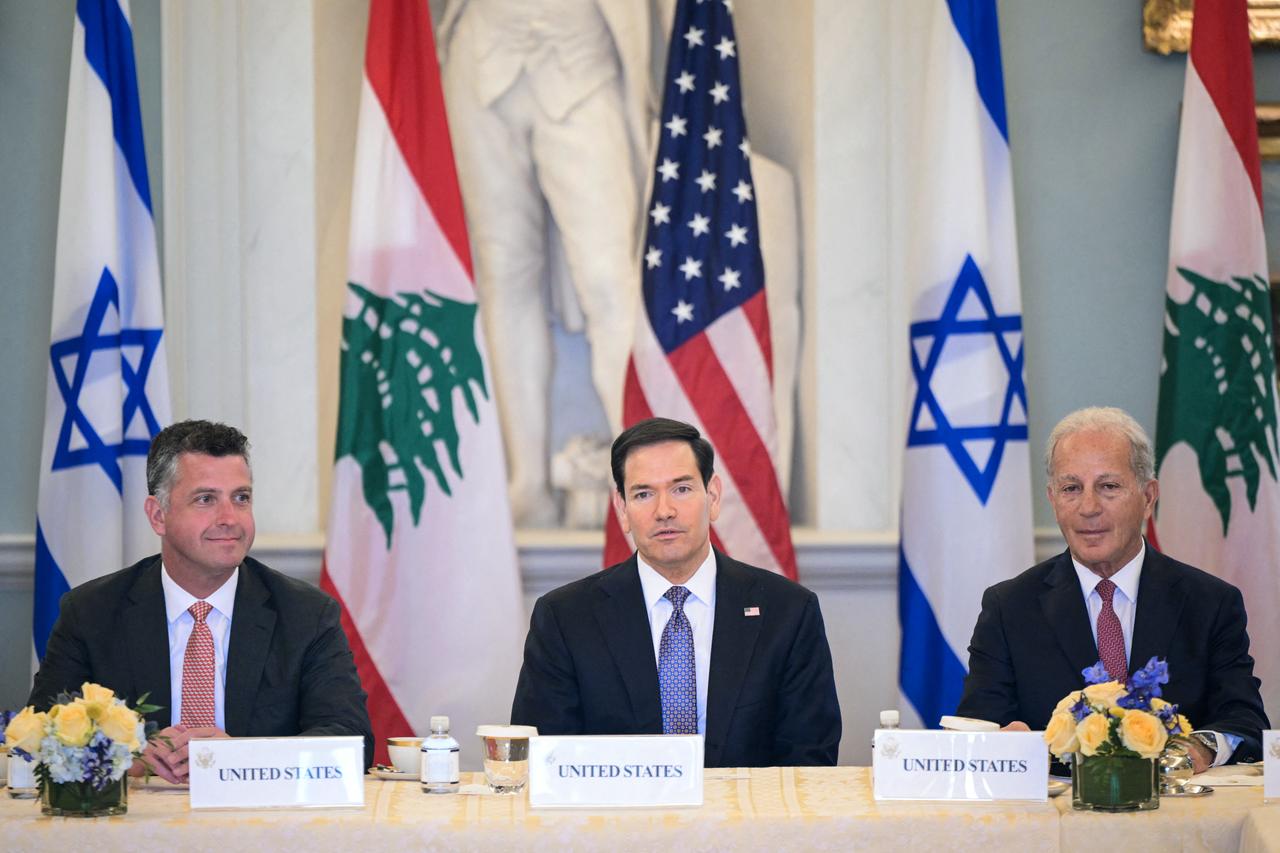


Hezbollah fired simultaneous rocket salvos at 13 towns in northern Israel on Tuesday, the group announced, as Israeli and Lebanese ambassadors sat down for their first direct talks in Washington in decades, an effort Secretary of State Marco Rubio called "a historic opportunity."
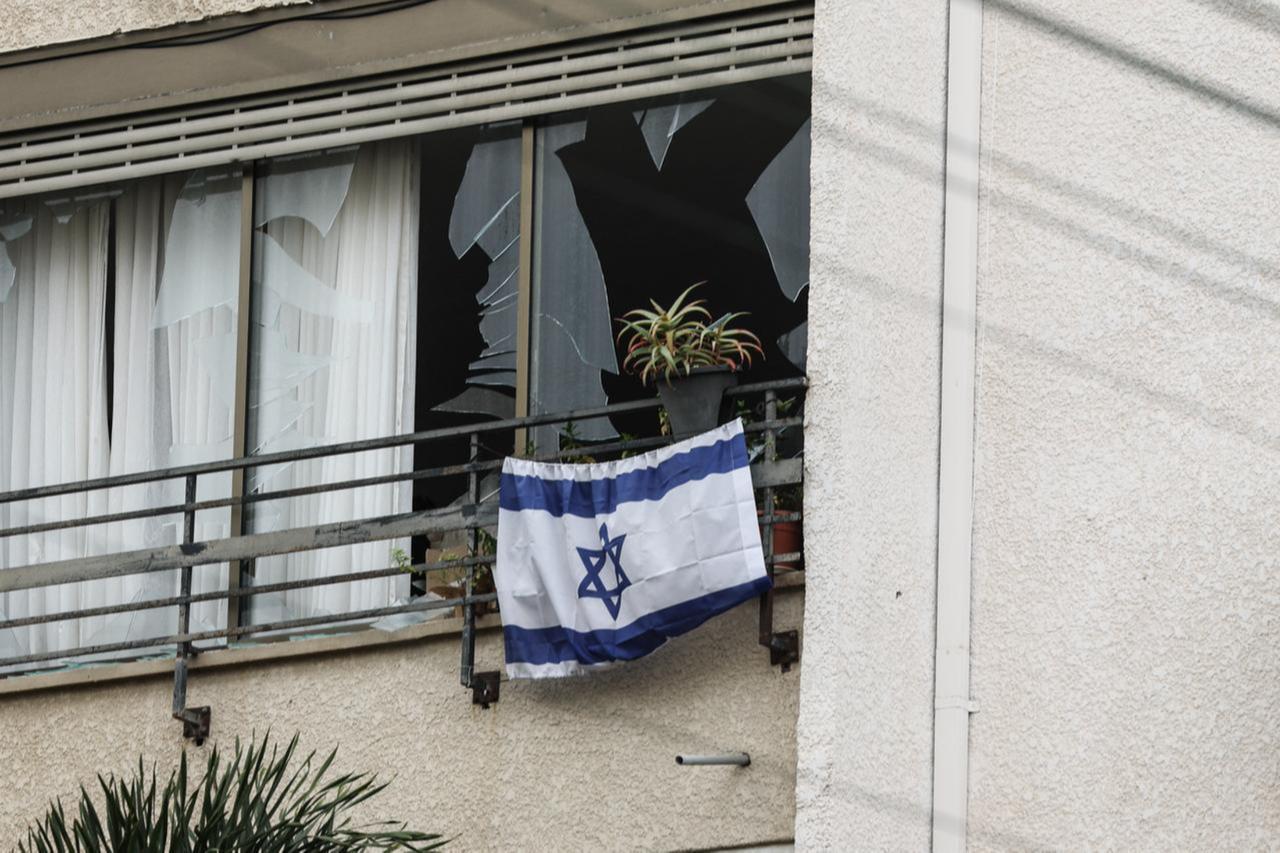
The Iran-backed militia said it targeted Kiryat Shmona, Metula, and 11 other communities at 6:15 p.m. local time (1515 GMT), just as the Washington meeting was getting underway. The Israeli military had anticipated the move, warning civilians hours earlier that "there may be increased fire from Lebanese territory, apparently focused on the northern area," and urging residents to remain alert and follow home front command instructions.
The attack underscored the fragility of the diplomatic moment. Despite the talks, Hezbollah has continued to launch rockets and drones at Israel on a near-daily basis since it entered the war in early March in support of Iran.
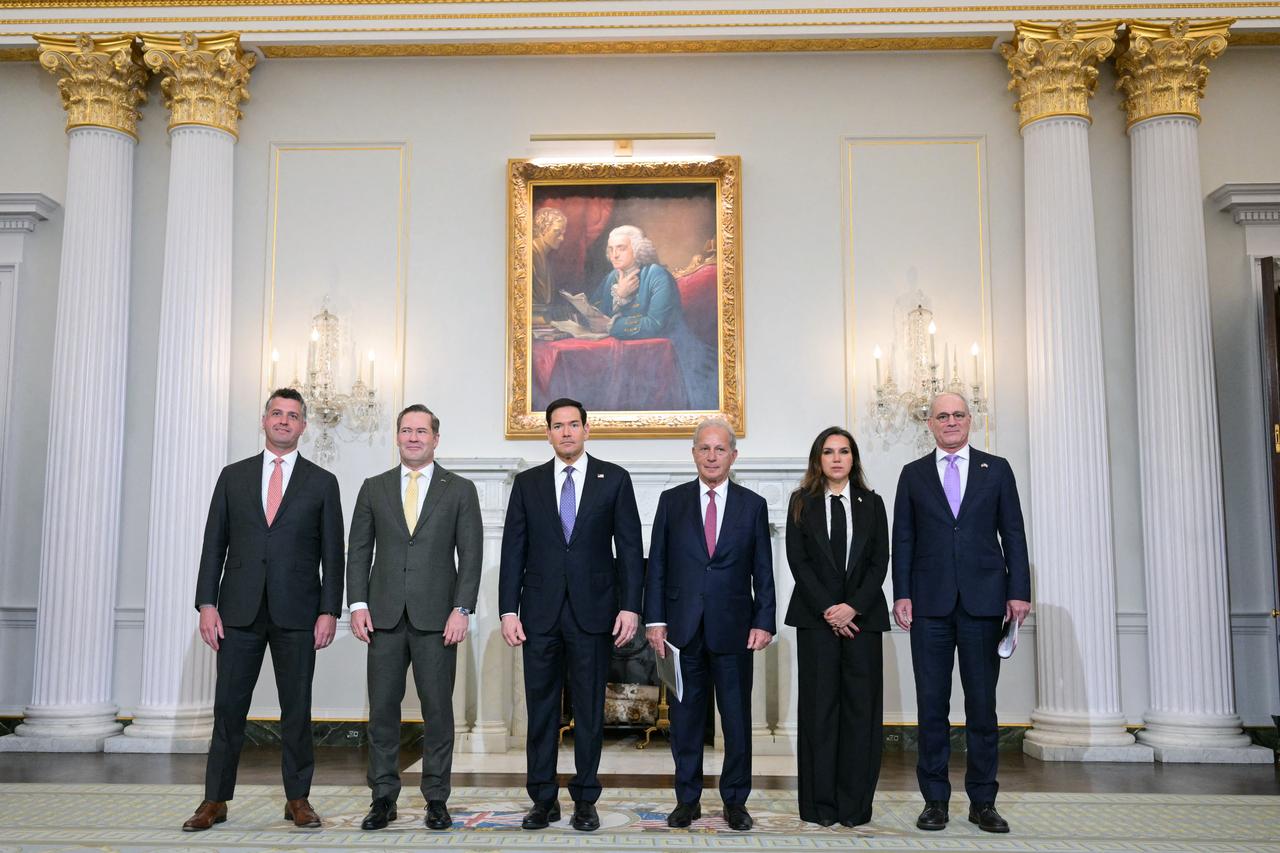

Tuesday's meeting brought together the ambassadors of two countries that have technically been at war since 1948 and share no diplomatic relations. The talks carry echoes of the only previous sustained round of Israeli-Lebanese negotiations, which followed Israel's 1982 invasion of Lebanon and produced the May 17 Agreement of 1983, a U.S.-brokered accord that provided for a staged Israeli withdrawal and security arrangements along the border.
That agreement collapsed within a year after Lebanon, under Syrian pressure, cancelled it in March 1984, and the two countries reverted to a formal state of war that has never been resolved.
Rubio acknowledged the weight of that history before the meeting opened. "We understand we're working against decades of history," he said, adding that the encounter nonetheless represented "a historic opportunity."
Lebanese President Joseph Aoun expressed cautious hope, saying he hoped the Washington meeting "will mark the beginning of the end of the suffering of the Lebanese people in general, and those in the south in particular."
Aoun, however, made clear that Beirut's terms include a full Israeli withdrawal, arguing that "stability will not return to the south if Israel continues to occupy its lands." His preferred framework centers on the Lebanese army redeploying to the internationally recognized border and assuming sole security responsibility for the area, explicitly excluding any other armed party.
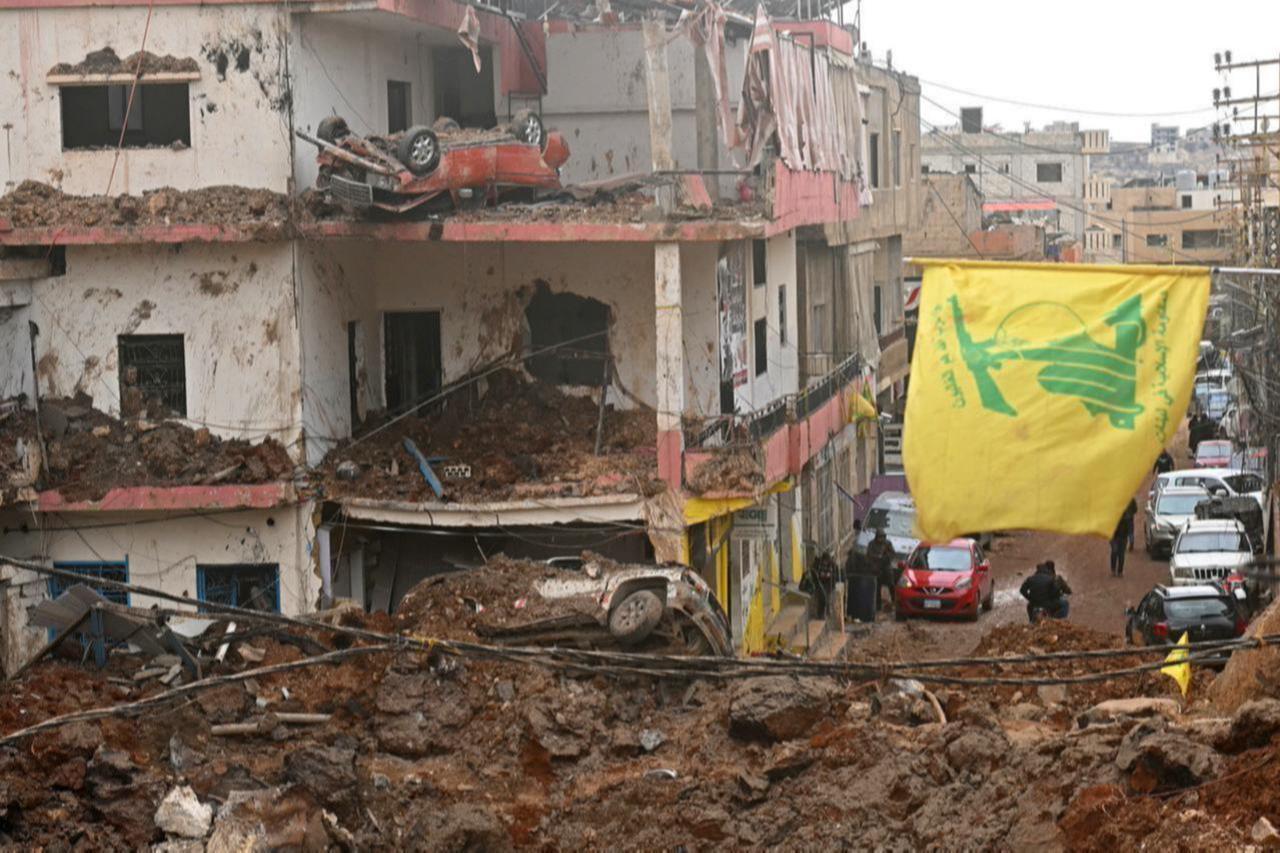
The meeting went ahead over fierce objections from Hezbollah, whose leader Naim Qassem delivered a televised address Monday calling on Lebanon to cancel the talks. "We reject negotiations with the usurping Israeli entity," he said, urging what he described as "a historic and heroic stance" of refusal. Qassem dismissed the process as "futile" and one that would require Lebanese consensus his group was unwilling to provide.
Hundreds of Hezbollah supporters protested against the planned negotiations on Friday and Saturday, targeting Lebanese Prime Minister Nawaf Salam with accusations of collaboration with Israel.
Israeli Prime Minister Benjamin Netanyahu, meanwhile, spelled out his government's conditions on Saturday: "We want the dismantling of Hezbollah's weapons, and we want a real peace agreement that will last for generations." That position clashes directly with Qassem's, who insisted the Lebanese army could not and would not be used to disarm his group, accusing both Israel and the United States of pushing that agenda.
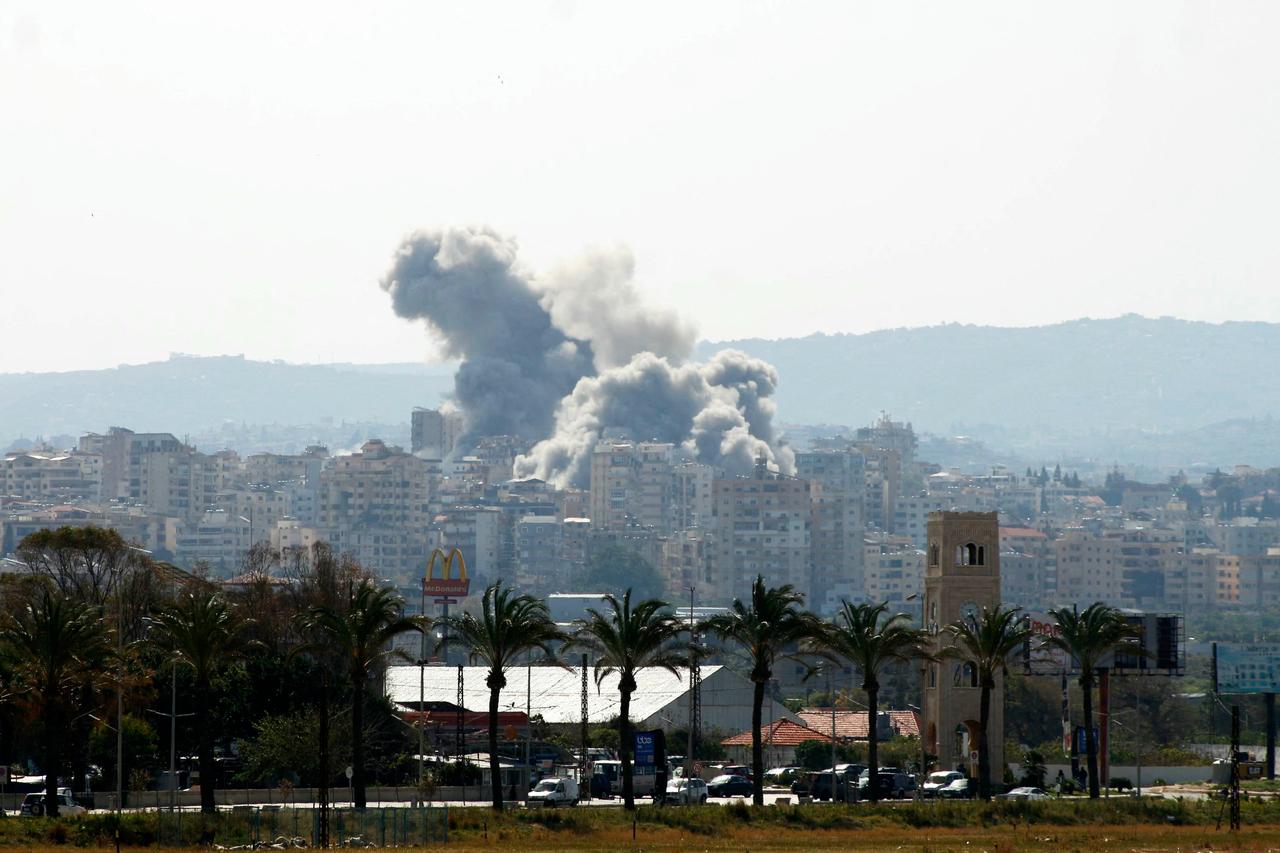
On the ground, Israeli military continued operations in southern Lebanon even as the talks commenced in Washington. The Israeli army said Monday that its troops had completely surrounded Bint Jbeil, a key southern town, while Hezbollah continued to claim attacks against Israeli soldiers there. On Tuesday, the Israeli military reported that one soldier had been killed in southern Lebanon, the first fatality since a temporary U.S.-Iran truce came into force, which Israel says does not apply to its operations in Lebanese territory.
The broader toll of the conflict since Hezbollah entered the war in March has been severe: Israeli strikes have killed more than 2,000 people in Lebanon and displaced over a million. Lebanon pushed to bring Israel to the table following nearly a month of fighting, including strikes on Beirut and other Hezbollah strongholds last week, even after a ceasefire had nominally taken effect.
Qassem, for his part, made clear his forces would not stand down regardless of diplomatic developments. Northern Israeli communities "will not be safe, even if the Israelis were to enter any area of Lebanon," he said, promising his fighters would remain "in the field until our last breath."


 Set as preferred source
 Set as preferred source


 1 min read
 1 min read