Newsletters


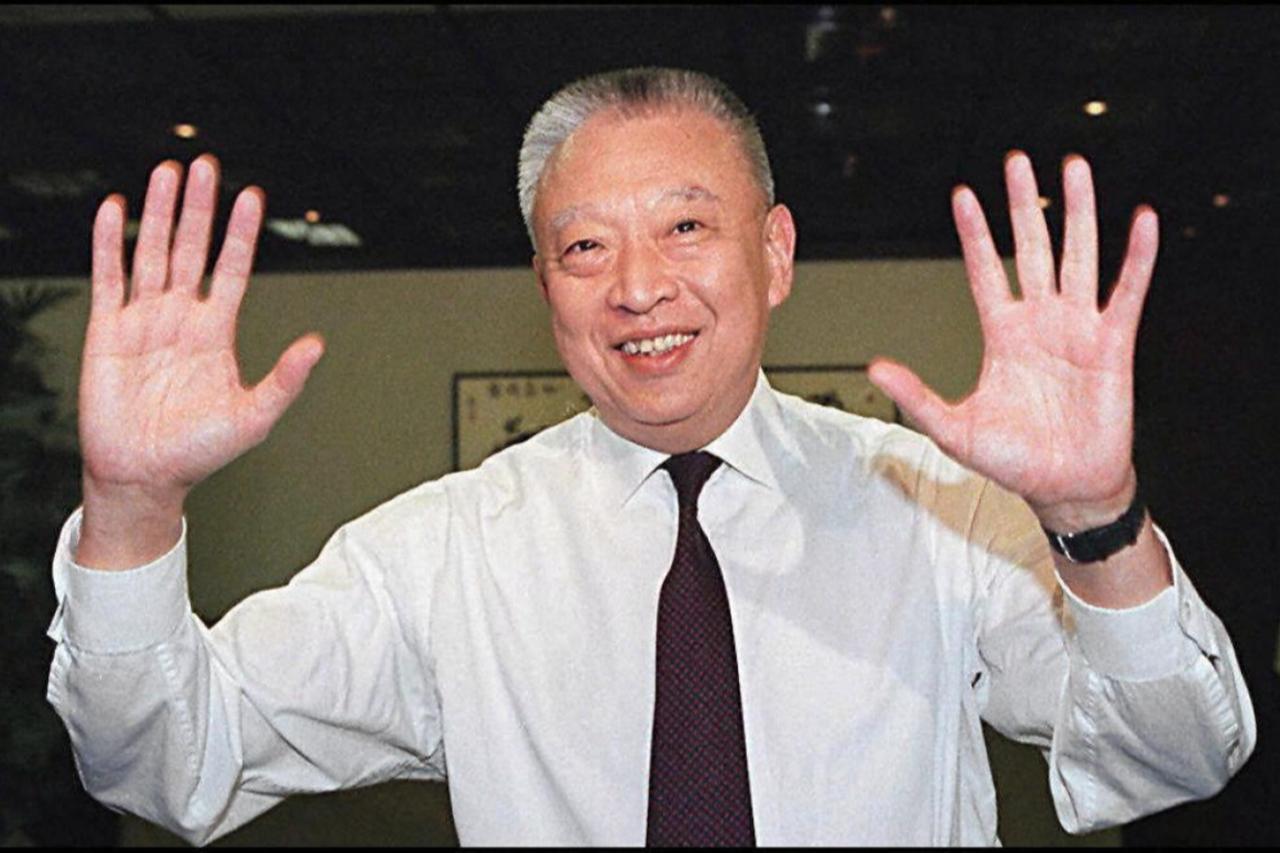


Tung Chee-hwa, who governed Hong Kong as its first leader after the territory's 1997 return to Chinese rule, has died at the age of 89, his office announced Wednesday. Beijing had selected the former shipping tycoon to lead the former British colony, though his time in office proved turbulent before he resigned in 2005.
"Tung passed away peacefully in the presence of his beloved family members on Tuesday," a statement from his office said.
"Mr. Tung dedicated his life with an unwavering commitment to the service of the Nation and the Hong Kong SAR. His contributions with integrity, compassion, and dignity will be well remembered," it said.
Known to be a Liverpool football fan with a distinctive gray crew cut, Tung was born in Shanghai on May 29, 1937, into one of China's richest shipping dynasties.
His family moved to Hong Kong in 1947, according to his biography on a government site. He graduated from the University of Liverpool with a degree in marine engineering in 1960 and worked in the United States before returning to Hong Kong to join the family business in 1969.
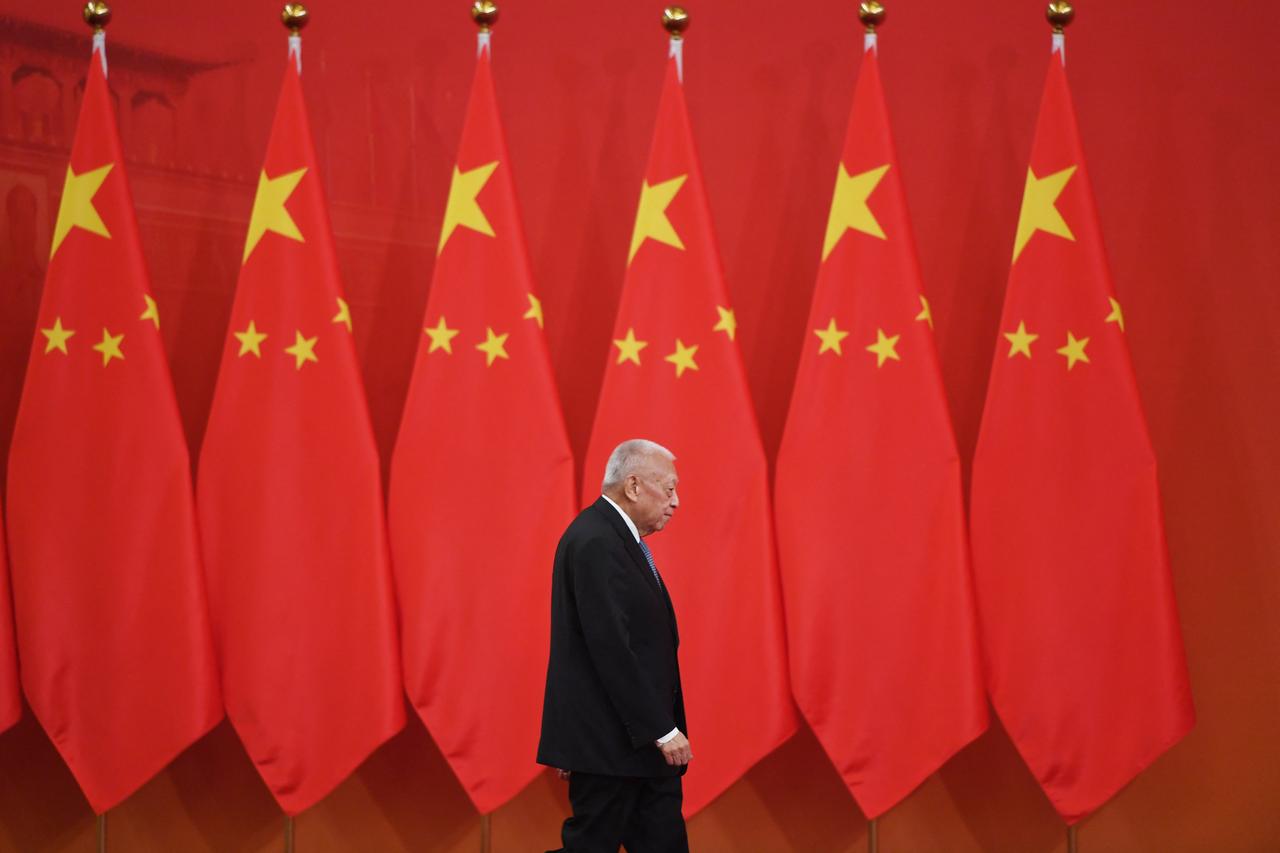

In 1985, Tung joined a committee helping to draft the Basic Law, Hong Kong's mini-constitution that has shaped the territory's governance since the 1997 handover from Britain.
Quietly navigating political circles on both sides of the border, he served on Beijing's advisory body and Hong Kong's cabinet. Viewed as a reluctant leader thrust into a high-stakes role due to his strong ties to Beijing, Tung endured a turbulent eight-year tenure marked by policy missteps and growing anxiety over mainland interference.
His early years in office collided with the Asian financial crisis, soaring unemployment, and a devastating property market crash that severely impacted residents. A major turning point arrived in July 2003, when half a million people marched against proposed restrictive anti-subversion laws backed by China. Although the government eventually shelved the bill, the anniversary protest became an annual tradition through 2020.
Public discontent surged again in 2004 amid demands for greater democracy, culminating that December in a public reprimand from then-Chinese President Hu Jintao over the administration's poor performance. Tung resigned in 2005 with two years remaining in his second term, citing health reasons, and was succeeded by chief secretary Donald Tsang. He later served as vice chairman of China's top political advisory body.
In his later years, Tung stepped back from public life, with local media noting his consistent absence from the annual July 1 flag-raising ceremonies.


 Set as preferred source
 Set as preferred source


 2 min read