Newsletters


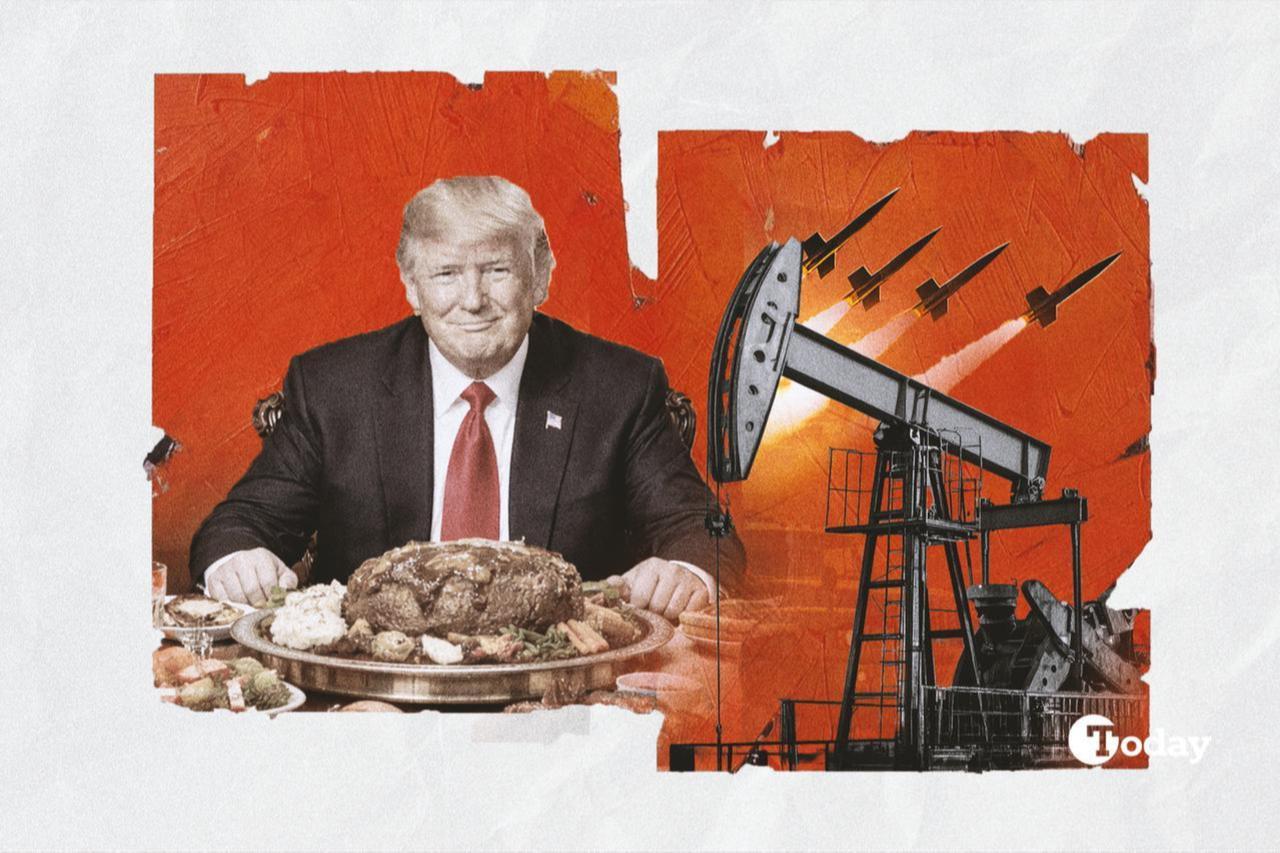


John Steinbeck knew exactly what the American heartland looked like when the social contract collapsed. "And the hunger was in the eyes of the people," he wrote in The Grapes of Wrath, "and the fear of hunger was in the eyes of the hungry... and in the eyes of the people there is the failure; and in the eyes of the hungry there is a growing wrath."
The standard expectation, when a U.S. administration wages a war of choice thousands of miles from home, is that the cities erupt.
The educated, the connected, and the cosmopolitan take to the streets, sign the petitions, and organize the teach-ins. But right now, it is the cornfields that are turning. The American urban scene is empty, while the rural reaction is growing even further.
Iowa offered the first concrete proof. Trump's endorsed gubernatorial candidate lost the Republican primary this week, his first such defeat in a primary season he had otherwise treated as a victory lap.
The numbers behind the loss are more unsettling than the result itself: rural voters who backed Trump over Kamala Harris by 18 points in October 2024 now disapprove of him by 14 points, according to Trump-leaning Fox News’ poll.
On the specific question of inflation—the issue that, more than any other, carried him back to the White House—rural voters once trusted him by 37 points.
They now rate him 19 points underwater on it.
The connection to the Iran war is not rhetorical. Geopolitical instability has a way of arriving at the feed store before it arrives on the op-ed page.
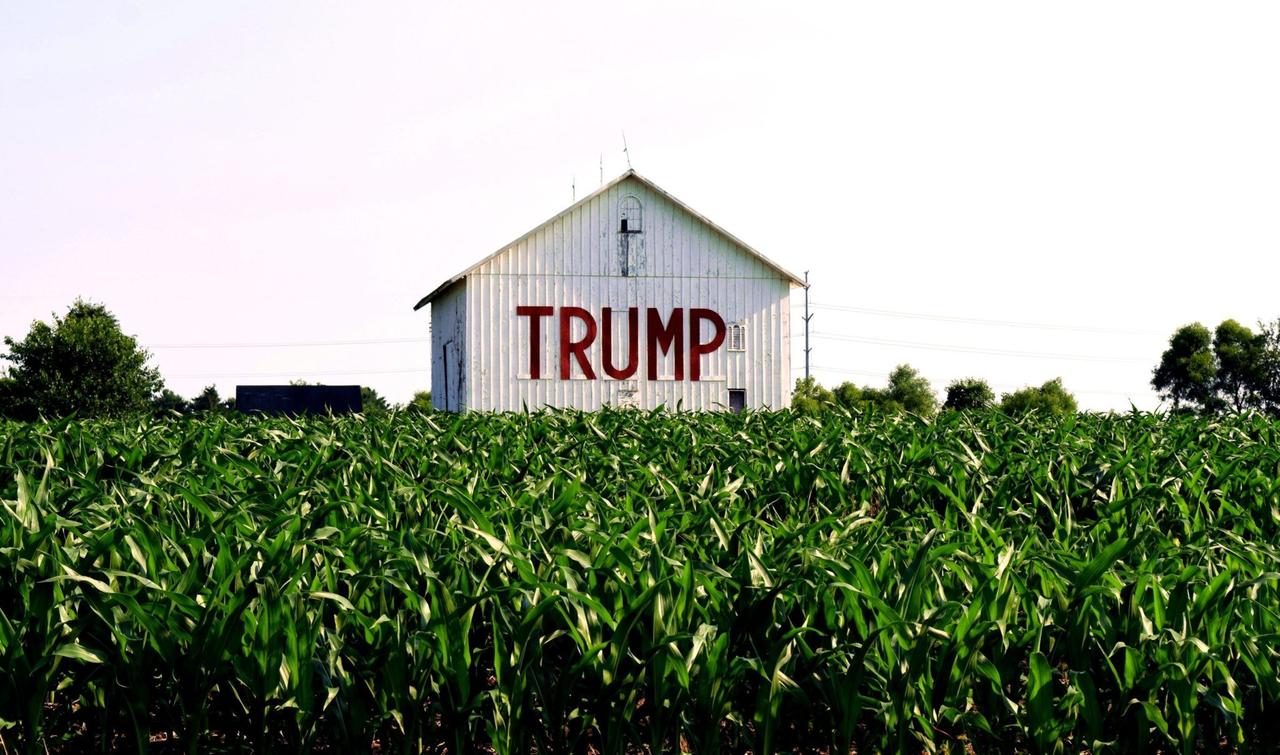

The Iowa gubernatorial primary offered a case study in what happens when political loyalty reprices in real time. Trump endorsed Randy Feenstra, a congressman, late in the race.
Feenstra won the absentee vote by 15 points—the ballots cast before the endorsement landed. Among those who voted on Election Day, however, challenger Zack Lahn won.
More striking still: among Election Day voters who were specifically aware of Trump's endorsement of Feenstra, Lahn was viewed more favorably. Iowa Republicans essentially said, "We hear you, but we are dismissing the message.
The loyalty that once made a Trump endorsement a near-automatic primary winner is giving way to something more local, more self-directed, and considerably more difficult to manage from Mar-a-Lago.
Probably the worst news for the GOP is that the Iowa Senate race now seemingly shifts toward Democrats.
Meanwhile, the Bureau of Labor Statistics' Producer Price Index for April showed a 1.4% month-on-month rise—the largest single-month increase since 2022—with overall inflation sitting at its highest in three years. For a rural voter whose cost structure is more exposed to energy prices, agricultural inputs, and supply chain disruptions than his suburban counterpart, a war in the Persian Gulf is not an abstraction debated on cable news. It is the bill that arrives at the end of the month.
Trump's political formula in 2024 was elegantly simple: economic pain under Democrats, economic competence under him.
The formula only works if the economy cooperates. It is not cooperating. And the rural voters who were the most enthusiastic buyers of the original pitch are processing the discrepancy the most acutely.
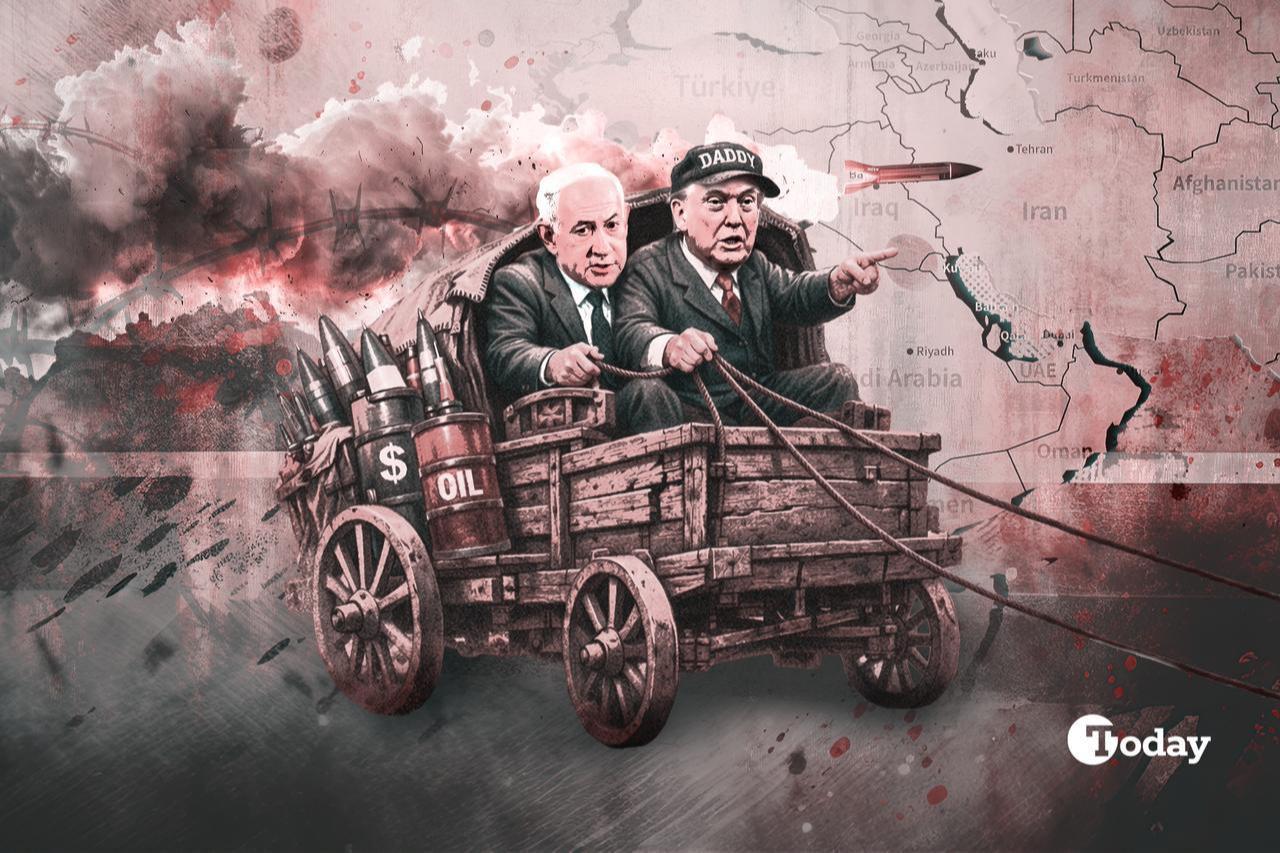
None of this is happening in a vacuum, sealed off from the Middle East. The war in Iran—by polling measures the most unpopular conflict at its outset in modern American history—began with a net approval rating of -9 points. It has since declined to -23 points overall and -40 points among independents.
On the constitutional question of whether the president should be able to deploy military force without congressional approval, the polling is unambiguous: 63% of all Americans oppose it, and 72% of independents do.
And yet the strangest finding may be the near-unanimous sentiment on the Iran ceasefire: 77% of all Americans—96% of Democrats, 81% of independents, and a majority of Republicans—want negotiations to continue rather than the conflict to escalate.
A majority of Republicans, in other words, want the president of their own party to hold fire. That the party enforcing the ceasefire commands less enthusiasm for it among its own voters than the opposition does is a political irony that defies easy summary.
While rural voters are absorbing the war's cost at the pump, their elected representatives are mostly declining to notice. Ted Cruz, the Texas Republican who chairs the Senate Commerce Committee, is already waving off the Iran war's economic impacts as a factor in the midterms—a dismissal that may look bolder in retrospect than it does today.
The arithmetic is not abstract.
The war has cost American taxpayers an estimated $29 billion, according to testimony from a senior Pentagon official before Congress. In March, U.S. households suffered the largest single-month increase in gasoline and diesel prices since record-keeping began in 1967.
"Every time I drive past the gas price sign, it really gets on my nerves," an American citizen living in rural Maryland told Türkiye Today.
But perhaps what finally broke the rural mandate was not the prices themselves—rural America has weathered hard seasons before—it was the response to them.
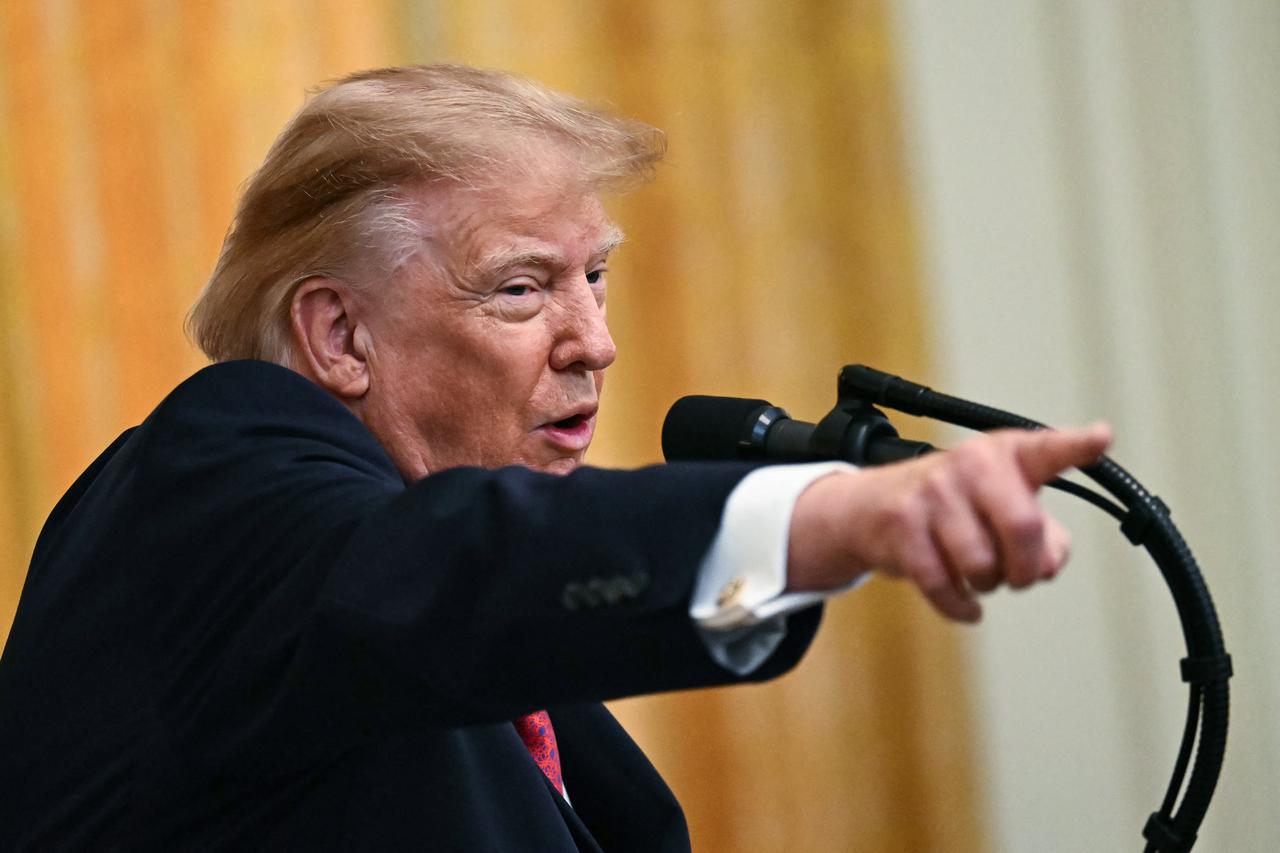
When asked at the White House in early May whether Americans' financial situations were motivating him to pursue a deal with Iran, Trump was characteristically direct: "Not even a little bit."
Four words that may prove more politically costly than any polling swing. Rural voters did not just feel the pinch; they heard, clearly and on the record, that the pinch was not being felt in return.


 Set as preferred source
 Set as preferred source


 4 min read