Newsletters


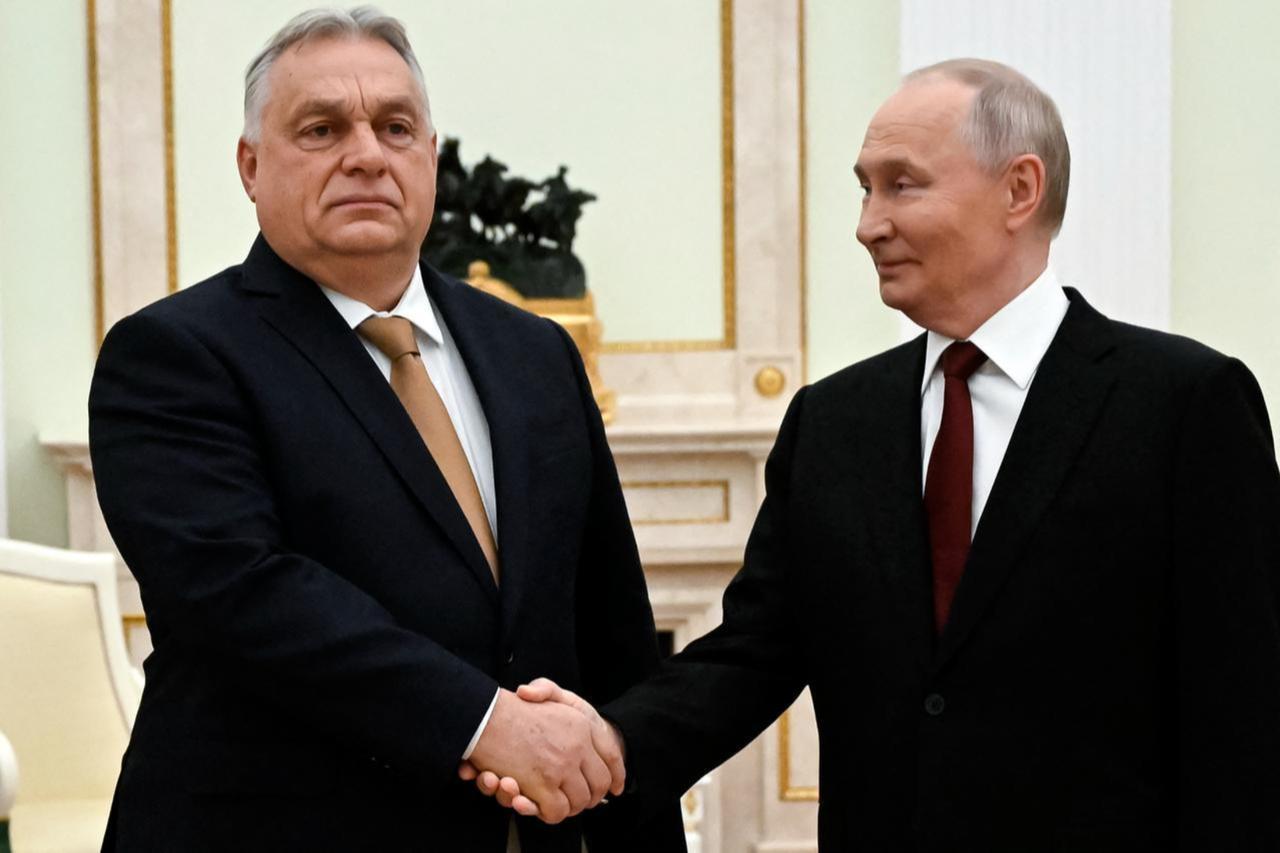


Hungarian Prime Minister Viktor Orban sharply escalated his confrontation with the European Union on Saturday, describing the bloc's plan to seize frozen Russian assets as a "declaration of war" and vowing to fight any attempts to bypass Budapest in accessing the funds.
Speaking ahead of this week's EU summit in Brussels, Orban criticized European leaders for pushing forward with a proposal to use frozen Russian state assets—estimated at €200-300 billion ($235-352 billion)—to finance a loan for Ukraine. He singled out German Chancellor Friedrich Merz, European People's Party leader Manfred Weber, and European Commission President Ursula von der Leyen for prioritizing loans from financial markets over assessing each member state's capacity to fund the ongoing conflict.
"I'm going to Brussels to fight, with the fact that they are reaching for Russian assets bypassing Hungary," Orban said, according to Magyar Nemzet. "I've never seen anything like this, where €200-300 billion worth of assets are lost, with no consequences."
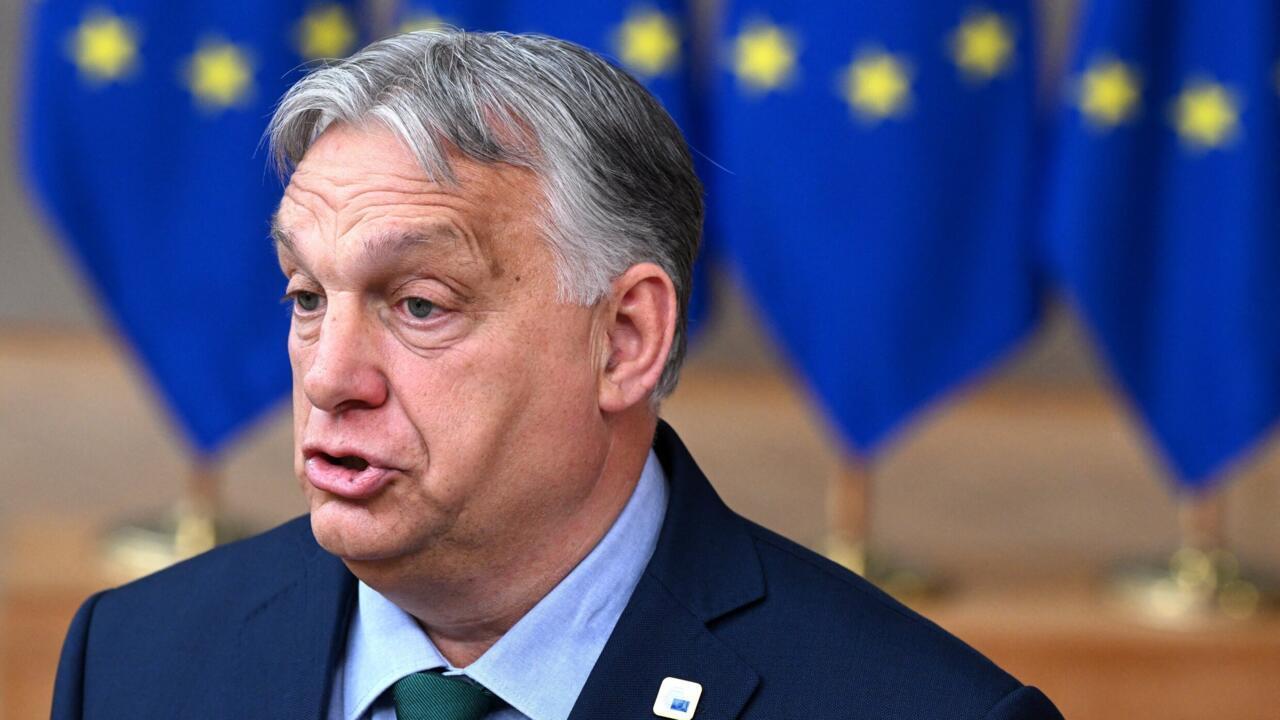

Orban warned that his government would oppose any EU mechanism designed to circumvent Hungarian participation in decisions about the frozen assets, which were immobilized in Belgium when Russia launched its full-scale invasion of Ukraine in February 2022. He characterized the proposed seizure as "an extremely unusual and dangerous thing."
The Hungarian leader framed the debate as a choice between tapping Russian funds or collecting money from member states to back a larger loan, suggesting EU officials were avoiding the politically difficult path of asking countries to contribute directly.
Italy joined the chorus of skepticism, with Deputy Prime Minister Matteo Salvini cautioning that freezing Russian assets was "risky and imprudent." He pointed to the 314 Italian companies operating in Russia that generate revenue and employment, according to ANSA news agency.
"The Italian government did well to make things clear, because, after all, we are in a free market, we are not at war with Russia," Salvini said. "It seems to me that Brussels is playing with fire."
The EU's plan faces mounting legal and diplomatic obstacles. Belgium has raised concerns about the legality of seizing the assets, most of which are held at Euroclear, the Brussels-based financial institution that serves as a central securities depository. Russia's central bank has called the proposal illegal and reserved the right to take any measures necessary to protect its interests.
On Friday, the European Union moved to "indefinitely immobilize" Russian state assets, setting the stage for EU leaders to decide on allocating the funds to Ukraine at a summit scheduled for December 18-19 in Brussels.
The frozen Russian assets represent one of the largest pools of state funds ever immobilized by international sanctions, creating both a potential source of reconstruction financing for Ukraine and a legal quagmire that has divided EU member states over questions of international law and economic sovereignty.


 Set as preferred source
 Set as preferred source


 1 min read
 1 min read