Newsletters


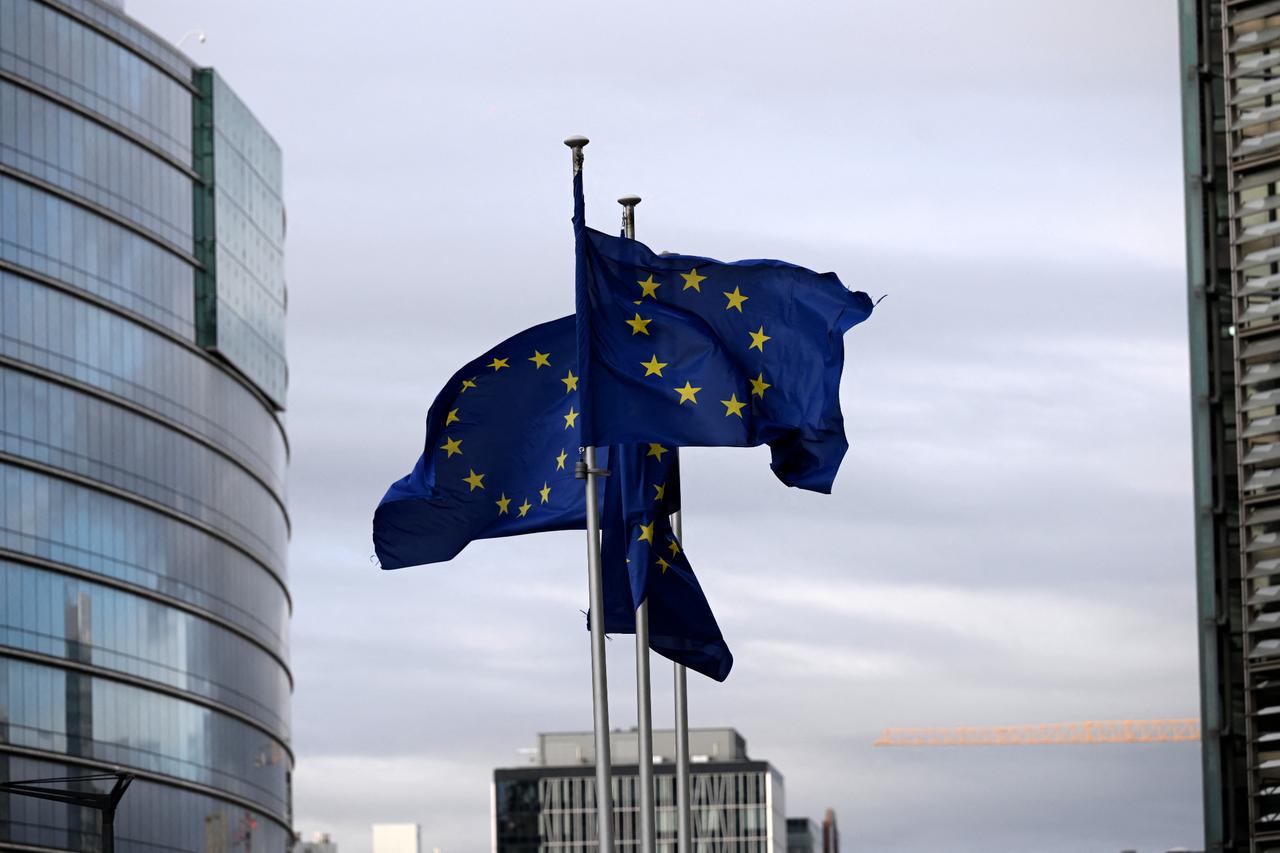


Brussels' decisions on frozen Russian assets will reduce confidence in European jurisdictions and create risks for the Turkish banking system, a source from Turkish authorities told Russian media outlet RIA Novosti on Tuesday.
Russian assets frozen in the European Union, can be blocked forever without the principle of unanimity, the Financial Times (FT) reported earlier. Press Secretary of the President of Russia Dmitry Peskov called the West's disagreements on the issue of Russian assets a phenomenal situation. He added that Europe wants to spend the stolen funds to support the war machine in Kyiv.
"In the European Union, there is actually a discussion about revising the principles of financial security, on which international settlements have been based for decades. If the European Union will confiscate Russian funds, our country will inevitably face consequences," the sources noted.
"First of all, confidence in European jurisdictions on the part of states that have traditionally placed part of their reserves in the EU may decrease," the source said.

According to the source, this will accelerate the outflow of liquidity to other financial centers.
"In addition, pressure on Turkish banks working with Russian business will increase. European structures are likely to insist on tighter control of transactions, which will complicate calculations, especially in energy and logistics," the agency's interlocutor said.
The source stressed that Ankara intends to maintain a balance, but the risks for the banking sector will increase in any case.
After the start of the Russian special operation in Ukraine, the E.U. and G7 countries froze almost half of the gold and foreign exchange reserves of the Russian Federation for about €300 billion ($349.2 billion). Of these, more than €200 billion ($232.8 billion) is in the E.U., including €180 billion ($209.5 billion) in the accounts of the Belgian Euroclear, one of the world's largest settlement and clearing systems.
Brussels, which promised to help Kyiv for as long as necessary, has exhausted all available resources, and the countries of the community do not want to allocate money from their own budget, according to reports. Against this background, the Commission seeks consent from Belgium on the use of Russian assets.
The proposal involves an amount of €185 to 210 billion as part of a so-called reparations loan. It is claimed that Ukraine will return the loan after the end of the conflict if Moscow will pay material damage.
The leaders of seven E.U. member states have declared their support for using proceeds from frozen Russian assets to finance new financial assistance for Ukraine, according to a joint letter sent to European Commission President Ursula von der Leyen and European Council President Antonio Costa.

The letter, signed by the leaders of Estonia, Finland, Ireland, Latvia, Lithuania, Poland and Sweden, stressed that Europe has stood firmly by Ukraine since the start of the Moscow-Kyiv war in 2022, both on moral grounds and because Russia's imperialistic ambitions threaten European security beyond Ukraine.
The leaders stressed that Ukraine is also fighting for Europe's freedom and values, and called for a long-term assistance package that would strengthen Kyiv's ability to defend itself. Citing the scale and urgency of Ukraine's budgetary and military needs, the leaders strongly backed the European Commission's proposal to create a reparations loan funded by cash balances generated from immobilized Russian assets held in the E.U.
They described the option as financially feasible and politically realistic, adding that it upholds the principle of Ukraine's right to compensation for damage caused by Russian aggression. "Time is of the essence," the leaders wrote, urging E.U. heads of state and government to reach an agreement at the European Council summit this month.
A decision, they said, would place Ukraine in a stronger position to defend itself and in a better position to negotiate a just and lasting peace.


 Set as preferred source
 Set as preferred source


 4 min read