Newsletters


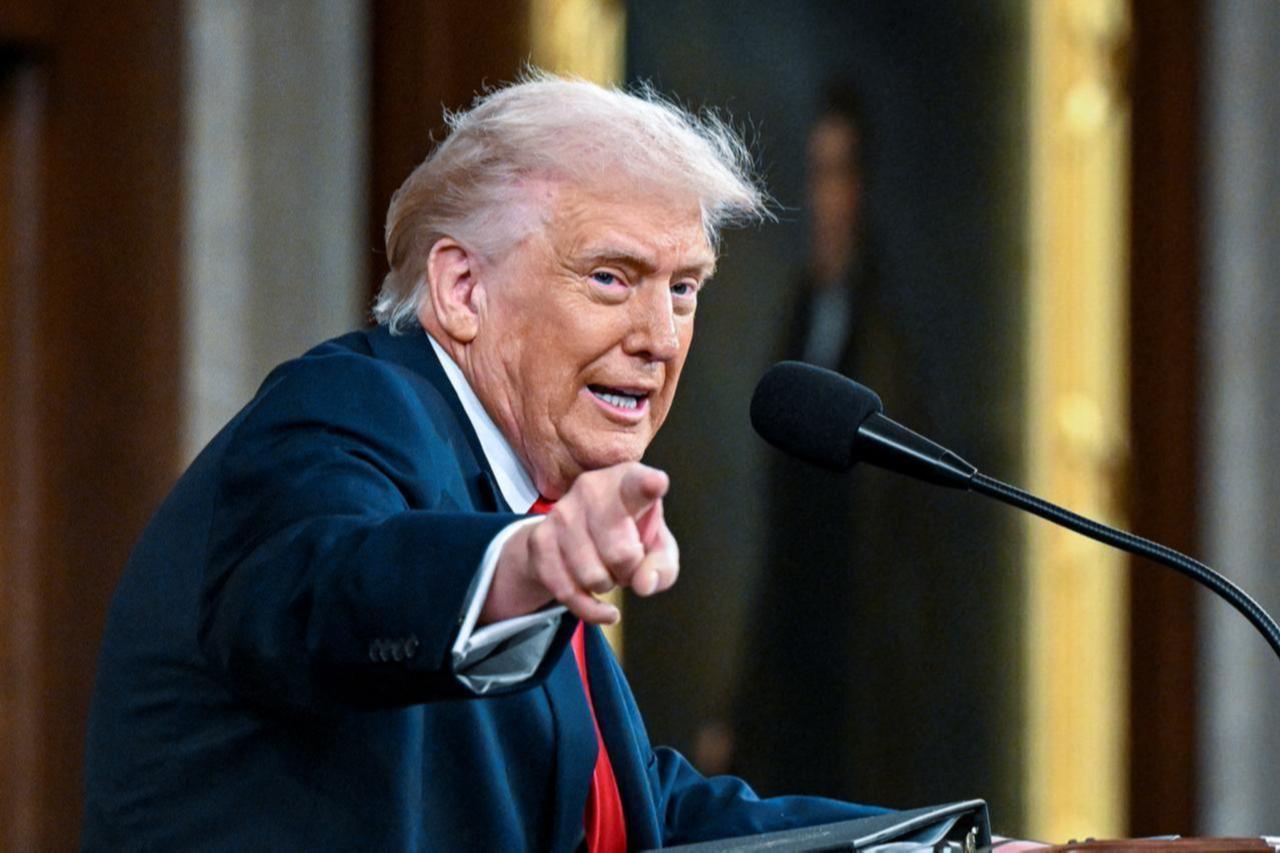


US President Donald Trump said Saturday that he has ruled out Kurdish participation in the ongoing military campaign against Iran, a sharp reversal from his enthusiastic endorsement of a potential Kurdish offensive just two days earlier.
Speaking to reporters aboard Air Force One after attending a dignified transfer ceremony at Dover Air Force Base for six American service members killed in Kuwait, Trump said Kurdish groups had expressed willingness to join the fight but that he had personally told them to stand down. "The war is complicated enough without having, getting the Kurds involved," Trump said, adding: "Yeah, I have ruled it out. I don't want the Kurds going in."
The statement marks a dramatic about-face. On Thursday, when asked about the prospect of a Kurdish ground assault inside Iran, Trump told Reuters he would welcome such a move. "I think it's wonderful that they want to do that, I'd be all for it," the president said in that interview, though he declined to say whether Washington would provide air support.
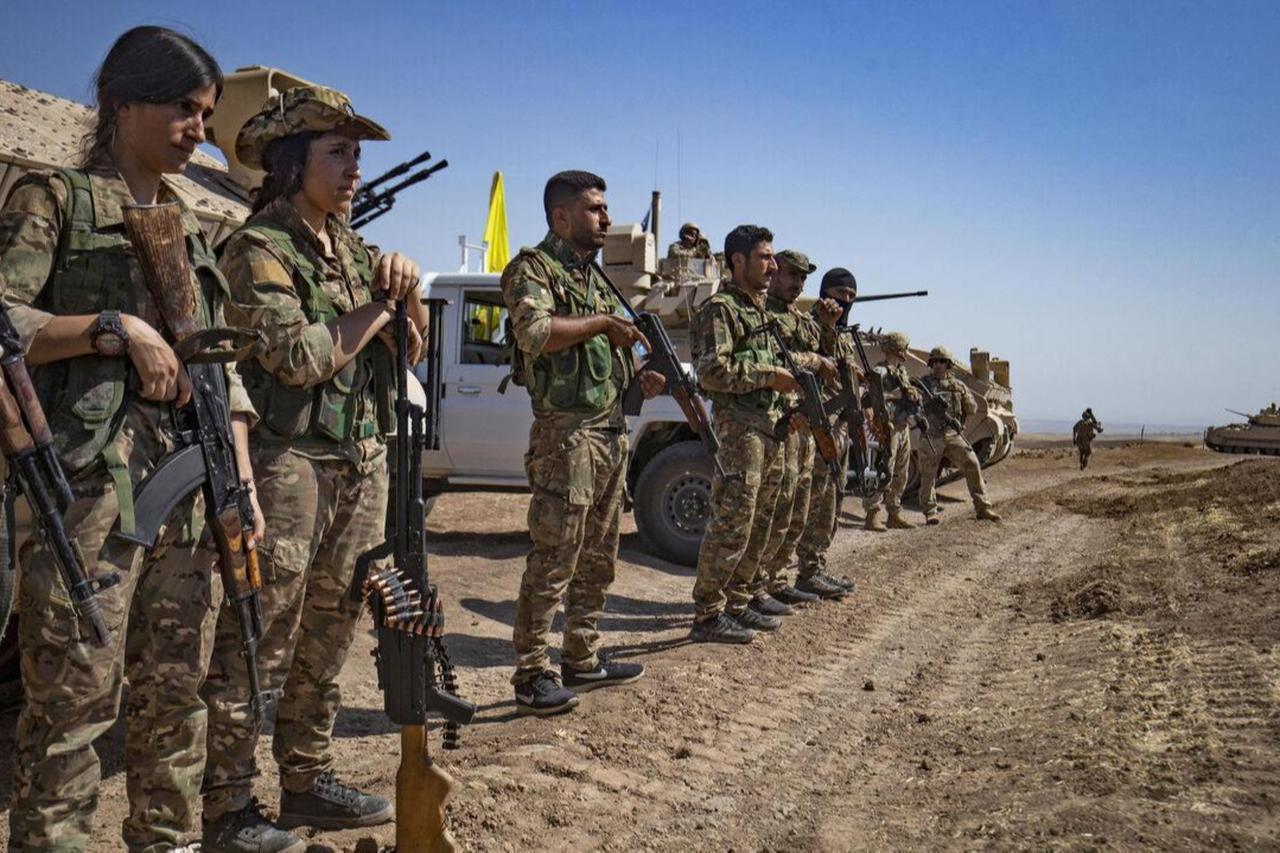

Trump's zigzag on the Kurdish question comes amid broader uncertainty about US war aims as the joint American-Israeli air campaign against Iran enters its second week. The president's Saturday remarks directly contradicted previous CIA efforts, reported by CNN, to arm Kurdish groups in hopes of sparking an uprising inside Iran.
The administration's messaging on the Kurds has shifted almost daily. CNN reported earlier in the week that the CIA had been working to arm Kurdish groups, and that the Trump administration was in active discussions with Iranian opposition groups and Kurdish leaders in Iraq about providing military support.
On Wednesday, White House press secretary Karoline Leavitt said Trump was not considering using Kurdish paramilitary formations for ground operations in Iran, while also confirming the president had spoken with Kurdish leaders about the US base in northern Iraq. By Thursday, Trump himself was openly backing the idea. By Saturday, he had reversed again.
The whiplash has left Kurdish groups and regional partners struggling to gauge Washington's intentions. A senior northern Iraq representative told Axios that Iraqi Kurds were staying neutral because there was no clarity on whether the US sought full regime change or simply a change in personnel in Tehran.


 Set as preferred source
 Set as preferred source


 1 min read
 1 min read