Newsletters


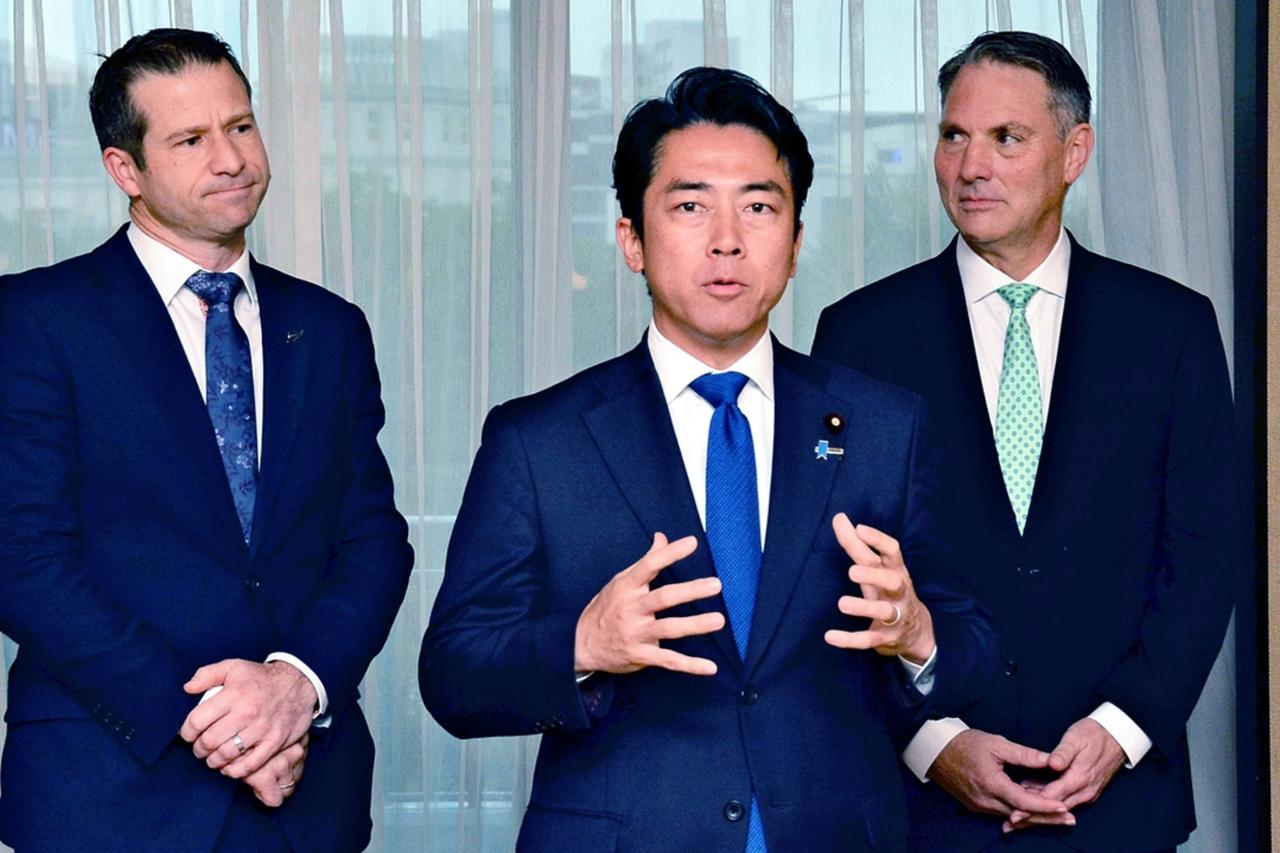


Indo-Pacific nations are expanding defense cooperation with each other as China’s military power grows and questions persist over the U.S. focus on the region, Reuters reported, citing interviews with defense officials at the Shangri-La Dialogue in Singapore.
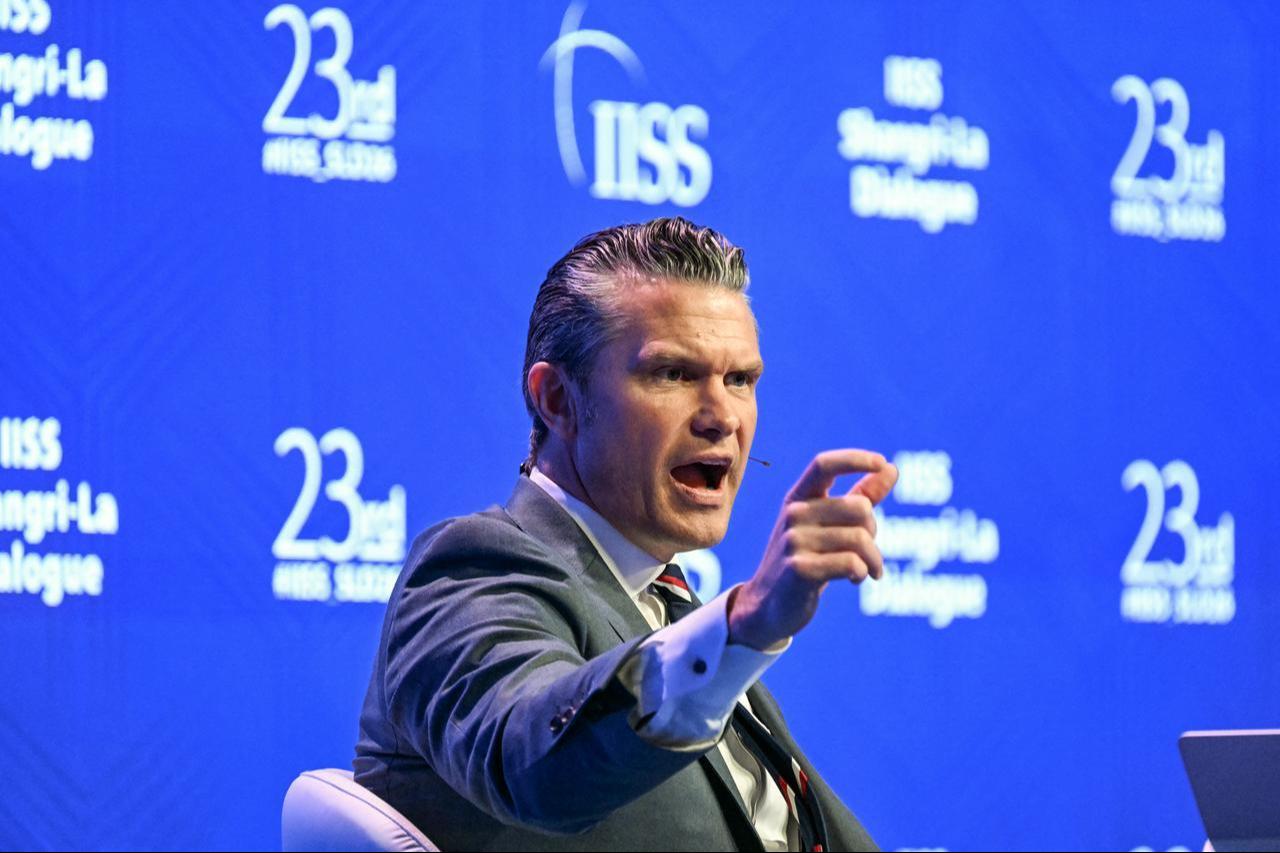
At Asia’s leading defense forum, U.S. Defense Secretary Pete Hegseth urged regional partners to shoulder more of the security burden, while officials voiced concerns that Washington’s attention could be divided by the conflict in Iran.
“We can do two things at one time,” Hegseth told the forum, where defense chiefs, military officials and intelligence figures gathered.

Philippines Defense Secretary Gilberto Teodoro told Reuters that defense chiefs at the forum agreed on the need to quickly scale up their own defense capabilities.
“All the defense secretaries here present are unanimous in the need to make agile and speedy upscaling of their own individual defense capabilities,” Teodoro said.
He described the regional push as “buttressing” the traditional U.S. role, with Manila deepening defense ties with Japan, Australia, Canada and New Zealand.
“The commitment of the United States becomes more solid when more actors, at least in the deterrence phase, come in, because there is a common threat,” he said.
Japanese Defense Minister Shinjiro Koizumi said he believed the U.S. commitment was “unwavering,” while acknowledging that some countries may still underestimate its resolve.
Japan is positioning itself as a hub for broader regional defense cooperation.
Koizumi said Tokyo aims to act as a “connecting point” for closer regional cooperation beyond China.
In April, Japan announced its biggest overhaul of defense export rules in decades, removing restrictions on overseas arms sales and opening the way for exports of warships, missiles and other weapons.
“Japan will be even more proactive in defense equipment cooperation,” Koizumi said. “Our aim is to ensure that each country has the capabilities it needs and to make them available when needed.”
Canada’s Chief of Defense Staff Gen. Jennie Carignan told Reuters that Canadian forces were expanding their presence in the region, working with Japan and the Philippines on cybersecurity and maritime exercises, while also helping Indonesian counterparts with English language training.
New Zealand Defense Minister Chris Penk said Wellington is considering Japanese and British vessels to replace its aging ANZAC-class frigates.
Singapore Defense Minister Chan Chun Sing said countries should develop flexible partnerships with like-minded nations and form “coalitions of the able and willing.”
He said such cooperation would help “bridge gaps, test ideas, and find paths in new and uncharted territories.”
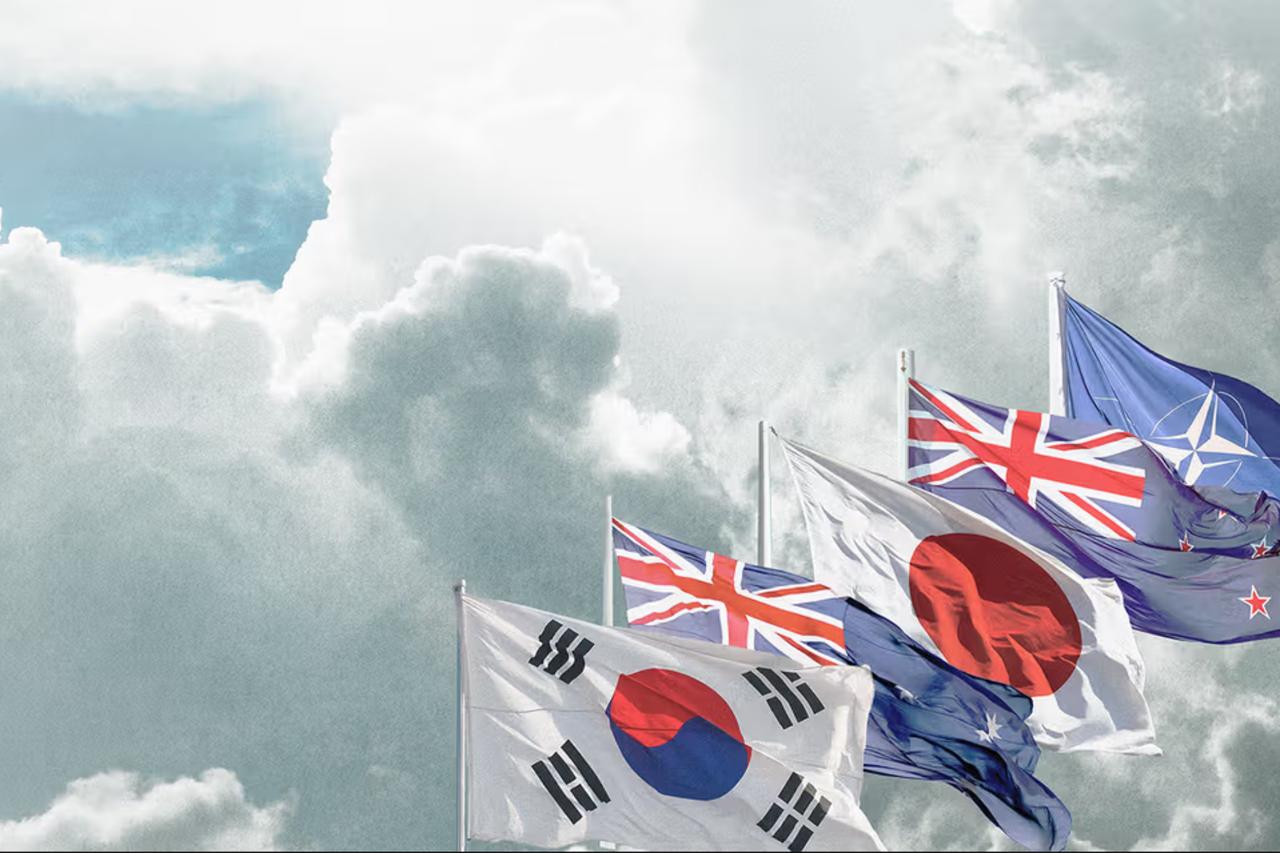
Penk also met counterparts from Singapore, Malaysia, Australia and Britain as they discussed expanding cooperation under the 54-year-old Five Power Defence Arrangements.
Penk said there was room to continue the pact “at a more intense level.”
Despite deeper regional defense ties, Asian officials said U.S. commitment to the Indo-Pacific remained strong despite the Middle East conflict and President Donald Trump’s “America First” policy.
“Our confidence is not swayed by reason of the involvement of the United States in Iran, for example, and in other areas,” Teodoro said.
Australian Defense Minister Richard Marles told Reuters that ties with Washington were “absolutely fundamental” to Australia’s national security.
“For both of us, the Trump administration and the Albanese government in Australia, we see ourselves as stewards of a relationship that goes well beyond us,” Marles said.


 Set as preferred source
 Set as preferred source


 1 min read
 1 min read