Newsletters


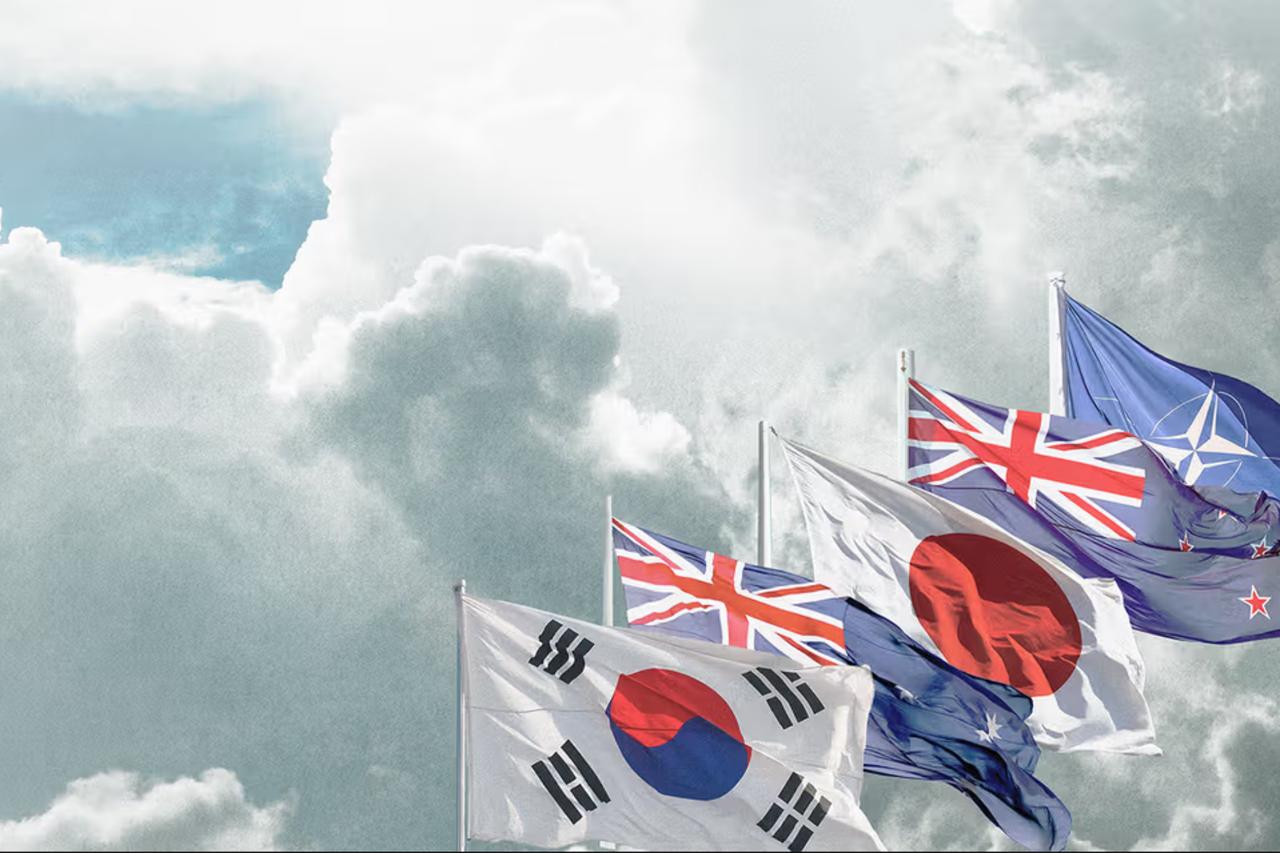


NATO allies are converging on an agreement to invite the leaders of Japan, South Korea, Australia and New Zealand to the alliance's annual summit in Ankara this July, with Türkiye pressing for the attendance of Japanese Prime Minister Sanae Takaichi as an opportunity to deepen rapidly expanding defense ties between the two countries.
Final arrangements for the invitations, which would also include the defense ministers of the four nations, are expected to be wrapped up as early as this week, a senior Turkish government official told Nikkei Asia.
"No objections have been raised by member states regarding the invitation," the official said, adding that the host country is working on "different formats for a meaningful participation of the visiting leaders."
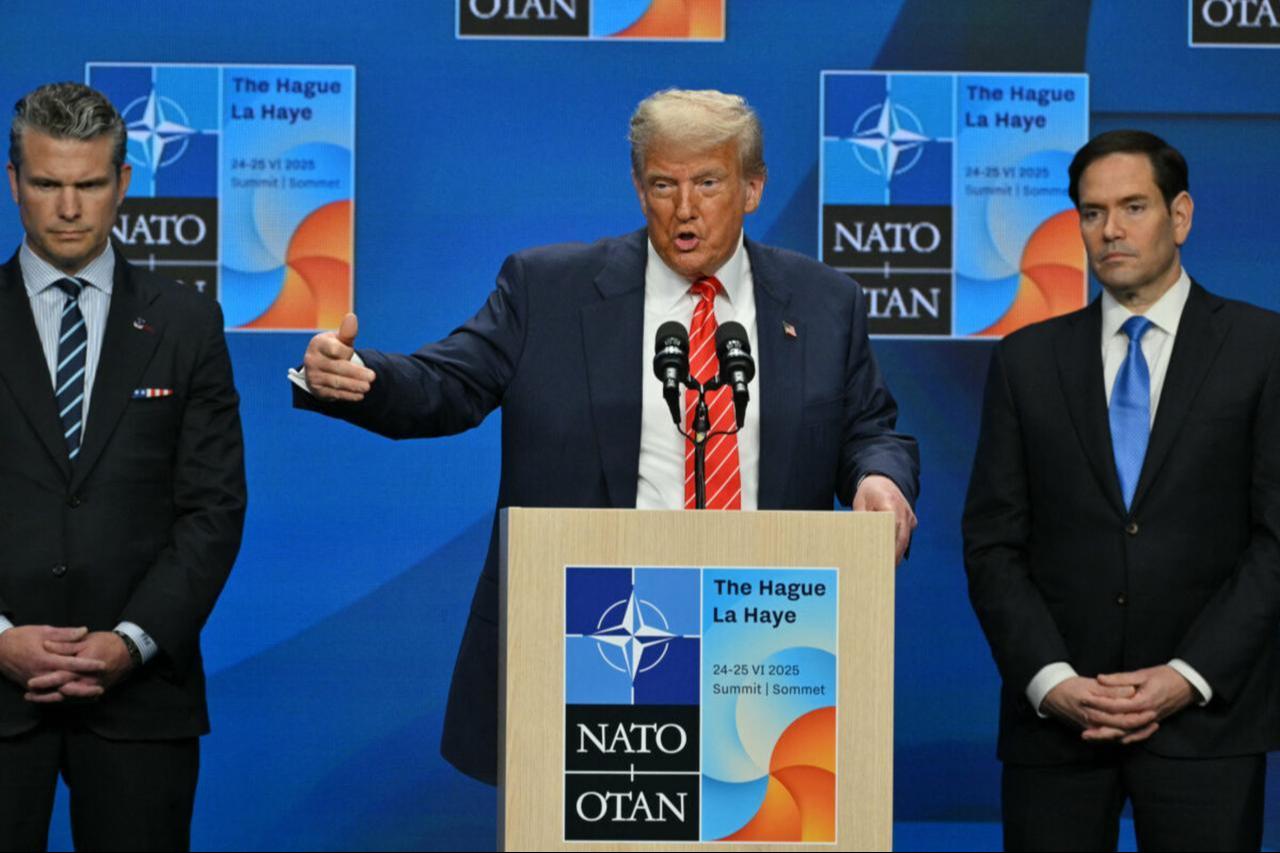
The July 6-8 summit comes at one of the most fraught moments in NATO's history, with the alliance under sustained pressure from U.S. President Donald Trump, who has repeatedly threatened to withdraw from the bloc and accused European allies of falling short on defense spending.
Trump's administration has also moved to negotiate an end to the Russia-Ukraine war without the involvement of European leaders, and has drawn further criticism from allies for its support of the conflict with Iran, a war the official acknowledged has sent shockwaves through the global economy.
Doubts persist over whether Trump will attend the Ankara summit, though Türkiye believes he will.

The four Indo-Pacific nations, collectively known as the IP4, have attended NATO summits since 2022, when their leaders joined the alliance's gathering in Madrid for the first time, marking a historic expansion of the bloc's engagement beyond the Euro-Atlantic.
Japan and South Korea did not send their leaders to last year's summit, a notable gap that Ankara appears intent on closing.
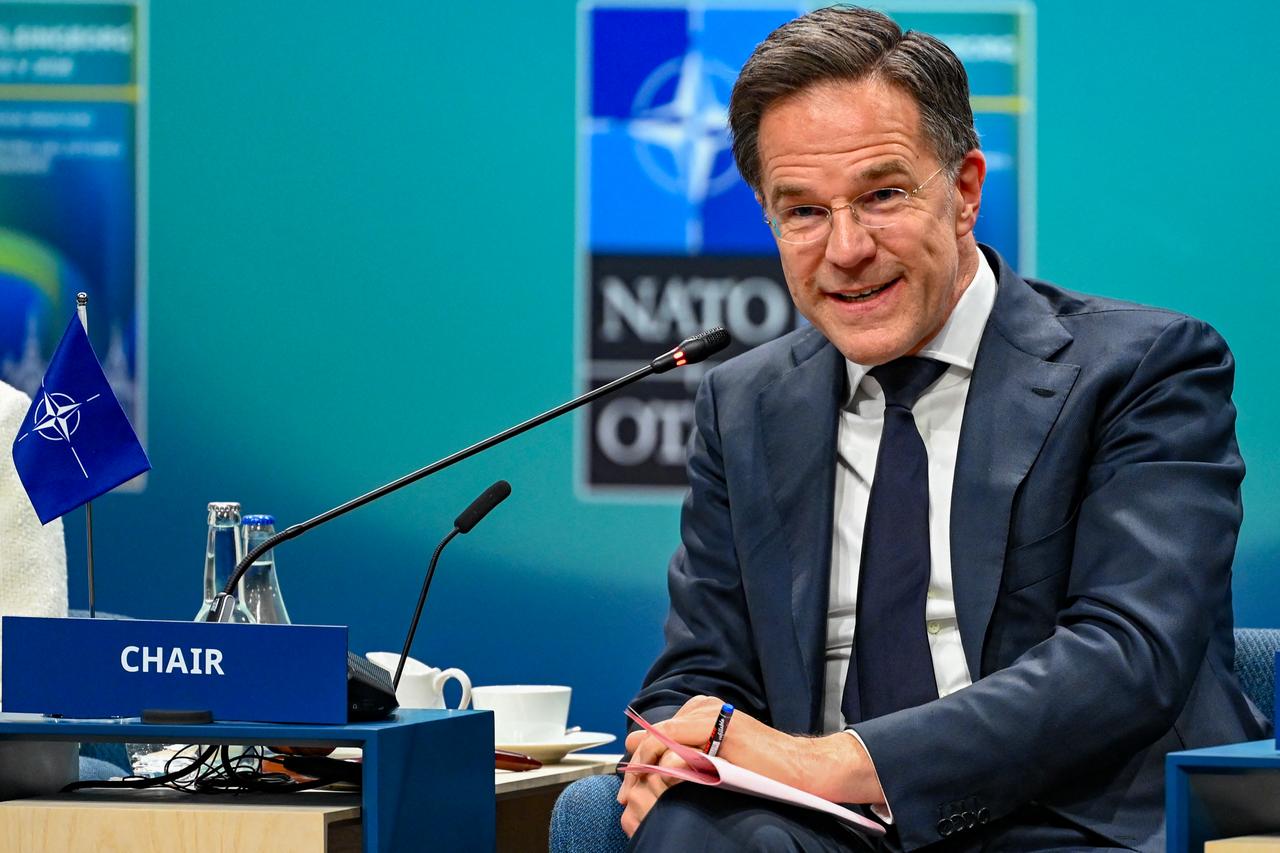
Once consensus among all 32 NATO members is reached, Secretary General Mark Rutte can formally issue the invitations. Rutte said last week that he had already invited Ukrainian President Volodymyr Zelenskyy to attend.
Any decision to invite partner nations outside the alliance requires the consent of all member states, and the host country cannot act unilaterally.
 1 min read
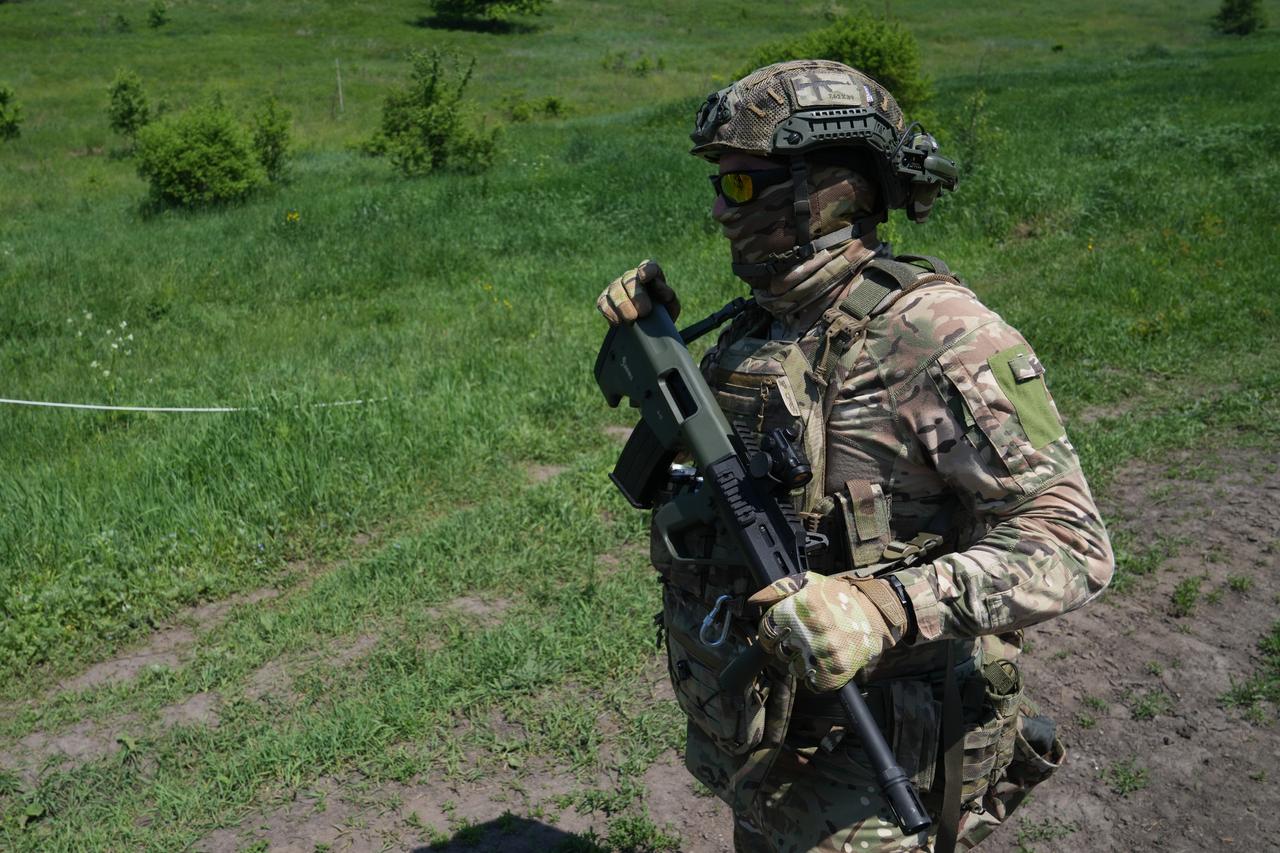
Beyond bilateral diplomacy, the Ankara summit will offer a broader platform for expanding NATO-IP4 cooperation. Priority areas include maritime security, the protection of undersea infrastructure, counterterrorism and cyber defense.
Japan has separately approached NATO's Defence Innovation Accelerator for the North Atlantic about next-generation technologies in cybersecurity and artificial intelligence, according to Tarja Jaakkola, NATO's assistant secretary general for defense industry, innovation and armaments.
Should Japan formally join the accelerator, it would become the first non-NATO country to do so. Jaakkola also confirmed that discussions are ongoing with all four IP4 countries about potential participation in Starlift, a NATO initiative to build a network of satellite launch sites.


 Set as preferred source
 Set as preferred source


 1 min read