Newsletters


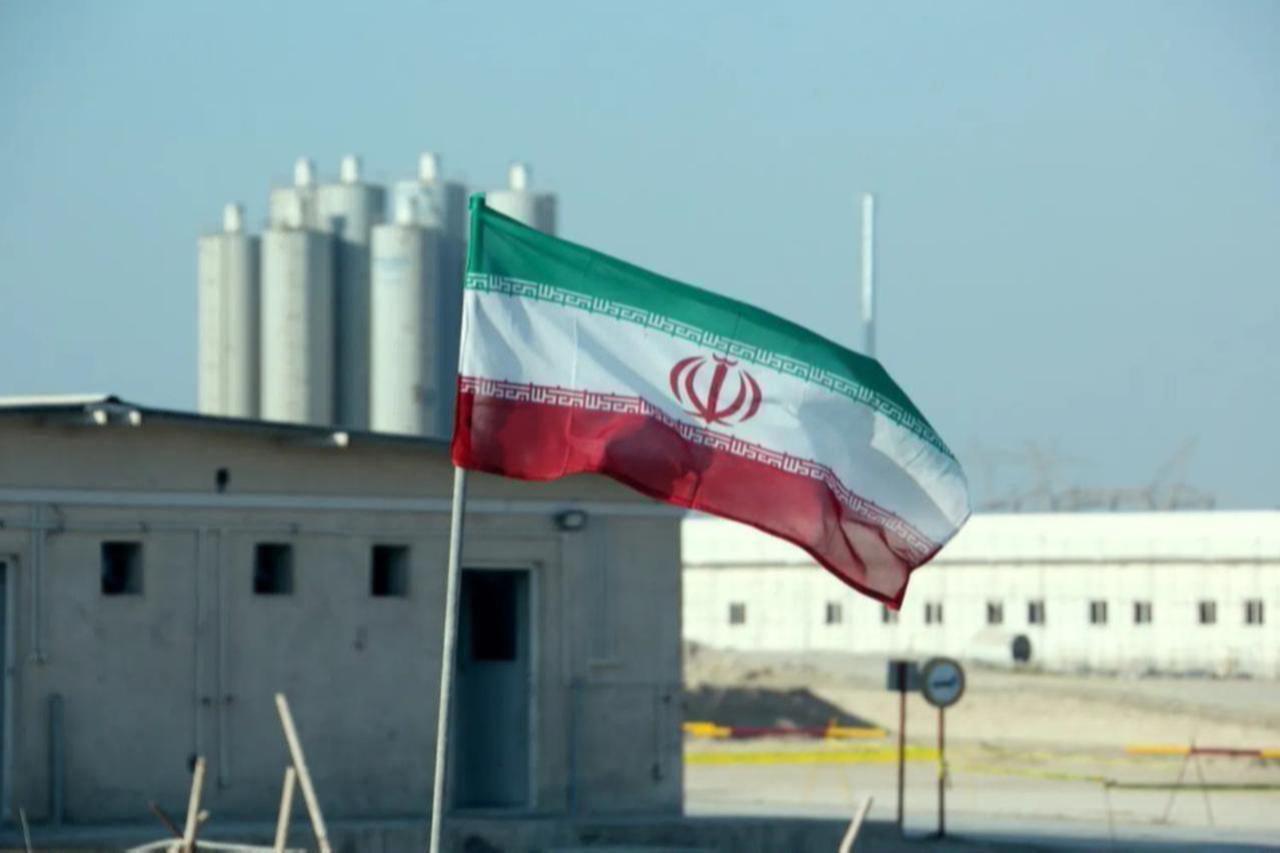


Oman's top diplomat announced Friday that negotiations between the United States and Iran have produced an agreement on eliminating Iran's stockpile of enriched uranium, a development he characterized as a significant breakthrough that goes beyond the terms of any previous nuclear accord.
Foreign Minister Sayyid Badr Albusaidi told CBS that the two sides have reached an understanding on "zero accumulation, zero stockpiling, and full verification" by the International Atomic Energy Agency, with existing enriched material to be down-blended and permanently converted into fuel. He expressed confidence that a broader peace deal remains achievable if diplomatic efforts are allowed to continue.
"The single most important achievement, I believe, is the agreement that Iran will never, ever have a nuclear material that will create a bomb," Albusaidi said, describing the framework as "something completely new" compared to the 2015 nuclear deal negotiated under former President Barack Obama.
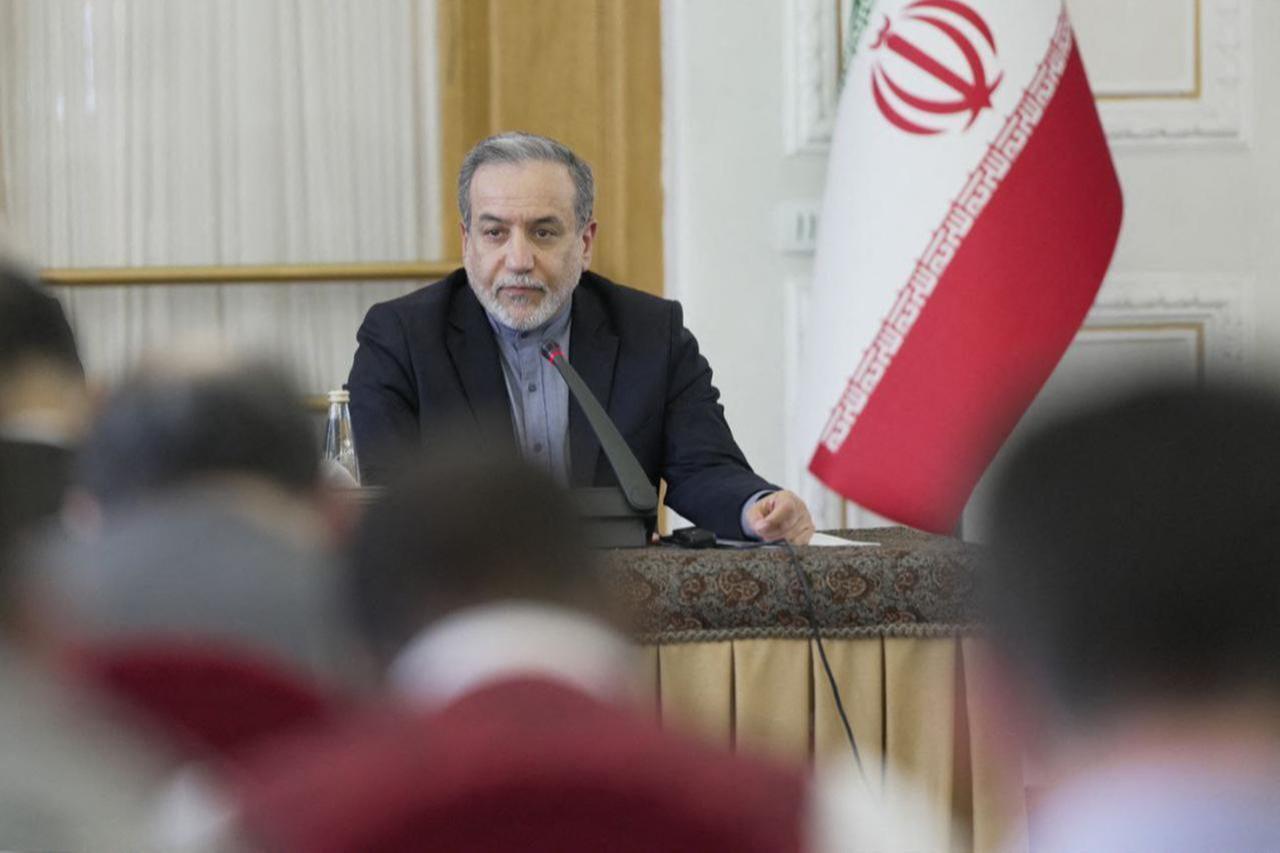

Under the emerging terms, Iran's current enriched uranium stockpiles would be reduced to the lowest possible level and converted into fuel in a process Albusaidi described as irreversible. He said this arrangement effectively renders the longstanding debate over enrichment levels "less relevant," since the material would be placed under comprehensive IAEA oversight and permanently transformed.
The IAEA, the United Nations' nuclear watchdog headquartered in Vienna, has for years monitored Iran's nuclear activities and reported on the country's growing stockpile of enriched uranium, which had expanded significantly since the collapse of the 2015 Joint Comprehensive Plan of Action.
Albusaidi indicated that the agreement could also eventually allow US inspectors access to Iranian nuclear sites "at some point in the process," provided the deal proves durable and is respected by both parties.
The Omani diplomat suggested that the broader political components of a deal could be finalized imminently, with technical discussions set to take place in Vienna. Implementation of the more complex elements, including stockpile reduction, verification protocols, and inspector access, could be completed within 90 days, he said.
Oman has long served as a quiet diplomatic intermediary between Washington and Tehran. The sultanate played a critical behind-the-scenes role in facilitating the secret talks that eventually led to the 2015 nuclear agreement, leveraging its unique position as a Gulf state that maintains cordial relations with both Iran and Western powers.
Albusaidi urged continued commitment to negotiations, warning that military action would only "complicate resolving this problem and delay it." He added, "I don't think any alternative to diplomacy is going to solve this problem."
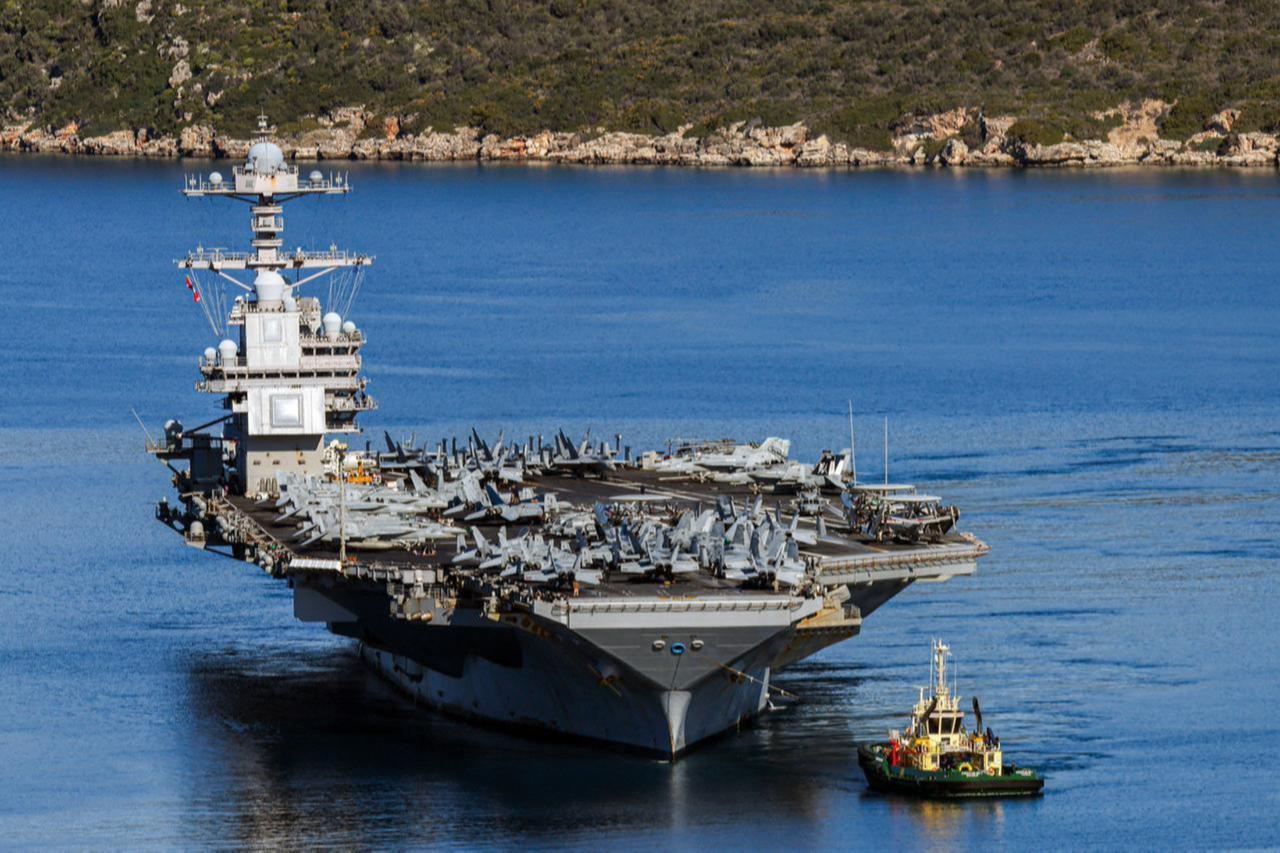
The diplomatic progress comes against a backdrop of escalating tensions in the region. The United States has in recent weeks reinforced its military presence in the Persian Gulf and signaled the possibility of military action to pressure Tehran over its nuclear and missile programs as well as its support for regional allies.
Iran has pushed back forcefully, with Tehran accusing Washington and Israel of manufacturing pretexts for intervention and regime change. Iranian officials have warned that any military strike, even a limited one, would provoke a response, while insisting that meaningful sanctions relief must be part of any agreement that restricts the country's nuclear program.
The 2015 JCPOA, which placed limits on Iran's nuclear activities in exchange for sanctions relief, was abandoned by the United States in 2018 under then-President Donald Trump. Iran subsequently began exceeding the deal's enrichment caps, and diplomatic efforts to revive the agreement stalled repeatedly in the years that followed.


 Set as preferred source
 Set as preferred source


 1 min read
 1 min read