Newsletters





Iran's Foreign Minister Abbas Araghchi said Friday that the United States must drop its "excessive demands" for a nuclear deal to be reached, after both sides reported progress at the third round of talks in Geneva and agreed to continue negotiations in Vienna next week.
"Success in this path requires seriousness and realism from the other side and avoidance of any miscalculation and excessive demands," Araghchi told Egyptian Foreign Minister Badr Abdelatty in a phone call during which he briefed his counterpart on the latest developments.
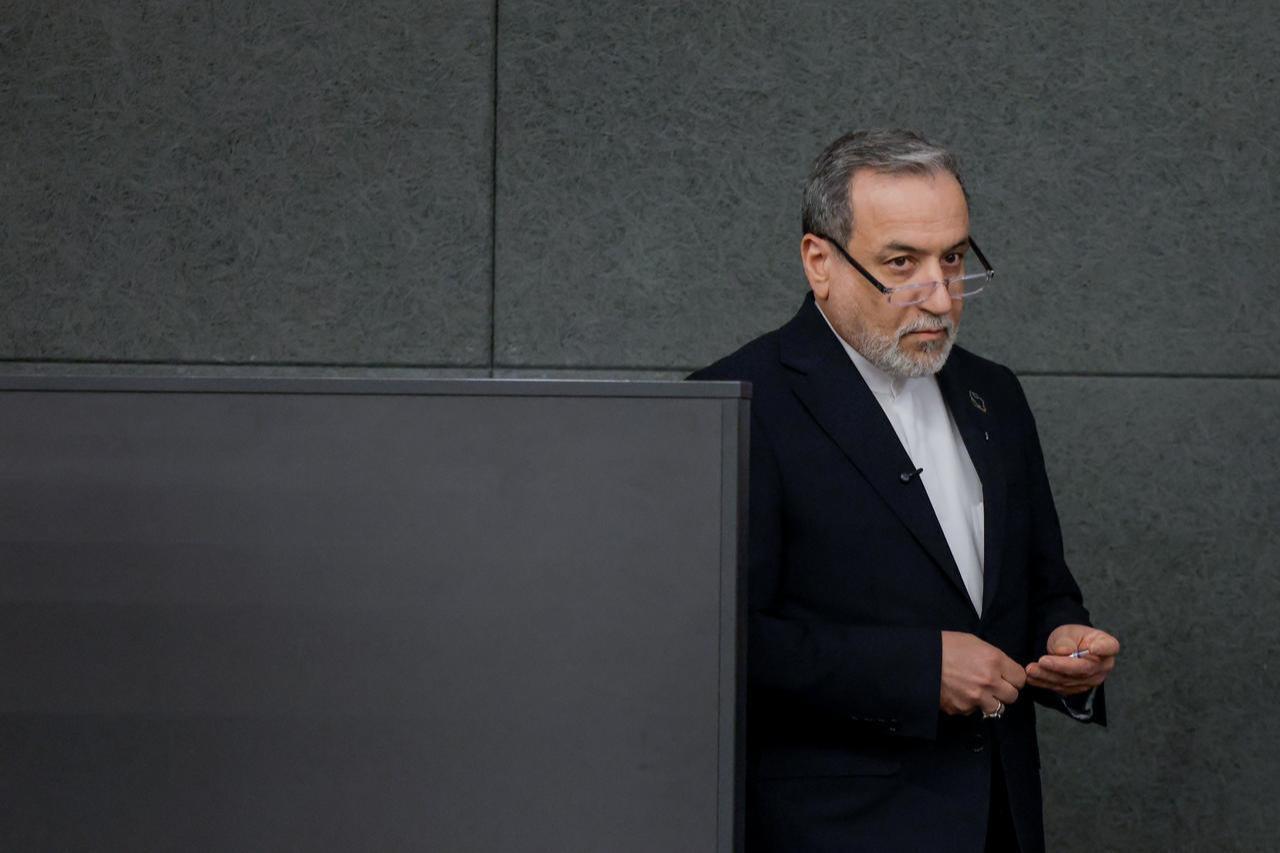

A senior Iranian official told Al Jazeera that the atmosphere at the Geneva talks was positive and that the probability of successful negotiations with Washington is high, provided those seeking war do not sabotage the process.
"In the Geneva talks, the U.S. position moved closer to the reality on the ground. Technical talks have effectively begun and the atmosphere with the American side is positive," the unnamed official said.
"As long as those who want war and escalation do not sabotage the talks, the probability of successful negotiations with Washington is high," the official added.
After the third round of Omani-mediated talks concluded Thursday in Geneva, Omani Foreign Minister Badr al-Busaidi reported "significant progress" in the negotiations, saying the parties would reconvene after consultations with their capitals.
Araghchi said the two countries "moved closer to agreement" on certain issues and that seriousness was evident on both sides. Technical talks are scheduled for Monday in Vienna, Austria, ahead of a fourth round expected next week.
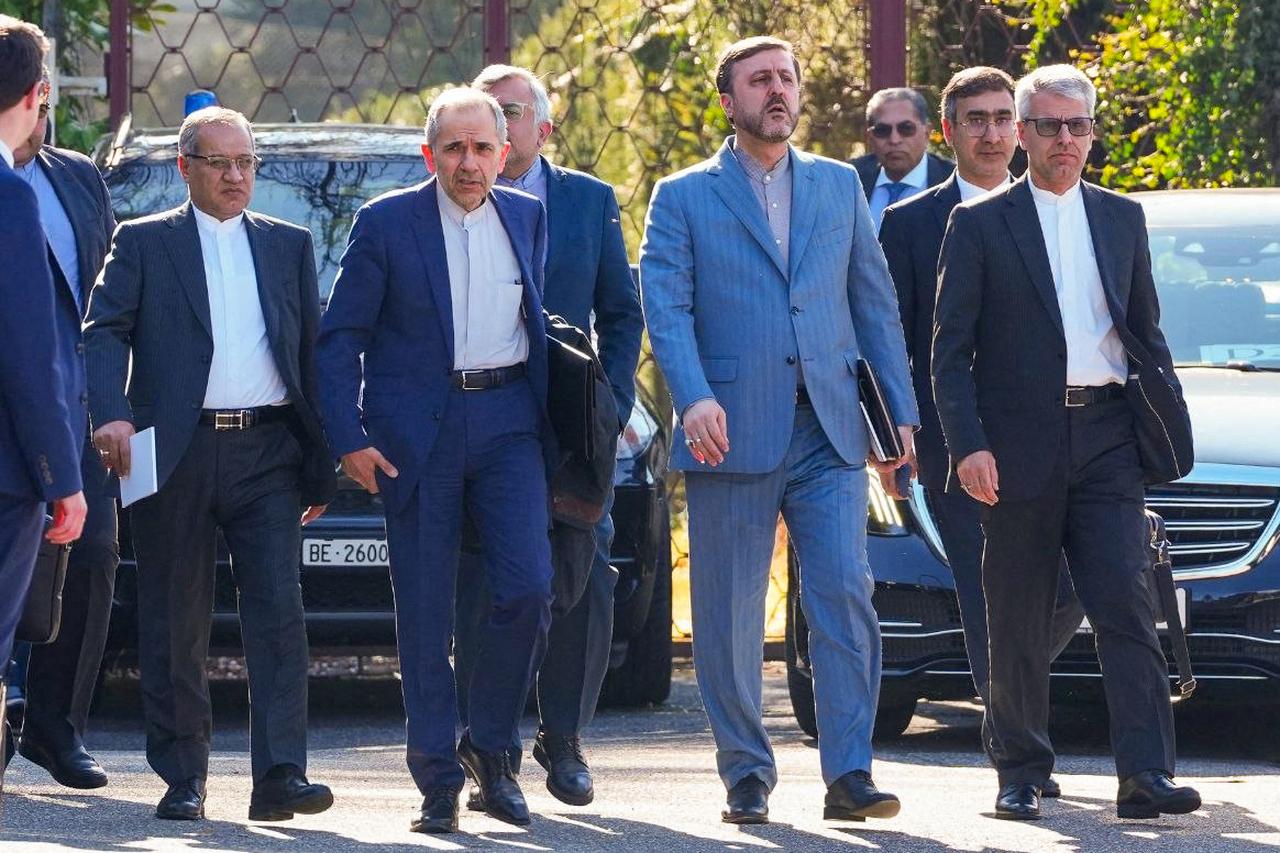
Araghchi did not specify which U.S. demands he was referring to, but Washington has repeatedly described Iran's uranium enrichment capability as a red line and has sought to address its ballistic missile program.
The U.S. demands that Tehran completely halt uranium enrichment and remove its stockpile of highly enriched uranium from the country.
Iran demands that sanctions be lifted in exchange for accepting limitations on its nuclear program that would prevent the production of an atomic bomb.
U.S. Secretary of State Marco Rubio said Wednesday that Iran is "not enriching right now, but they're trying to get to the point where they ultimately can," adding that Tehran "refuses" to discuss its ballistic missile program and "that's a big problem."
Iran has repeatedly said its missile program is part of its defensive capabilities and has ruled out abandoning uranium enrichment, insisting its nuclear program is solely for peaceful purposes.
Araghchi emphasized Iran's determination to resolve issues through diplomacy, saying the success of the negotiation process depends on "seriousness, realism and a stance free from exaggeration."
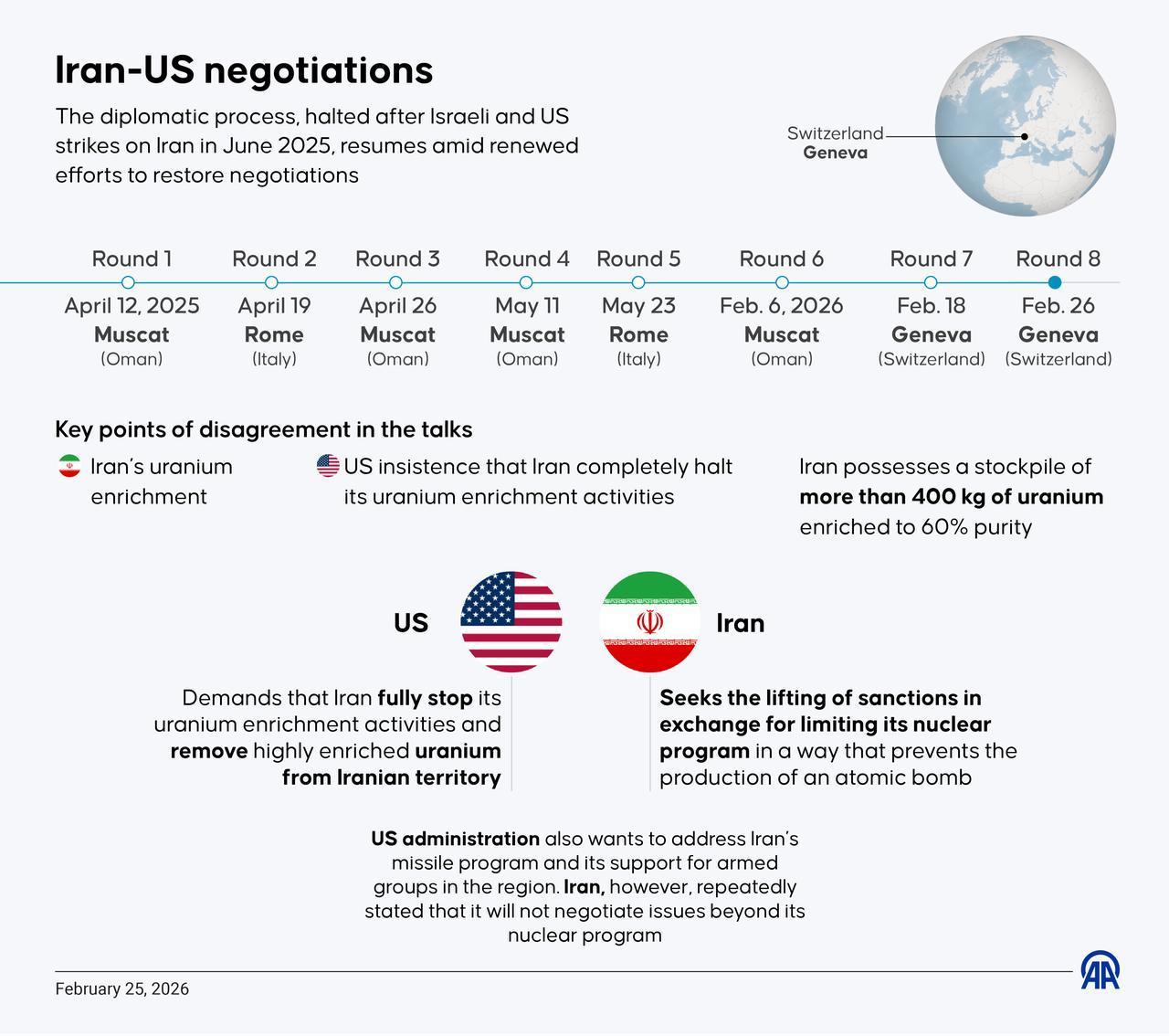
The Iran-U.S. nuclear negotiations were interrupted by the June 2025 U.S. and Israeli strikes against Iran and were revived through the initiatives of regional countries, particularly Türkiye, and Omani mediation.
The two sides first met in Oman on Feb. 6 for indirect negotiations and agreed to continue contacts.
Talks resumed in Geneva on Feb. 17 and the third round took place on Feb. 26, with sessions held in the morning and evening.
The talks are taking place against the backdrop of the largest U.S. military buildup in the Middle East since the 2003 Iraq war, with Washington continuing to expand its air and naval presence in the region, while Trump has repeatedly threatened military action if negotiations fail.


 Set as preferred source
 Set as preferred source


 2 min read


 1 min read