Newsletters


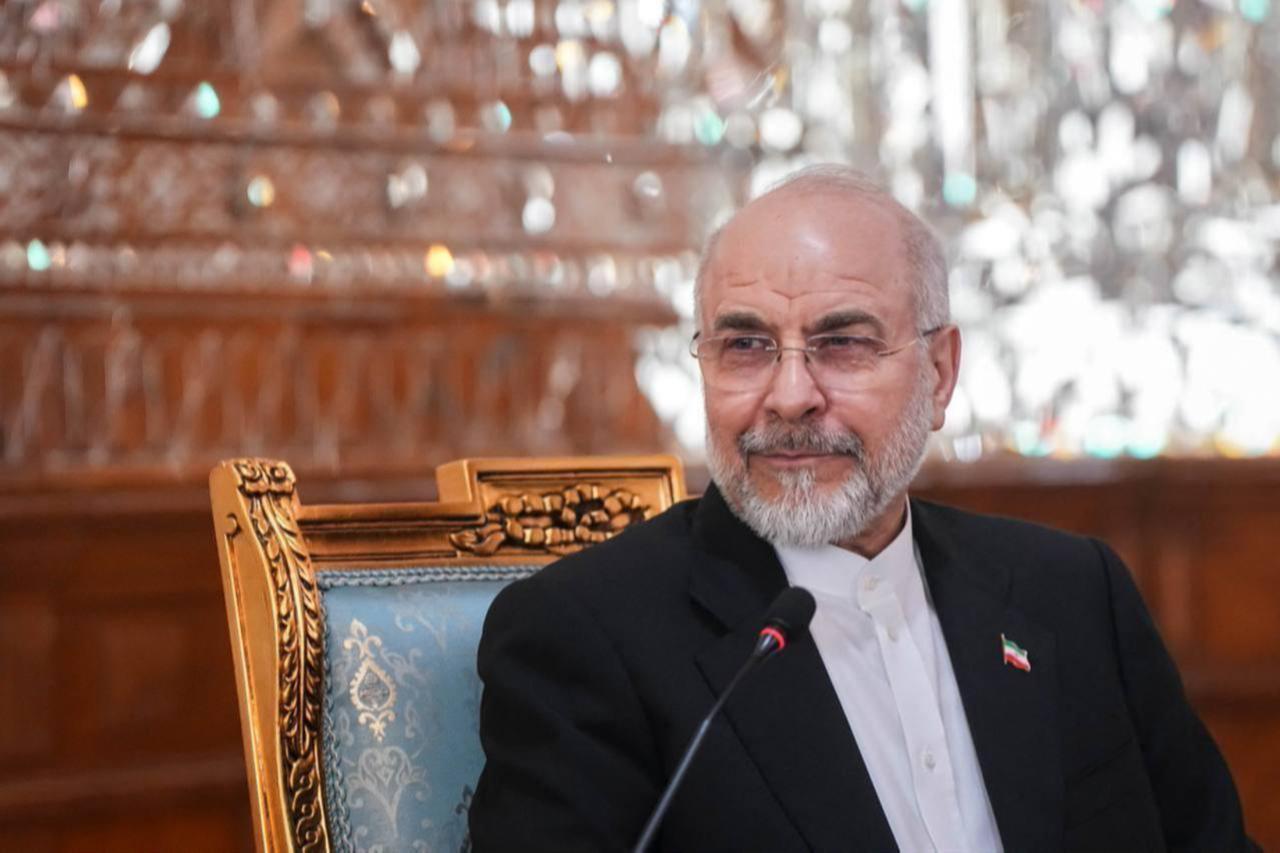


Iranian Parliament Speaker Mohammad Bagher Ghalibaf has been appointed as Iran’s special representative for China affairs, Iranian media reported Sunday.
The Tasnim news agency reported the appointment, citing informed sources. Other Iranian media carried similar reports.
Ghalibaf, who recently emerged as a chief negotiator in talks with the U.S., will coordinate different parts of Iran’s relations with China, according to the reports.
It was not immediately clear who appointed Ghalibaf to the role.
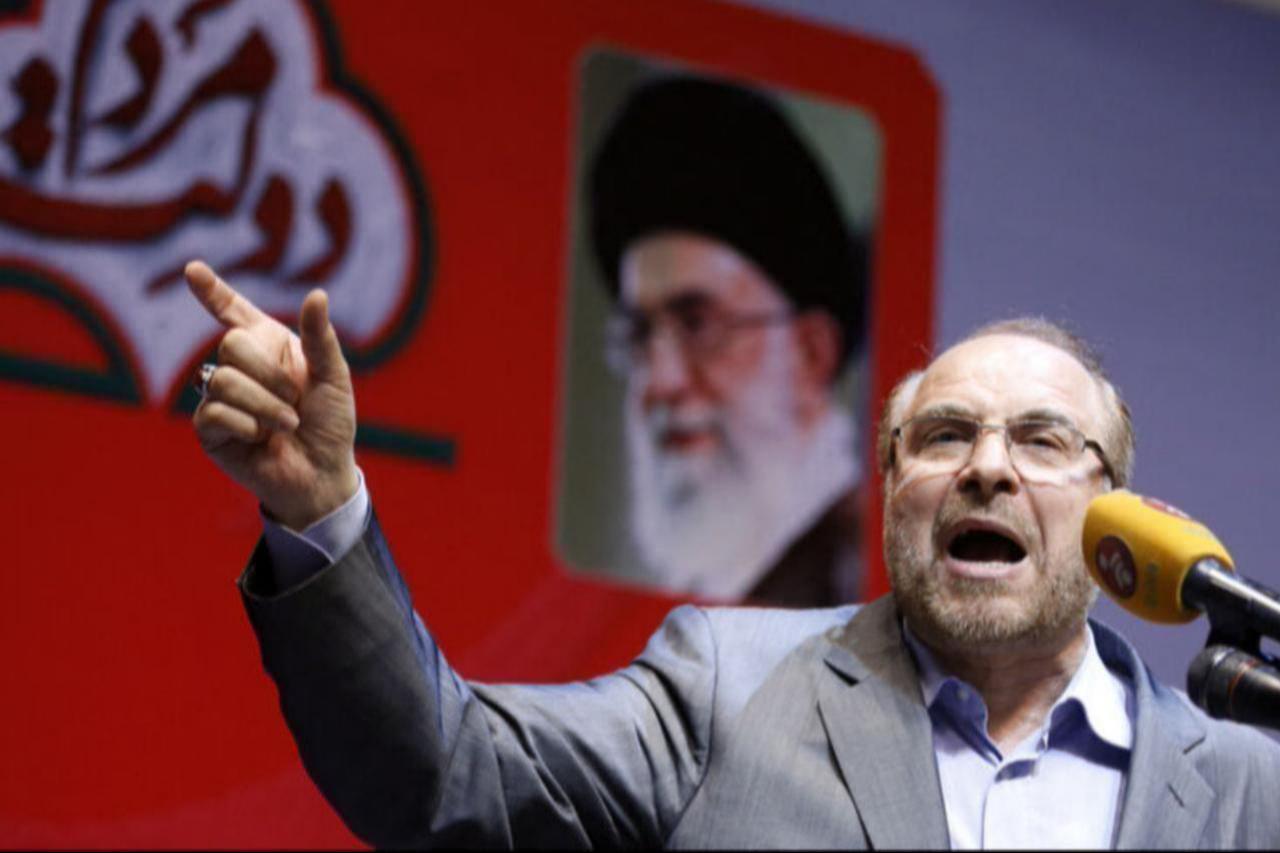

Tasnim said Ghalibaf would “coordinate various sectors of relations between Iran and China.”
The informed sources cited by the agency also confirmed that Ghalibaf would act as coordinator for different sectors of the country in connection with China.
The reports did not provide further details on the scope of the new position.
The appointment comes as China’s role in Iran-related diplomacy has drawn renewed attention, with Washington urging Beijing to become more involved in efforts to resolve tensions with Tehran.
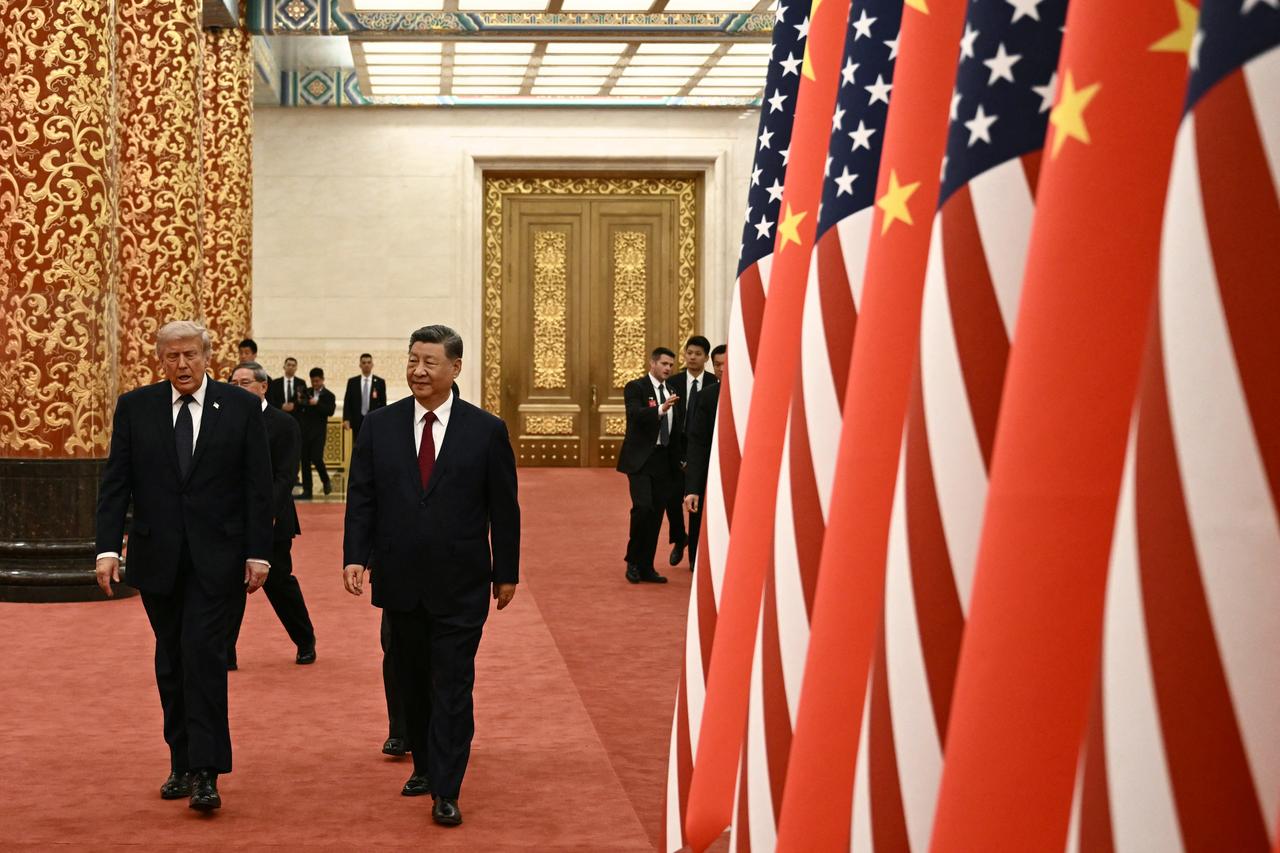
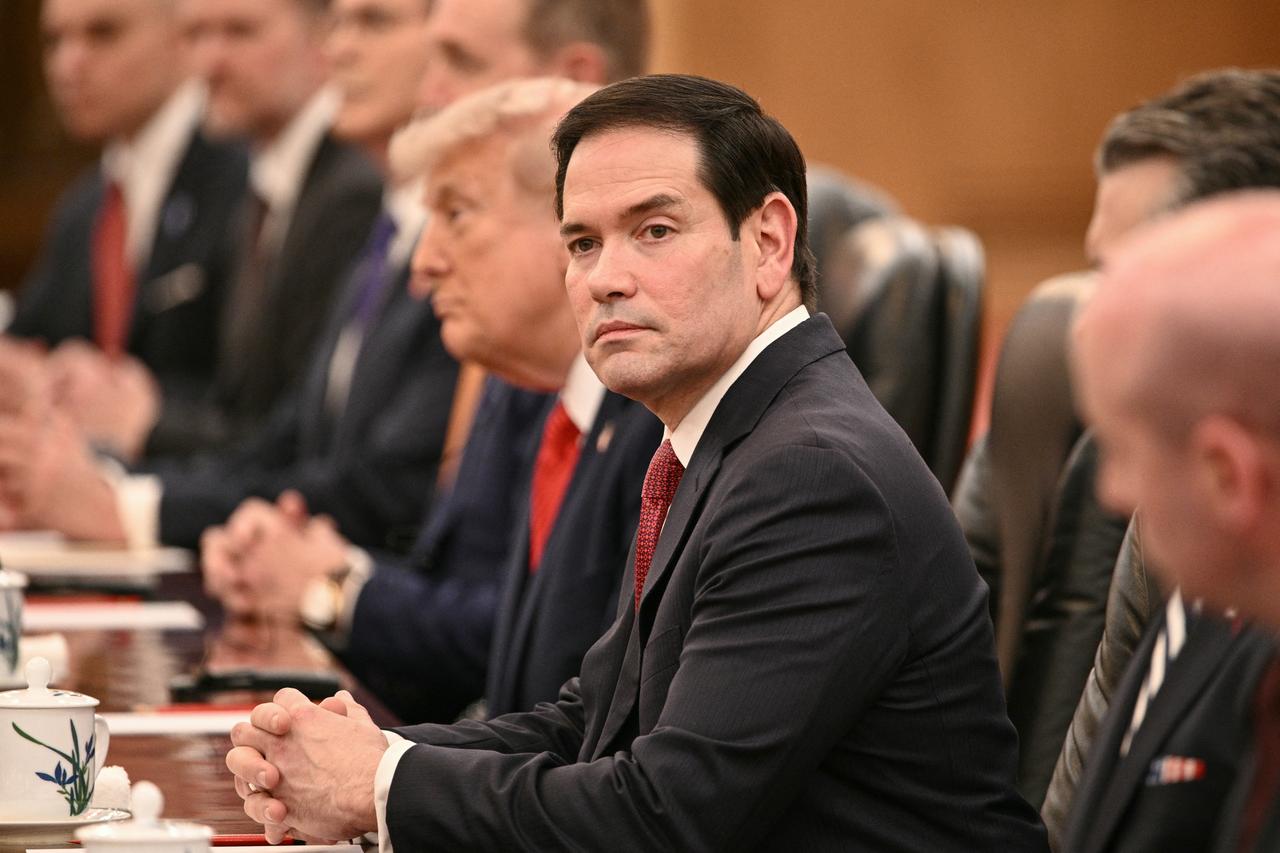
U.S. Secretary of State Marco Rubio said Washington would urge China to take a more “active role” in efforts to resolve the conflict with Iran as President Donald Trump prepared to meet Chinese President Xi Jinping, Fox News reported earlier.
Speaking from Air Force One on Wednesday while en route to China, Rubio said U.S. officials had made their case to Beijing on why it should engage in efforts to ease tensions with Iran.
“It’s in their interest to resolve this,” Rubio told Fox News’ “Hannity.”
“We hope to convince them to play a more active role in getting Iran to walk away from what they're doing now and trying to do now in the Persian Gulf,” he said.
Rubio said China would have a chance to act at the United Nations later in the week on the Iran issue.
“We've made the argument to the Chinese, and I hope it's compelling. And they'll have a chance to do something about it at the United Nations later this week,” he said.
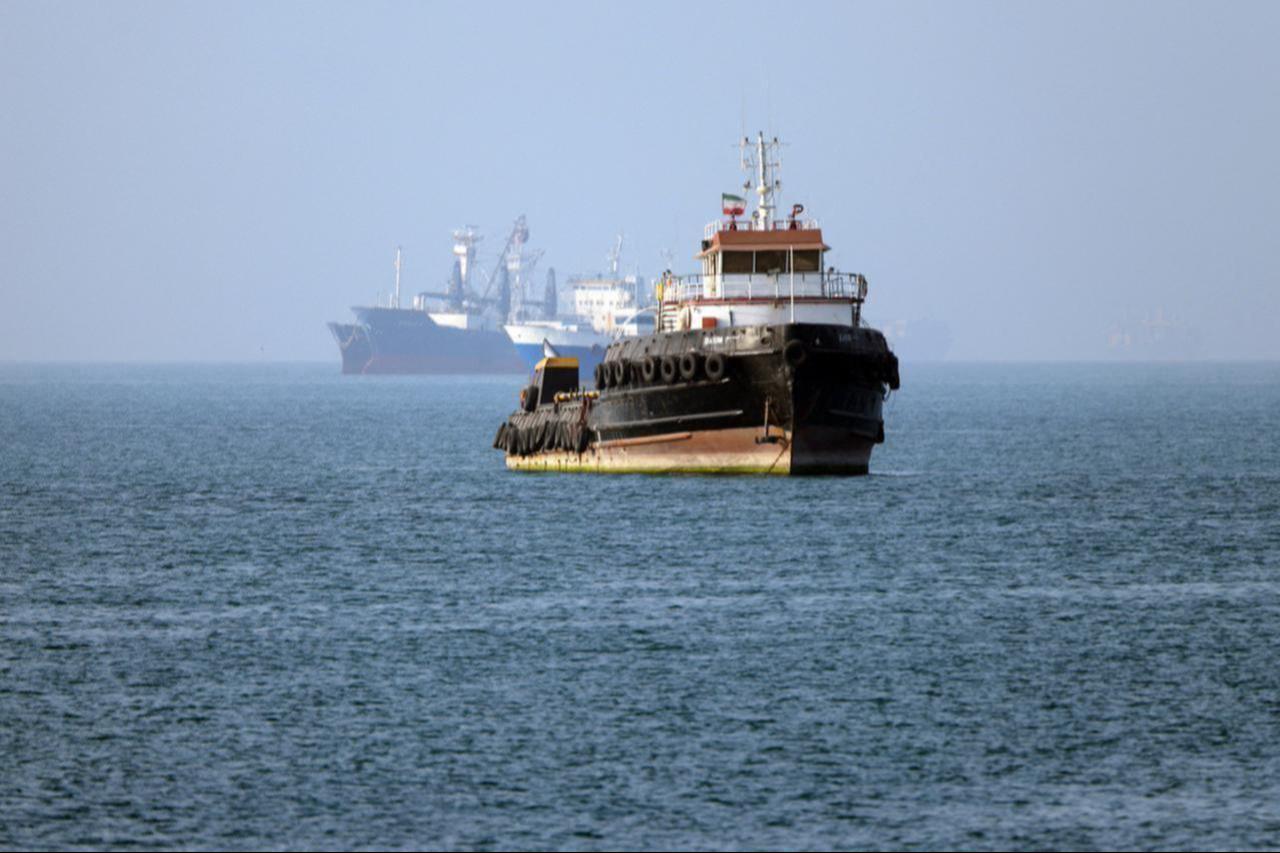
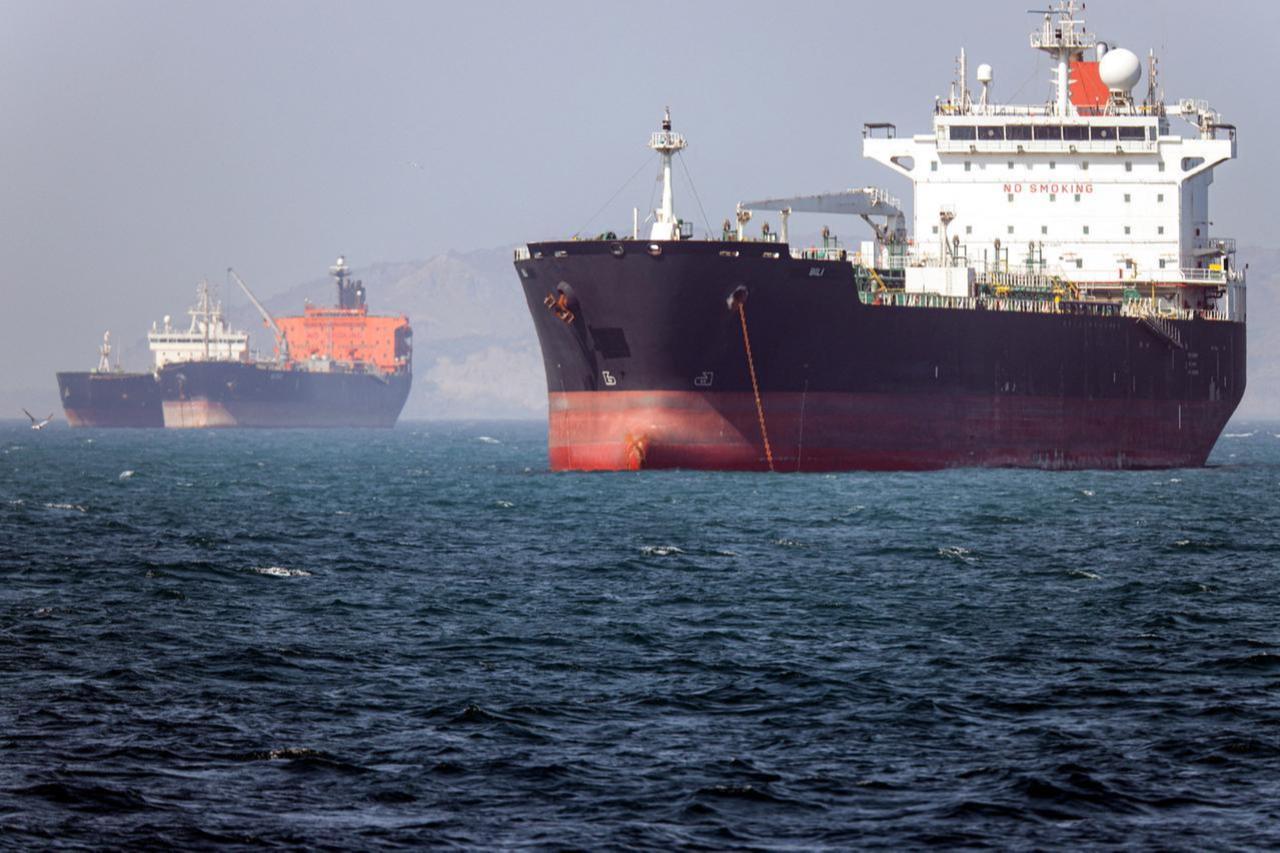
Trump earlier said that Xi strongly believes Iran should not possess nuclear weapons and supports reopening the Strait of Hormuz.
“He feels strongly that they can’t have a nuclear weapon, and he wants them to open up the strait,” Trump told reporters aboard Air Force One, referring to Xi and the Strait of Hormuz.
Trump went to Beijing seeking agreements with China in sectors including agriculture, aviation and artificial intelligence, while also trying to manage growing geopolitical tensions between the two countries.
Following the first day of talks, Trump said Xi had agreed to help reopen the Strait of Hormuz and increase Chinese purchases of Boeing aircraft, American oil and soybeans.


 Set as preferred source
 Set as preferred source


 1 min read
 1 min read