Newsletters


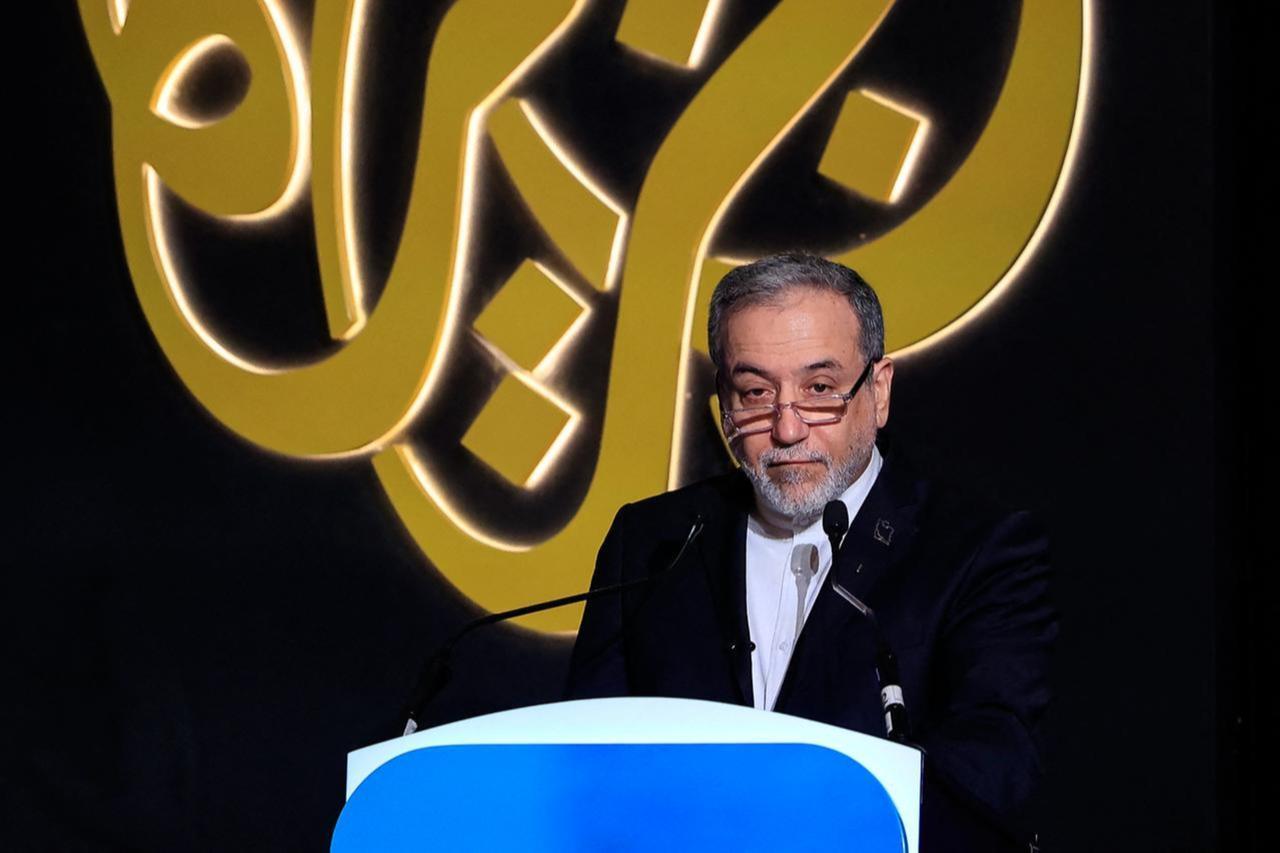


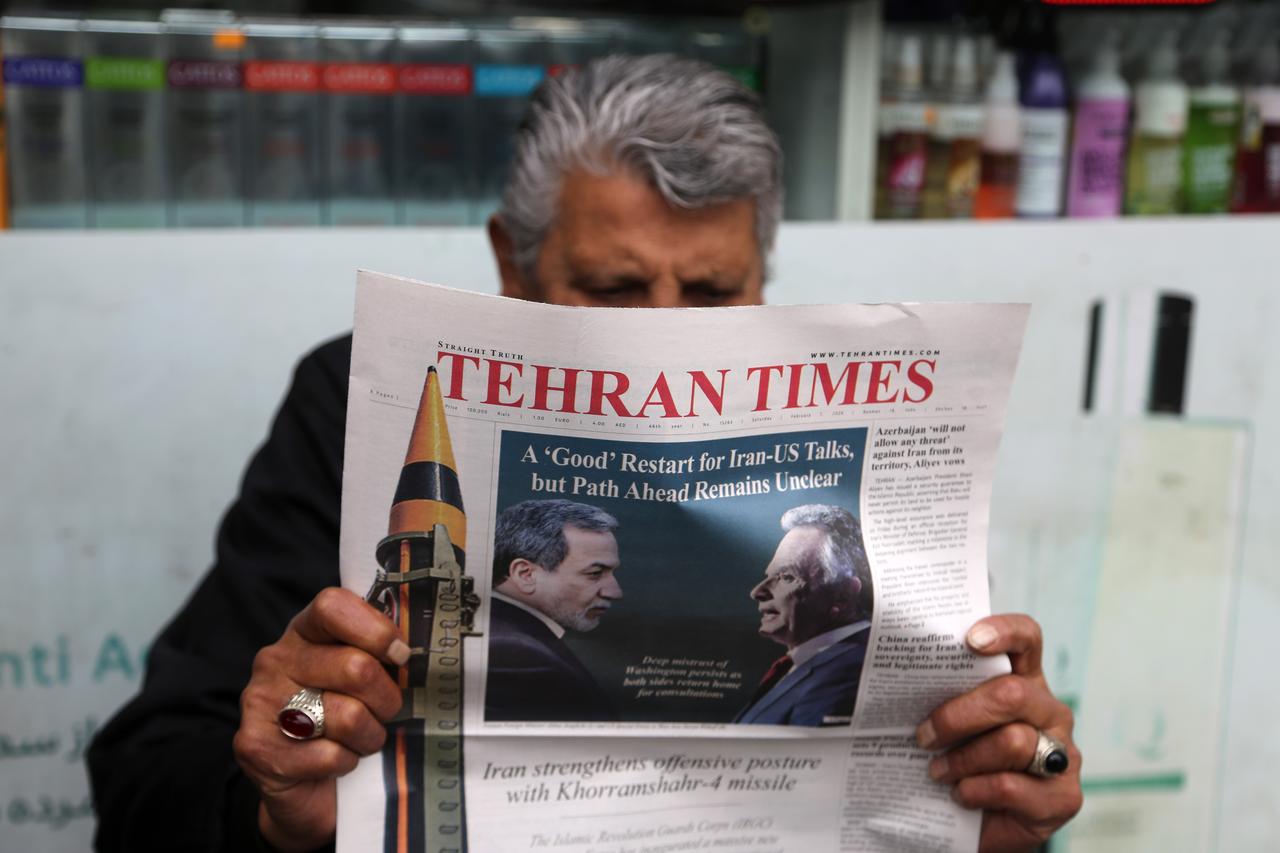
Iran's foreign minister expressed hope for continued dialogue with the United States while drawing firm boundaries on Tehran's negotiating positions, as the two nations navigate their first substantive talks since a brief military conflict last year.
Abbas Araghchi said Saturday that Iran's missile program remains off the table in any negotiations, calling it a "defense issue" that would never be subject to discussion. The statement came one day after indirect talks in Muscat, Oman, where Iranian and American delegations met to address the stalled nuclear agreement.
"We are ready to reach a reassuring agreement on enrichment," Araghchi told Al Jazeera in an interview, adding that nuclear enrichment was Iran's "inalienable right and must continue." He characterized Friday's talks as "a good start" but cautioned "there is a long way to go to build trust."
The talks marked the first diplomatic engagement between Washington and Tehran since negotiations collapsed following Israel's bombing campaign against Iran, which escalated into a 12-day war. During that conflict, US warplanes struck Iranian nuclear facilities.
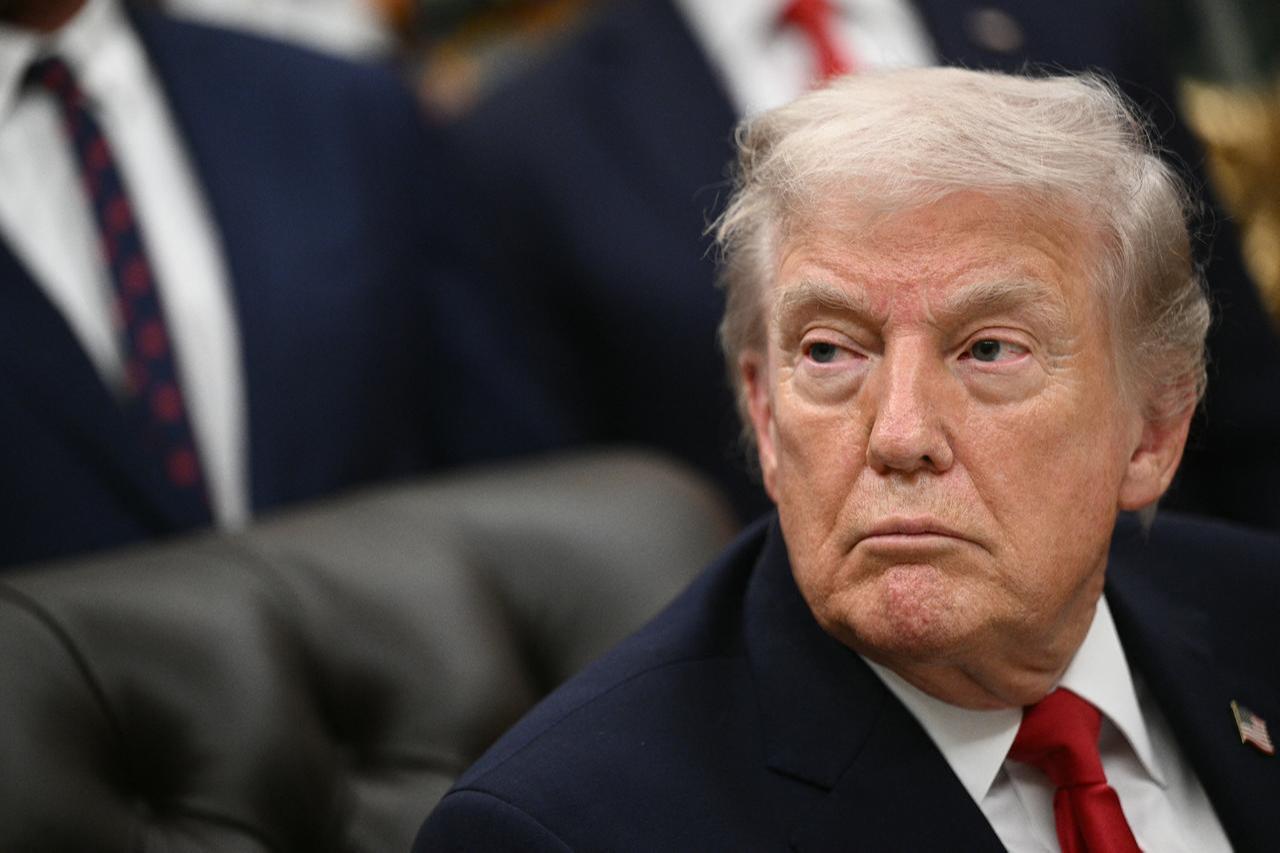

President Donald Trump called the Muscat discussions "very good" and pledged another round of negotiations next week. However, he simultaneously signed an executive order Saturday imposing tariffs on countries maintaining business relationships with Iran.
The US also announced fresh sanctions targeting shipping entities and vessels involved in Iranian oil exports. The measures come as China remains Iran's largest trading partner, accounting for more than a quarter of Tehran's trade with $18 billion in imports and $14.5 billion in exports in 2024, according to World Trade Organization data.
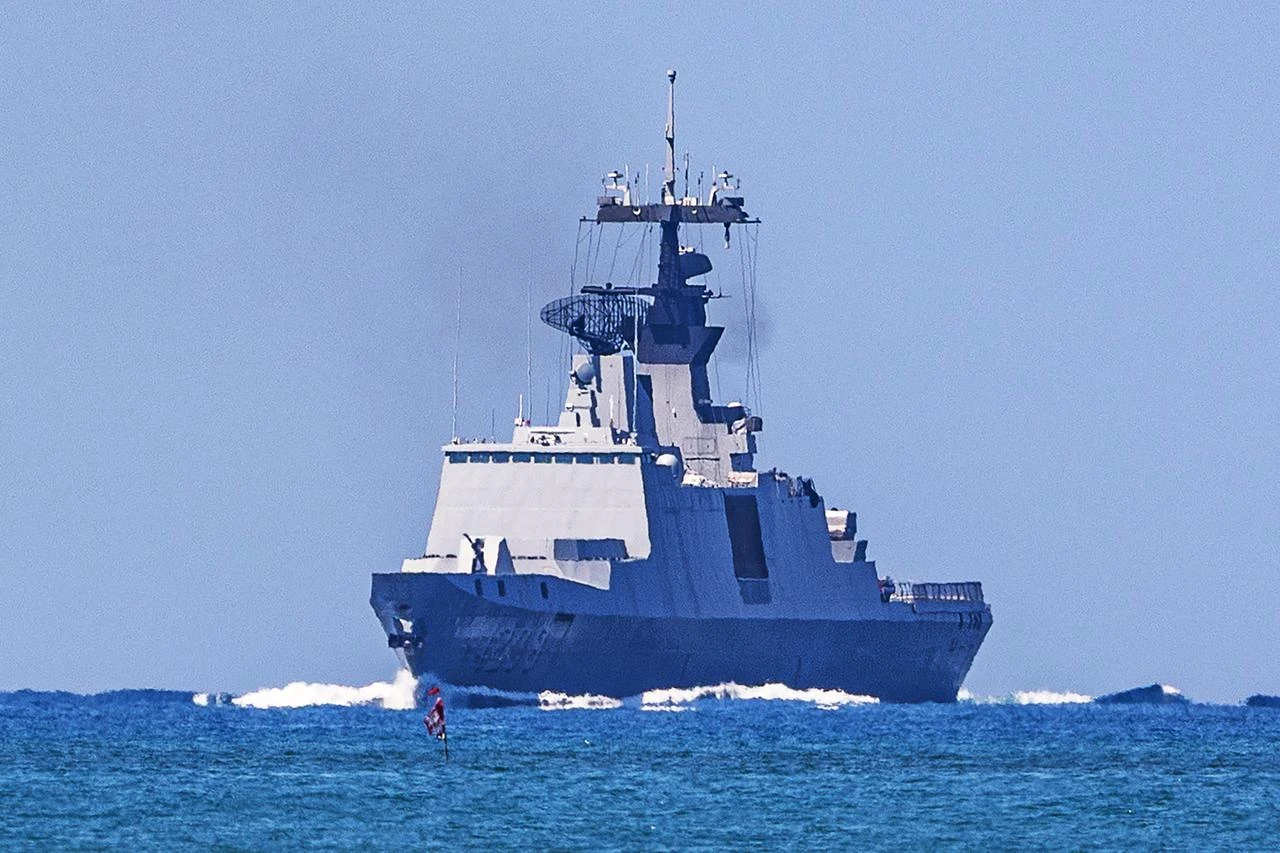
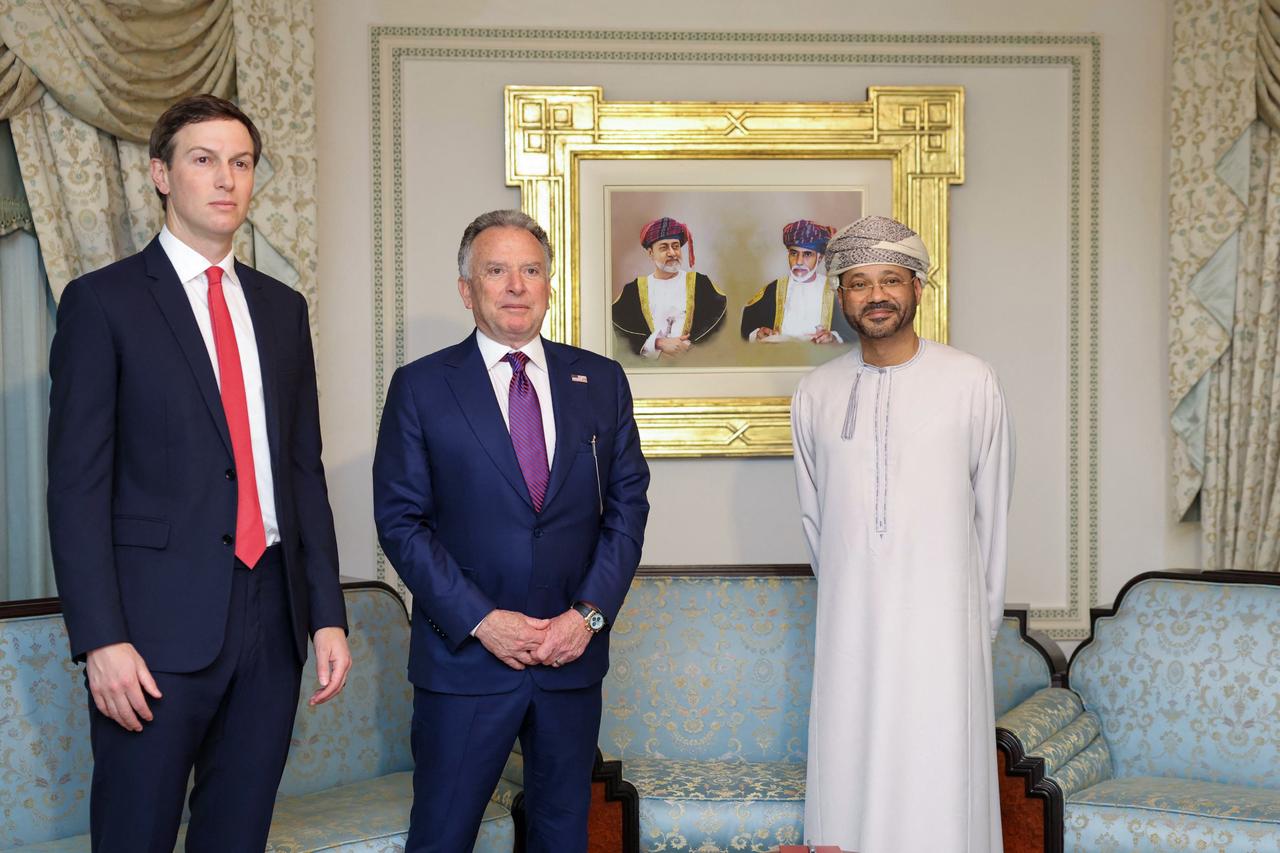
Lead US negotiators Steve Witkoff and Jared Kushner visited the USS Abraham Lincoln aircraft carrier in the Arabian Sea following the talks, in what the military's Central Command described as a demonstration of American naval presence in the region. Witkoff said the nuclear-powered vessel and its strike group was "keeping us safe and upholding President Trump's message of peace through strength."
Israeli Prime Minister Benjamin Netanyahu plans to meet Trump on Wednesday to discuss the Iran talks, with his office stating he "believes any negotiations must include limitations on ballistic missiles and a halting of the support for the Iranian axis" — a reference to Tehran's regional allies.
Washington has sought to address Iran's ballistic missile development and its support for militant groups across the Middle East, issues Israel has pushed to incorporate into negotiations, according to media reports. Tehran has consistently rejected broadening discussions beyond nuclear matters.
Araghchi criticized what he termed a "doctrine of domination" that permits Israel to maintain and expand its military capabilities while pressing other regional states to disarm.
The foreign minister warned that any American attack on Iranian territory would trigger retaliation against US bases in the region, underscoring the fragile security environment despite diplomatic overtures.
 1 min read
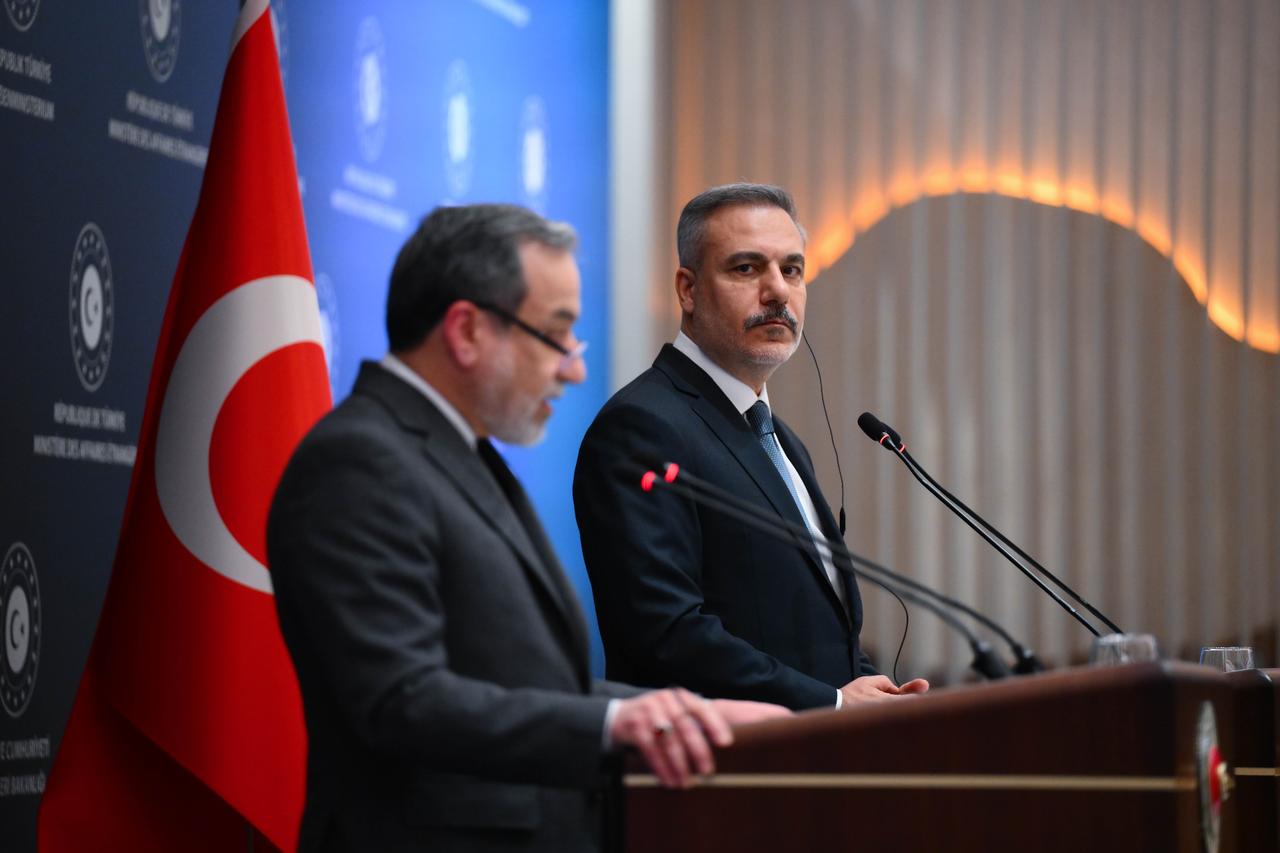
The diplomatic engagement unfolds against the backdrop of major protests in Iran that began in late December, fueled by economic grievances. Iranian authorities acknowledged Sunday that 3,117 people died in the unrest, publishing a list of 2,986 names they say were mostly security forces and bystanders.
International organizations dispute the official count. The US-based Human Rights Activists News Agency has verified 6,872 deaths, predominantly protesters, with another 11,280 cases under investigation. The organization has also documented more than 50,000 arrests since the demonstrations began.
The US military buildup in the region has intensified in the wake of Tehran's crackdown on the protests, adding another layer of complexity to the diplomatic efforts.
Araghchi noted that despite the talks being indirect, "an opportunity arose to shake hands with the American delegation," suggesting a degree of personal engagement beyond formal negotiating channels. He said discussions would resume "soon," though no specific timeline was provided.


 Set as preferred source
 Set as preferred source


 1 min read