Newsletters


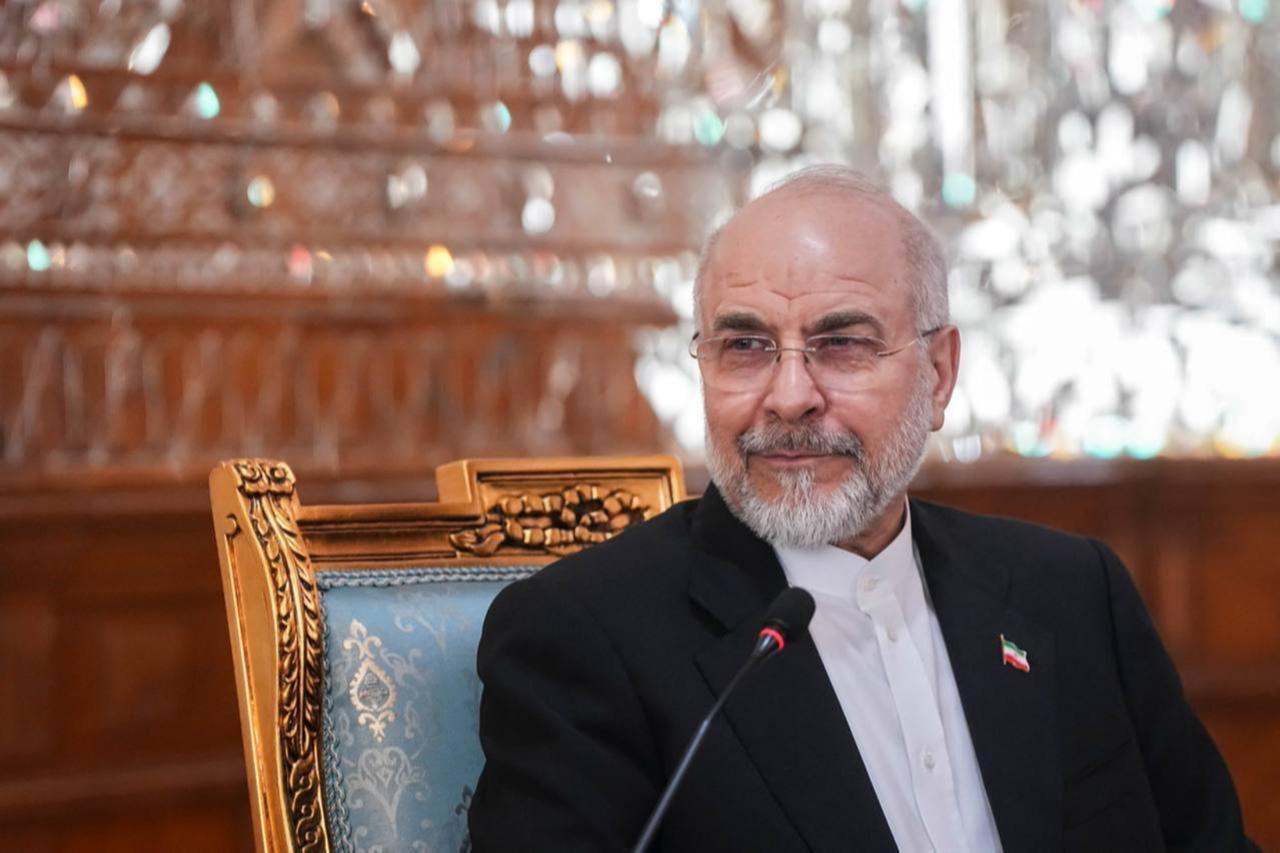


Iran's parliament speaker Mohammad Bagher Ghalibaf accused the United States on Wednesday of using its naval blockade not merely as economic leverage, but as a tool of psychological warfare designed to exploit divisions within the Islamic Republic and bring about its internal collapse.
Ghalibaf, who has emerged as one of the most powerful figures in post-war Iran and served as Tehran's lead negotiator in the only round of direct US-Iranian talks held so far, made the remarks as the standoff over Iranian ports and the Strait of Hormuz showed no signs of easing.
State television quoted him warning that "the enemy has entered a new phase and wants to activate economic pressure and internal division through naval blockade and media hype to weaken or even make us collapse from within."
He called on Iranians to maintain unity, framing it as the republic's only viable defense against what he characterized as a coordinated strategy of destabilization.
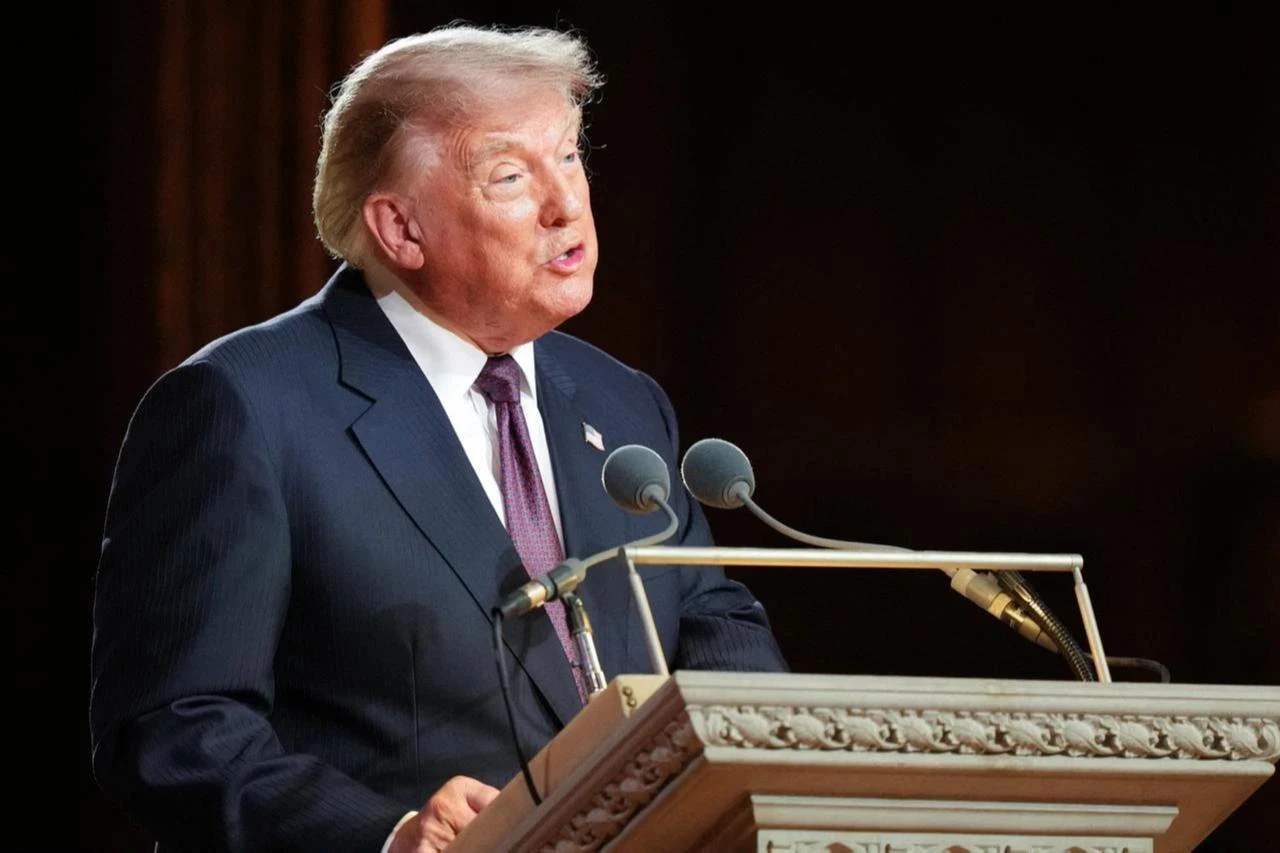
Ghalibaf accused President Donald Trump of deliberately framing Iran's political landscape in binary terms to deepen domestic fault lines. Trump, he said, "divides the country into two groups: hardliners and moderates, and then immediately talks about a naval blockade to force Iran into submission through economic pressure and internal discord."
The remarks reflect growing concern within the Islamic Republic's leadership that Washington is seeking regime fracture rather than a negotiated settlement.
Trump himself said earlier this month that the government of Iran was "seriously fractured, not unexpectedly so," a comment widely interpreted in Tehran as signaling intent rather than mere observation.
The US blockade, which took effect on April 13, encompasses the entirety of the Iranian coastline. CENTCOM has stated that any vessel entering or departing without authorization is subject to interception and capture.
Trump has claimed the operation is costing Iran $500 million a day, while Treasury Secretary Scott Bessent has said the blockade directly targets the regime's primary revenue lifelines.
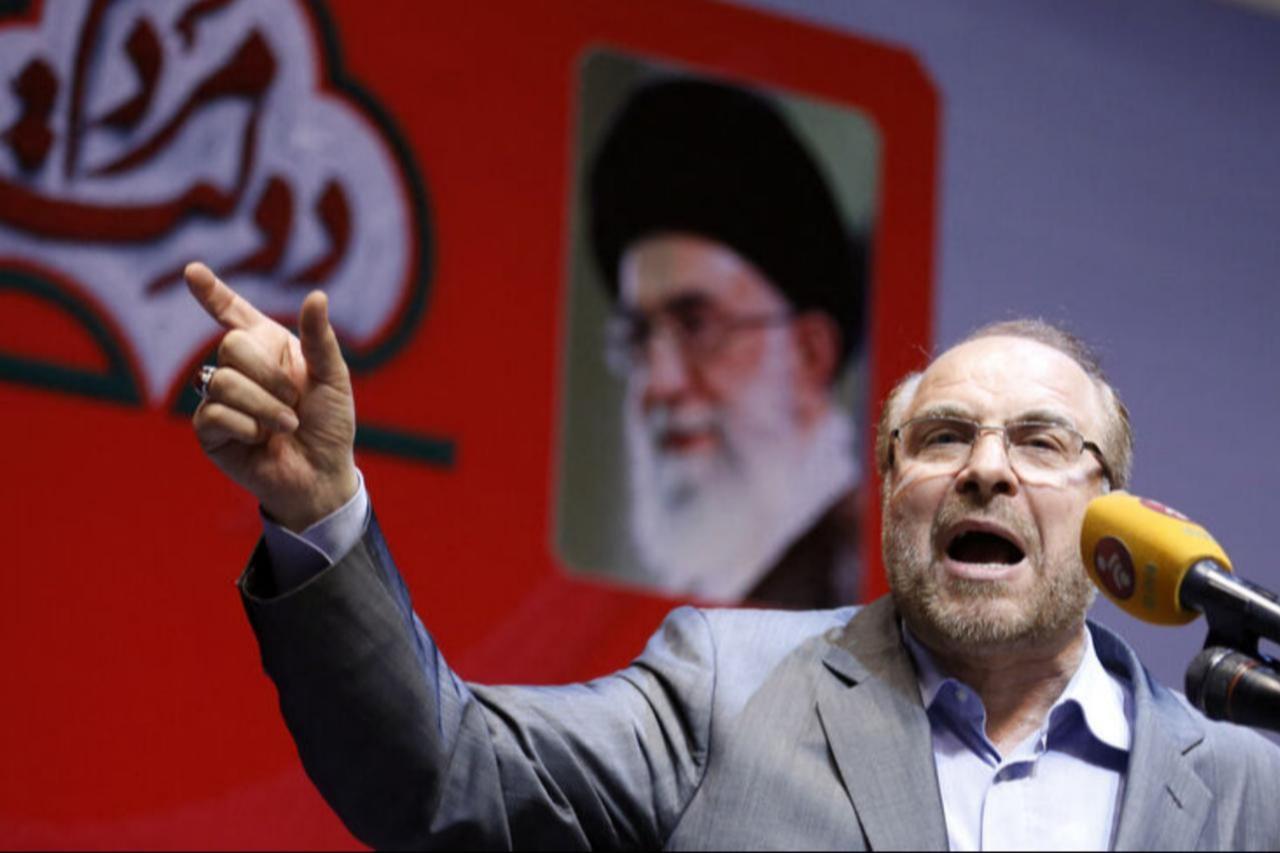

Ghalibaf's prominence is in large part a consequence of the catastrophic leadership losses Iran sustained on February 28, when US and Israeli forces launched surprise strikes on Tehran targeting military and government sites.
Supreme Leader Ali Khamenei was killed at his compound, along with dozens of senior officials, including the commander of the Revolutionary Guard Corps, the defense minister, and the chief of staff of the Iranian Armed Forces. The strikes, carried out under Operation Epic Fury, decapitated much of Iran's top security establishment in a single morning.
With Khamenei gone after more than three decades in power and Iran's institutional hierarchy in disarray, Ghalibaf, a former IRGC commander and two-time presidential candidate, stepped into a central role.
He led Iran's delegation during marathon talks in Islamabad on April 11 and 12, which ended without agreement after 21 hours. He later said the United States had failed to gain the trust of the Iranian side. US Vice President JD Vance attributed the breakdown to Iran's refusal to commit to abandoning its nuclear program.
Iran closed the Strait of Hormuz in response to the February strikes, severing a waterway that before the conflict carried roughly a quarter of the world's seaborne oil trade and a fifth of its liquefied natural gas. The US blockade was imposed in mid-April after the Islamabad talks collapsed, and Iran responded by re-closing the strait to all foreign shipping and seizing several foreign-flagged vessels.
Ghalibaf has insisted that any genuine ceasefire must include the lifting of the naval blockade, a position shared by Iranian President Masoud Pezeshkian, who said this week that "breach of commitments, blockade and threats are main obstacles to genuine negotiations." A second round of talks in Islamabad has been thrown into doubt after Iran indicated it would not send a delegation while the blockade remains in place.
Analysts have noted that Tehran appears to be playing a longer game. Iran entered the conflict with approximately 127 million barrels of crude oil in floating storage, providing a buffer against the immediate impact of the blockade, though maritime intelligence firms have warned that onshore storage capacity is tightening and production cuts may follow in the weeks ahead.


 Set as preferred source
 Set as preferred source


 1 min read
 1 min read