Newsletters




The death of Nemesio Ruben Oseguera Cervantes, the cartel boss known as "El Mencho," at the hands of Mexican special forces has sent shockwaves beyond the nation's criminal underworld, raising serious questions about Mexico's capacity to safely host matches at the 2026 FIFA World Cup, now fewer than four months away.
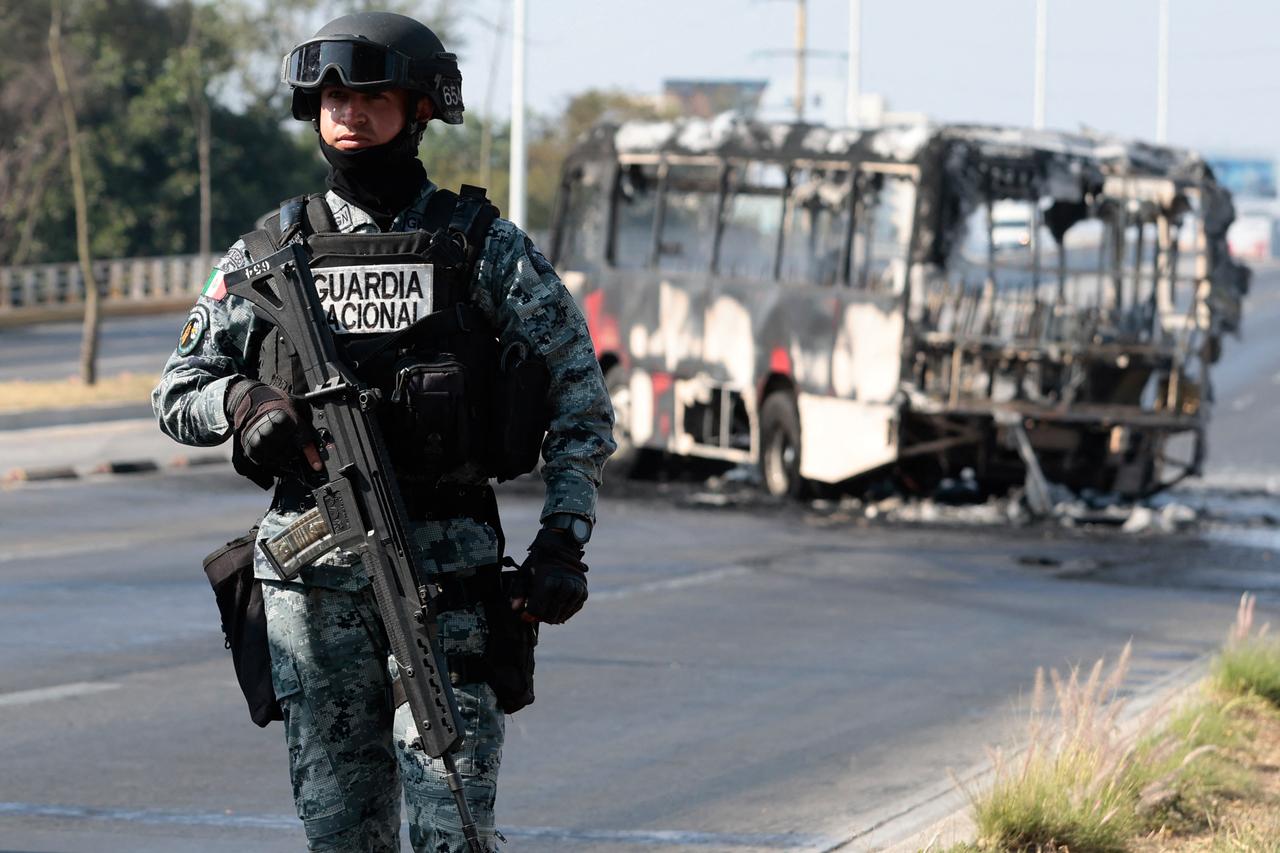
The killing of El Mencho, leader of the Jalisco New Generation Cartel (CJNG), triggered an immediate retaliatory response from cartel operatives across the country.
According to Mexico's defense ministry, gunmen torched vehicles and blockaded highways in more than half a dozen states within hours of the operation, paralyzing large parts of the nation in a manner that security analysts say could deeply unsettle the international visitors expected to attend the tournament.
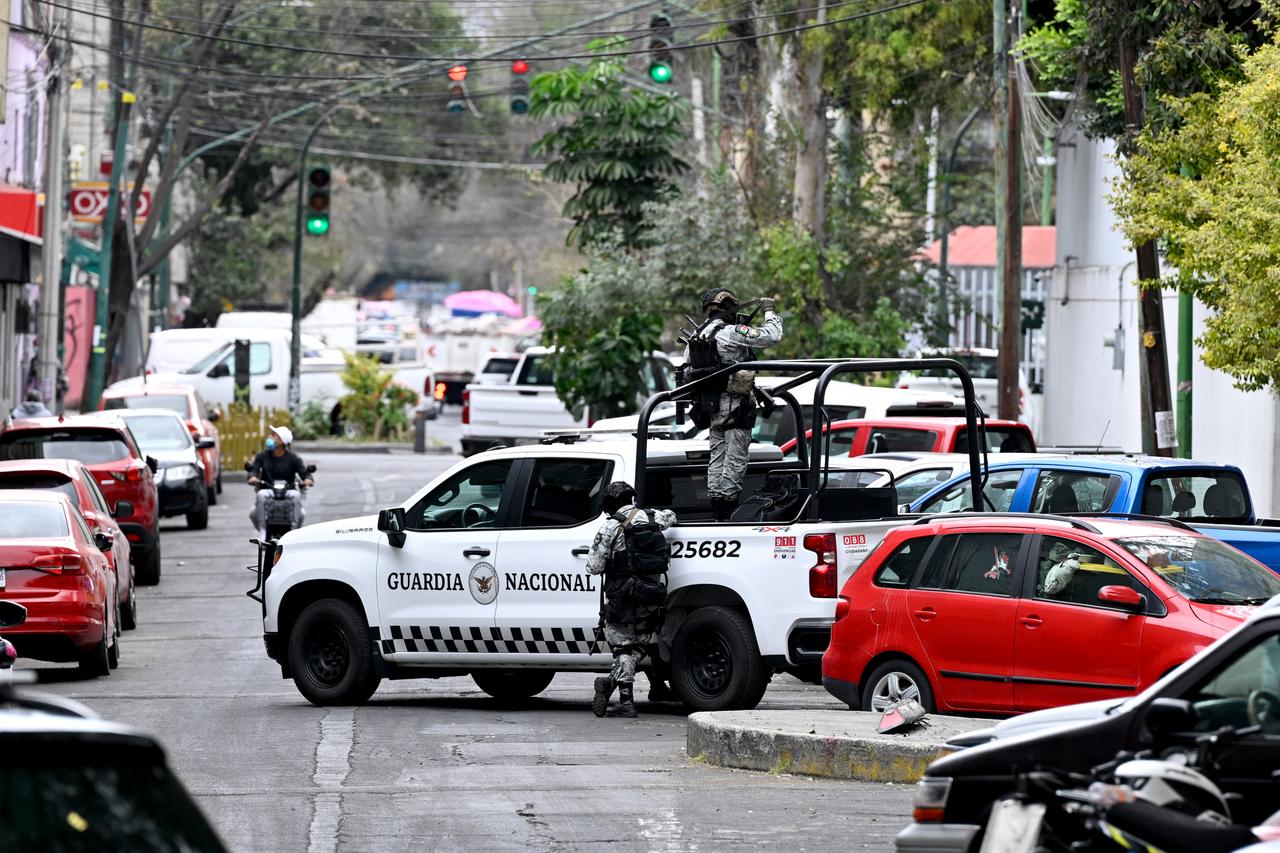

Among the cities thrown into turmoil was Guadalajara, a designated World Cup host city. Jalisco Governor Pablo Lemus urged residents to remain indoors and suspended public transportation as the state capital was transformed into what multiple reports described as a ghost town.
Videos on social media showed civilians sprinting through Guadalajara's airport in panic, while plumes of dark smoke rose over the coastal resort of Puerto Vallarta. Air Canada, United Airlines, and American Airlines suspended flights to the region, according to Reuters.
The situation couldn't have been worse for the tournament organizers. The 2026 FIFA World Cup, co-hosted by the United States, Canada, and Mexico, aims to be the largest edition in the tournament's history, with Mexico's venues expected to draw hundreds of thousands of international fans.
Industry representatives note that hotels, travel operators, and sponsors have invested significantly on the assumption of a stable security environment, an assumption the events of Sunday now place in serious doubt.
The operation reflected the mounting pressure Washington has placed on Mexico City to intensify its offensive against the cartels. Officials described it as a joint effort in which United States intelligence support played a role.
White House Press Secretary Karoline Leavitt confirmed that the Trump administration provided intelligence assistance and commended the Mexican military for its execution of the raid.
But the operation's success appears to have destabilized the country in ways that could prove difficult to contain ahead of the World Cup's opening in June.
President Claudia Sheinbaum praised the security forces and called on the public to remain calm. "There is absolute coordination with the governments of all states," she wrote on X, insisting that activities were proceeding normally across the vast majority of the country.
Critics, however, argue that the scenes broadcast to the world, like burning roadblocks, cancelled school days across multiple states, and tourists describing Puerto Vallarta on social media as a "war zone," tell a different story.
Security specialists have long cautioned that the CJNG would not dissolve peacefully following the removal of its leader.
Once rated by the United States Drug Enforcement Administration (DEA) as equal in power to the Sinaloa Cartel, the group is known for its military-grade arsenal, including rocket launchers capable of downing aircraft and drone-launched explosives, capabilities underscored by the weapons seized during Sunday's operation.
Analysts warn that a leadership vacuum could generate sustained violence as rival factions compete for control of the cartel's territory and trafficking routes.
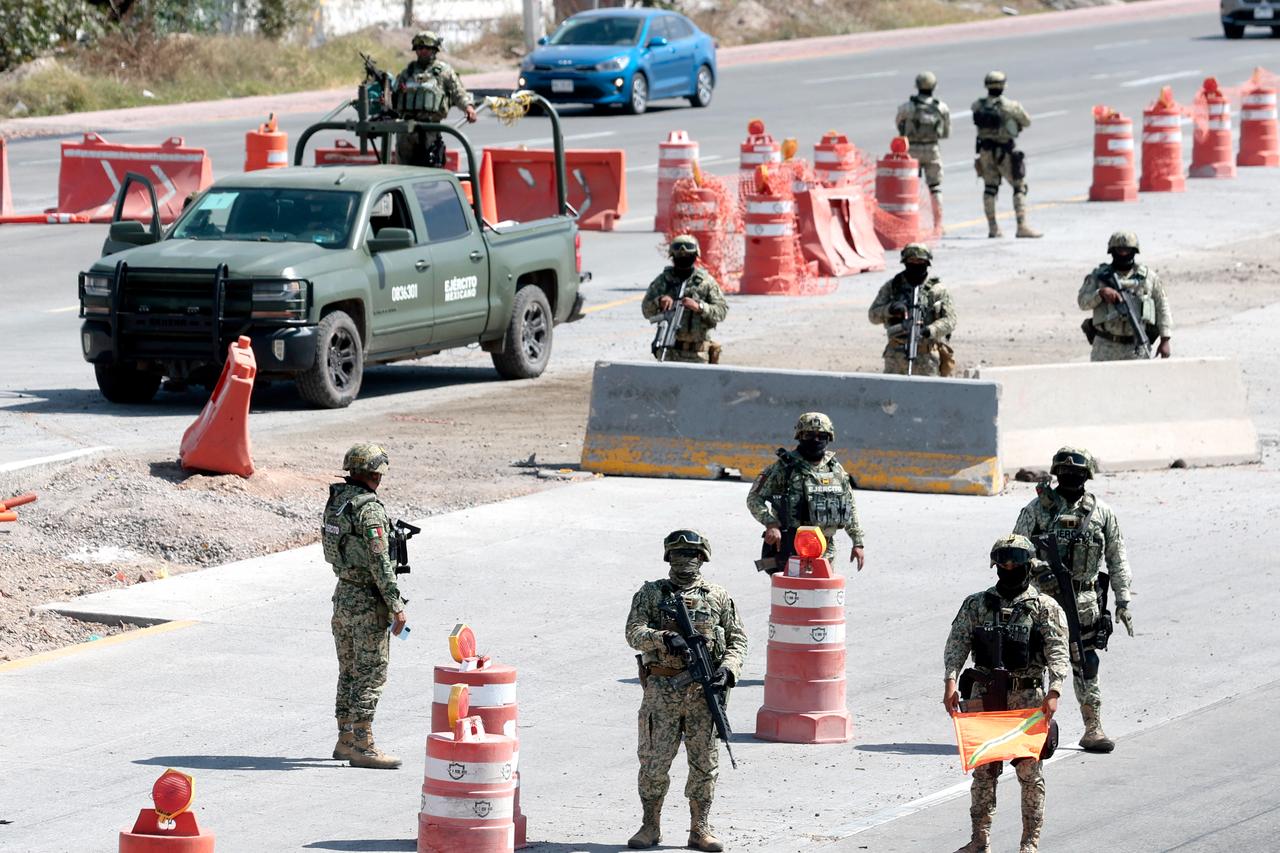
For FIFA and the international football community, the situation raises an uncomfortable question: can Mexico credibly guarantee the safety of the estimated one million foreign visitors expected to attend matches on its soil?
Officials have not yet commented directly on the security implications for the tournament, but pressure is expected to mount as governments reassess their travel advisories in the coming days.
The United Kingdom's Foreign Office has already urged British nationals in Mexico to remain indoors and avoid all non-essential travel.
Mexico aims to demonstrate that it remains a reliable and hospitable host. However, with cartel violence reaching many World Cup corridors in a single afternoon, the margin for error and assurance is rapidly shrinking.


 Set as preferred source
 Set as preferred source


 2 min read