Newsletters


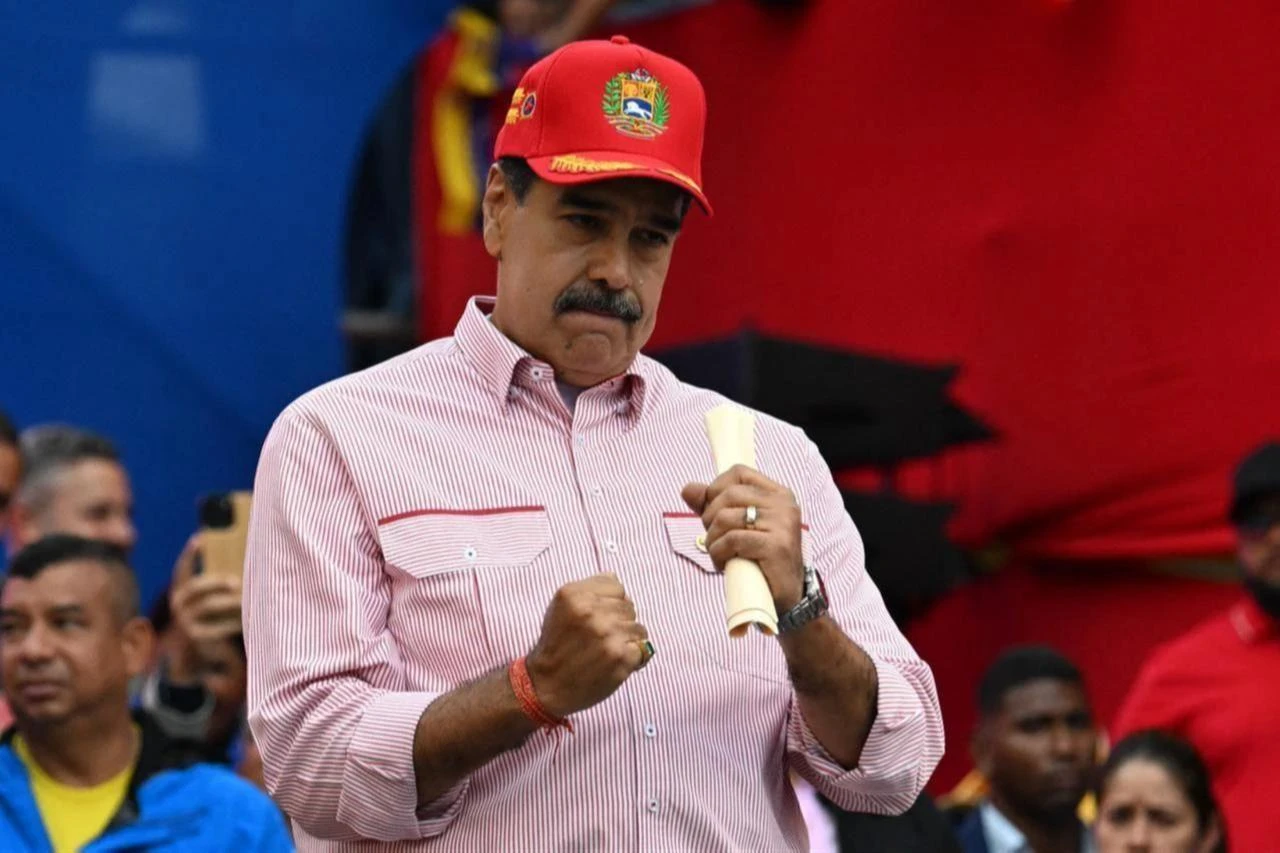


Venezuela’s jailed former leader Nicolas Maduro said Sunday that he welcomed “any path to dialogue” ahead of U.S.-backed talks between representatives of the country’s interim government and opposition figures.
“We welcome any path to dialogue that helps consolidate peace, coexistence, and reconciliation among Venezuelans,” a message posted on Maduro’s official Telegram account said.
“To speak of a national renaissance as a common goal is to speak of mutual respect for diversity, of inclusion for everyone,” he added.
It was not immediately clear how Maduro, 63, posted the message from detention, although he remains in regular contact with his lawyers while awaiting trial in U.S. federal court.
His son, lawmaker Nicolas Maduro Guerra, reposted the message on X.
Maduro and his wife, Cilia Flores, were captured during a U.S. military raid in January and are being held in a New York detention center.
They are awaiting trial on charges related to drug and firearms trafficking and have pleaded not guilty.
Shortly after Maduro was removed from power, the U.S. approved his vice president, Delcy Rodriguez, as Venezuela’s interim leader.
Rodriguez governs under strong pressure from Washington, which is demanding that Venezuela open its oil, mineral and other resource sectors to U.S. companies.
The U.S. is also pushing for a political dialogue that could produce a timetable for future elections.
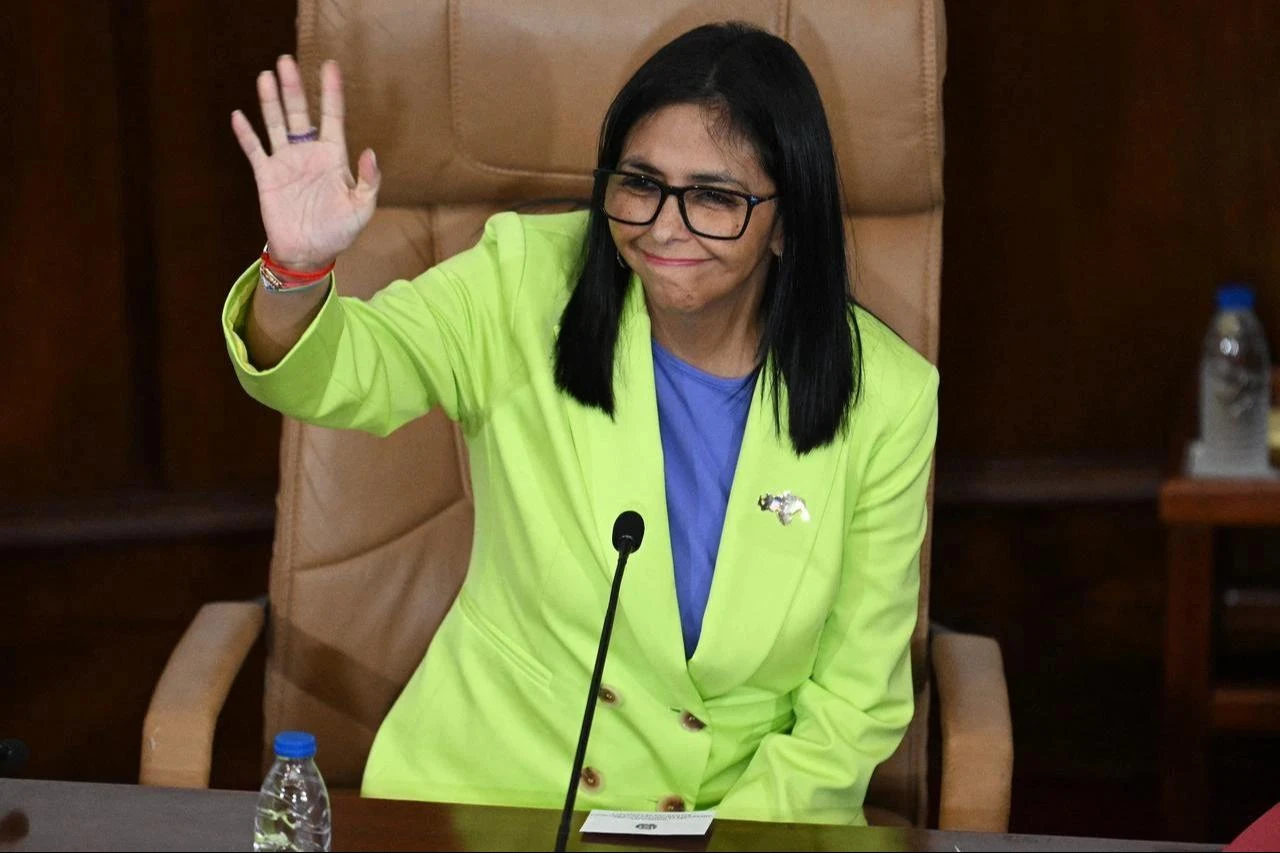

Maduro’s comments came as Venezuela’s interim government and opposition figures announced Saturday that in-person political transition talks were expected to begin in Caracas during the coming week.
National Assembly President Jorge Rodriguez, the government’s chief negotiator and the interim president’s brother, said the timing was agreed during a telephone call with opposition figure Dinorah Figuera.
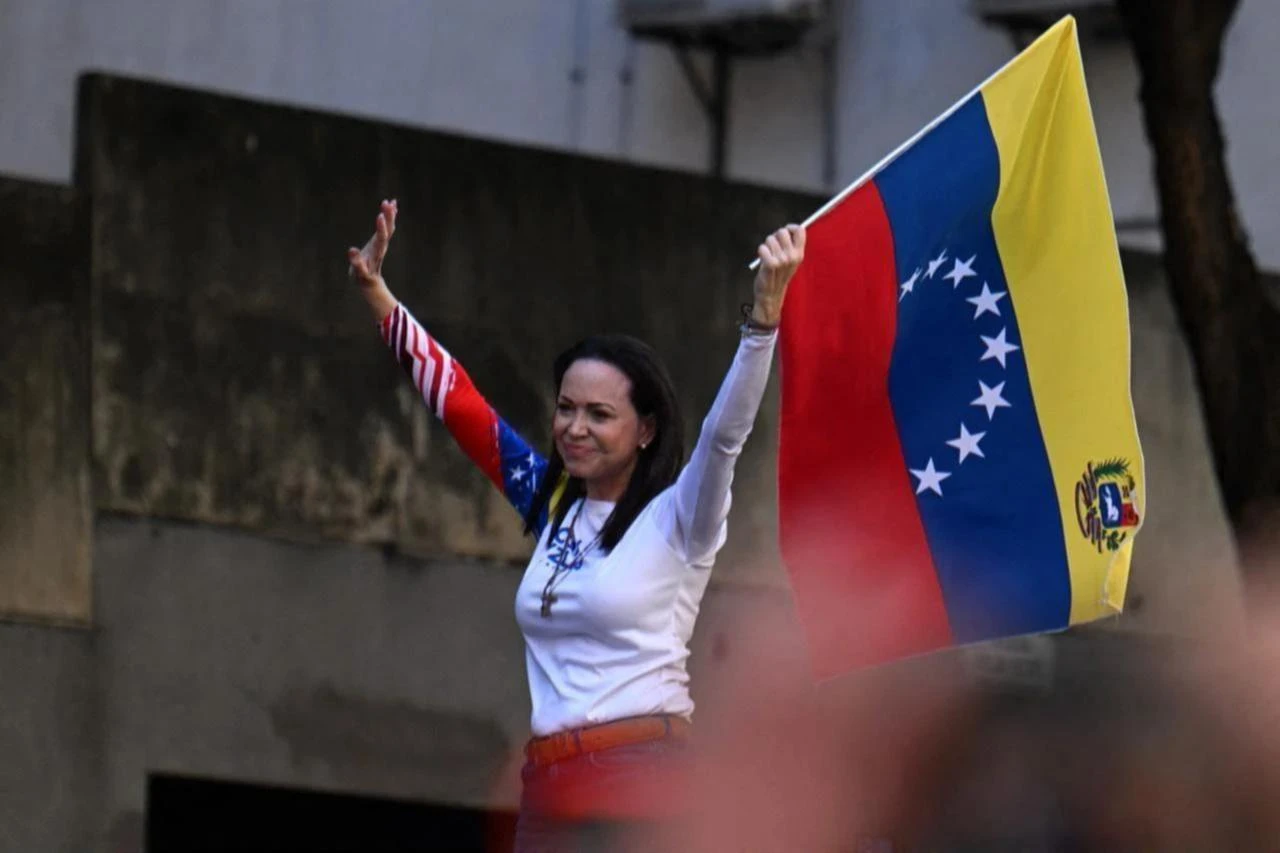
The talks are proceeding without Venezuela’s main opposition leader, Nobel Peace Prize laureate Maria Corina Machado, who has said she will not obstruct the process.
Jorge Rodriguez said the discussions would address assistance following the June earthquakes, the “reinforcement of democracy” and political rights.
The earthquakes killed more than 5,500 people, adding to the country’s difficulties.
Venezuela has the world’s largest proven oil reserves but continues to face severe economic problems and greater political uncertainty since U.S. forces removed Maduro.


 Set as preferred source
 Set as preferred source


 1 min read
 1 min read