Newsletters


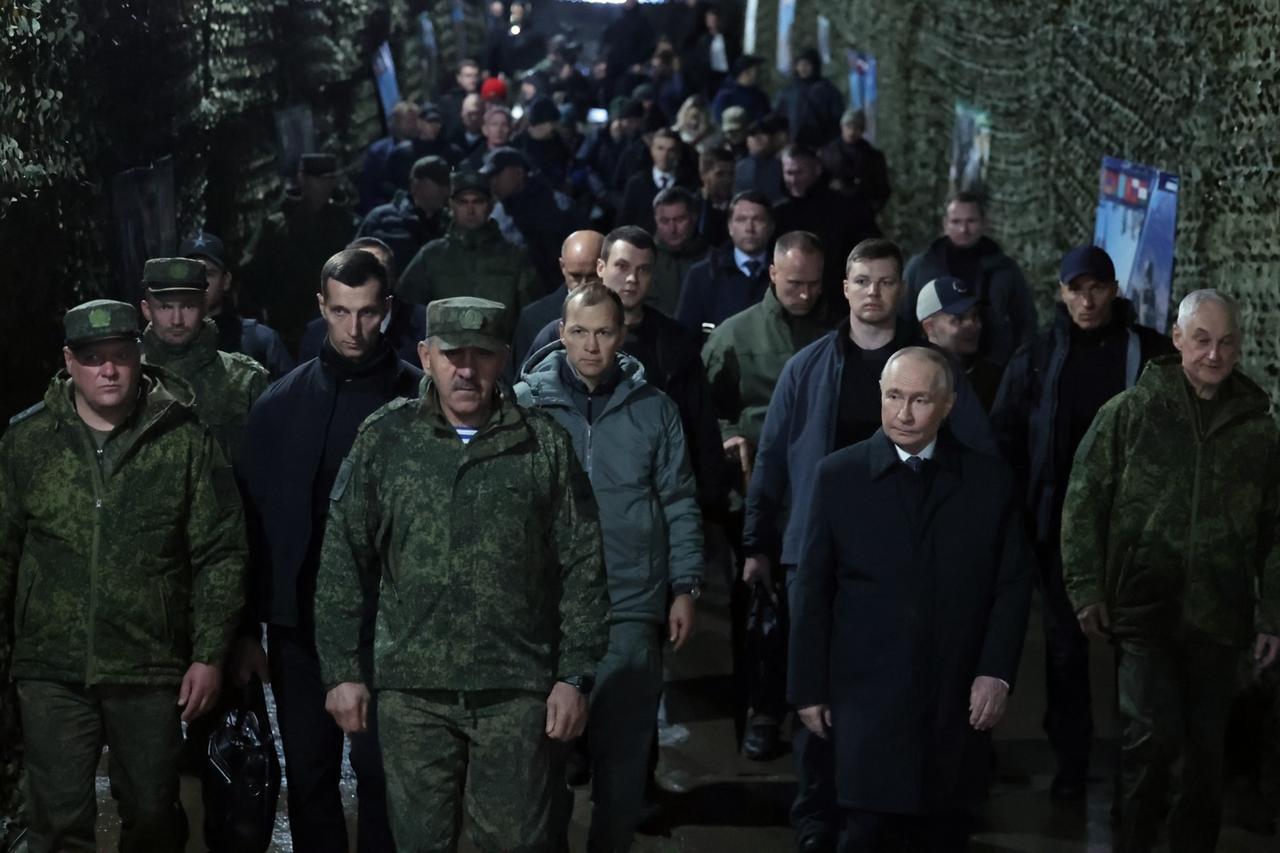


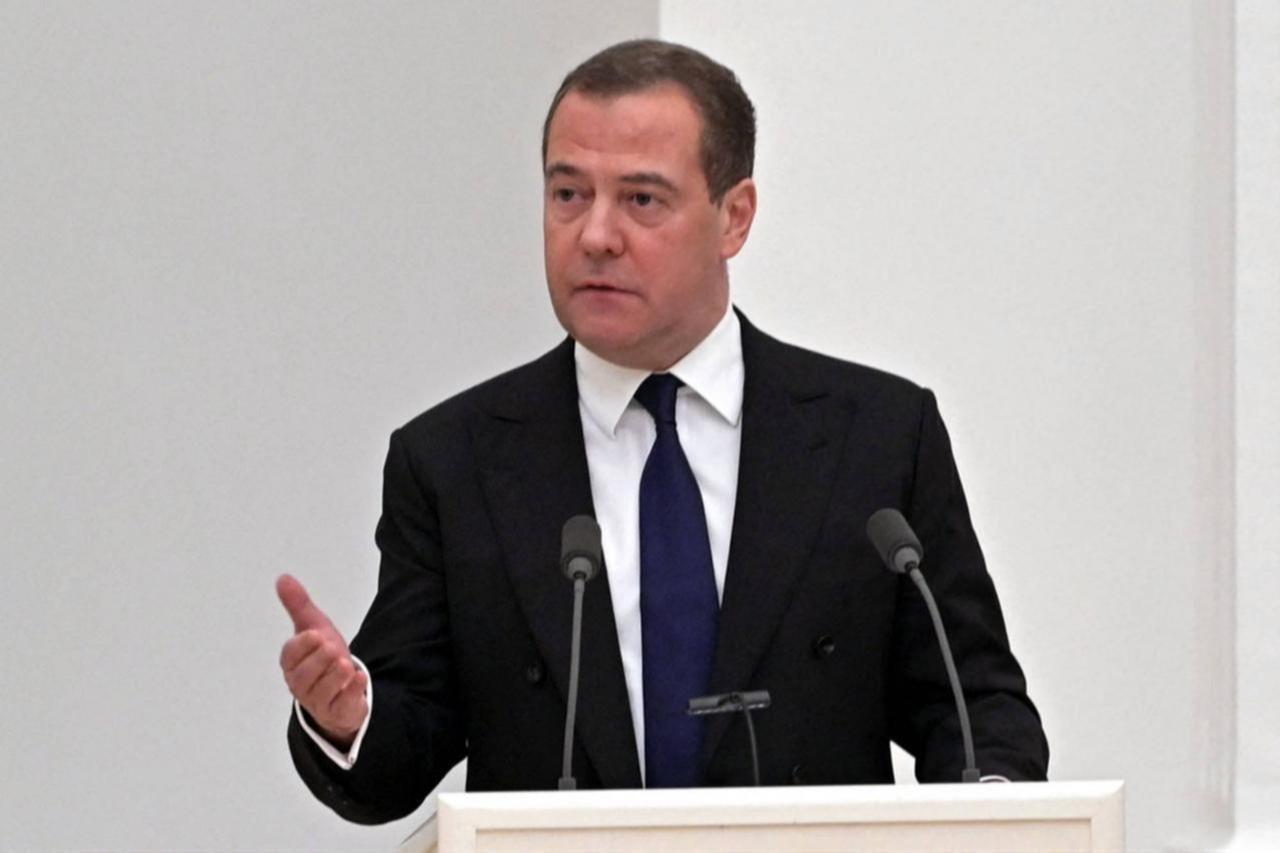
Kremlin spokesperson Dmitry Peskov said Sunday that Russia would use its entire available weapons arsenal to defend the Kaliningrad region if it faced a threat from other countries.
Speaking to the Vesti news outlet, Peskov said Moscow had not threatened to use nuclear weapons, despite what he described as Western portrayals of Russia’s position.
“We said that this is a region of Russia, and in the event of some kind of threat—and we have heard many statements from hotheads in Poland and other countries—Russia will use its entire available arsenal of weapons,” Peskov said. “This is not a threat at all.”
Kaliningrad is a Russian exclave located between Poland and Lithuania on the Baltic Sea.
Turning to Ukraine, Peskov said Russia would continue fighting as long as a peaceful settlement remained impossible, while emphasizing that Moscow considers negotiations preferable.
“We want peace, and for us it is preferable to achieve it by peaceful means,” Peskov said. “But while this is impossible, we will fight and fight relentlessly.”
He warned that those who considered it possible to deliver what he called a crushing blow to Russia would “pay a price.”
“Those who deem it possible to make plans to deliver a crushing blow to Russia will pay a price for it, as Ukraine is paying now,” he said.
Peskov also said Russia was prepared to fight for even 0.01% of Ukraine’s eastern Donetsk region.
“Even if it were half a percent, or one-hundredth of a percent—this is the Russian Federation. There is nothing to discuss here,” he said.

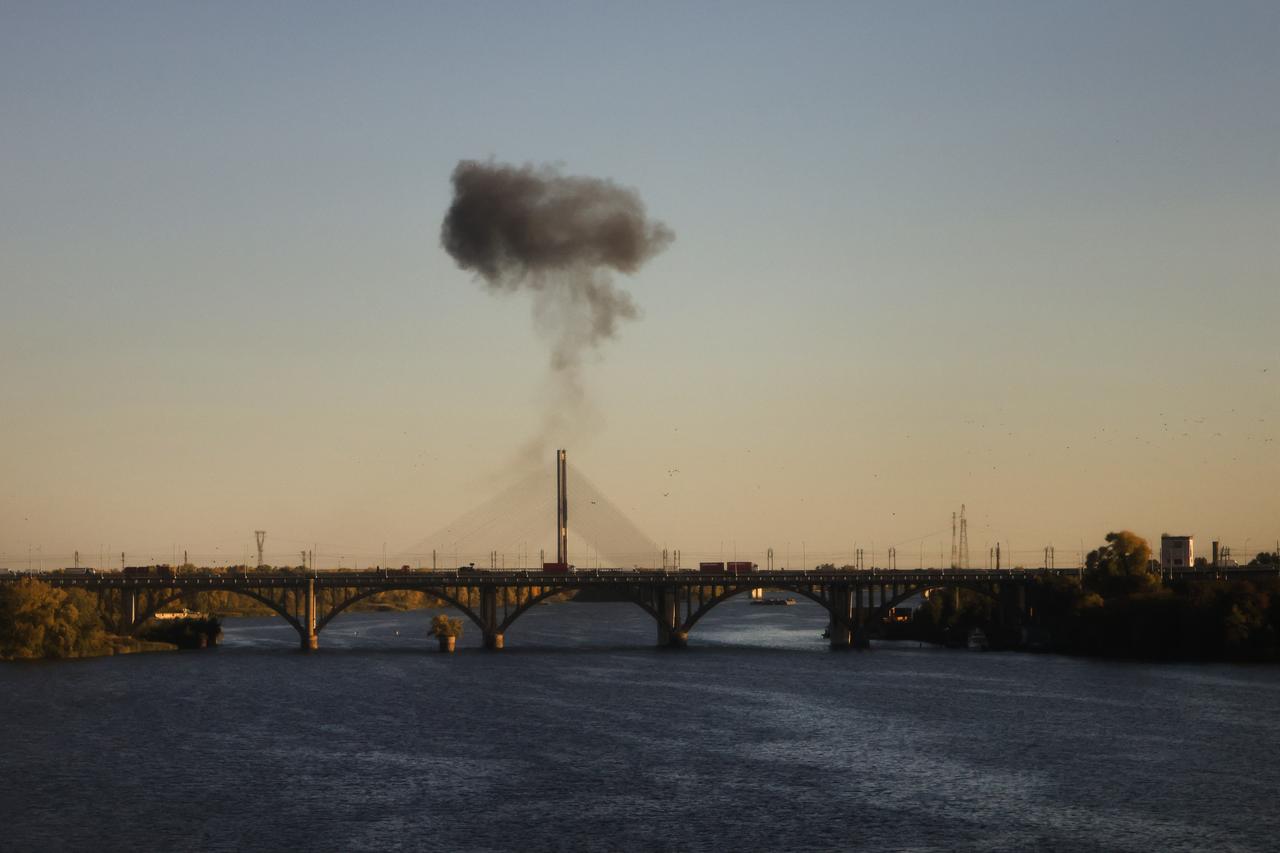
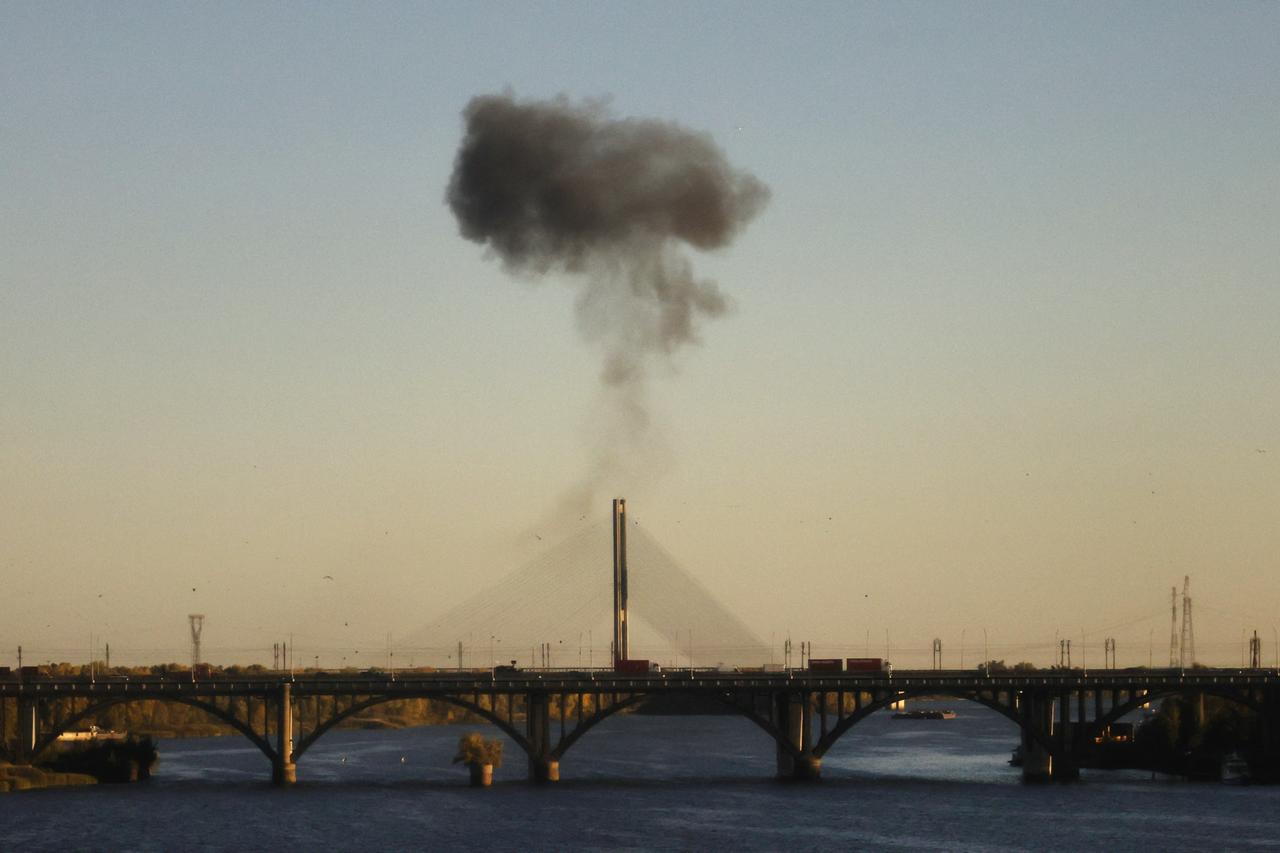
Russia struck another major bridge in Kyiv on Sunday, shortly after German Chancellor Friedrich Merz arrived on a surprise visit to show European support for Ukraine amid an upsurge in attacks.
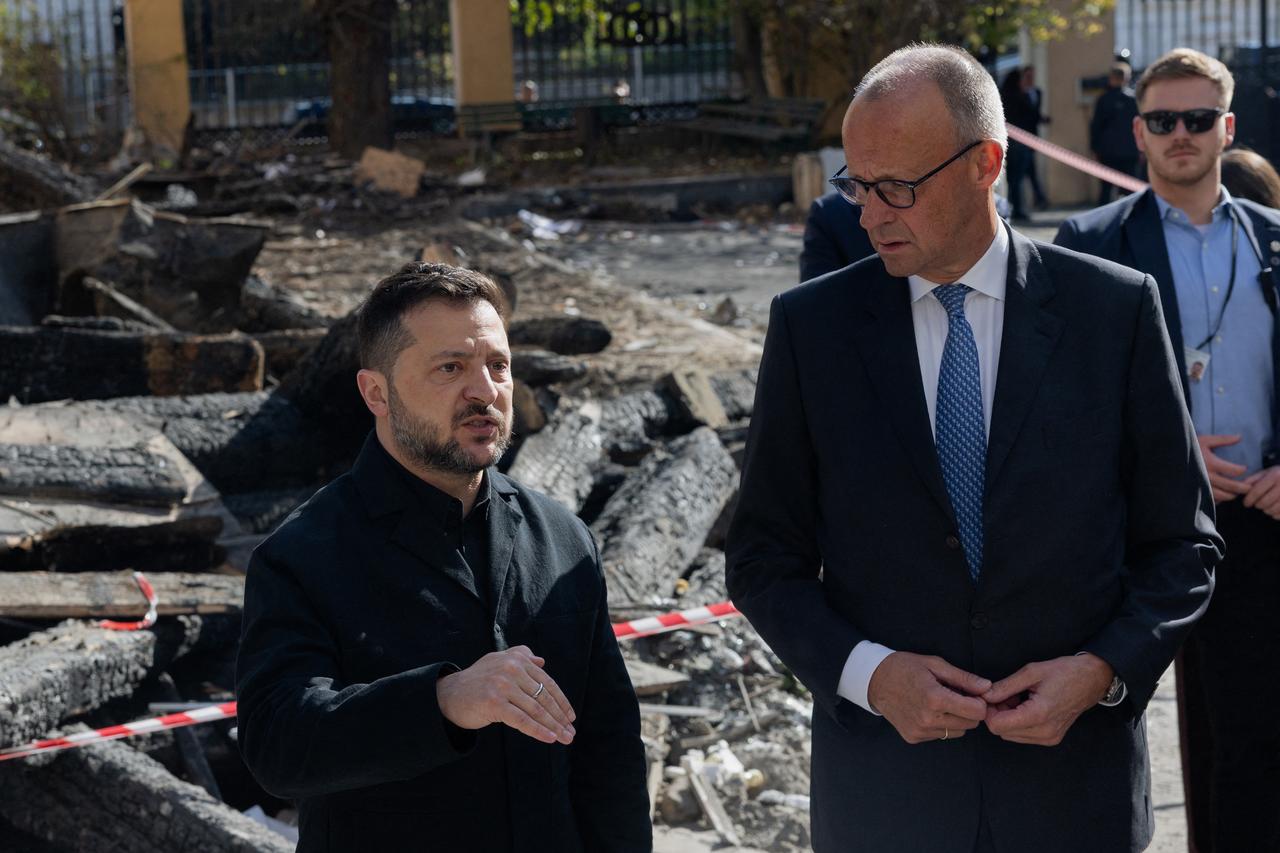
Air raid sirens sounded repeatedly across the Ukrainian capital throughout the morning, including as Merz met President Volodymyr Zelenskyy at the National Academy of Sciences, which was hit by a Russian attack drone Monday.
Zelenskyy told Merz that people in Kyiv were enduring “terrible nights and days” because of relentless attacks and called Russia’s forces “absolute barbarians.”
“We can see the entire pointlessness of this war at this place,” Merz said.
“These barbarous attacks on the civilian population of Ukraine must stop. These are war crimes that are being committed daily here,” he added.
Kyiv Mayor Vitali Klitschko said a strike damaged the road surface on the Northern Bridge, one of several crossings over the Dnipro River connecting the eastern and western parts of the city.
Several bridges in the capital have been struck repeatedly over the past four days.
Klitschko said Kyiv, which had largely been spared the devastation seen near the front lines during nearly five years of war, should now be on a war footing because of the surge in attacks.
A wave of round-the-clock Russian attacks has hit residential areas, gas stations, schools, and rail and communications infrastructure, while near-constant air raid sirens have disrupted daily life.
Merz said on arrival that Ukraine “needs all our support in the coming weeks.”
“If Russia is not stopped, its war machine will sooner or later turn against us,” he said.
Ukraine is seeking more Western military support, including advanced interceptors to shoot down Russia’s new fast-moving, jet-powered drones.
Zelenskyy promised “important agreements” during the visit.
Government sources in Berlin said Germany and Ukraine were expected to agree on a new military support package worth more than $1 billion.
The package includes combat drones and satellite technology to help Ukraine strike Russian launch sites, as well as joint production of anti-jet drones, German sources said.
“This support addresses the most significant current gap in Ukraine’s air defense system. The impact is expected to be rapid and tangible,” one source said.
Russia’s Defense Ministry said Sunday it would ramp up strikes on “military and military-industrial facilities” and “related infrastructure in Kyiv” and elsewhere after Zelenskyy said Ukraine would intensify attacks on oil facilities that it says supply Moscow’s troops.
Merz this week called for NATO and European unity against Russia as security concerns grow across Europe.
Russia warned foreigners and diplomats Saturday to leave Kyiv, saying “massive” new airstrikes would hit the city.
The warning echoed a similar threat in May, although leaders from Ukraine’s allies have continued to visit Kyiv.
“The EU Delegation is staying. Threatening us will not stop Europe’s support for Ukraine. It only reminds us why that support matters!” EU Ambassador Katarina Mathernova wrote on X on Sunday.
Mathernova told Agence France-Presse (AFP) separately that “nobody is moving,” while adding that European embassies always had contingency plans, including for winter.
Russia has acknowledged deliberately targeting Ukraine’s energy sector as winter approaches.
Last year, similar attacks knocked out power and heating for days as temperatures fell to minus 20 degrees Celsius.
In Kyiv, home to about 3 million people, residents are weighing what to do if widespread outages return, while some officials have urged vulnerable and disabled residents to consider leaving.
Merz’s visit was also expected to include an announcement of about €350 million to help provide generators, transformer stations and grid repairs, German government sources said.


 Set as preferred source
 Set as preferred source


 1 min read
 1 min read