Newsletters


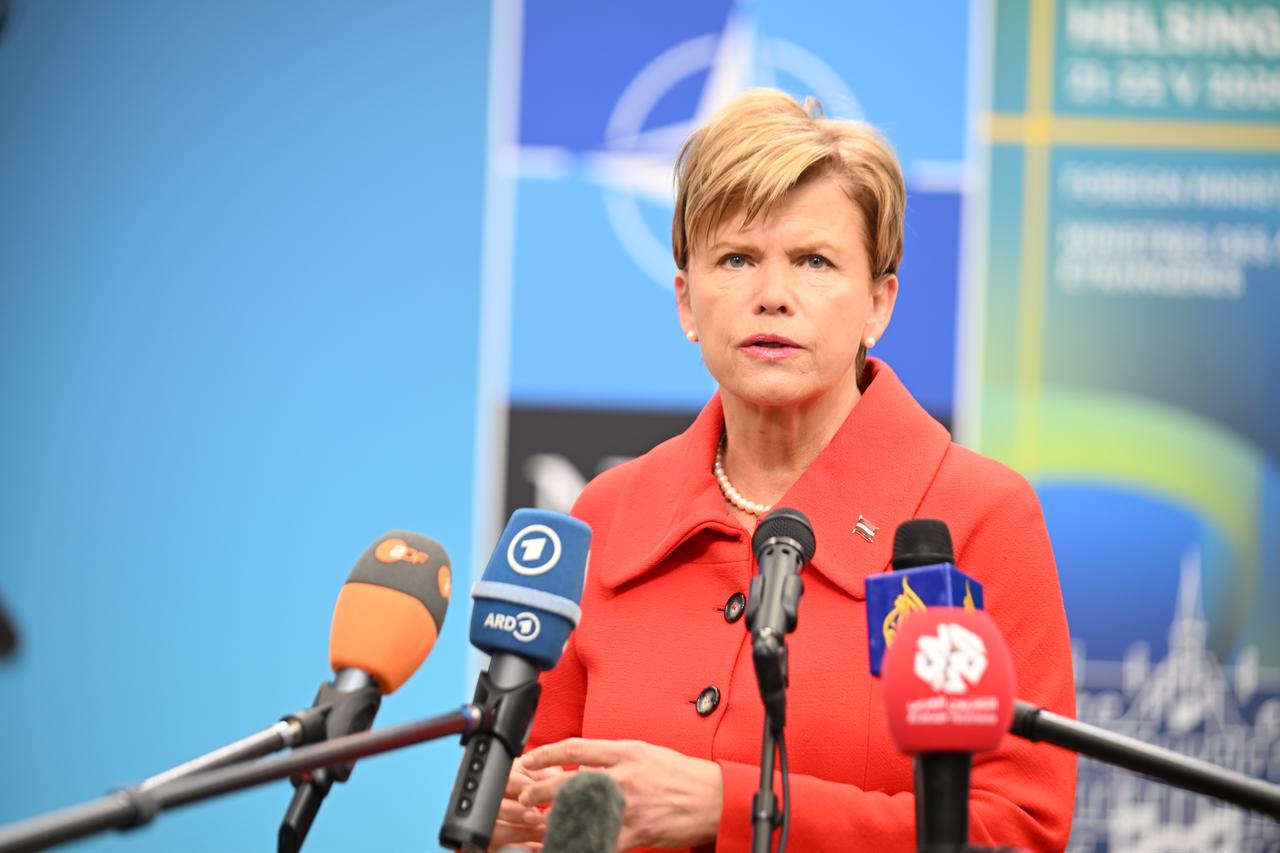


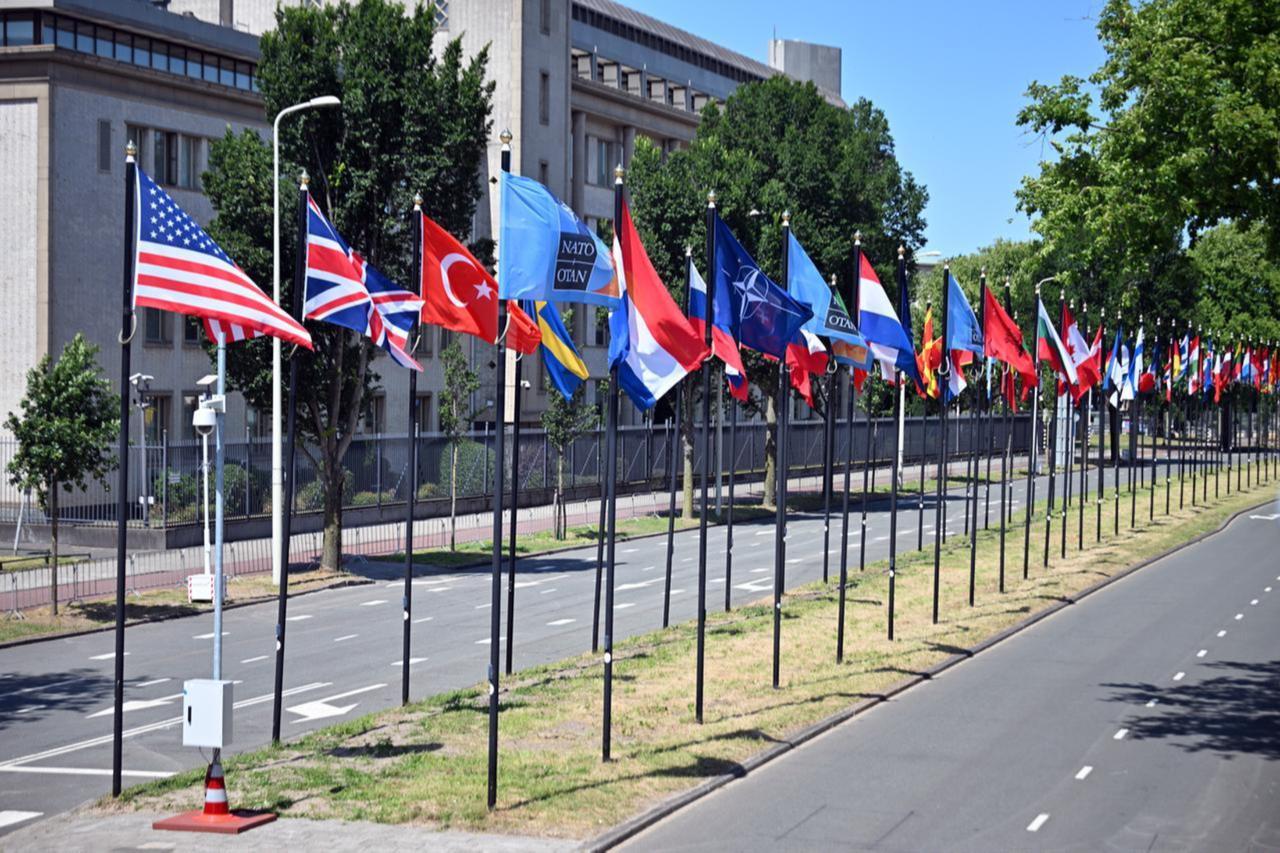
Latvia is calling for stronger collective defense as NATO prepares to meet in Türkiye next month, Foreign Minister Baiba Braze told Anadolu in an exclusive interview, warning that the alliance faces “immediate and interconnected” security threats.
Braze said Latvia will arrive at the NATO summit in Ankara on July 7-8 with a message backed by action, after becoming the first NATO member to legally commit to spending at least 5% of gross domestic product (GDP) on defense from 2027.
“Today, there are no ‘frontline’ and ‘rear’ allies—we are all on NATO’s frontline,” Braze said.
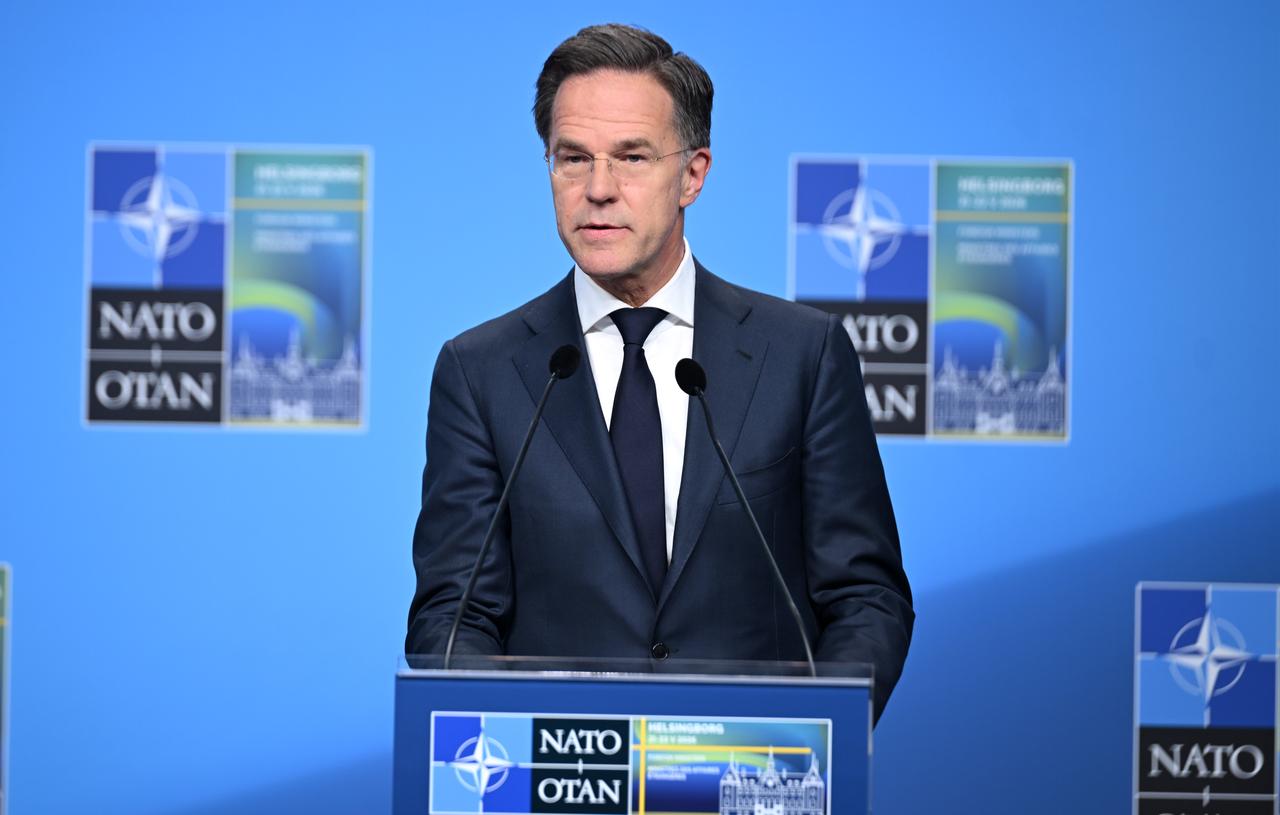

Braze said allies must show “concrete progress towards the agreed defense investment targets, deliver on capability commitments and strengthen our defense industrial capacity.”
She said NATO’s core mission remains collective defense and that the alliance must continue strengthening deterrence and defense in line with today’s security environment.
“Latvia’s message is straightforward: NATO’s core mission remains collective defense, and the alliance must continue strengthening its deterrence and defense posture in line with today’s security environment,” she said.
Braze said security could not be built on statements alone.
“Security cannot be built on declarations alone; it requires deployable forces, resilient supply chains, advanced technologies and sustained political resolve,” she added.
Latvia is already among NATO’s highest defense spenders relative to GDP, but Braze said the focus is not only on spending levels.
She pointed to investments in air defense systems, drone technologies and military infrastructure, along with Latvia’s role in hosting NATO troops and contributing to alliance operations.
Braze also praised Türkiye’s contribution to NATO’s eastern flank, including support for the alliance’s Eastern Sentry activities and its planned participation in the Baltic Air Policing missions from Estonia’s Amari air base later this year.
Latvia’s security concerns have deepened as the war in Ukraine continues.
The Baltic country borders Russia and Belarus and has seen several drones linked to the conflict enter the Baltic airspace in recent months, prompting security alerts and NATO responses across the region.
Russia’s Foreign Intelligence Service recently accused Ukraine of planning drone attacks from Latvian territory, allegations denied by both Riga and Kyiv.
The incidents have also affected domestic politics.
In May, Latvia’s coalition government collapsed after disputes over its handling of drone incursions.
Parliament later approved a new pro-EU and pro-NATO coalition, with Braze remaining as foreign minister.
Security has become one of the dominant political issues in Latvia, a country of 1.8 million people.
After regaining independence following the collapse of the Soviet Union, Latvia joined NATO in 2004 and has consistently viewed the alliance as the cornerstone of its national security.
A Canadian-led multinational NATO battlegroup is stationed in Latvia as part of efforts to reinforce the alliance’s eastern defenses.
Latvian military officials have warned that Russia has a window of opportunity to challenge NATO before European allies complete efforts to strengthen their military capabilities.
Braze rejected the idea that stronger European defense capabilities would weaken transatlantic ties.
“For Latvia, there is no contradiction between stronger European capabilities and a strong transatlantic bond. On the contrary, the more capable Europe becomes, the more effective and sustainable NATO becomes,” she said.
Before becoming foreign minister in 2024, Braze served as NATO’s assistant secretary general for public diplomacy, a role that gave her direct experience with alliance debates over burden-sharing and transatlantic relations.
She described partnerships with both the U.S. and Canada as indispensable to European security.
“The U.S. remains Europe’s most important security partner, and we are committed to ensuring that burden-sharing within the alliance becomes stronger, more balanced and more sustainable,” she said.
Braze said increased European investment in defense should reinforce NATO rather than replace its transatlantic foundations.
“These efforts are complementary to the transatlantic partnership and should reinforce, not weaken, the role of the U.S. within NATO,” she added.
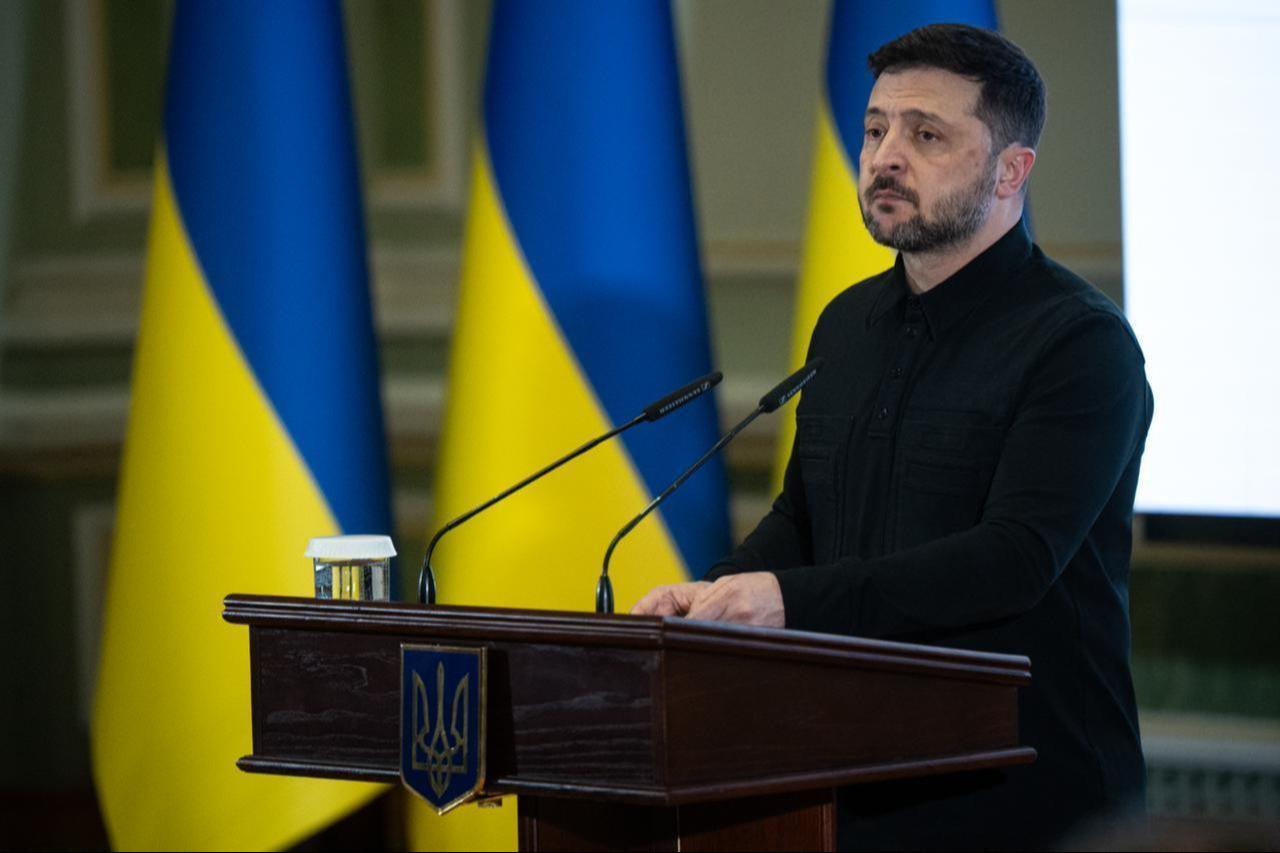
Support for Ukraine is expected to remain a major issue at the Ankara summit.
“Ukraine belongs in the Euro-Atlantic family,” Braze said, while stressing that the immediate priority is making sure Kyiv receives the military, financial and political support it needs.
“A strong, sovereign and secure Ukraine is fundamental to European security,” she added.
Braze said NATO’s immediate focus should remain on helping Ukraine defend itself and preserve its sovereignty, even as debates continue over Kyiv’s future relationship with the alliance.
For Latvia, support for Ukraine is not only an issue of solidarity but also regional security.
Latvian officials have repeatedly said the outcome of the war will have consequences beyond Ukraine and will shape Europe’s security environment for years.
Latvia has been one of Ukraine’s strongest supporters since the start of the war and has consistently urged allies to maintain military assistance.
Braze has also personally backed support for Ukraine.
In 2024, she completed her first half-marathon in the Riga Marathon, helping raise about €14,000 ($16,000) to buy drones for Ukrainian forces.


 Set as preferred source
 Set as preferred source


 1 min read

 1 min read