Newsletters


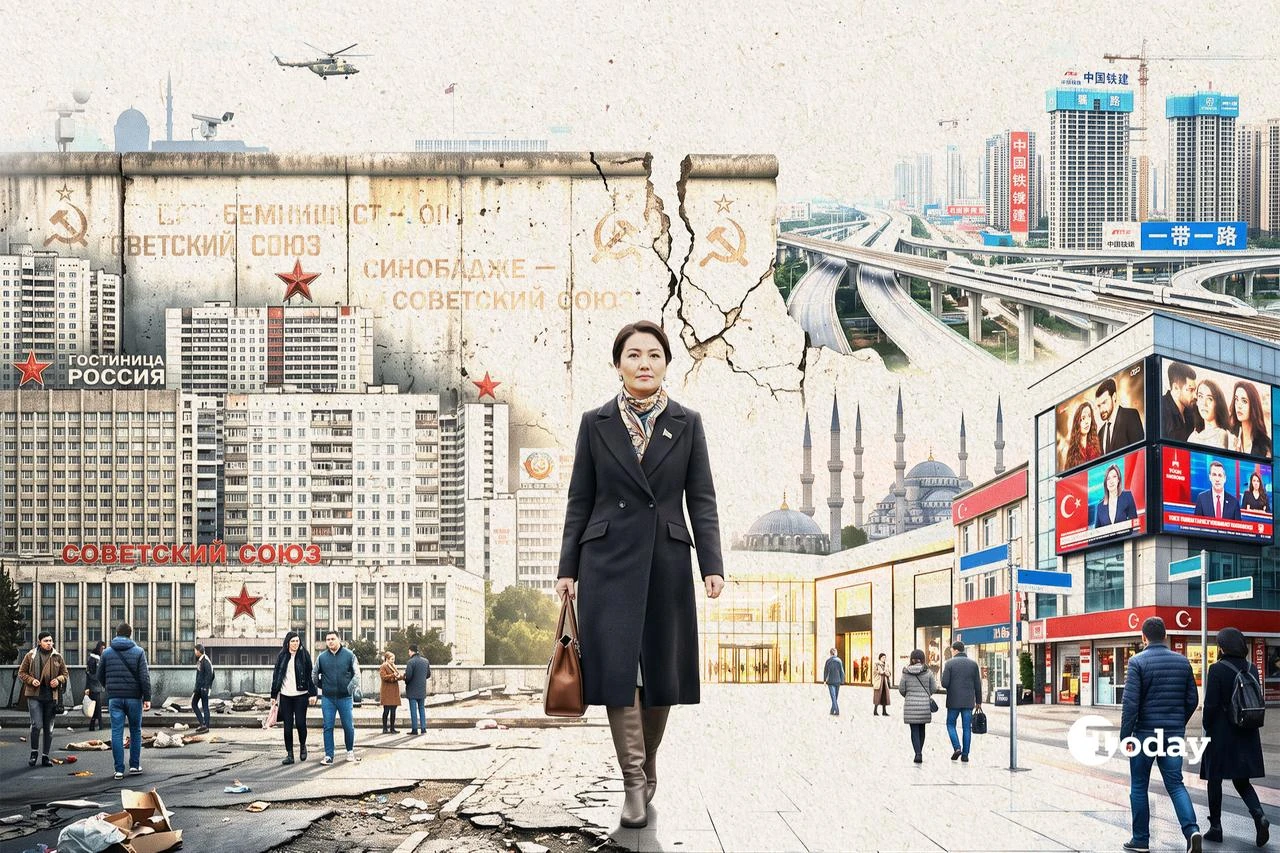


Moscow built the schools. Beijing built the roads. Washington funded the NGOs. And somehow it was still Ankara that captured hearts.
Nobody ordered this. The West had wanted transition. Russia had wanted gratitude. China wanted influence to follow the concrete on schedule, ribbon ready.
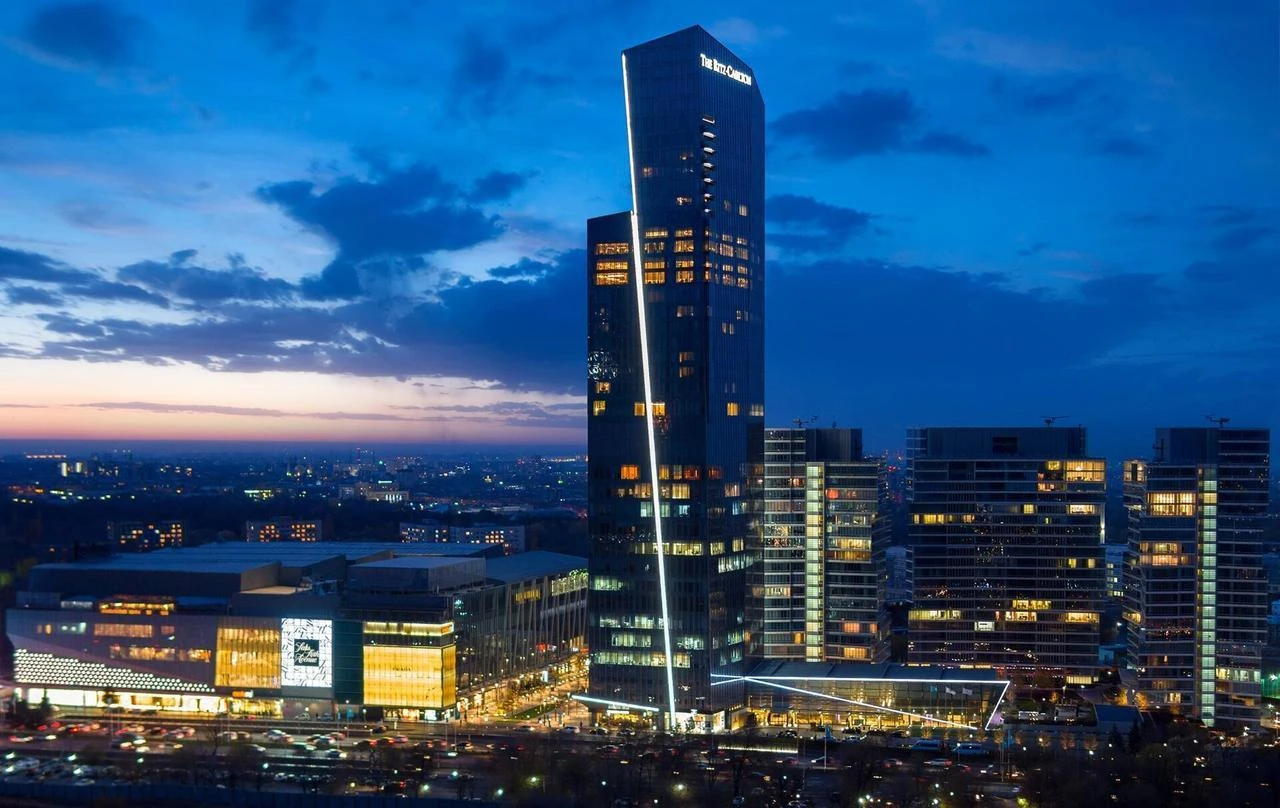
Instead, photographers swarm the Ritz-Carlton in Almaty for models wishing to be caught in street-style shots that seem impromptu, coders in Tashkent pitch heritage apps, and shepherds in Bishkek file invoices for artisanal felt.
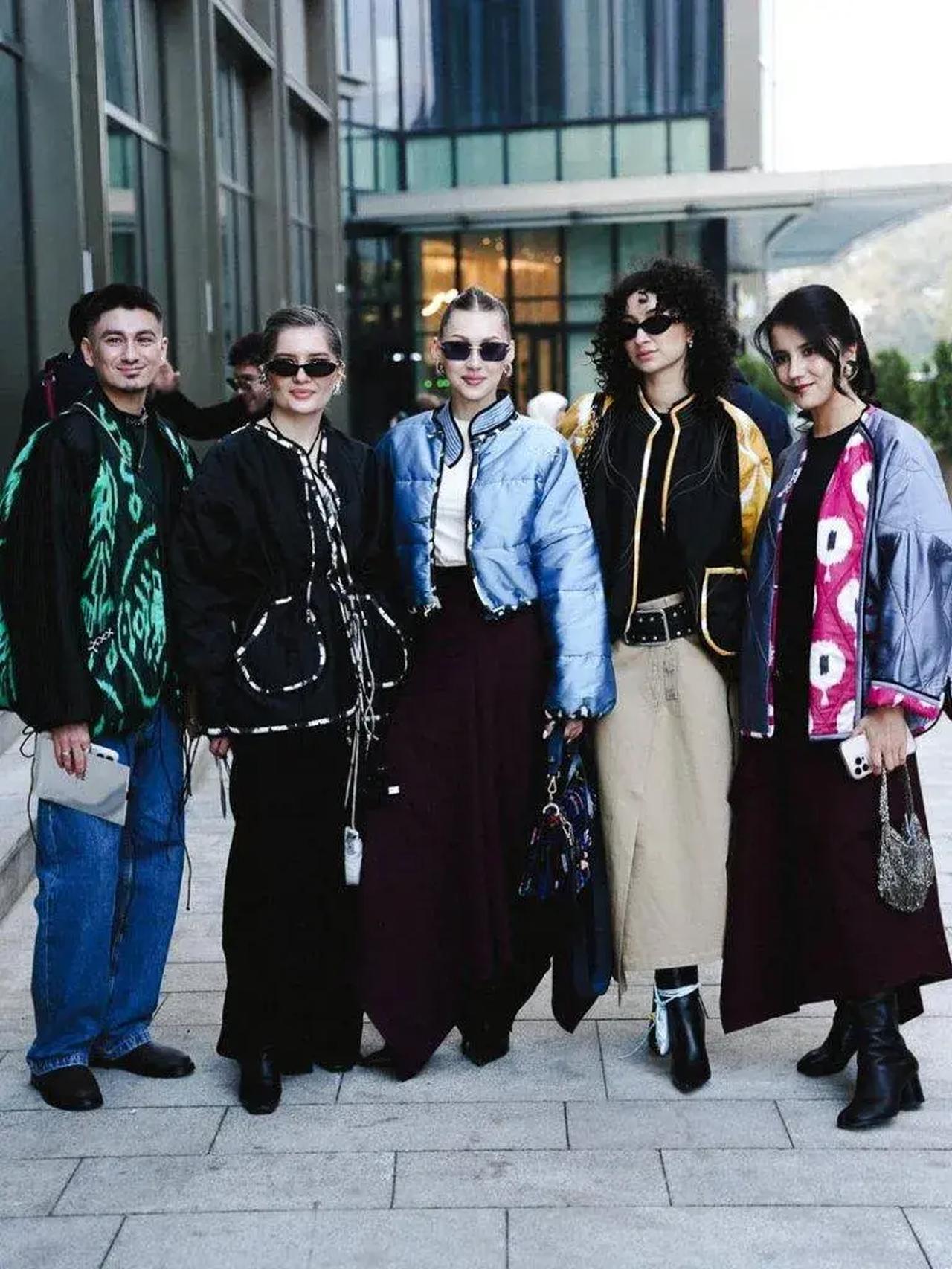

A new middle class stands in the wreckage of other people's theories, dressed in better shoes.
The key to understanding what actually happened is not soft power in the Joseph Nye sense. Türkiye arrived not as a patron with a bill but as a cousin with a satellite TV box—offering international recognition without extracting a price for it. That turns out to be the one thing neither Russia nor China can credibly provide.
These are societies that tried socialism, endured the chaos of its collapse, and built something new largely on their own terms, meaning that what they want from the outside world is acknowledgement, not simply another arrangement that quietly assumes their compliance.
This attitude is visible if you know where to look. At Visa Fashion Week Almaty, 45 minutes are timetabled like a NATO briefing for standing in good light outside a five-star hotel.
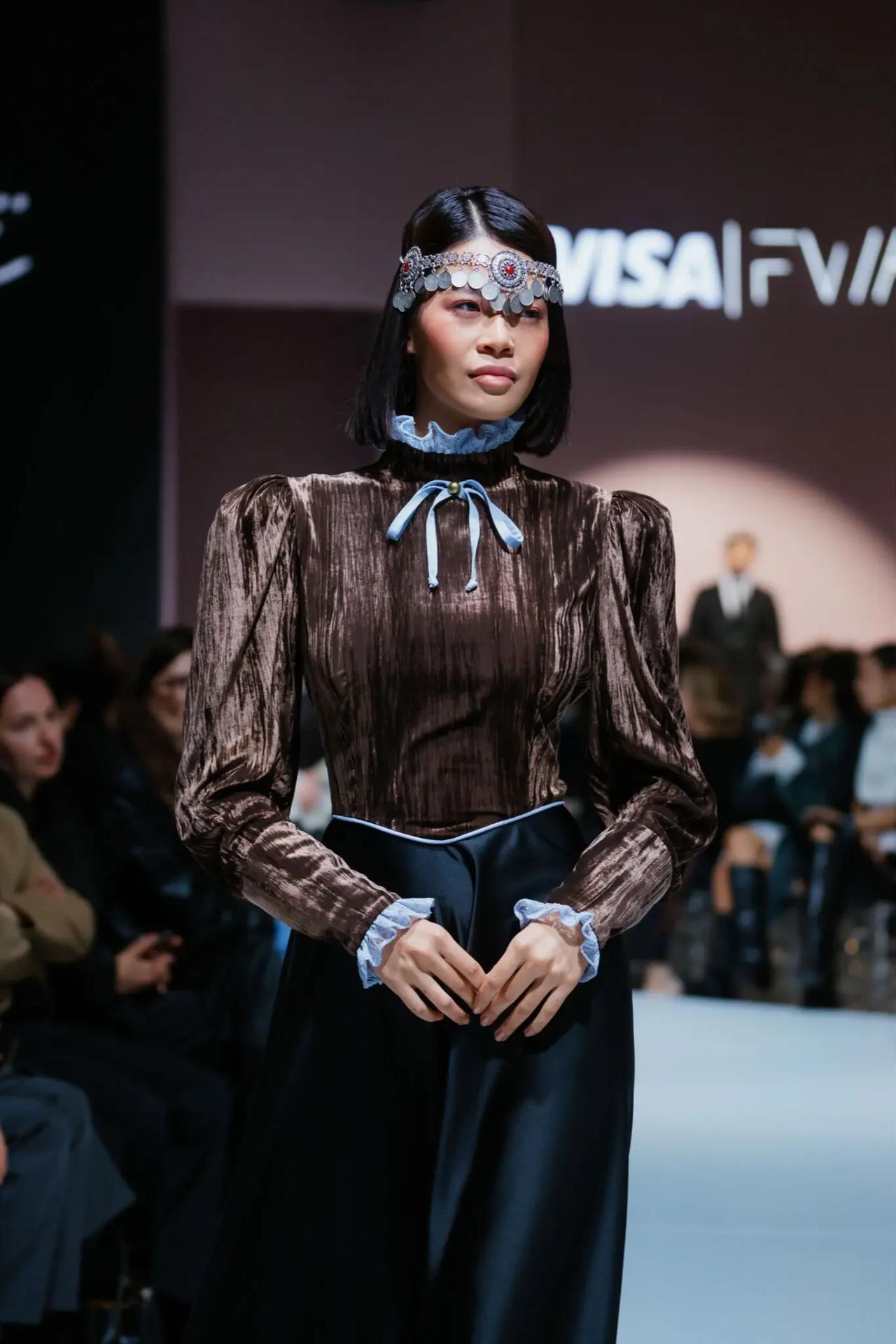
A generation ago, Kazakhstan was where Moscow sent its nuclear tests and its deportees. Today it's young dress for cameras like people who know that being seen is its own small act of independence.
In the same complex as the fashion show stands Esentai Mall: six floors, Louis Vuitton, Prada, Dior, Burberry, Moncler, anchored by the first Saks Fifth Avenue for several thousand kilometers in any direction. The brands did the arithmetic and followed their customers home.
"Conspicuous consumption is both an indicator of personal success and a sign of belonging to a new generation with freedoms unknown to an older one," says Dr. Alexander Parkyn-Smith, an anthropologist-turned-artist whose work is rooted in Almaty's new urban class, though he cautions against reading it too literally.
The same designer outfit might belong to someone who has arrived or to someone still sharing a two-bedroom flat with their family. Outwardly playing a role, he notes, can be as important as actually achieving success.
The macros are real, and they accelerated with leadership changes—Uzbekistan's in 2016 and Kazakhstan's in 2019—that gave reform more room.
Kazakhstan's middle class grew from 26% of the population to 67% between 2006 and 2021. In Uzbekistan, poverty fell from 17% to 11% between 2021 and 2023 alone.
Richard Pomfret, a leading economist of the region, notes that "unlike the 1990s, when widespread economic hardship was accompanied by a small group becoming rich, 21st-century growth has been more equitably shared," and that in Tashkent and Almaty, the main topic of conversation is now traffic, as car ownership has surged.
None of this, however, is Switzerland with plov. The Gini coefficient is rising in both countries, and child poverty in Kazakhstan remains acute. But precarious prosperity does not automatically radicalize people.
Rather, it makes them watchful of which patron quietly expects something in return, and on that score the answers are not reassuring about Russia or China.
Russia sits inside the region's security furniture like a tenant who knows where the pipes are buried, but 70% of Kyrgyz and 55% of Kazakhs now blame Russia's war in Ukraine for their economic pain.
Meanwhile, Beijing has built, lent, trained, and projected—and discovered, with the bafflement of a man who bought the restaurant and still cannot get a table, that affection does not post to the balance sheet. Belt and Road credit and Chinese farm leases keep detonating local protest.
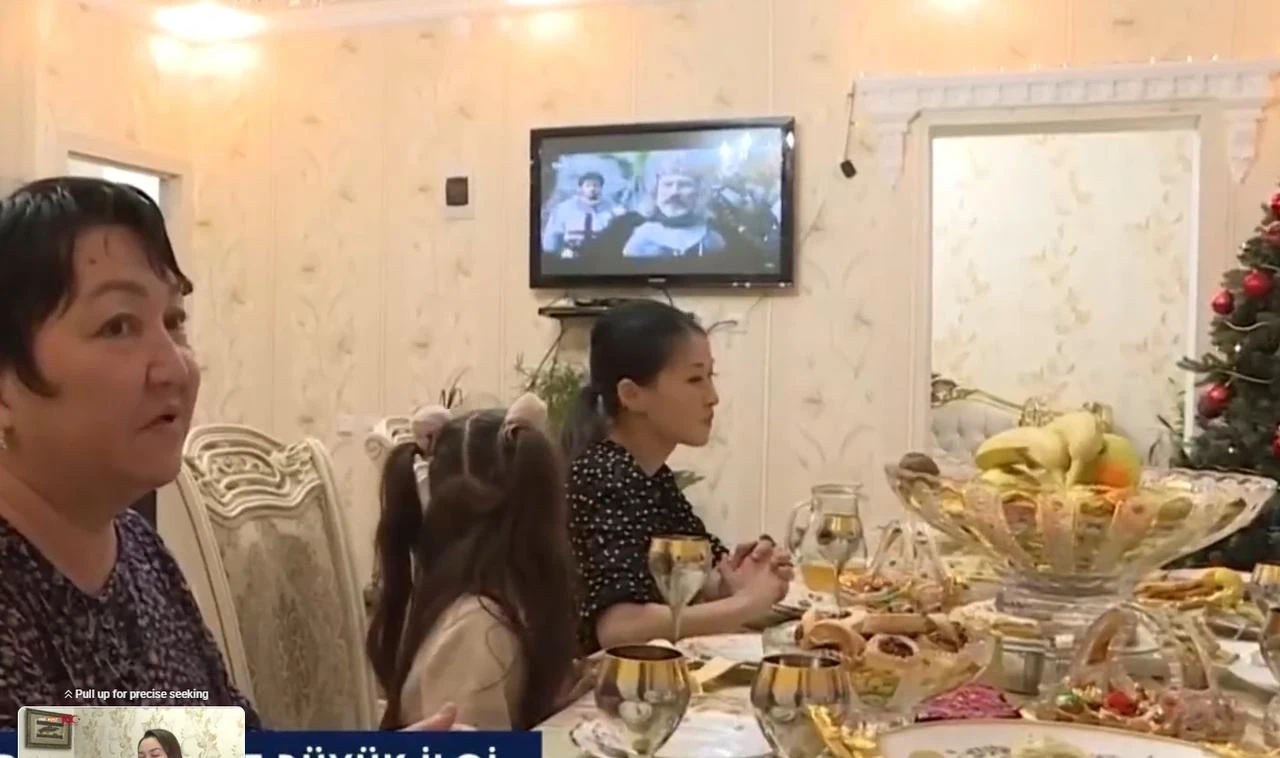
The share of pupils educated in Kazakh nearly doubled from 32% in 1991 to 66% by 2019, and Qazaqsha soyle—"speak Kazakh"—has gone from slogan to meme to prevailing mood. The audience votes with the remote control, not the loan terms, and the remote is tuned to Ankara.
The Turkish dizi dominates prime time in a way neither rival could replicate. Global demand for Turkish series surged 184% between 2020 and 2023, making Türkiye the world's second-largest television exporter behind only the United States—and Kazakhstan and Uzbekistan were among the earliest markets, back when the first drama sold to the region went for $30 an episode.
Türkiye is the one country in the frame that has already assembled the synthesis this generation is reaching for: Turkic identity, Islamic inheritance, and Western aspiration held together without empire. But it does not patronize with a template; it offers permission, saying “Here is a country that threaded those needles. Perhaps we can too.”
There is a bigger, unfashionable question lurking here. The "-stans" tried socialism. Now, a generation on, the cultural gravity in the room is a Turkic country whose foreign policy runs on pan-Turkic solidarity and whose intellectual inheritance includes the dream of civilizational community from the Adriatic to Central Asia.
Few would announce it in those terms—the Organization of Turkic States, for instance, drafts common alphabets rather than proclaiming destiny—but it is where Ankara has planted its flag, and it is what these societies seem to be shuffling toward.
Tokayev's Kazakhstan sits at 23 out of 100 on Freedom House's index; the economy has not blinked. Thirty-five years on, the people standing on the Almaty plaza are not what anyone ordered—not a liberal democracy-in-waiting, not a Russian satellite, not a Chinese soft-power win.
Russian influence costs foreign policy autonomy, and Chinese influence costs resource concessions, while Turkish influence arrives in the living room uninvited and stays because it is welcome.
One of the ladies in the plaza wears a silk two-piece—ethnic influences intertwined with trends from European fashion capitals, described by Vogue Adria's street-style editor as one of the most considered looks of the season.
She watches Turkish television, codes in English, and treats Kazakh as identity rather than Soviet leftovers. She has strong opinions about which wine bar in Almaty pours the best natural list on a Friday.
She is not confused. Which is more than can be said for the analysts.


 Set as preferred source
 Set as preferred source


 4 min read