Newsletters


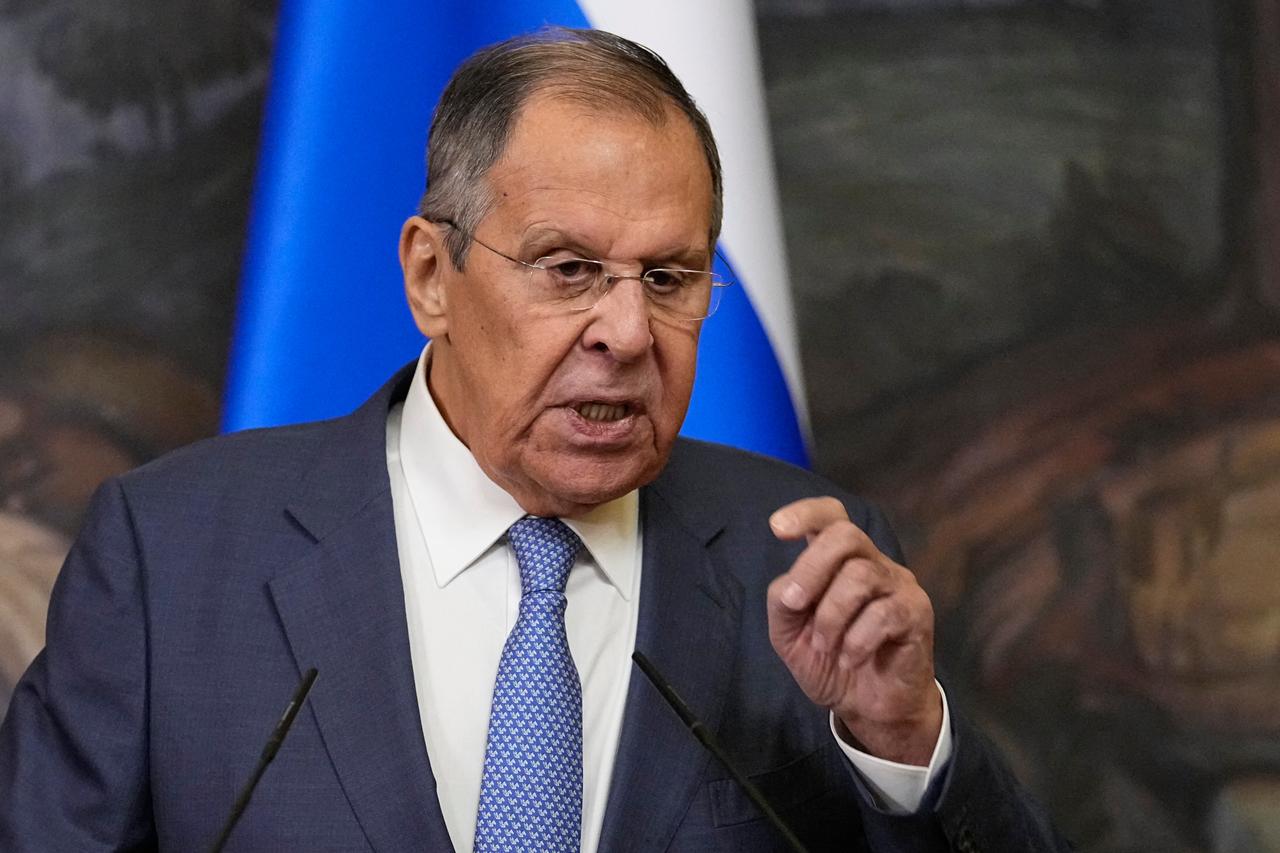


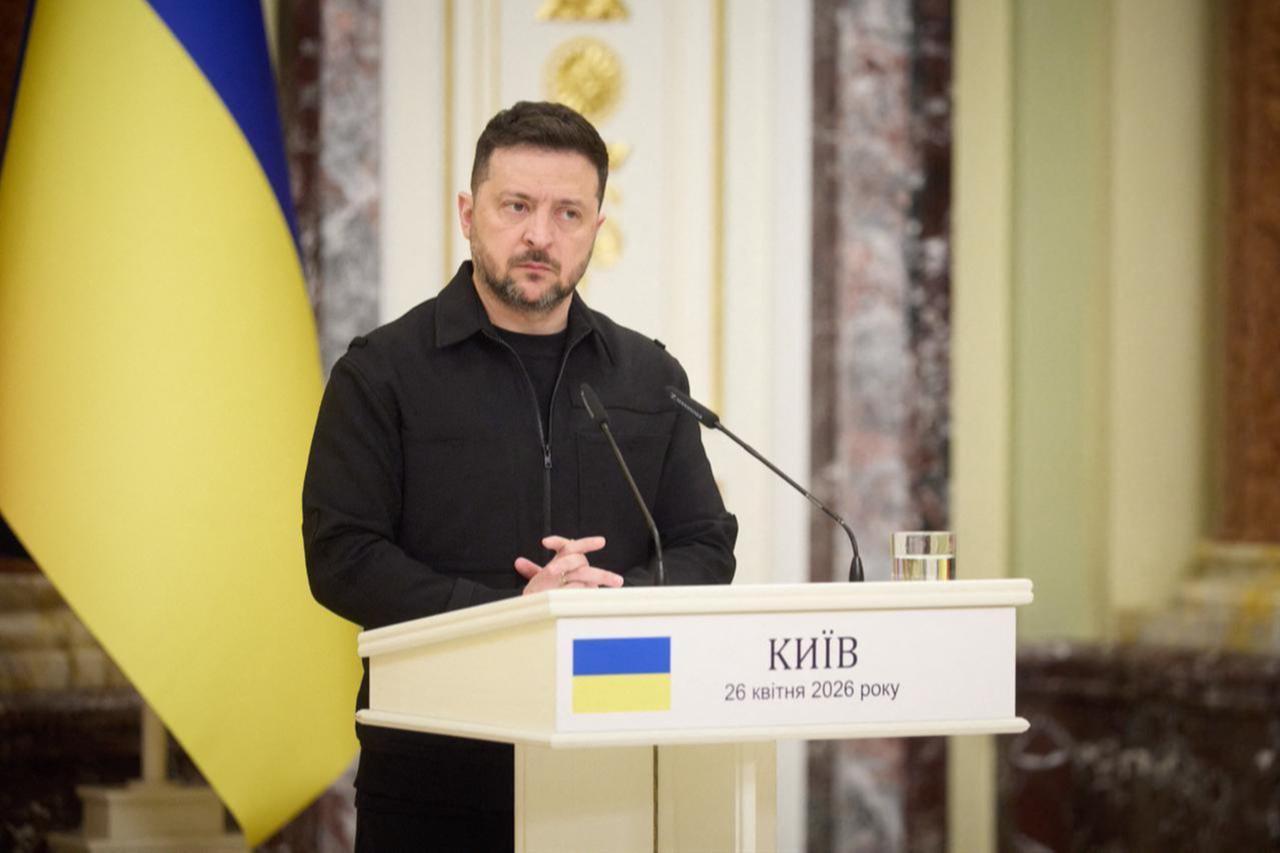
Russian Foreign Minister Sergey Lavrov said Thursday that Ukrainian President Volodymyr Zelenskyy’s opposition to the U.S.-Russia diesel deal amounts to a "direct" and "rude" challenge to U.S. President Donald Trump, as the Kremlin accused Kyiv of undermining U.S. peace efforts by resuming strikes on Russian refineries.
"This is a direct challenge, and a rude one, to President Trump, who actively supported this deal and publicly spoke about it more than once," Lavrov told reporters after the CICA summit in Baku.
Moscow is seeking to widen the rift between Washington and Kyiv after Zelenskyy said Ukraine would resume refinery strikes, accusing the U.S. of cutting intelligence and slowing Starlink, while Russian diesel begins flowing to world markets under Trump’s deal.
"The deal was proposed, we supported it, but (Mr.) Zelenskyy has said more than once: don’t pester me with this diesel deal, better give me missiles for the Patriot system, I need to continue hitting the Russian energy sector, including oil refineries," the Russian top diplomat stated.
"I think everyone already understands and fully realizes that such behavior has become usual for Mr. Zelenskyy, who believes the whole world owes him, while he is not obliged to do anything for anyone in return, and he is not ready for any constructive actions that would be truly honest and equal," he added.
Commenting on a Washington Post report of a 4-point U.S.-European peace plan, Lavrov said Russia had received no official proposal.
"In the leaks I have seen, there is no idea of how to achieve long-term, lasting peace," he said.
"If an agreement cannot be reached through negotiations, the issue will be resolved, as President Putin has repeatedly said, by the actions of our armed forces," Lavrov stated, adding, "The conditions he put forward for holding elections are absolutely unacceptable. There will be no ceasefire for him to come to his senses and rearm Ukraine."

"The Ukrainian regime in Kyiv continues to strike these facilities, thereby, of course, coming into serious contradiction with the peace efforts of the United States and of the American negotiators who are indeed making very vigorous efforts to somehow initiate the peace process," Kremlin spokesman Dmitry Peskov said.
"But so far, these vigorous attempts have been thwarted by the unwillingness of the Kyiv regime and of (President Volodymyr) Zelensky personally, to make peace," he said.
"In fact, no ceasefire was implemented by the Ukrainian side. Attacks on our refineries and energy facilities continued in this period too. So there is nothing new here," the spokesperson added.
Russia never publicly committed to Trump's energy ceasefire and said Wednesday it had struck seven Ukrainian energy facilities.
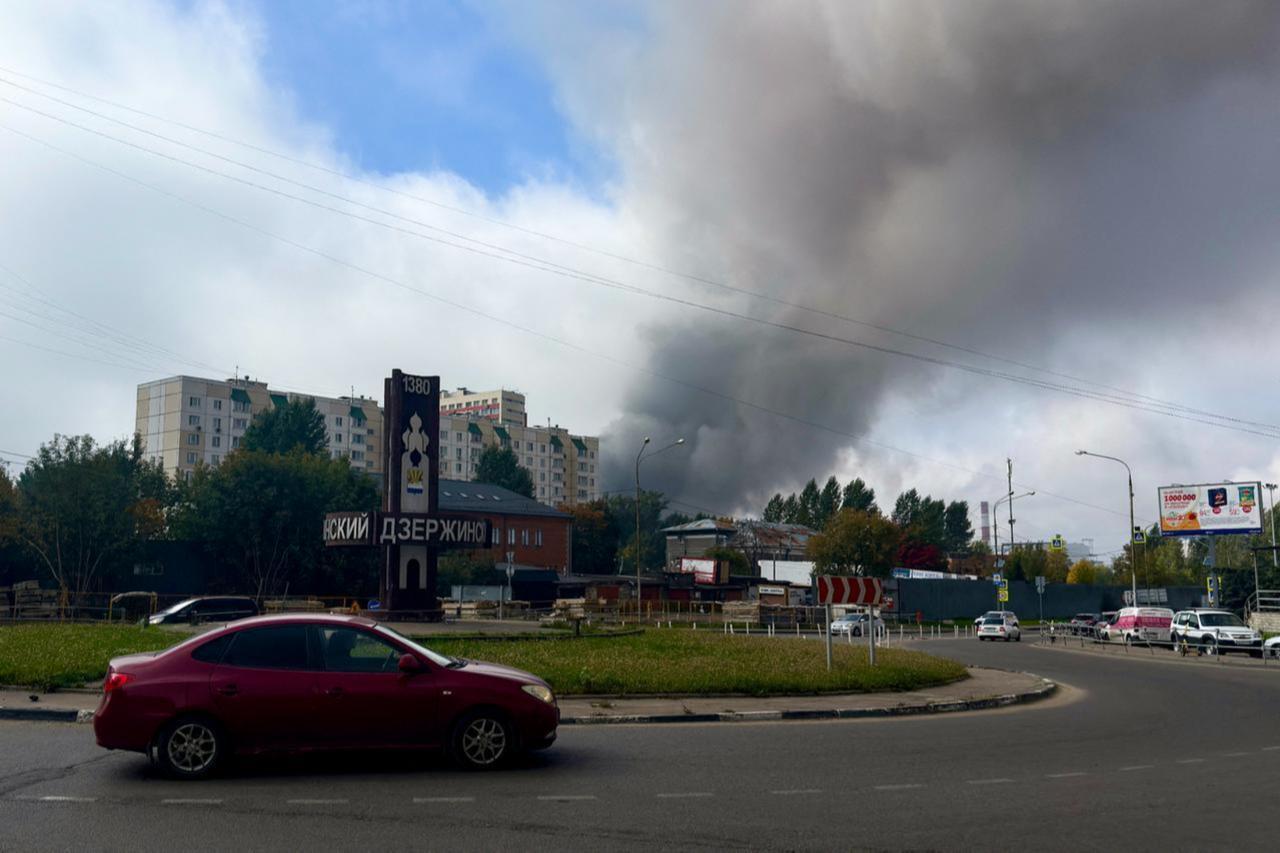
Meanwhile, Russia's Defense Ministry announced on Telegram that Ukraine "attempted a large-scale attack on an oil refinery in Ryazan," about 180 kilometers (110 miles) south of Moscow, and that a "fire broke out after drone debris fell onto the refinery site."
Ryazan Governor Pavel Malkov announced that there were no casualties.
"The diesel has started reaching global markets and is expected to have a positive effect on stabilizing oil markets, although it will not be enough to fully stabilize them," Peskov said, criticizing Europe for attacking the deal instead of welcoming it.
A tanker carrying about 40,000 metric tons of ultra-low sulfur diesel loaded at the Baltic port of Primorsk on Oct. 13 and heading to Morocco, LSEG data showed.
Deputy Prime Minister Alexander Novak said Russia is ready to supply 300,000 tons in October, 500,000 in November, and up to 1 million in December, potentially rising to 3 million tons a month.


 Set as preferred source
 Set as preferred source


 1 min read
 1 min read