Newsletters


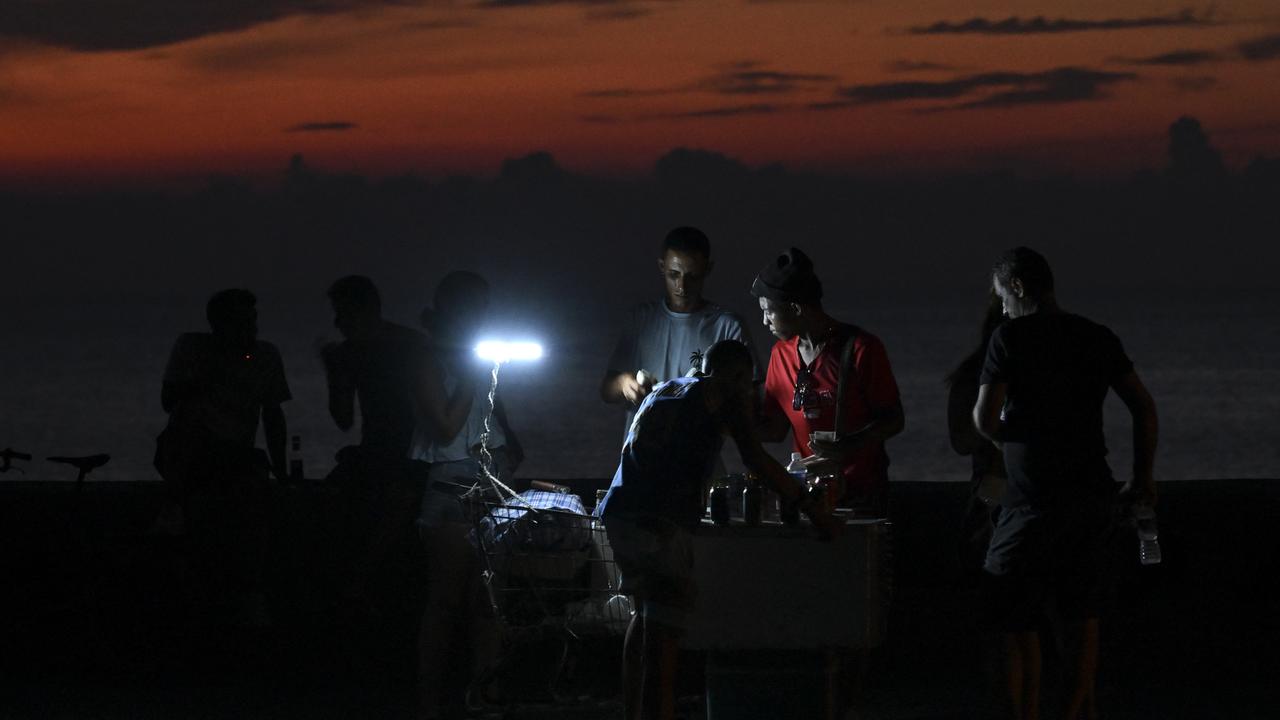
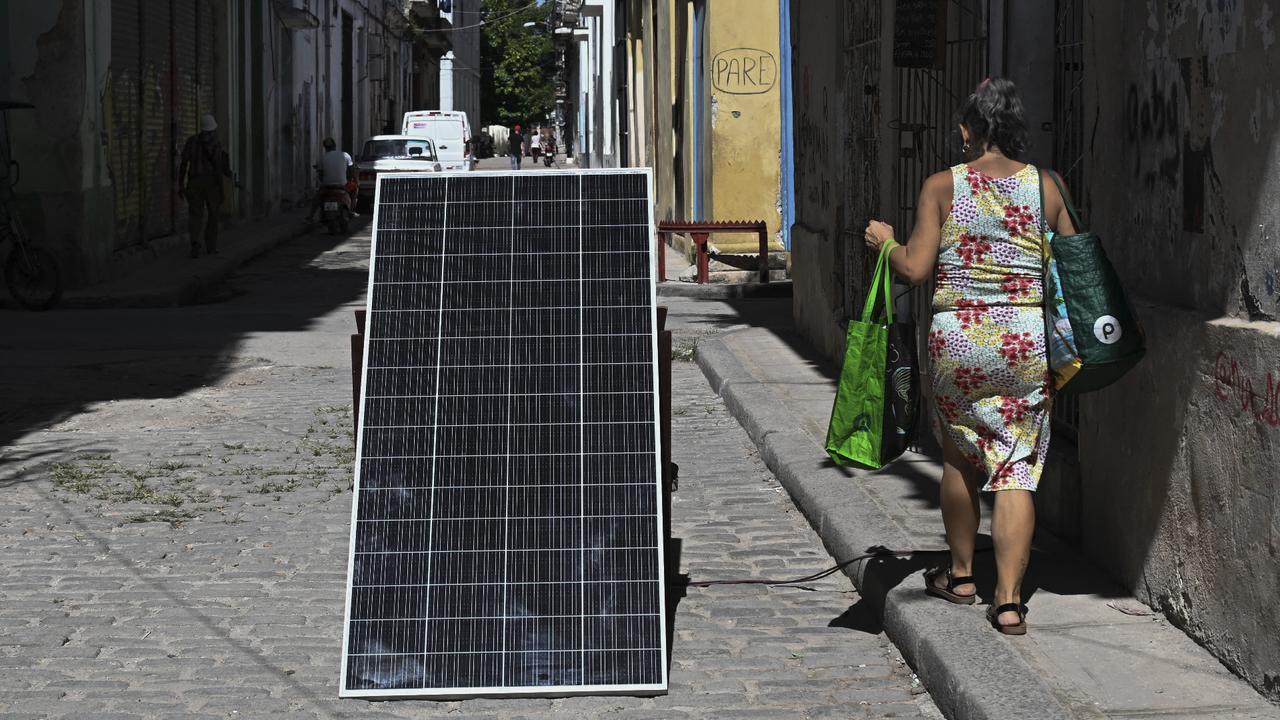
Cuba suffered over 30 hours of blackouts in Havana and more in rural areas on Monday.
The outage comes as Cuba struggles with its worst economic crisis in decades, including severe fuel restrictions and repeated power failures.
It marks the third blackout nationwide in six months and the eighth since late 2024.
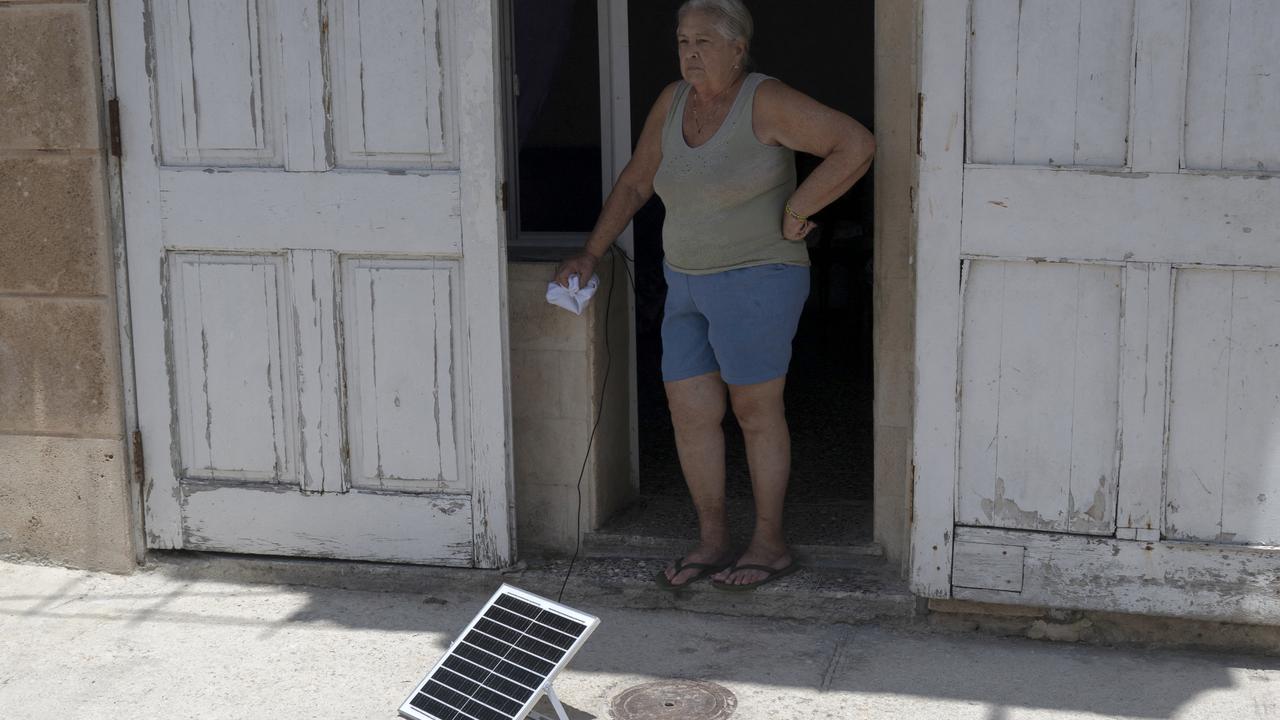
"While the US attempts to trigger social unrest through strangulation by blocking fuel access to Cuba, the UNE is mobilizing to reverse the collapse of the National Electric System," said Cuban President Miguel Diaz-Canel.
"The work being done by electrical workers amidst a genocidal energy blockade is heroic," he added.
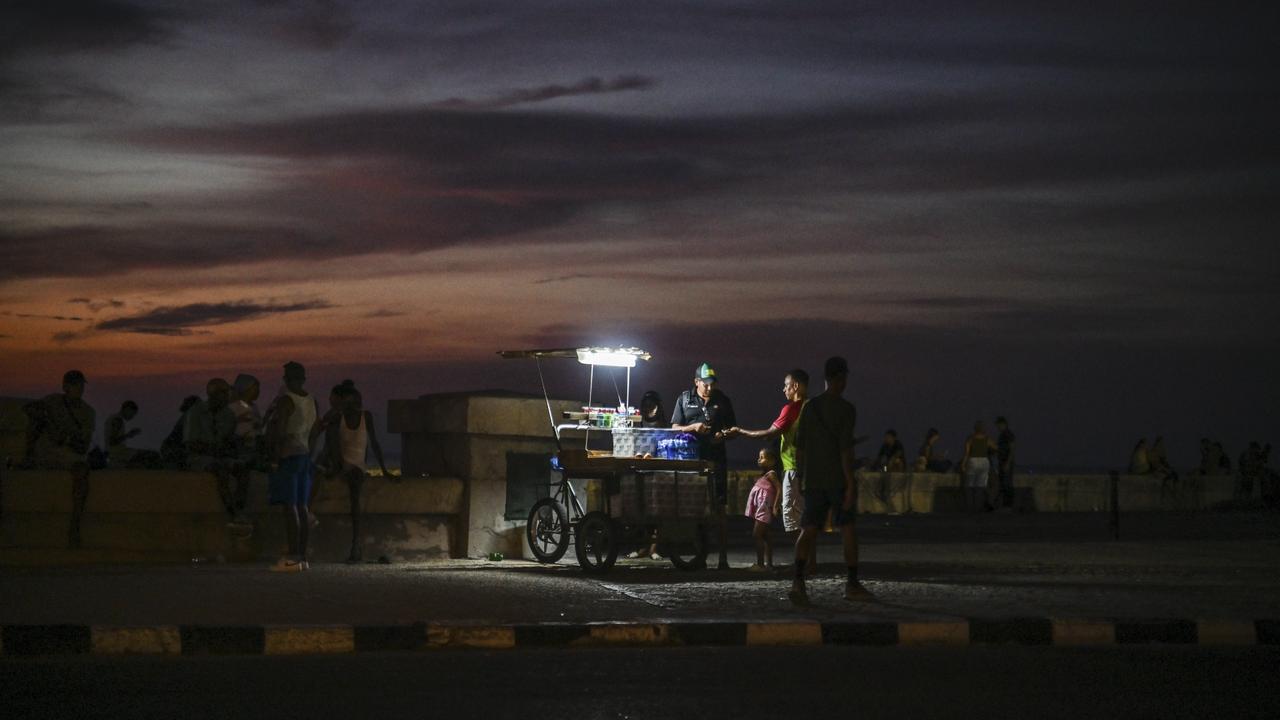
Meyboll Font, a 51-year-old self-employed social media community manager, talked to Agence France-Presse (AFP) and said that her Havana neighborhood is surviving with three to four hours of electricity per day.
The people who need to WiFİ to work, like Font, could not work due to the situation.
“Living like this is agony," she said.
A scientific study shows that prolonged power outages in Cuba are linked to extremely severe levels of depression, anxiety, and stress among adults.
The research highlights the electricity crisis as a serious public health concern on the island.
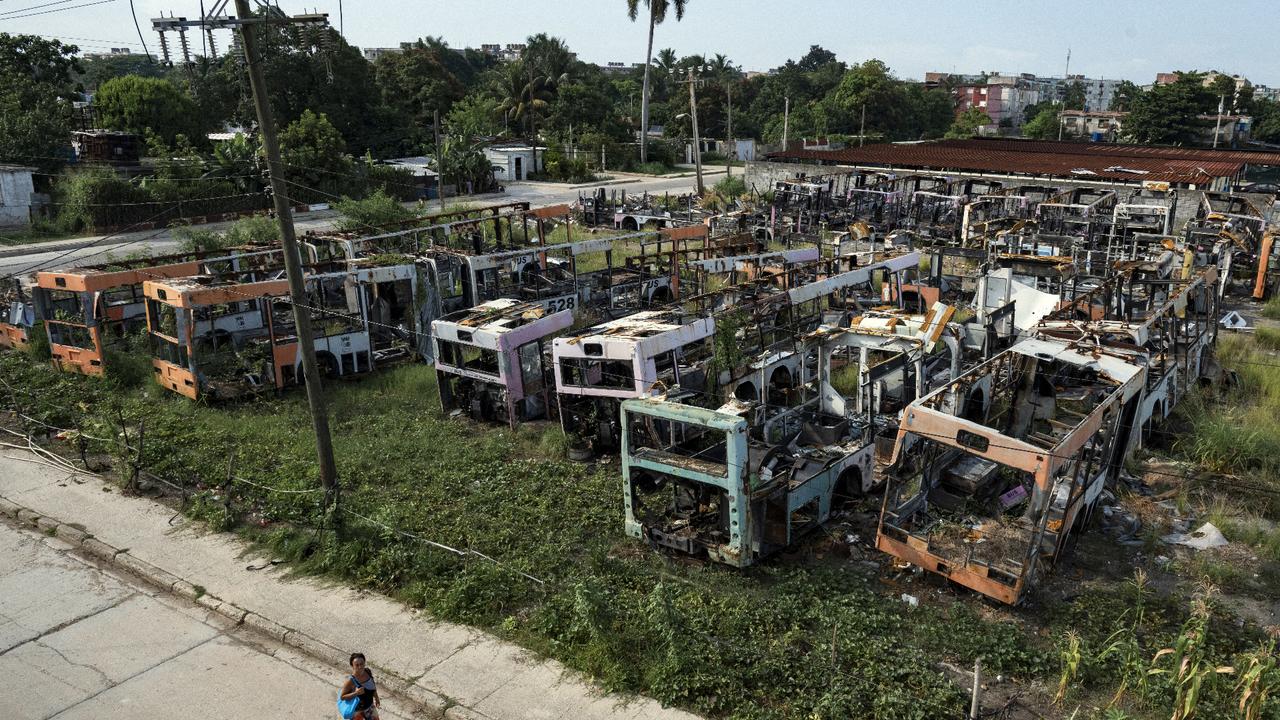
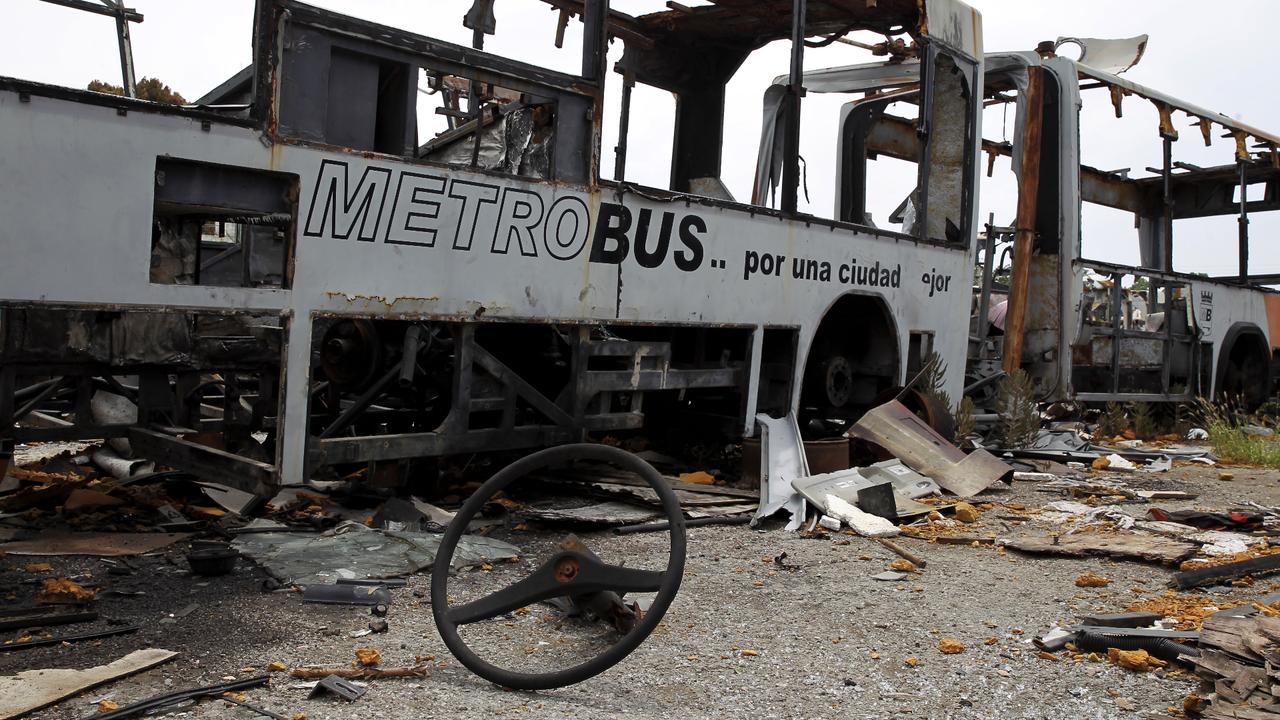
Another indication of the scale of the crisis in Cuba is the "bus graveyards."
Due to limited fuel supplies, the cost of vehicle maintenance and difficulties in obtaining spare parts, many buses are abandoned and, over time, become unusable.
When the U.S. blockade is combined with sanctions against countries that trade with Cuba, life in the country comes to a standstill.
As a result of the inability to secure supplies of food, drinking water and medical supplies, the United Nations has issued a warning regarding a humanitarian emergency.


 Set as preferred source

 4 min read