Newsletters


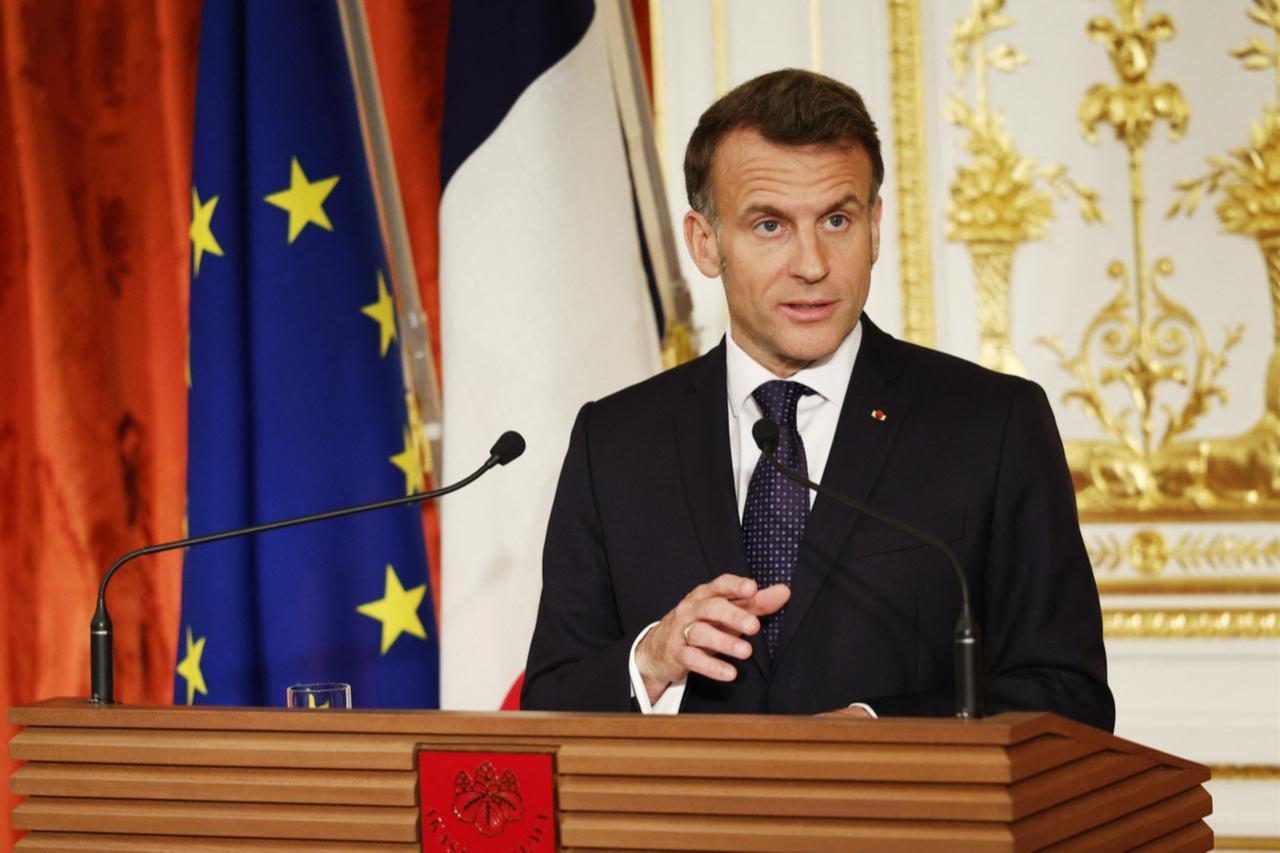


French President Emmanuel Macron called Iranian President Masoud Pezeshkian this week to urge Tehran to seize on the opening created by peace negotiations in Pakistan, as the United States and Iran sat down Saturday for what analysts described as the most consequential direct talks between the two countries since the Islamic Revolution of 1979.
Macron said he pressed Pezeshkian to use the Islamabad discussions as a pathway toward lasting de-escalation and a durable agreement that would deliver concrete security guarantees for the region as a whole.
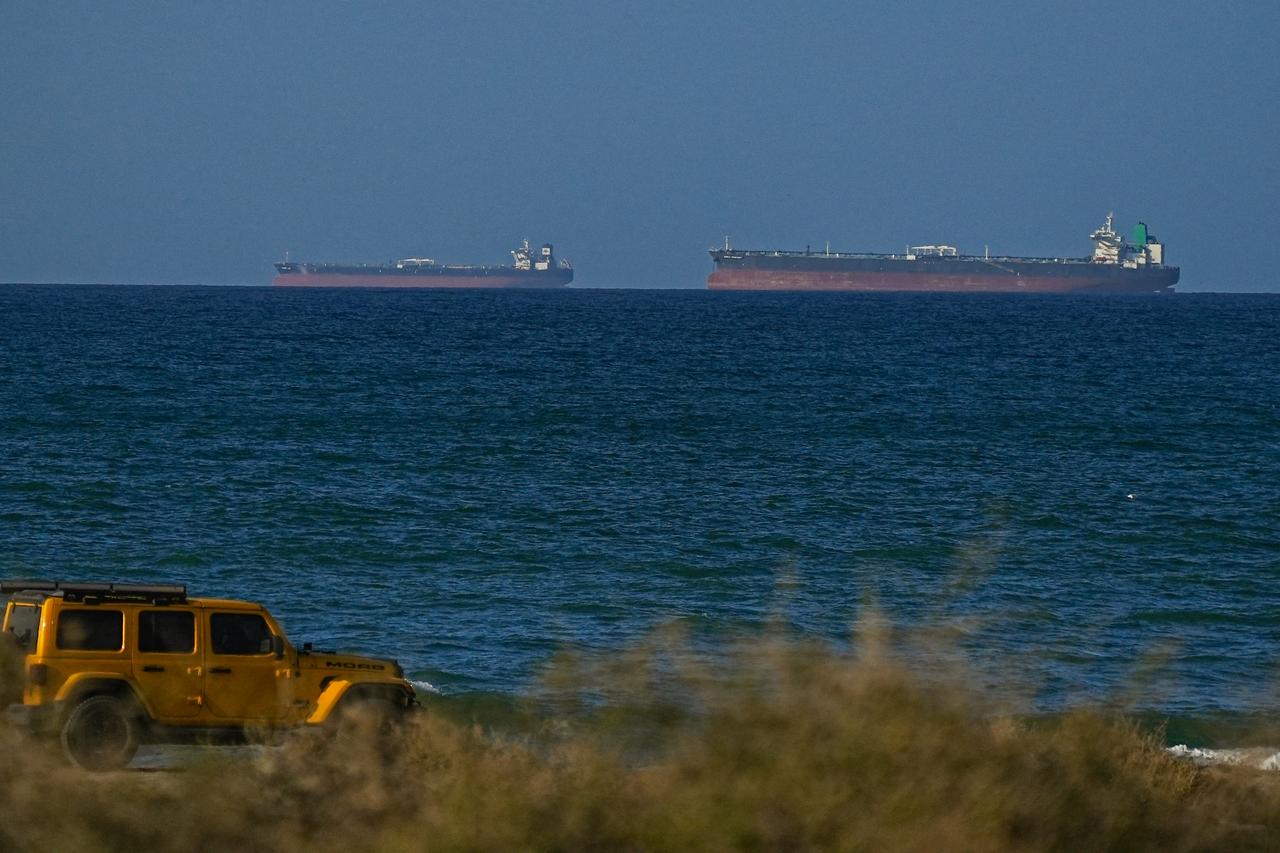
He also called on Iran to restore, as quickly as possible, freedom of navigation through the Strait of Hormuz, a chokepoint through which roughly a fifth of the world's oil supply normally flows, and said France stood ready to contribute to those efforts.
The French president said he leads a coalition of roughly 15 countries currently planning, under French coordination, to help facilitate the resumption of shipping traffic through the strait in a strictly defensive capacity and in coordination with Iran.
Macron's intervention came as the broader ceasefire, agreed barely days earlier, was already showing deep fractures. Israel continued to strike Hezbollah positions in Lebanon after the truce was announced, drawing fierce condemnation from Tehran, which viewed the attacks as a direct violation of the agreement.
Iran's Revolutionary Guard Corps threatened a response, and Iranian Foreign Minister Abbas Araghchi framed the situation in stark terms, saying Washington could not simultaneously claim a ceasefire while allowing Israeli strikes to continue.
Macron aligned himself firmly with those demanding Lebanon's full inclusion in any truce, telling both Trump and Pezeshkian that the ceasefire must be respected across all areas of confrontation.
"I expressed my hope that the ceasefire will be fully respected by each of the belligerents, across all areas of confrontation, including in Lebanon," Macron wrote on X.
"This is a necessary condition for the ceasefire to be credible and lasting." He added that France gives its full support to Lebanese authorities, which he described as the only legitimate actors entitled to exercise state sovereignty and determine Lebanon's future.

Saturday's meeting in Islamabad, held at the heavily secured Serena Hotel in a city placed under an effective lockdown, brought the two delegations face to face for what became direct negotiations rather than the proximity talks initially planned.
The American side was led by Vice President JD Vance, accompanied by special envoy Steve Witkoff and presidential adviser Jared Kushner. Iran sent a delegation of more than 70 officials, headed by parliamentary speaker Mohammad Bagher Ghalibaf and Foreign Minister Araghchi, who arrived in Pakistan late Friday.
The two teams met separately with Pakistani Prime Minister Shehbaz Sharif before beginning substantive talks. Pakistan, which holds no diplomatic relations with Israel and was named by both Washington and Tehran in their respective ceasefire announcements, emerged as the central mediator through weeks of behind-the-scenes diplomacy. Sharif's office said Islamabad hoped the talks would serve as a stepping stone toward durable peace.
The path to any agreement remained treacherous. Iran arrived in Islamabad with four conditions it described as non-negotiable, including full sovereignty over the Strait of Hormuz, complete war reparations, the release of frozen assets and a durable ceasefire across the region. Washington, meanwhile, has insisted that Iran cannot retain nuclear weapons capabilities, a position Trump simplified to the single demand: "No nuclear weapon. That's 99% of it."
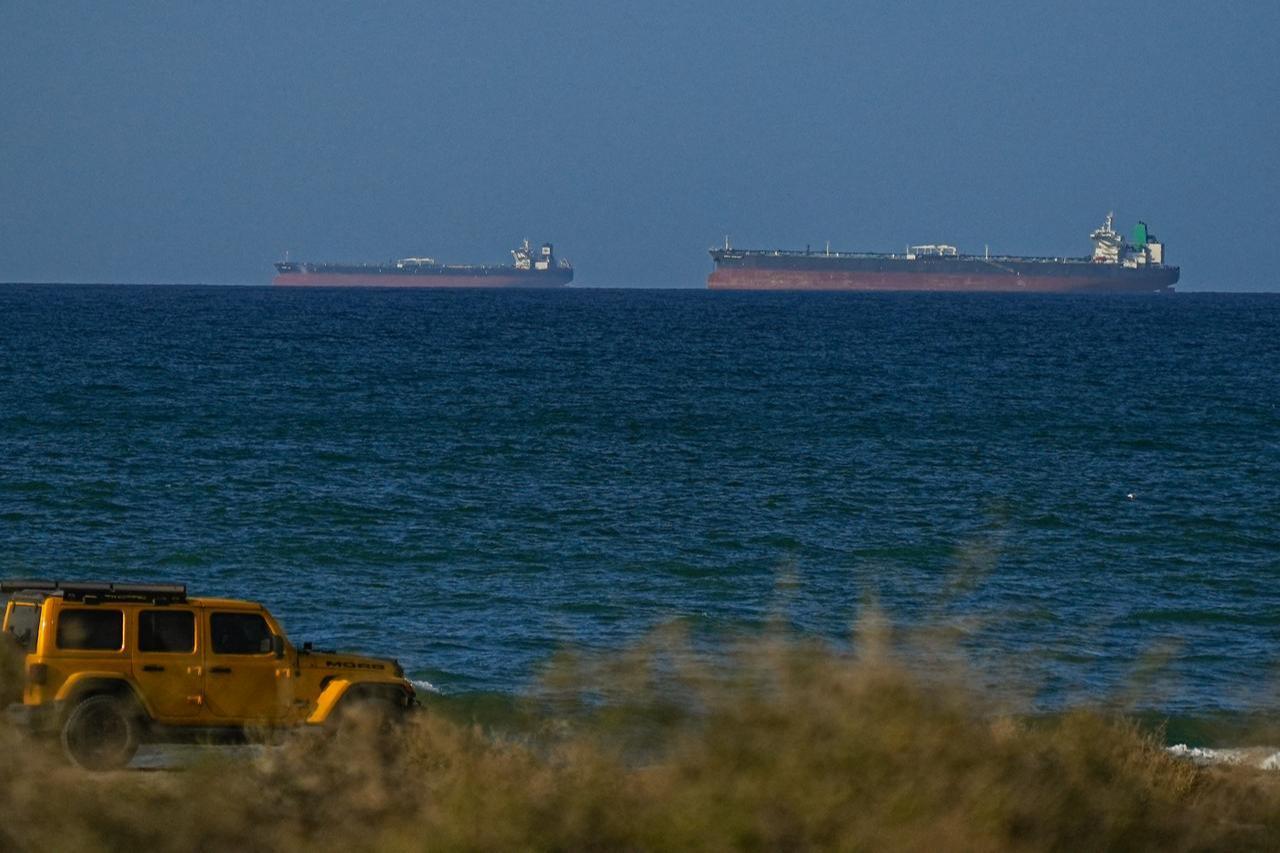
Vessel traffic through the Strait of Hormuz remained a fraction of normal levels despite the ceasefire, with only a handful of vessels, mostly Chinese tankers, having transited the waterway by Saturday.
Trump said the United States had begun the process of clearing out the strait, though what that would entail in practice was not immediately clear.
Early reporting from Islamabad suggested some tentative movement, including possible progress on limiting Israeli strikes to southern Lebanon and a potential easing of the freeze on Iranian assets. Officials and analysts cautioned that the situation remained fluid and that little had been confirmed.


 Set as preferred source
 Set as preferred source


 1 min read
 1 min read