Newsletters


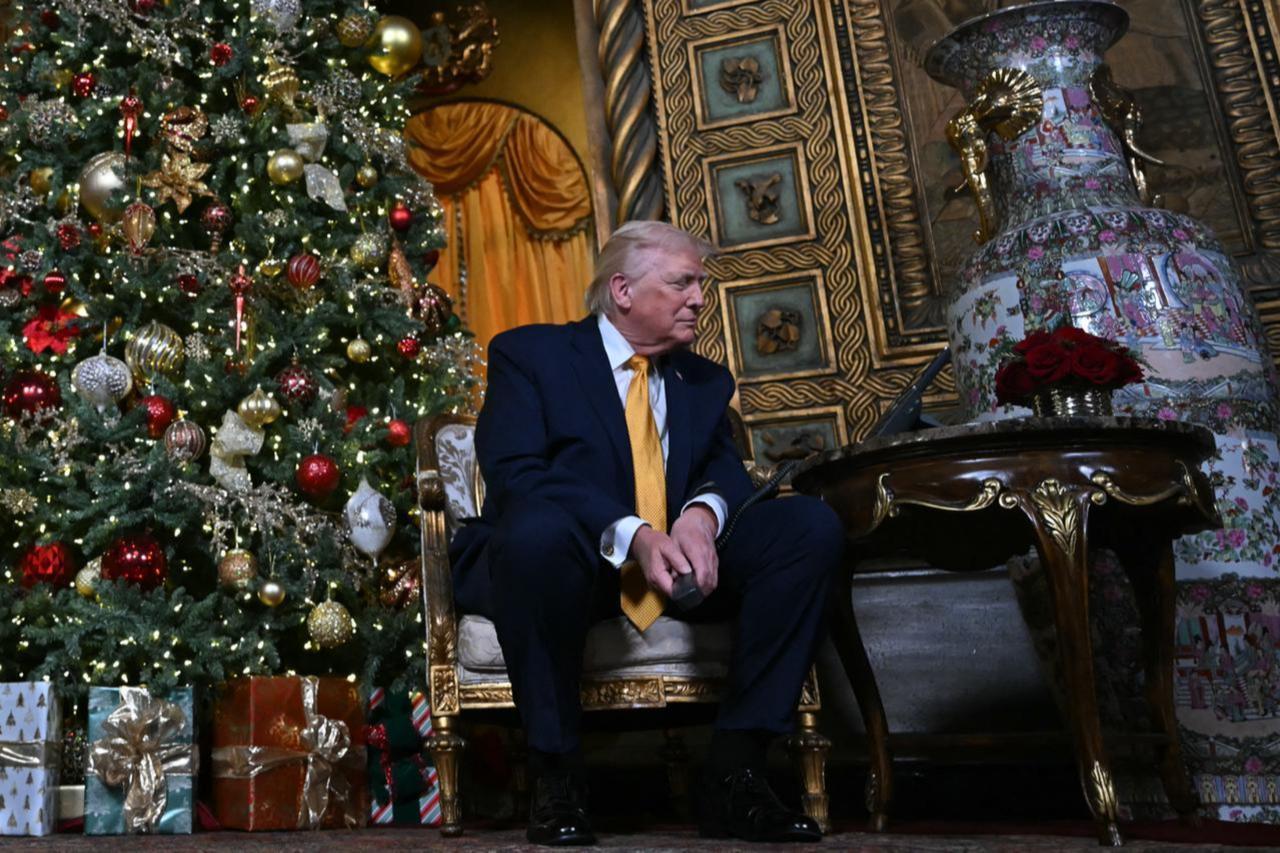


A majority of Americans believe President Donald Trump has overstepped in using military force to intervene in other countries, even as Republicans largely support his foreign policy approach, according to a new AP-NORC poll conducted in the wake of U.S. intervention in Venezuela.
The survey, conducted January 8-11 with 1,203 adults nationwide, found 56% of respondents say Trump has gone too far in deploying the military abroad, while only 35% believe his approach has been about right. The assessment reveals a sharp partisan divide, with 86% of Democrats saying the president has exceeded appropriate bounds compared to just 18% of Republicans.
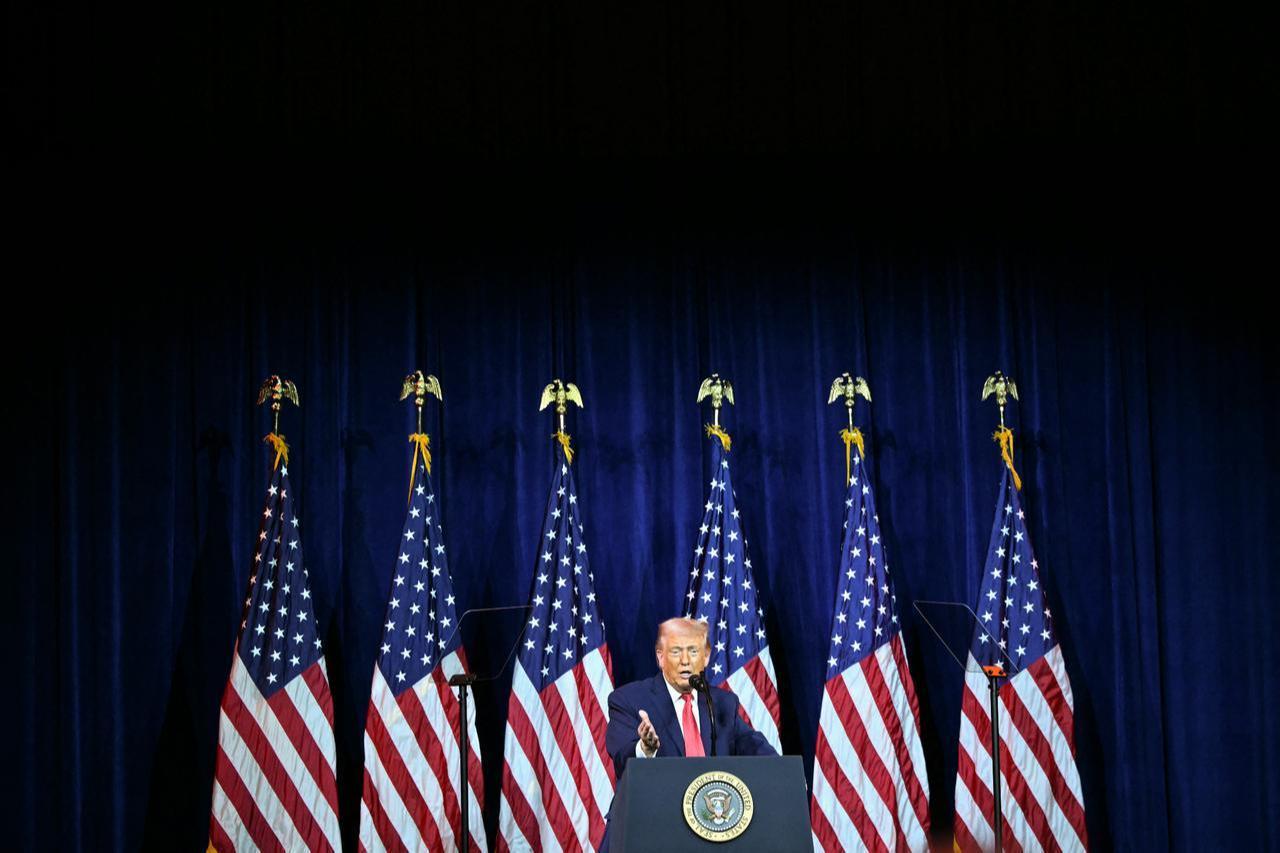

Support for an active American role in world affairs has declined significantly since last fall. Forty-five percent of adults now say the United States should take a less active role in solving global problems, up 12 percentage points from 33% in September 2025. Only 17% favor a more active role, down from 27% four months earlier.
The shift reflects growing isolationist sentiment across party lines, though Democrats have shown the steepest reversal. In September, 46% of Democrats favored increased global engagement; by January, that figure had dropped to 24%. Among independents, support for a less active role jumped from 38% to 54% over the same period.
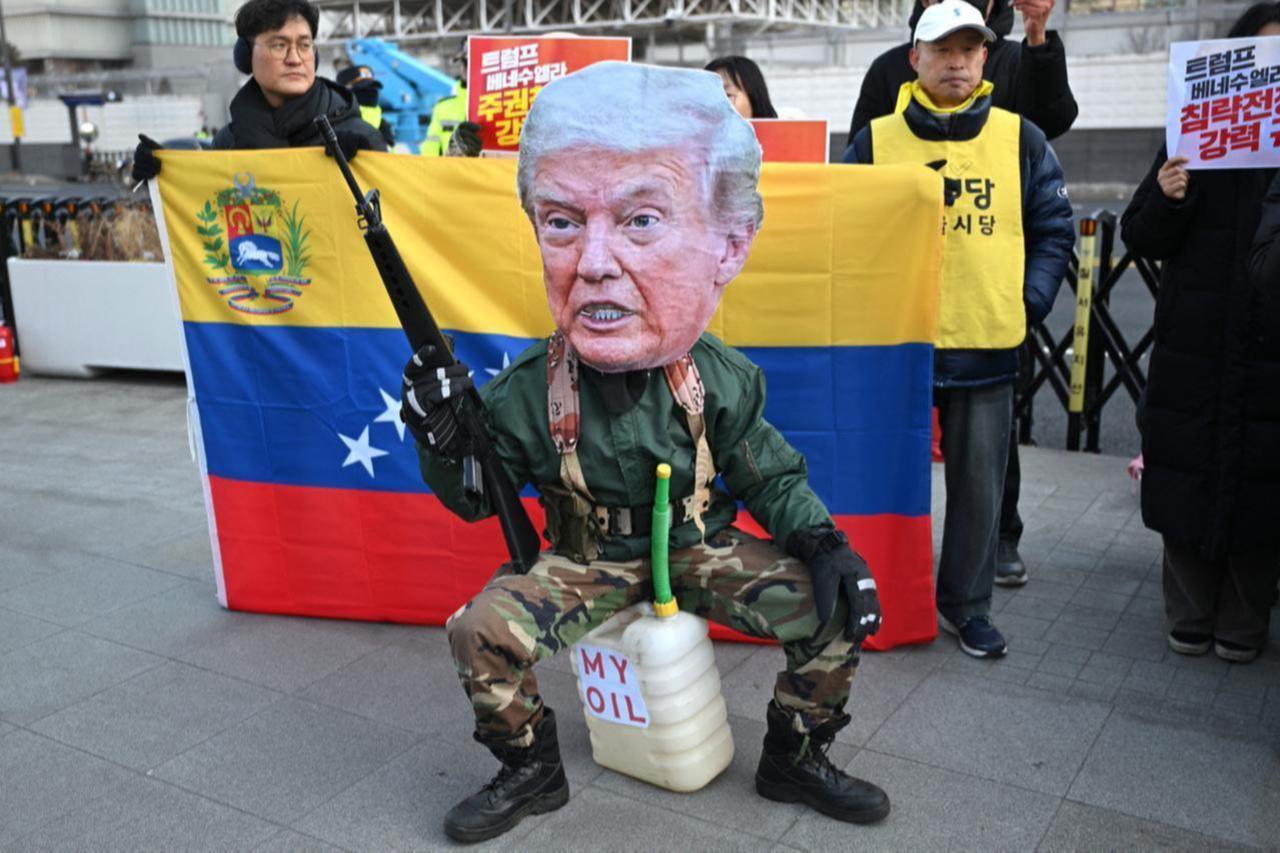
Americans remain divided on whether recent U.S. intervention in Venezuela, including the capture of President Nicolas Maduro, will produce positive outcomes. Fifty-three percent say the intervention will be mostly good for stopping illegal drug flows into the United States, while 44% believe it will benefit the Venezuelan people themselves.
However, views on national security and economic impacts are more skeptical. Only 35% see the intervention as positive for U.S. national security, while 34% view it as mostly bad. Thirty-two percent believe it will help the American economy, compared to 31% who expect negative consequences.
Republicans express substantially more optimism across all measures: 83% say the intervention will help stop drug trafficking, 76% believe it will benefit Venezuelans, 66% see national security advantages, and 59% expect economic benefits. Democratic support ranges from just 11% on national security impacts to 30% on drug interdiction.
Trump's overall job approval stands at 40%, with 59% disapproving, virtually unchanged from December 2025. His approval ratings on specific issues hover in a narrow range: 41% on Venezuela, 38% on immigration, 37% on both the economy and foreign policy.
The president maintains strong support among his Republican base, with 81% approving of his overall performance. However, only 8% of Democrats and 31% of independents approve of his job performance. Similar partisan gaps appear across all policy areas surveyed, with Republican approval ranging from 74% to 79% on specific issues while Democratic approval remains in single digits.


 Set as preferred source
 Set as preferred source


 1 min read

 1 min read