Newsletters





Malaysian Deputy Prime Minister Ahmad Zahid Hamidi said Türkiye's expertise in defense technologies complements Malaysia’s strength in electronics and high-tech manufacturing and that the two countries can deepen defense industry cooperation in production, maintenance, system integration and joint technology development.
"Yes, I see great potential. Türkiye’s expertise in defense technologies complements Malaysia’s strength in electronics and high-tech manufacturing," Zahid, who is also minister of rural and regional development, told Turkish state-run Anadolu Agency (AA) on the sidelines of the TRT World Forum.
He said cooperation in defense reflects mutual trust, adding that the Anka unmanned aerial vehicle (UAV) program and the Littoral Mission Ship (LMS) Batch 2 project have laid a strong foundation for a long-term defense partnership.
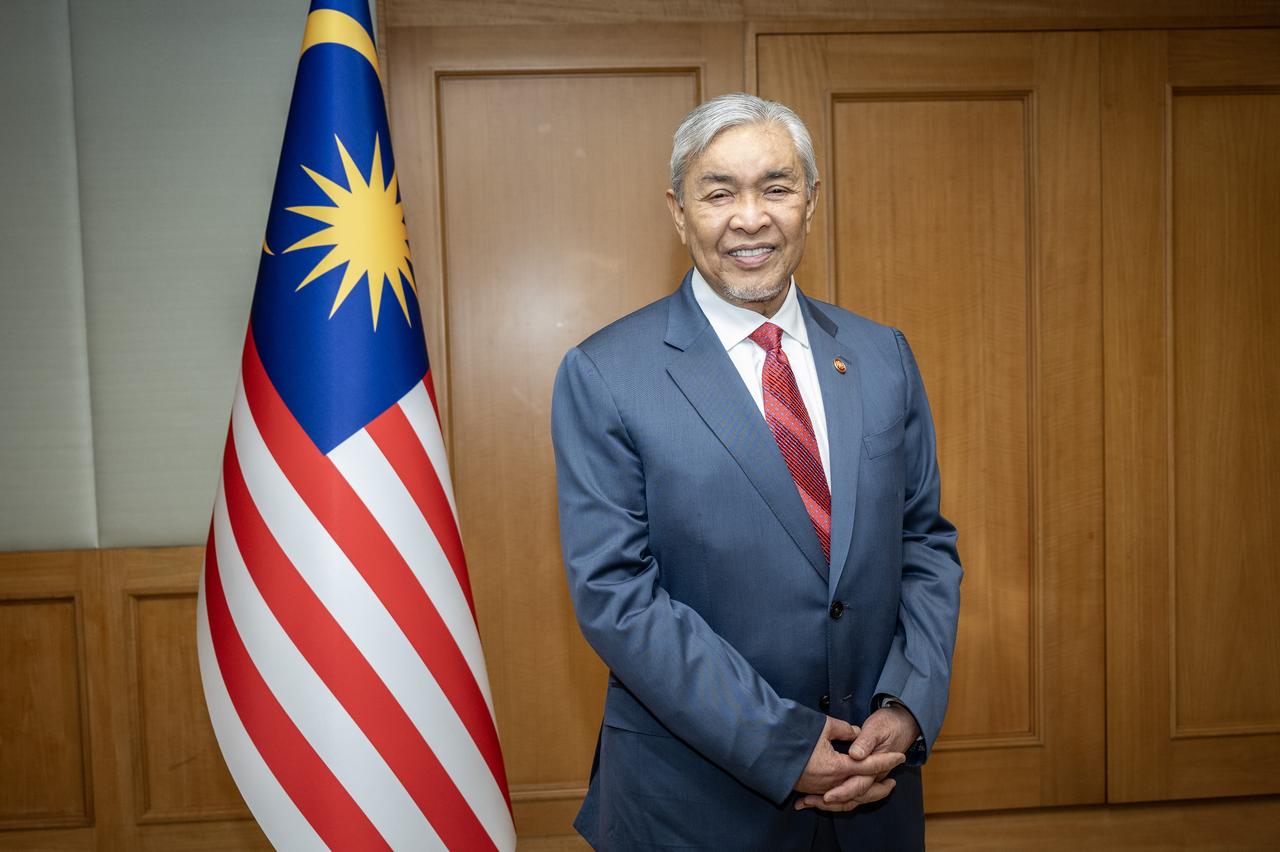

As a former defense minister, Zahid said modern military systems are not just platforms but must be backed by qualified personnel, technical expertise and reliable maintenance infrastructure.
Practical partnerships should first be established in component production, maintenance and system integration, and the sides should move toward joint technology development when conditions allow, he said.
Zahid stressed the importance of Malaysian companies gaining meaningful access to technology and expertise, saying Malaysia wants to reach the capability to develop, maintain and advance these technologies itself.
"Malaysia welcomes Türkiye's growing ties with ASEAN and wants the partnership to deliver tangible benefits for people," Zahid said. He cited opportunities in trade, investment, technical training and disaster management, adding that the aim is to complete an ASEAN-Türkiye Action Plan with clear priorities and practical projects by mid-2027.
"Our $10 billion bilateral trade target between Malaysia and Türkiye reflects this vision," Zahid said of plans to strengthen ties over the next decade.
The target should be supported by joint investment in advanced manufacturing, electronics, aviation, digital services and the halal industry, with rural entrepreneurs and small businesses also benefiting, he said.
Cooperation in education and vocational training will build the human resources needed, Zahid said, adding the goal is for the two countries to create successful joint ventures, stronger local expertise and more opportunities for citizens by 2036. He also said he hoped more Turkish tourists would visit Malaysia, and that people-to-people and business ties should match strong government relations, including in defense industry cooperation.
"Efforts to stop the suffering in Gaza must be our priority," Zahid said, calling on the international community to take greater responsibility for securing a lasting ceasefire.
He said humanitarian aid must reach civilians safely and without obstruction, hospitals, aid workers and essential infrastructure must be protected, and international law must be applied consistently.
"Malaysia and Türkiye can strengthen coordination on medical aid, humanitarian support and reconstruction through the U.N. and the Organization of Islamic Cooperation (OIC)," he said, adding that forced displacement of Palestinians must not be allowed.
Malaysia continues to support an independent Palestinian state on 1967 borders with East Jerusalem as its capital, he said, adding that lasting peace is possible only with justice and a viable future for Palestinians.


 Set as preferred source
 Set as preferred source


 1 min read


 1 min read