Newsletters


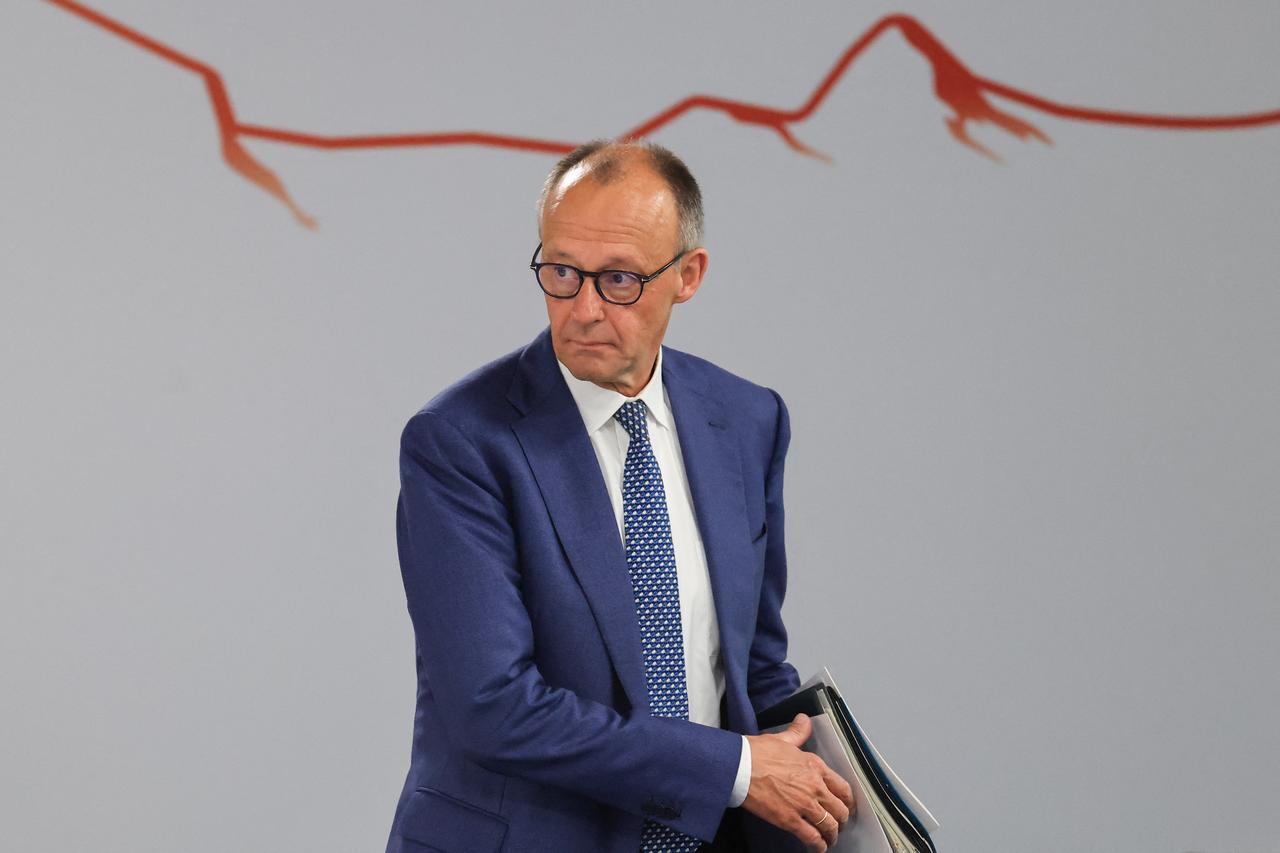


German Chancellor Friedrich Merz called on Israel Wednesday to halt its military campaign in southern Lebanon and throw its support behind President Donald Trump's preliminary peace agreement with Iran, delivering the sharpest public rebuke from Berlin since the conflict escalated.
Speaking to public broadcaster ARD at the conclusion of the G7 summit in Evian-les-Bains, France, Merz said the group's discussions centered on the US-Iran framework deal and the deteriorating situation in Lebanon, where Israeli military operations have persisted despite a ceasefire and mounting allied criticism.
He described the G7's position as unanimous: Israel's security needs cannot justify the destabilization of an entire neighboring country.
"We understand Israel's security interests, but these must not extend to the point of destabilizing an entire neighboring country," Merz said, adding that this view was shared by all G7 partners.
Merz said the bloc expects Israel to de-escalate and move toward ending the hostilities, framing the message not as a reprimand but as a collective call from the world's leading industrial democracies.
The G7, comprising the United States, Germany, France, the United Kingdom, Italy, Canada and Japan, has historically served as a platform for coordinating Western responses to major security crises, though its statements carry political rather than legal weight.
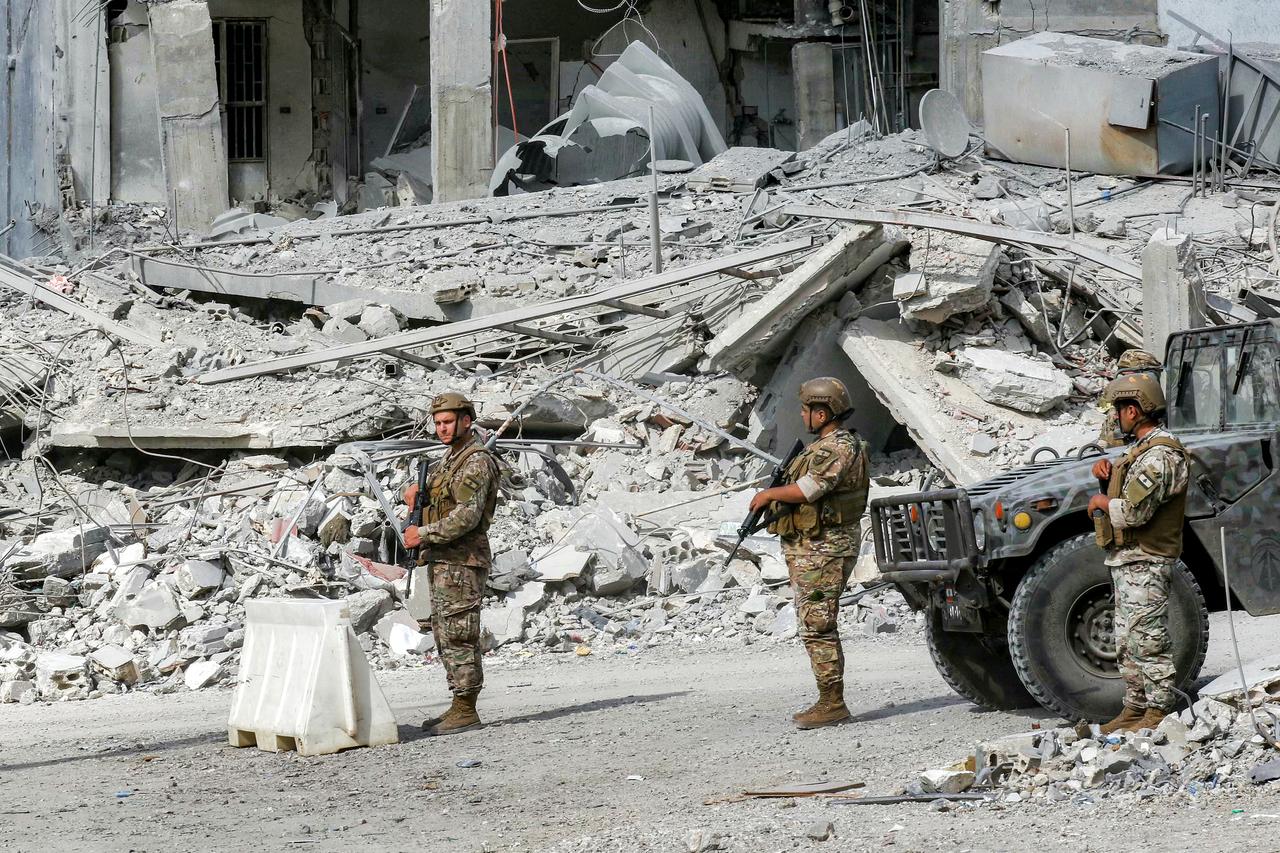
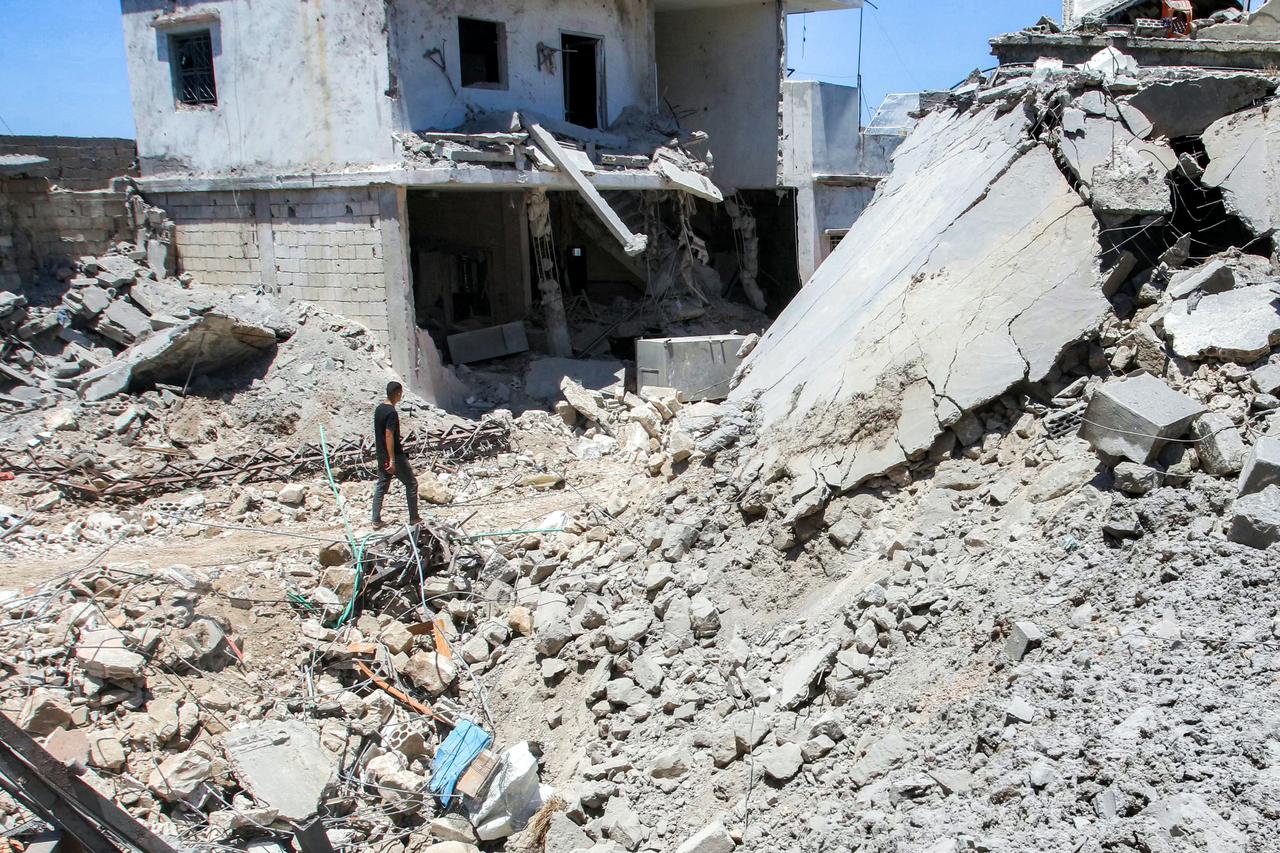
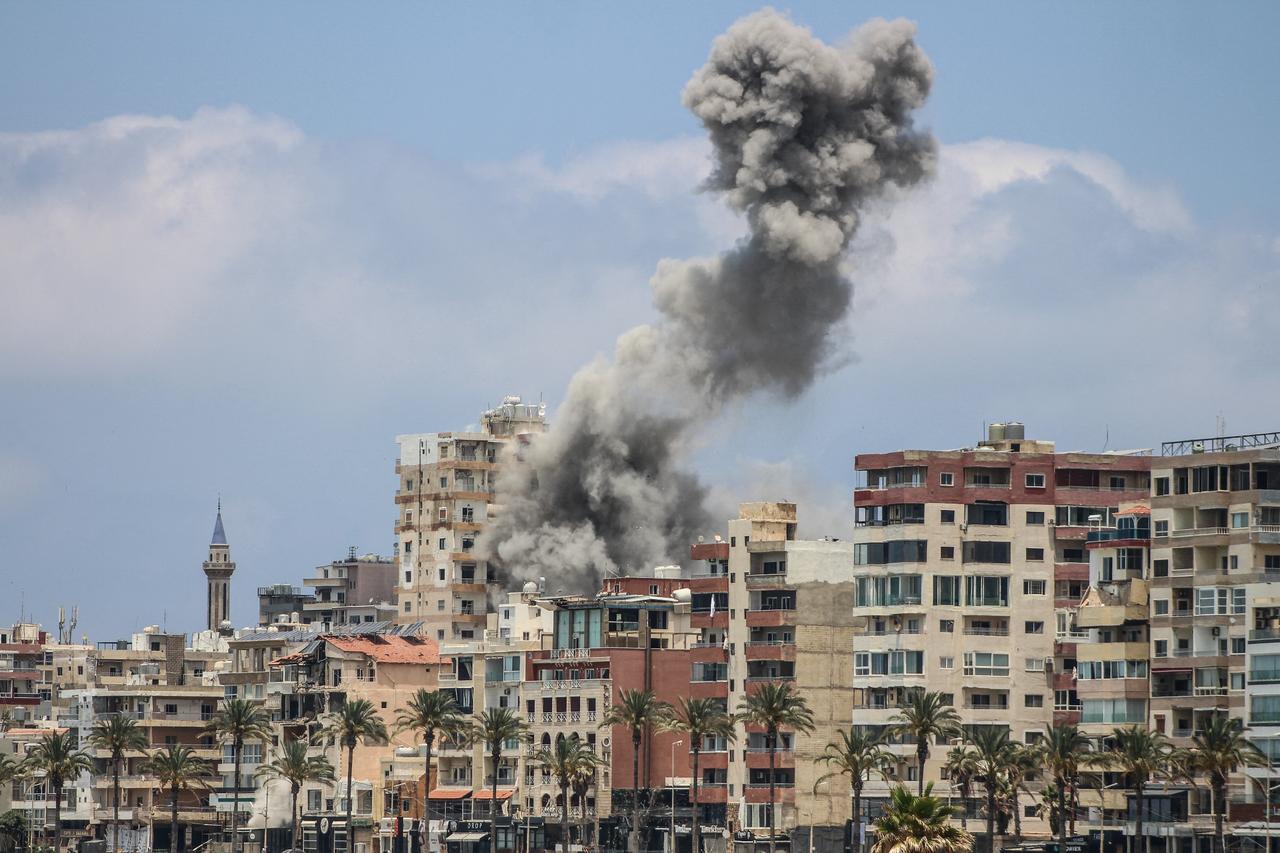
Israel has continued operations in Lebanon following a ceasefire brokered earlier in the conflict. Hezbollah, the Iran-backed militant group that controls significant territory in southern Lebanon, has been at the center of the fighting.
Israel's campaign there has drawn criticism even from close allies, with Western governments warning that prolonged instability risks compounding an already volatile regional picture.
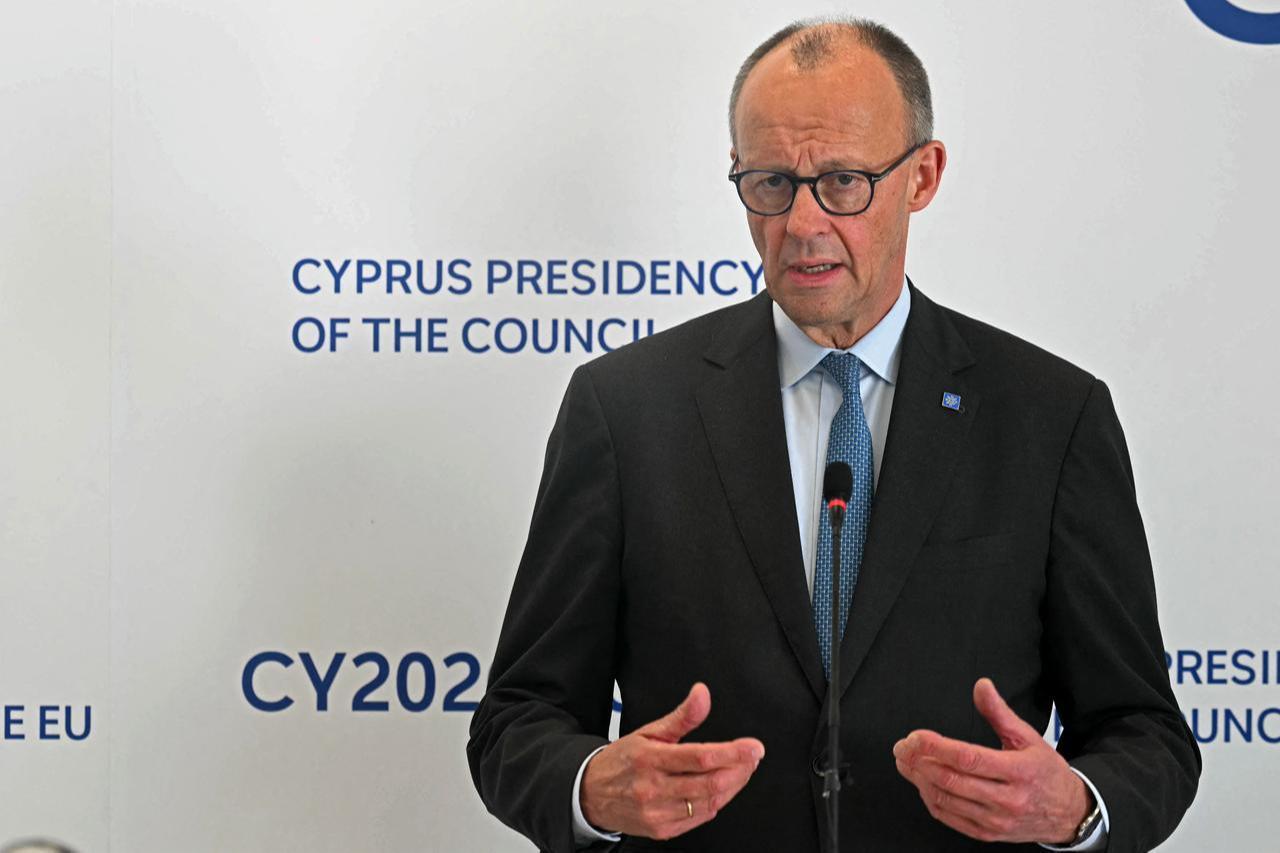

Asked directly whether he feared Israeli Prime Minister Benjamin Netanyahu might attempt to undermine the US-Iran agreement, Merz said he did not share that concern, though he acknowledged he was monitoring developments closely. He urged the Israeli government to actively support the deal rather than obstruct it.
The chancellor also pointed to the conflict's spillover effects on global energy markets and the broader international economy, citing those pressures as additional reasons for urgency.
The Strait of Hormuz, a chokepoint through which a significant share of the world's oil supply passes, has been a focal point of the US-Iran agreement.
Merz was direct in his framing of Israel's role in the path to peace. "It is crucial that this conflict be brought to an end now," he said. "Israel must not become a driver of conflict but must instead play an active role in ending it, and that opportunity exists."
He stressed that the primary objective was regional peace, with economic and European interests following as secondary considerations. "First and foremost, it's about peace in the region, and then, of course, indirectly, it's also about our interests," he said.
The remarks reflect a broader shift in tone from European leaders at the G7, who have sought to signal support for Trump's diplomatic effort with Iran while pressing Israel, a close ally of all G7 members, to exercise restraint. The preliminary US-Iran deal, which has not been made public in full, is expected to be formally signed later this week.


 Set as preferred source
 Set as preferred source


 1 min read
 1 min read