Newsletters




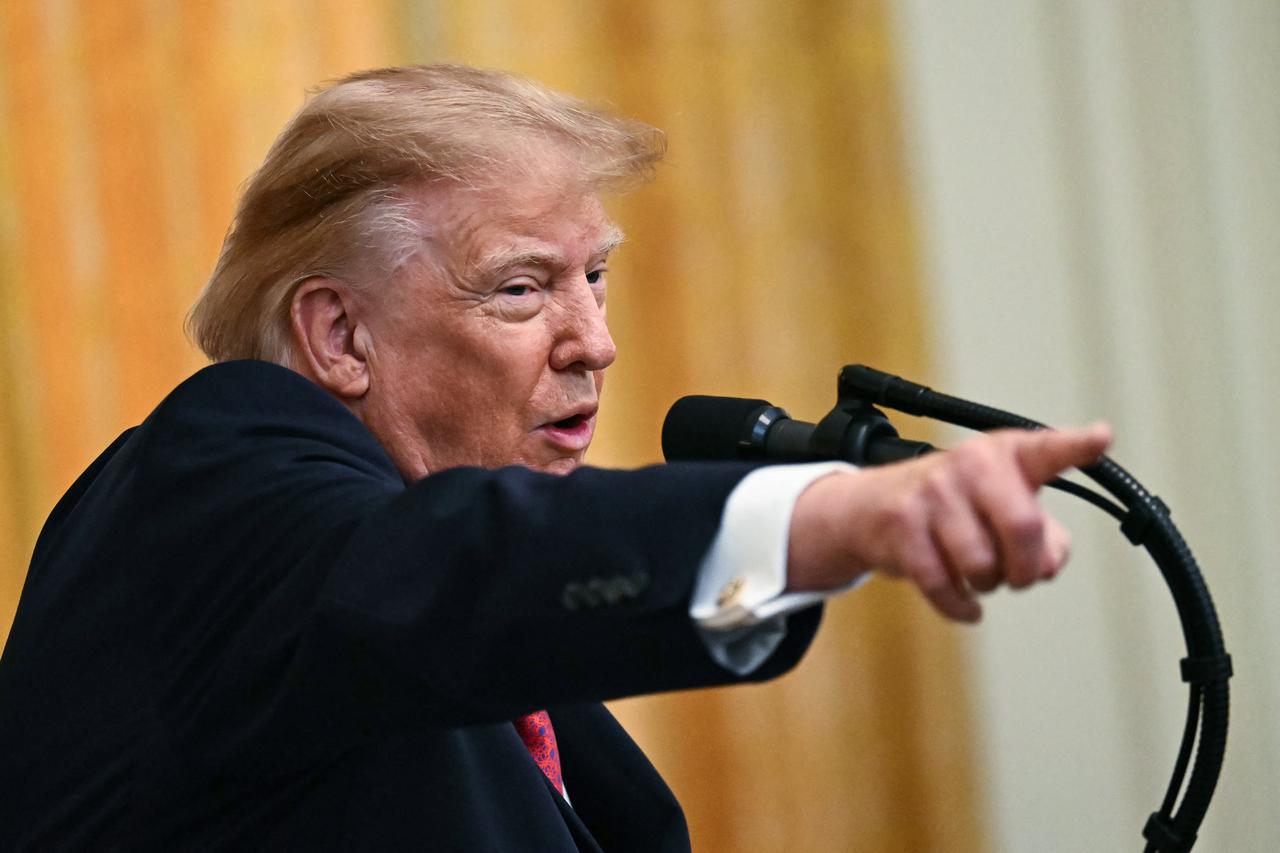
The U.S. Senate on Thursday rejected a War Powers Resolution directing President Donald Trump to withdraw American forces from the conflict with Iran, hours after the House passed a similar measure for the second time since fighting broke out in February, underscoring the growing but so far ineffectual congressional resistance to a war that has killed 18 American service members.
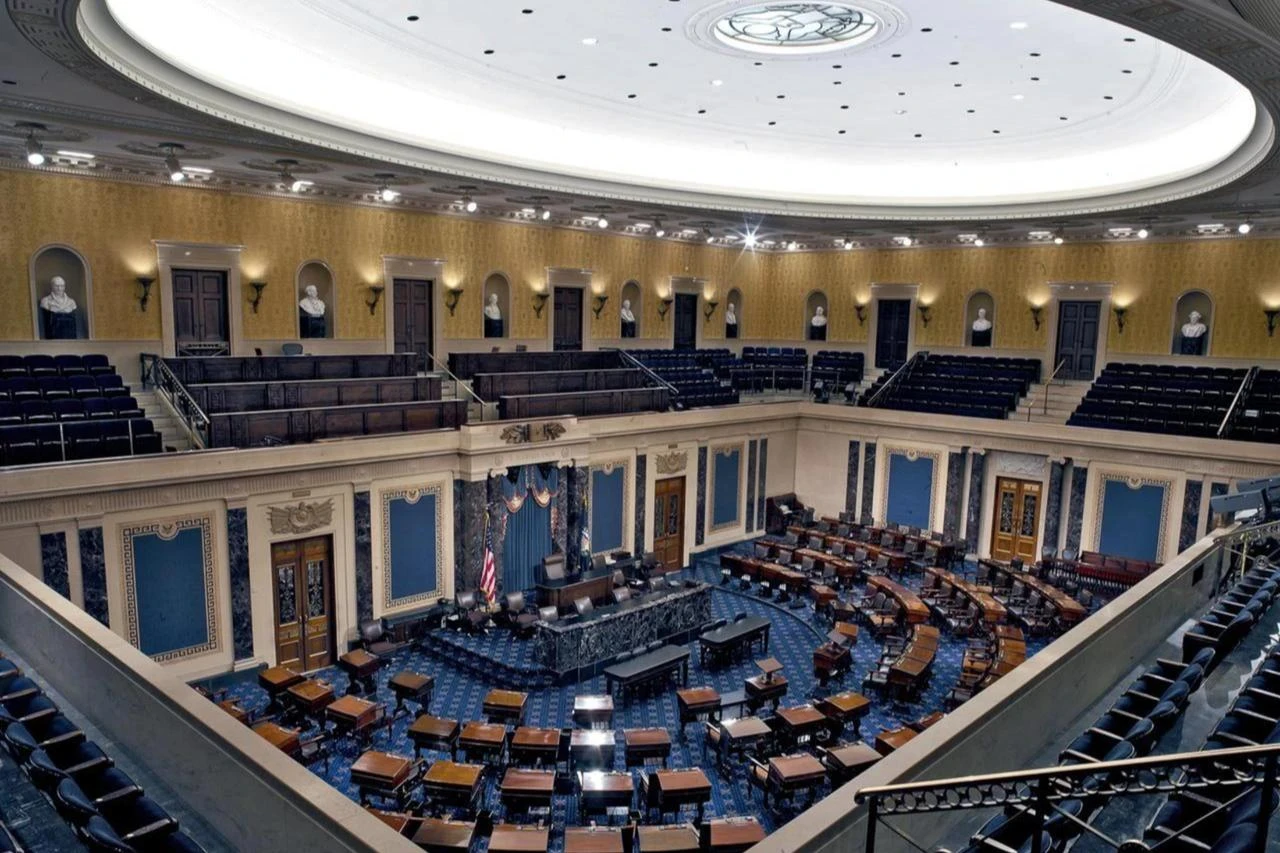
The Senate voted 47-49 against the resolution, proposed by Democrat Chris Van Hollen, largely along party lines.
The House had approved its own version earlier in the day, 214-208, with the same four Republicans who backed a nearly identical measure in June joining all Democrats present: Tom Barrett of Michigan, Brian Fitzpatrick of Pennsylvania, Warren Davidson of Ohio and Thomas Massie of Kentucky.
Neither measure carries legal force. The Trump administration has argued that war powers resolutions are unconstitutional, and no president since the resolution became law in 1973 has treated it as binding. The law has never been tested in court.
The votes came as hostilities between the United States and Iran have escalated sharply in recent days.
Of the 18 American troops killed since fighting began in February, four have died since July 17. The Pentagon reports nearly 500 U.S. injuries since the start of the conflict, with roughly 100 occurring in the past two weeks alone.
Iran has attacked U.S. military bases across the region, with American airstrikes continuing in response.
Tehran-aligned Houthi forces in Yemen announced Thursday they had struck two oil tankers and threatened to halt Saudi shipments through the Red Sea, pushing crude prices to their highest levels in weeks.
Public opposition to the war is deepening, including within the president's own political coalition.
A new poll found that the share of self-identified MAGA Republicans who consider the war financially worthwhile has dropped from roughly 50 percent in May to about one-third now, with one in five saying the conflict should end.
That erosion has not yet translated into legislative pressure sufficient to alter the course of the war. The House resolution passed by one vote fewer than its June predecessor.
The Senate approved a similar resolution last month during a ceasefire, 50-48, with only four Republicans crossing party lines, before reversing course the following day after Trump criticized the vote. The president has since dismissed war powers votes as "meaningless."a
Representative Pramila Jayapal, the Washington Democrat who led the House effort, framed the resolution as a matter of constitutional obligation.
"This is not a partisan issue," she said after the vote. "Vast majorities of Americans, of all parties, believe that this is an unconstitutional, illegal war that needs to stop."
Jayapal argued the conflict lacks coherent objectives. "From the beginning, this war has had no clear mission, no strategy, no end goal," she said. "Congress has not been consulted."
Representative Greg Meeks, the top Democrat on the House Foreign Affairs Committee, was more pointed, accusing the administration of open defiance. "The Trump administration was required to end its hostilities against Iran.
It has not," he said on the House floor. Meeks later announced he would introduce a resolution compelling House Speaker Mike Johnson to sue Trump to enforce compliance, a proposal that faces long odds given Johnson's close ties to the president and the chamber's recess through most of August.
Republicans who opposed the resolution defended the mission. Representative Brian Mast of Florida, chairman of the House Foreign Affairs Committee, held up photographs of fallen service members during floor debate.
"This operation is bringing reckoning for the hundreds of times Iran has attacked and killed people of the United States of America," he said.
 1 min read
The four Republicans who voted with Democrats represent a mix of libertarian-leaning convictions and competitive electoral circumstances.
Davidson cited constitutional principles in a post on social media following the vote, calling on Congress to "define the mission" and "declare/authorize the war" before committing forces. "Otherwise, avoid / exit the war with diplomacy or maneuver," he added.
Massie, whose libertarian politics have repeatedly put him at odds with Trump, lost his Republican primary in May after the president endorsed his opponent.
Barrett and Fitzpatrick represent swing districts and are among the most targeted members in November's midterm elections.
The resolutions' passage also offered a sharp contrast to other business conducted in the House this week.
On Wednesday, Republicans advanced a $95 billion budget blueprint tied largely to the Iran war, as well as a $1.15 trillion defense spending bill.
The latter requires Democratic votes to pass and is expected to undergo significant revision after Johnson allowed the inclusion of voter regulation provisions that Democrats have refused to support.


 Set as preferred source
 Set as preferred source



 1 min read