Newsletters


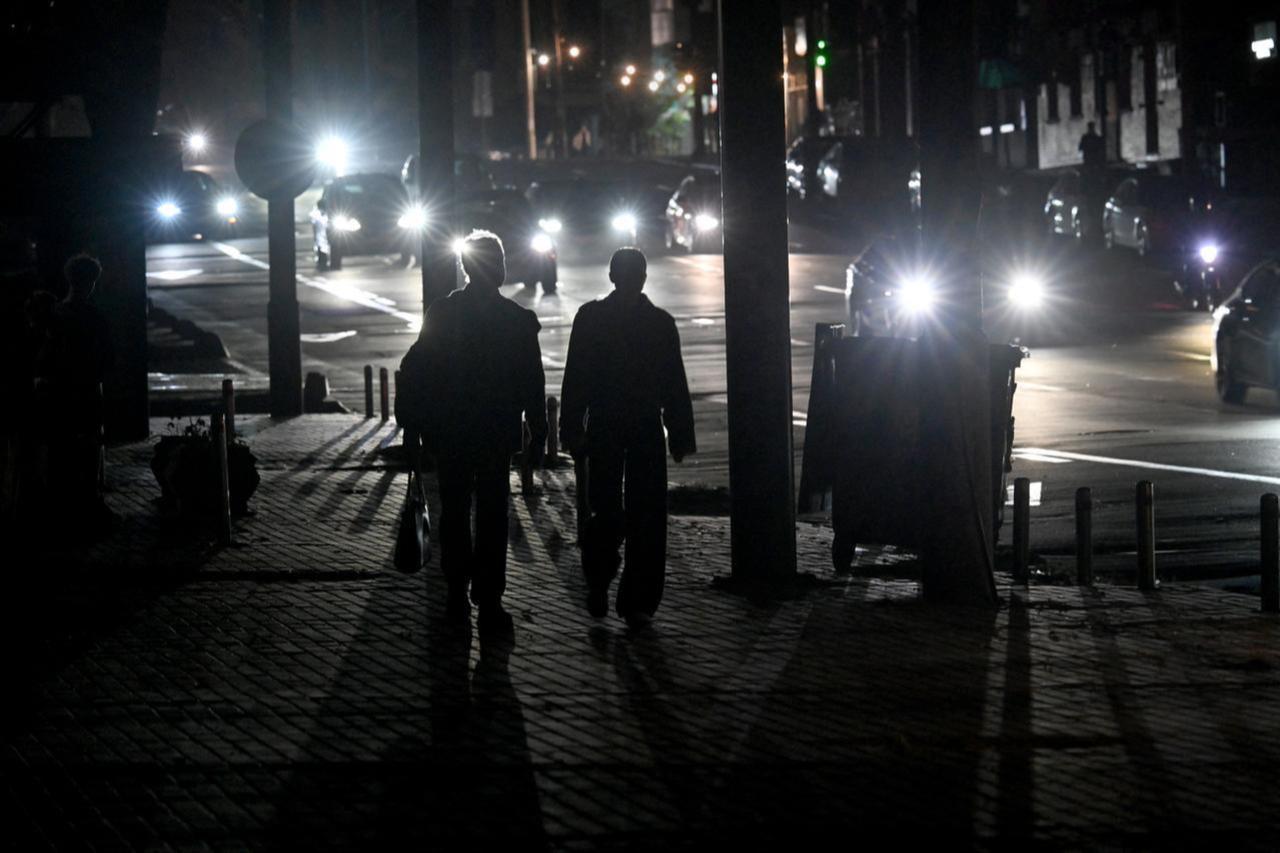


Millions of Ukrainians who fled Russia’s full-scale invasion and later returned home could be displaced again this winter as repeated attacks damage electricity, heating and water systems, the U.N.’s International Organization for Migration warned Friday.
“Winter is fast approaching in Ukraine and for many Ukrainians the months ahead could be the most difficult since the full-scale war began,” said Arthur Erken, the IOM’s regional director for Europe and Central Asia.
“Millions of Ukrainians who fled and returned are now at risk of being displaced once again, as conditions deteriorate by the day and people face desperate choices in the struggle to survive.”
Russia launched its full-scale invasion of Ukraine in February 2022, triggering Europe’s largest refugee crisis since World War II.
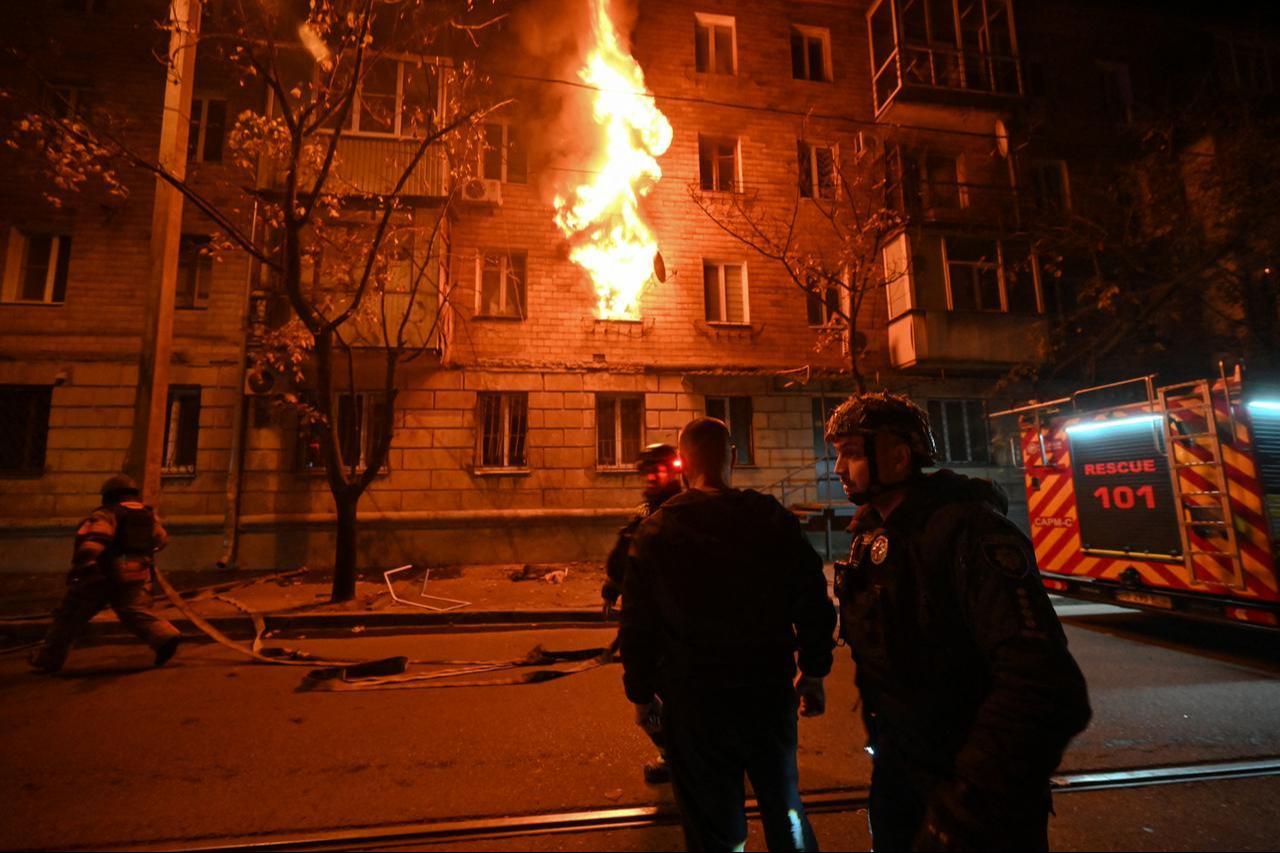

The IOM estimates that nearly 3.6 million people remain internally displaced within Ukraine, while around 3.8 million have returned to their homes, many of which are damaged.
An estimated 1.45 million returnees live in frontline districts, including about 565,000 in the Kharkiv region alone.
Erken said repeated Russian drone attacks had damaged civilian infrastructure, including power, heating and water systems.
Reliable access to water is an urgent concern because water systems depend on electricity, he said.
The IOM has developed 31 solar power stations across Ukraine to support water systems, which Erken said were “harder to attack and harder to destroy completely.”
Erken said about 2.1 million older people live alone in apartment buildings and warned that a prolonged loss of electricity or heating could quickly become a humanitarian emergency.
“Alternatives to electricity, including gas stoves and fuel, will be critical this winter,” he told a press briefing in Geneva while speaking from Vienna.
He said Poland, Germany and the Czech Republic currently host the largest numbers of Ukrainian refugees.
“I’m sure that these countries are preparing for the eventuality that Ukrainians will try to leave the country, should the situation deteriorate,” Erken said.
The IOM said less than 7% of its Ukraine crisis response plan for 2026 had been funded.
“The international community must act now,” Erken said.


 Set as preferred source
 Set as preferred source


 1 min read

 1 min read