Newsletters


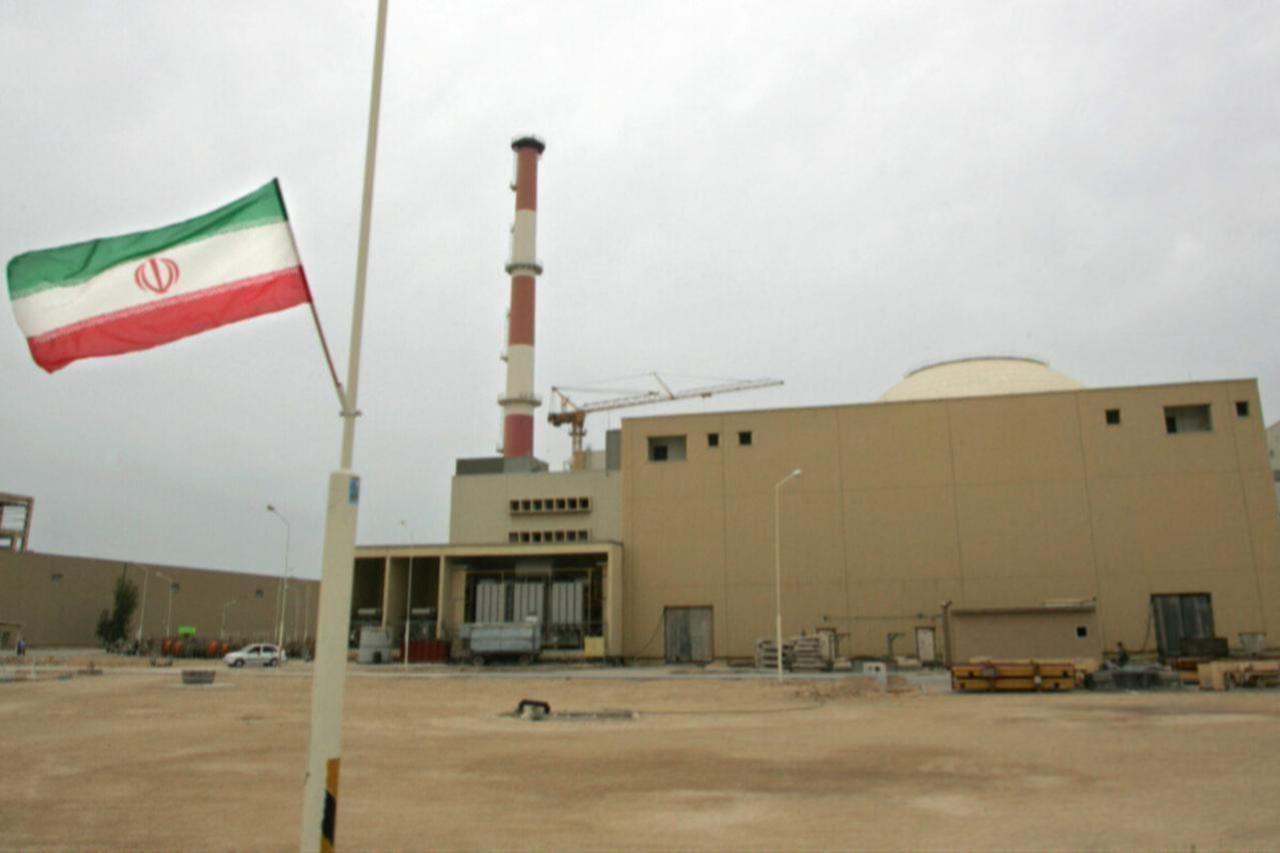


The head of Israel's Mossad intelligence service pledged Tuesday that his country would prevent Iran from reviving its nuclear program, six months after a brief but intense military confrontation that saw both Israeli and American forces strike Iranian atomic facilities.
David Barnea, speaking at an award ceremony for intelligence agents in Jerusalem, warned that Tehran still harbored ambitions to develop nuclear weapons despite what he described as grave damage to its nuclear infrastructure. The comments signal Israel's continued focus on Iran's atomic capabilities even as the full impact of the summer strikes remains disputed.
"The idea of continuing to develop a nuclear bomb still beats in their hearts," Barnea told the gathering. "We bear responsibility to ensure that the nuclear project, which has been gravely damaged, in close cooperation with the Americans, will never be activated."


The outgoing spy chief, whose term concludes in June 2026, praised the Israeli attack that opened the 12-day war on June 13, suggesting it demonstrated the depth of intelligence collection on Iranian targets. The surprise assault revealed that "Iran is entirely exposed and penetrated," according to Barnea, who described the moment as a shock to Iranian leadership.
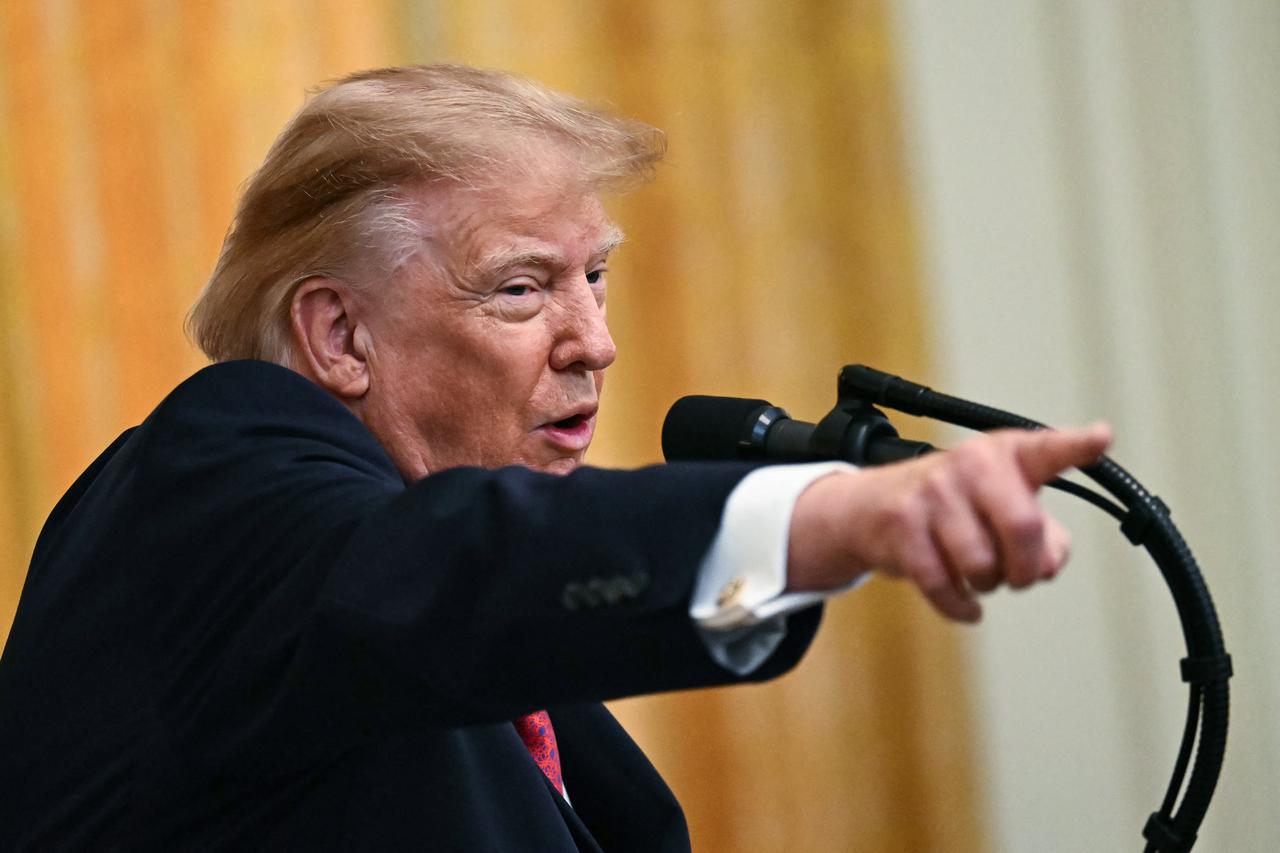
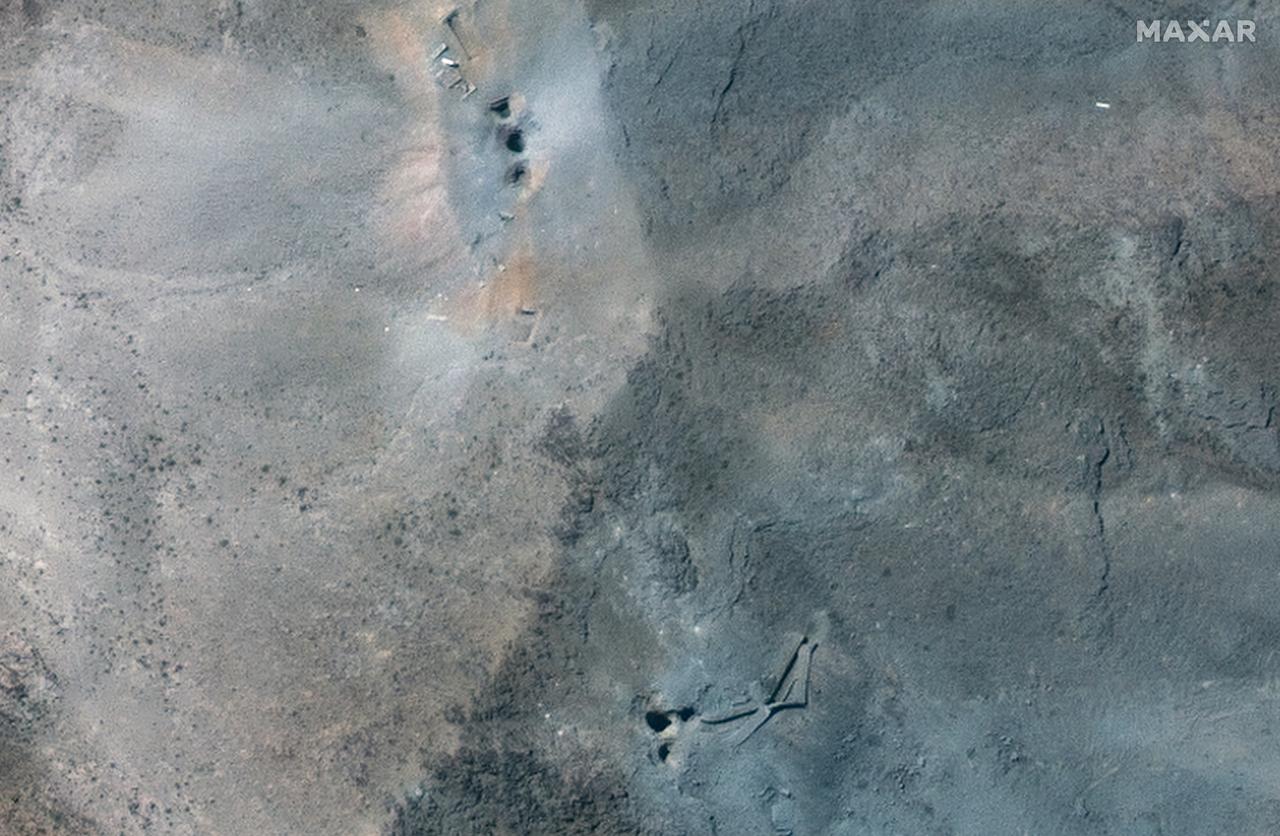
The conflict drew direct American military involvement, with US forces conducting their own strikes on three Iranian nuclear facilities. President Donald Trump has repeatedly claimed the combined attacks obliterated Iran's nuclear program, though assessments of the actual damage vary significantly.
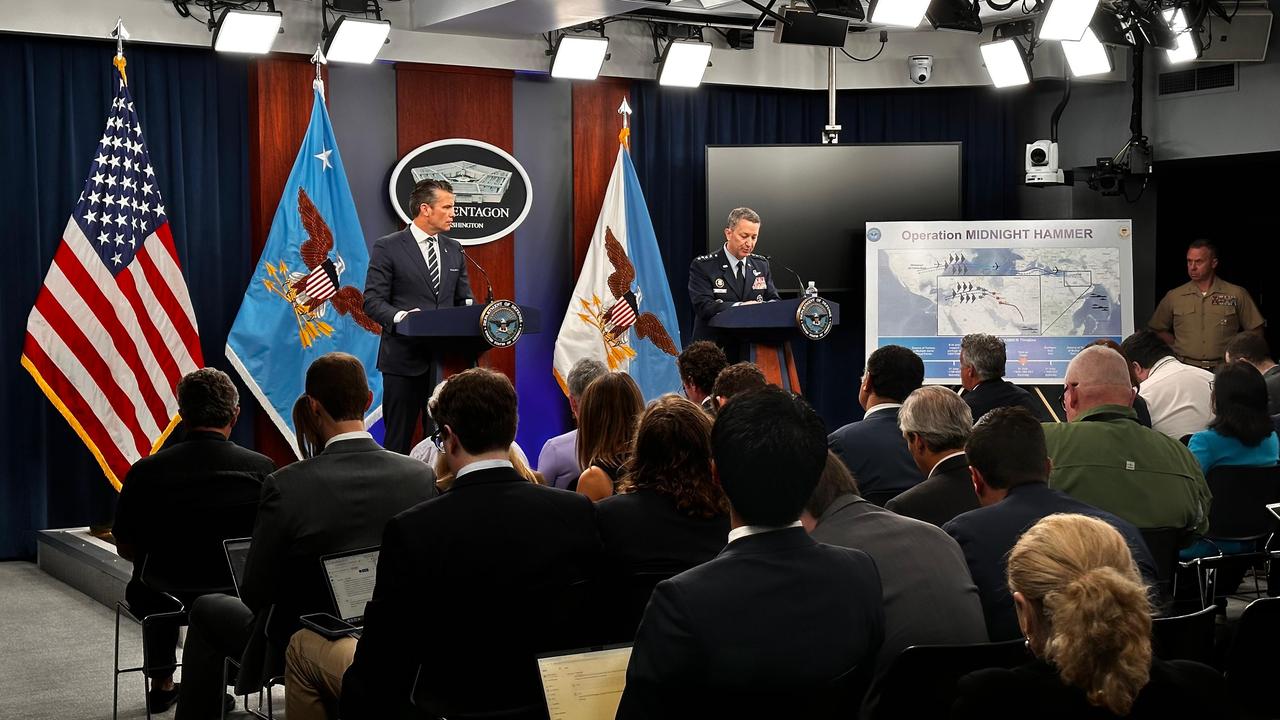
The Pentagon has publicly stated that the strikes set back Iran's nuclear program by one to two years. However, this assessment contradicts an initial classified US intelligence report that, according to American media outlets, concluded the delay would be only a few months.
Iranian Supreme Leader Ayatollah Ali Khamenei has dismissed Trump's characterizations of the damage, telling the American president to "keep dreaming" about having destroyed Iran's nuclear capabilities.
The June military action abruptly halted diplomatic negotiations between Iran and the United States that had begun in April with Omani mediation. Those talks aimed to forge a new agreement on Iran's nuclear activities after Trump withdrew from a 2015 deal during his first presidential term that had limited Iranian enrichment of nuclear material in exchange for sanctions relief.
Israel had opposed that earlier agreement. Barnea made clear Tuesday that his country would not support what he termed "a bad deal," expressing skepticism that diplomatic engagement with Tehran would succeed.
"Iran believes it can deceive the world once again and implement yet another bad nuclear deal," Barnea said. "We did not and will not allow a bad deal to be realised."
Western powers have long accused Iran of pursuing nuclear weapons development, allegations that Tehran has consistently denied.


 Set as preferred source
 Set as preferred source


 2 min read
 1 min read