Newsletters





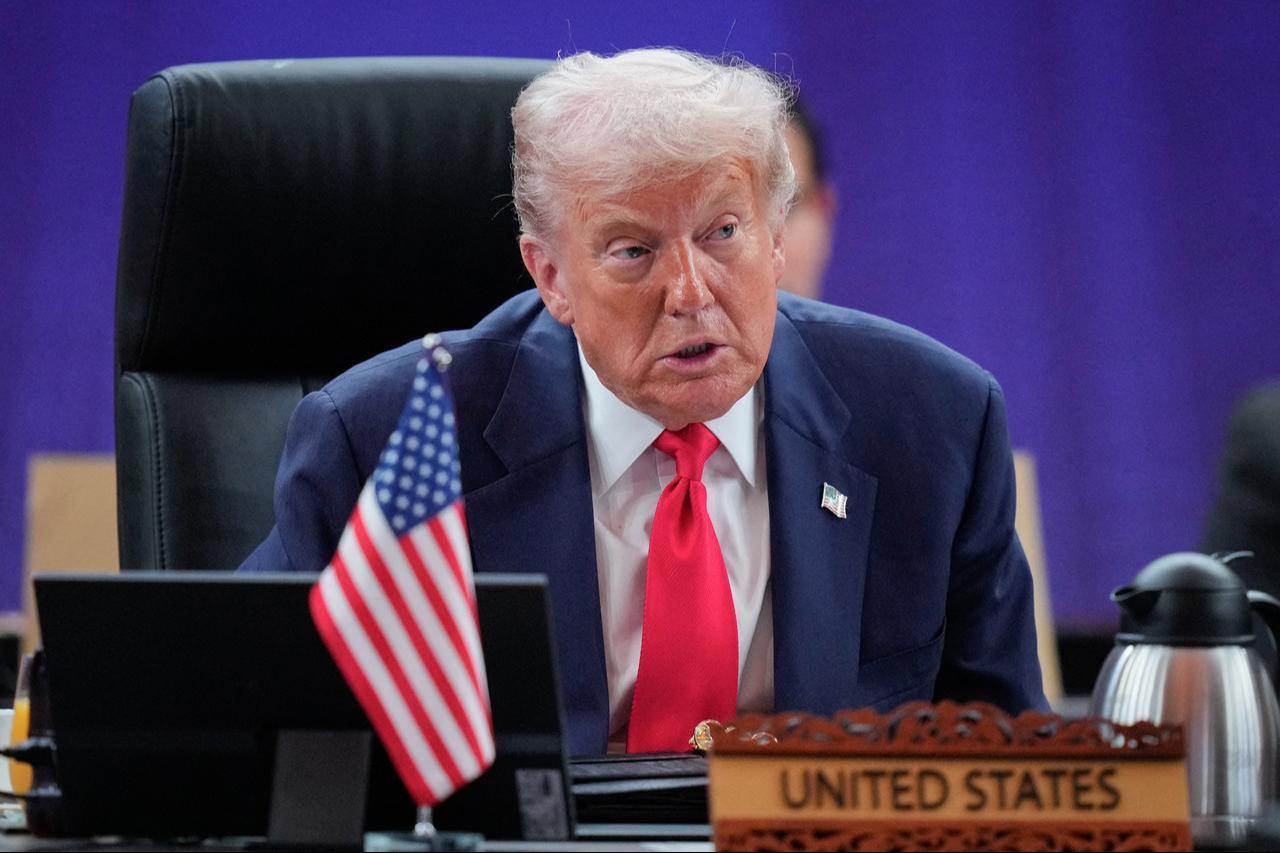
The White House has published the National Security Strategy of the United States of America, detailing President Donald J. Trump’s foreign-policy direction and setting out what the administration describes as a focused, interest-driven framework for U.S. engagement in the world.
The strategy argues that previous post–Cold War approaches “expanded the definition” of U.S. national interests, and says the administration now aims to restore a narrower, more concrete focus on protecting American sovereignty, borders and economic strength.
It defines strategy as a clear link between ends and means and criticizes earlier policies for pursuing “permanent American domination of the entire world.”
The document states that President Trump’s leadership “corrected course,” citing border enforcement actions, military investment, expanded energy production and increases in NATO defense spending commitments.
It also highlights the administration’s role in negotiating ceasefires and peace agreements in several conflicts, including between Cambodia and Thailand, Kosovo and Serbia, the DRC and Rwanda, Pakistan and India, Israel and Iran, Egypt and Ethiopia, and Armenia and Azerbaijan, as well as ending the Gaza war.
The strategy outlines core principles, including “America First,” peace through strength, non-interventionist predisposition, flexible realism, primacy of nations, sovereignty, balance of power, and fairness.
It emphasizes protection of borders, ending “mass migration,” and developing the world’s most advanced military, nuclear deterrent and industrial base.
Economic priorities include reindustrialization, tariff-based trade rebalancing, energy dominance, strengthening supply chains, and revitalizing the U.S. defense industrial base.
The document also stresses the need to preserve U.S. technological leadership in AI, biotech and quantum computing.

The strategy identifies five regional pillars:
The United States will enforce what it calls the “Trump Corollary to the Monroe Doctrine,” aiming to prevent non-Hemispheric powers from gaining influence and to strengthen stability, migration control and critical supply chains.
The Indo-Pacific is described as a central economic and strategic arena.
The document says the U.S. will deter military conflict, particularly regarding Taiwan, rebalance economic ties with China, deepen alliances and expand technological and defense cooperation across the region.
The strategy highlights Europe’s economic stagnation, demographic challenges and what it calls risks to “civilizational self-confidence.”
It calls for restoring strategic stability with Russia, negotiating an end to the war in Ukraine, and encouraging European nations to assume greater defense responsibilities.
The document credits U.S. actions, including Operation Midnight Hammer, with weakening Iran’s nuclear capacity and says the Middle East is shifting from a primary security burden to a region of investment, energy cooperation and diplomatic engagement.
It reaffirms core U.S. interests in Gulf stability, counterterrorism and Israel’s security.
The strategy urges a shift from aid-focused policies to trade and investment partnerships, prioritizing conflict mediation, energy cooperation and access to critical minerals.


 Set as preferred source
 Set as preferred source


 2 min read

 1 min read