Newsletters


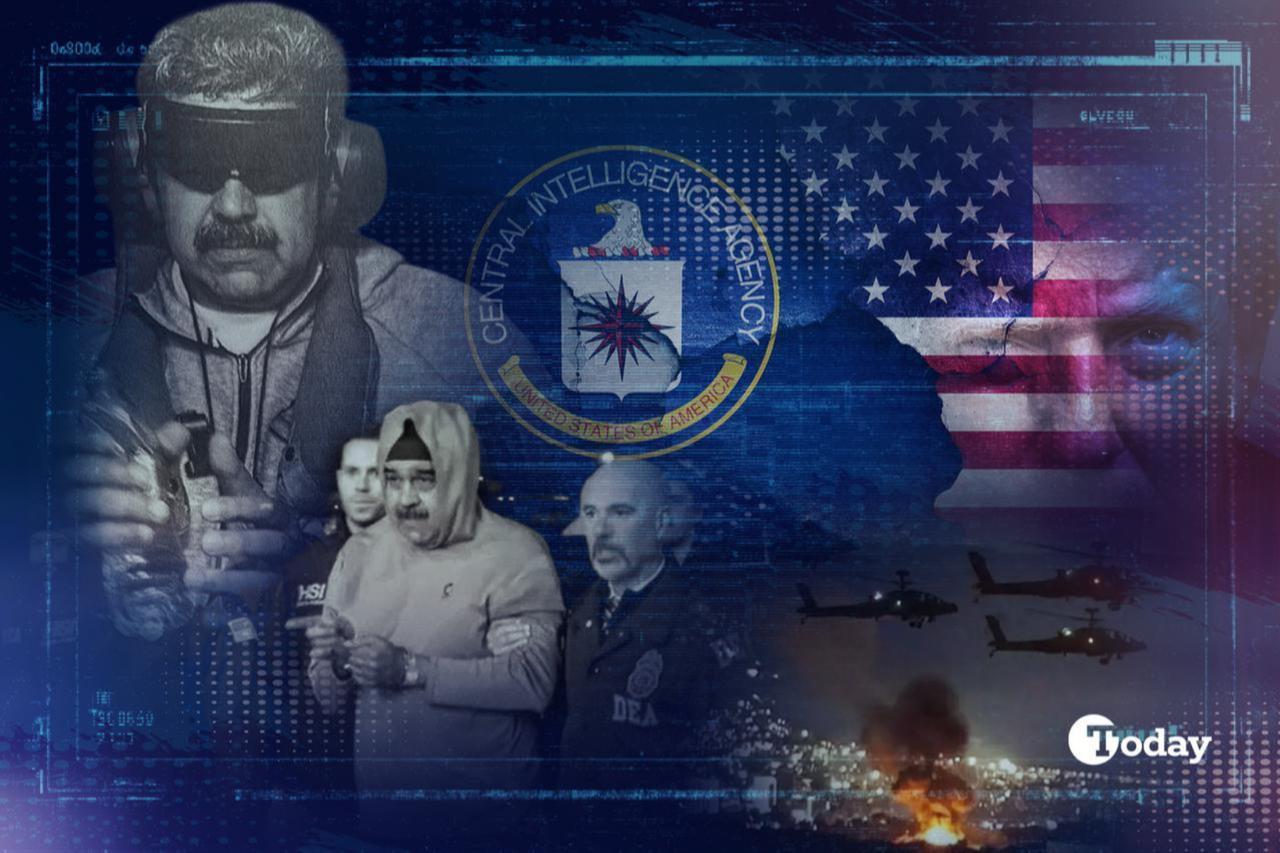


Following the capture of Nicolas Maduro, this interview examines the operation from an intelligence perspective.
Rather than legal or ethical debates, it focuses on how such missions are read inside U.S. intelligence. Rick de la Torre, a former CIA Chief of Station (COS) in Caracas, offers that view.
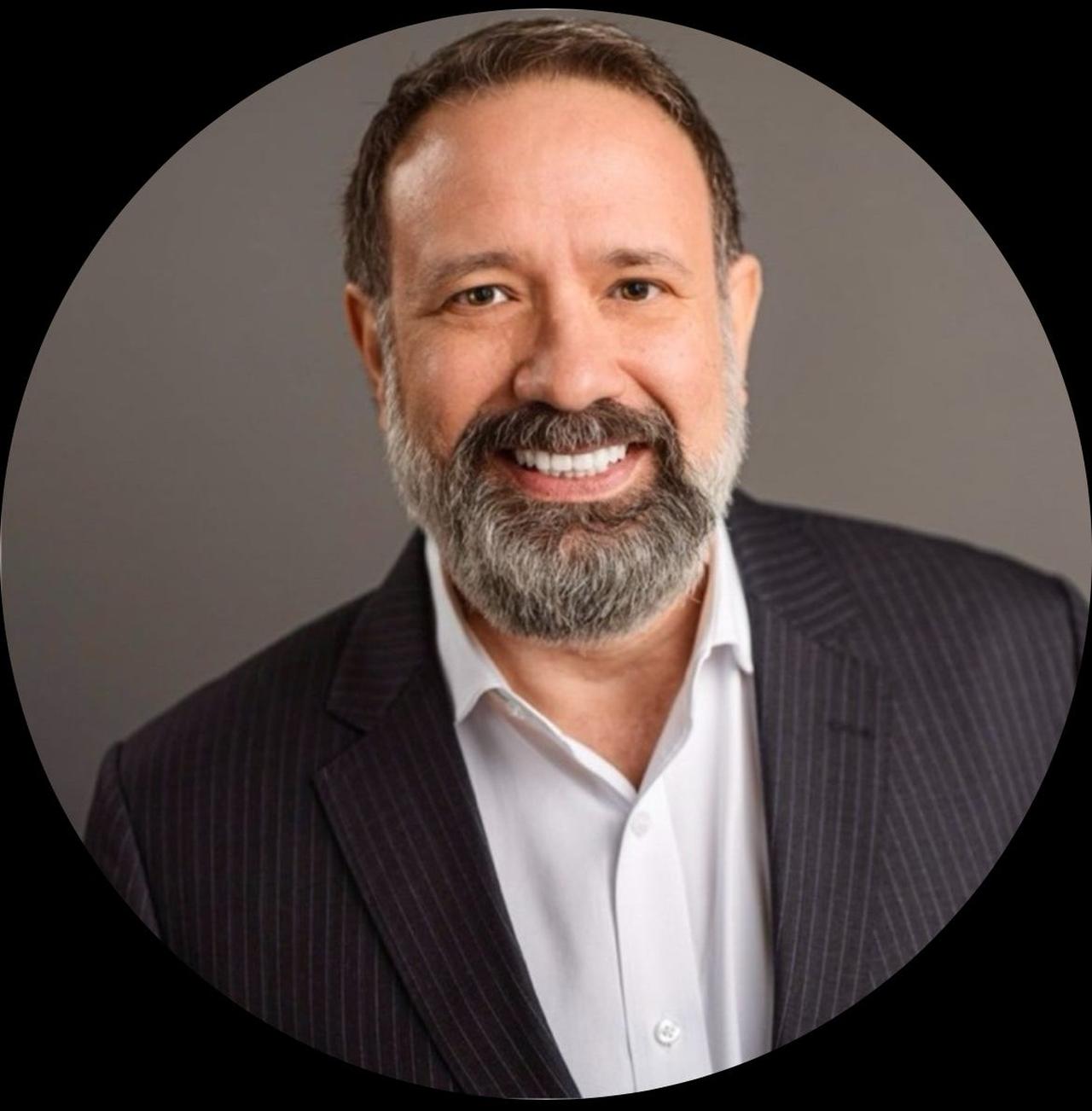

According to reporting by Reuters and The Wall Street Journal, the operation followed months of intelligence preparation beginning last August. This context shapes how de la Torre separates what appears covert from what is strategically signaled.
“From an intelligence standpoint, the Maduro operation is best understood as a military-led special operations capture mission enabled by intelligence, not a covert action in the classic sense and not a routine law-enforcement rendition."
"Covert action implies deniability and political ambiguity. This operation was deliberately overt in effect, even if tactically discreet in execution,” de la Torre told me.
For him, that classification also clarifies roles, with intelligence supporting the decision space and the seizure, once triggered, becoming a military execution problem.
“The CIA’s role in an operation like this is rarely kinetic. Intelligence services exist to reduce uncertainty, not to pull triggers."
"Over months, that means building and validating access, fusing human and technical reporting, and developing pattern-of-life assessments. Once execution begins, authority shifts decisively to the military, which is exactly how it should work.”
He says the challenge is sustaining reliable visibility over time, not landing a single breakthrough.
“Success usually depends on convergence, not brilliance: multiple partial streams aligning over time. What stands out here is patience. Months of preparation suggest discipline rather than improvisation.”
Another early account said the CIA had a source inside the Venezuelan government who provided information on Maduro’s movements and location, enabling the raid. That reporting, however, quickly fed wider public debate about who that source might have been.
Speculation centered on whether the leak came from politics, the security services, or the military, and it fed a damage control scramble inside Venezuela’s state machinery.
De la Torre cautions against the notion of a single insider delivering decisive information.
“Public discussion tends to oversimplify HUMINT by imagining a single ‘insider’ handing over decisive information. In reality, usable insight in hostile regimes usually comes from networks and accumulation, not lone sources or dramatic tips.”
What matters most, he explains, is not access alone, but whether information can be verified, sustained, and protected over time.
“Access without validation is noise. Validation without continuity is fleeting. The hard part is protecting sources while sustaining collection long enough for patterns to become actionable.”
“In environments like Venezuela, constraints are structural. Counterintelligence pressure is constant. Reporting is fragmentary. Timelines slip. Intelligence services succeed not by knowing everything, but by knowing enough, reliably enough, to support decisions.”
De la Torre argues that converting long-term collection into action is an institutional and operational challenge and that political urgency can erode the timelines needed for success.
“Turning that collection into action requires institutional restraint. Forcing intelligence to fit a political timeline is how operations collapse.”
He states that the key is a clean division of roles grounded in shared assumptions.
“When intelligence and military action intersect, roles are typically clean even if coordination is tight. Intelligence identifies opportunities and risks. The military plans and executes. What matters most is shared assumptions about what is known, what is uncertain, and what failure looks like.”
In his view, such operations reflect long preparation yet can reshape politics overnight.
“Operations like this are the culmination of long preparation, but they also reshape political dynamics instantly. Removing a leader creates opportunity but also volatility.”
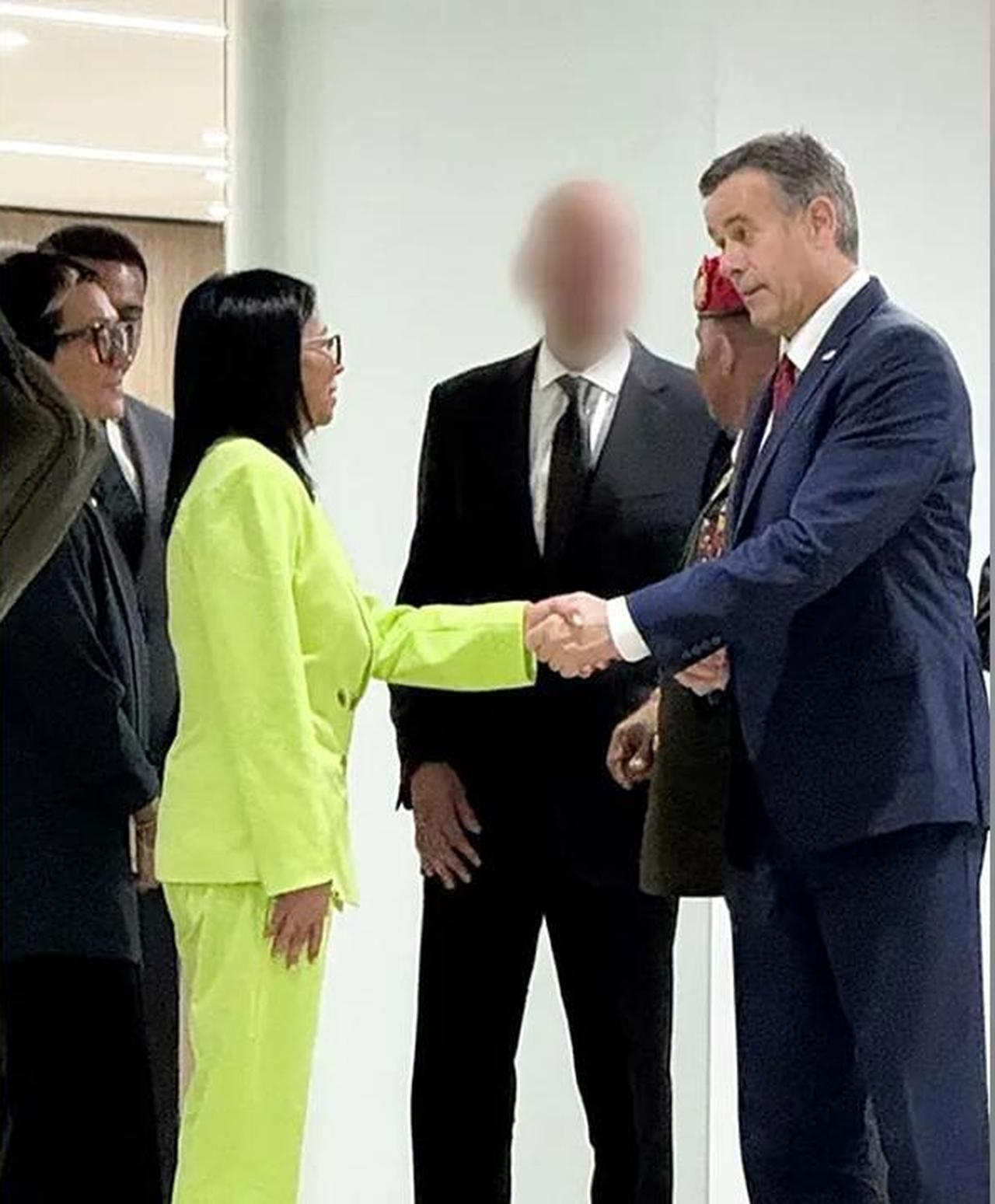
With Maduro in U.S. custody, Washington is sketching a post-capture playbook that leans on the CIA to reopen channels and manage risk before diplomacy resumes.
CNN reports the agency is exploring an annex to support security, liaison building, and intelligence briefings on China, Russia, and Iran while the State Department prepares a formal embassy return after its 2019 closure.
That shift was made visible when CIA Director John Ratcliffe became the first senior U.S. official to travel to Venezuela after the operation, a move widely read as a signal of Washington’s next phase.
For de la Torre, the capture itself does not resolve the intelligence challenge. It transforms it.
“The capture of a head of state is never the end of the intelligence problem. It is the beginning of a more ambiguous phase. From a former COS perspective, this marks the start of a more complex cycle, not a handoff to someone else.”
In the post-capture phase, he says the focus shifts from the leader to the loyalist networks around him.
“In general terms, post-capture options usually fall along a spectrum. At the low end are disruption and exposure of residual networks. In the middle are inducements, defections, and partner enablement. At the high end are more direct neutralization efforts.”
He argues that sequencing is decisive early on and that the lead role often shifts as the situation stabilizes.
“Sequencing matters as much as the options themselves. Move too fast and you unify resistance. Move too slowly, and spoilers organize. Early on, intelligence often retains primacy because uncertainty is highest.
Over time, military, diplomatic, and law-enforcement tools assume larger roles as the environment stabilizes.”
He argues that the bigger danger is institutional drift—and that Trump’s warnings were framed to deter resistance rather than trigger escalation.
“The key risk is interagency drift. When agencies pursue parallel but unaligned objectives, instability deepens. President Trump’s public warnings to Maduro loyalists are consistent with deterrence logic aimed at preventing premature resistance rather than provoking escalation.”
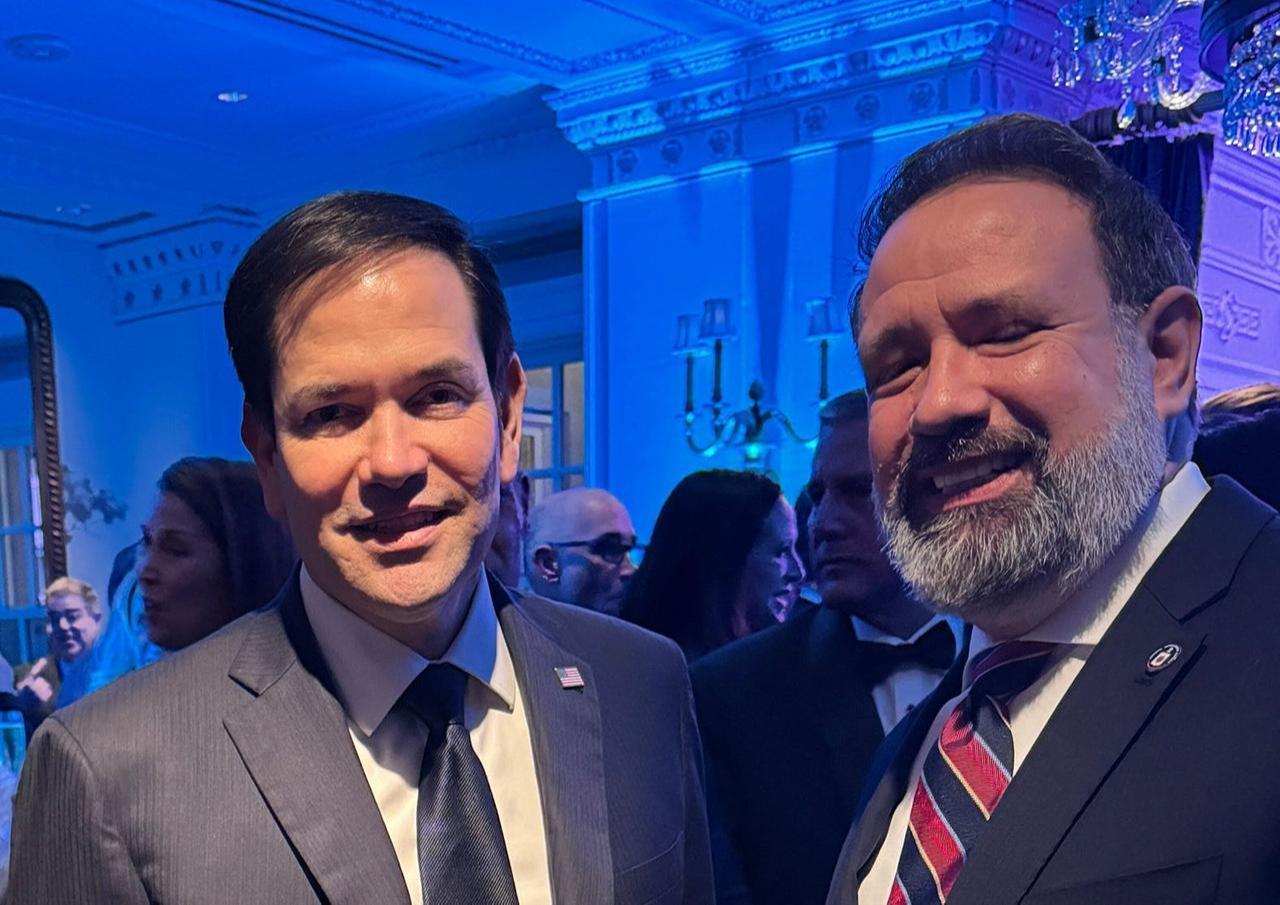
Marco Rubio and other U.S. officials who took a leading interest in the Maduro case have repeatedly voiced concern about the expanding political and intelligence footprint of China, Iran, and Russia in Venezuela, concerns they say remain unresolved even after the operation.
I asked de la Torre how he reads rival services’ roles before and after the operation.
He frames Venezuela less as a passive client state and more as a permissive arena shaped by pragmatic and often limited forms of external support.
“Venezuela has functioned for years as a permissive environment for external actors with overlapping but distinct interests."
"China focused on systems of control and leverage. Iran emphasized security cooperation and deniability. Russia used Venezuela for geopolitical signaling and selective protection.”
When I asked how these services might respond under U.S. pressure, he said any pushback would likely be quiet rather than overt.
“If these services were reinforcing their presence under U.S. pressure, the most plausible methods would be advisory support, communications hardening, cyber assistance, financial facilitation, and influence operations rather than large deployments.”
He added that these measures stay below escalation thresholds but cautions that foreign services cannot fully shield a partner regime from exposure.
“These are low-visibility tools designed to complicate U.S. influence without triggering direct confrontation. If countermeasures proved limited or ineffective, that likely reflects structural constraints rather than incompetence. External services rarely enjoy full trust inside another country’s security apparatus.”
When I raised the question of why outside services have struggled to shield Venezuela and how that changes after a capture, he cited structural limits and rising exposure risks.
“Integration is limited by politics, ego, and competing priorities. In post-capture environments, U.S. intelligence advantages often widen as local actors hedge and adversaries face higher exposure risk.”
Within days of the raid, witnesses reported gunfire near Miraflores after what officials described as unidentified drones overflew the palace, prompting a rapid security response and signs of armored vehicles moving into the area.
Washington’s focus quickly shifted to a familiar concern from past U.S. interventions in the Middle East: whether Maduro’s removal would create an authority vacuum that U.S. intelligence now has to monitor.
On the question of stabilization, he warns against equating it with immediate calm.
“Stabilization should not be confused with silence. Early unrest after a major intervention is common and not automatically disqualifying. There is usually an informal credit window during which protests, power struggles and even limited violence reflect adjustment rather than failure."
"Intelligence services can contribute meaningfully by providing early warning, mapping spoiler networks, and helping policymakers distinguish between manageable instability and systemic collapse.”
He stresses that intelligence can shape outcomes but cannot eliminate every risk once events are in motion.
“Preventing all coups or sabotage is unrealistic. Identifying them early and shaping responses is achievable.”
He argues the real measure is trajectory—whether institutions consolidate and violence becomes contained, or whether disruption slides toward fragmentation.
“The real benchmark is momentum, not calm. Are institutions consolidating or fragmenting? Are armed actors coordinating or freelancing? Are economic flows resuming or stalling? Those indicators matter more than the absence of headlines. Venezuela’s path will not be linear. The question is whether disruption trends toward recovery or disintegration,” De la Torre concludes.


 Set as preferred source
 Set as preferred source


 3 min read