Newsletters


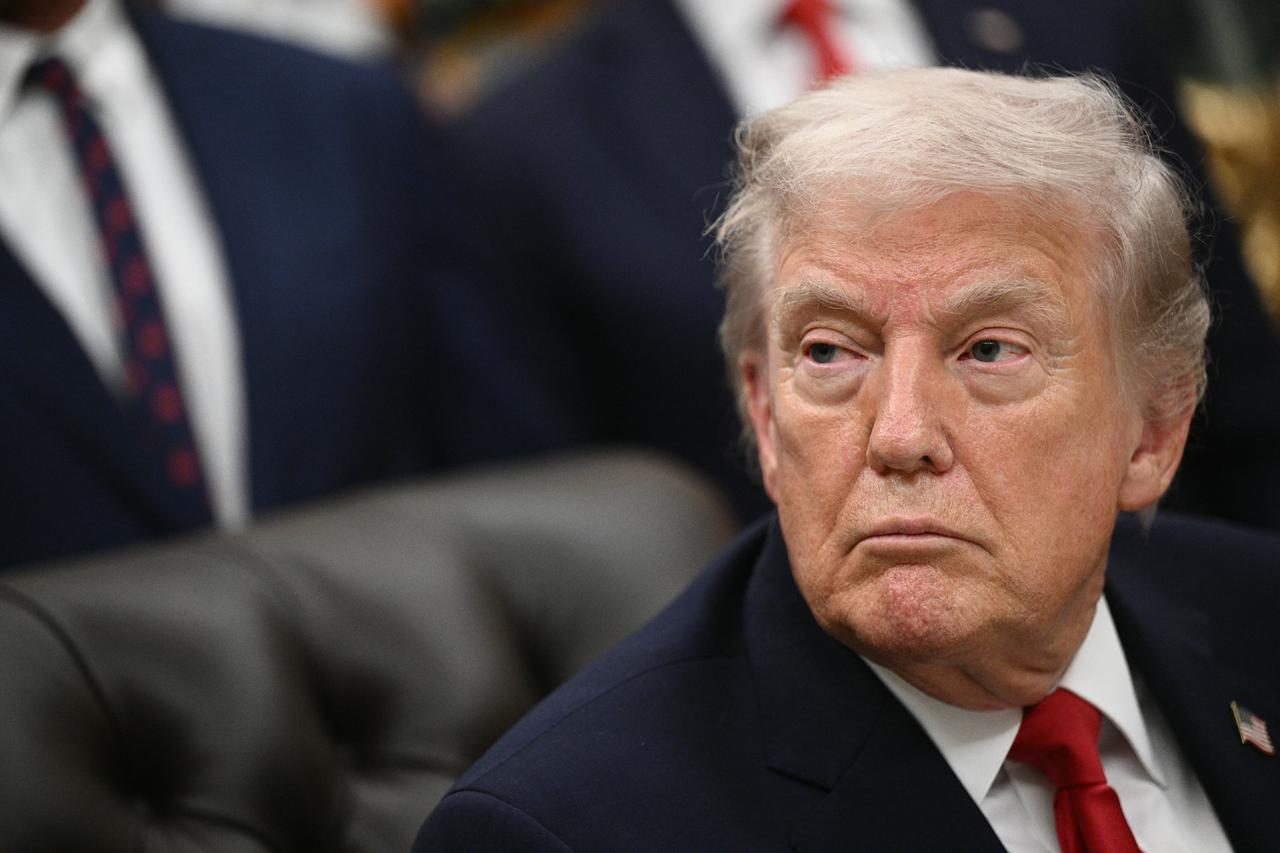


U.S. President Donald Trump denied reports Saturday that the United States could launch military strikes against Iran as soon as Feb. 1, saying Washington's plan centers on negotiations with Tehran rather than immediate military action.
"Look, the plan is this: [Iran] talks to us, and we'll see if we can do something, otherwise we'll see what happens," Trump told Fox News reporter Jacqui Heinrich. "We have a big fleet heading out there, bigger than we had—and still have, actually—in Venezuela."
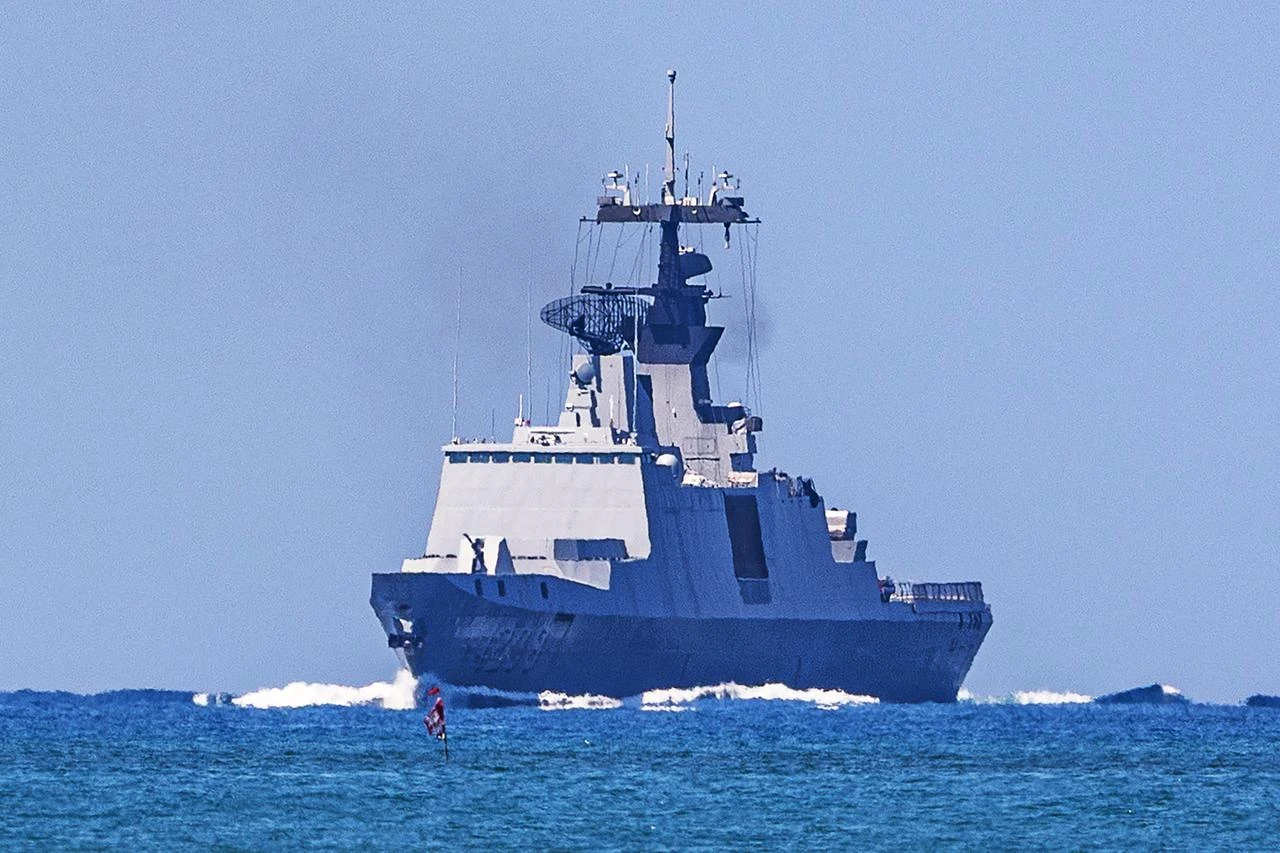
Trump's comments came in response to a Drop Site News report claiming senior US military officials had informed a key Middle Eastern ally that strikes could commence as early as Sunday. The president dismissed the report while confirming the ongoing naval deployment.
He also rejected suggestions he had shared operational plans with Gulf allies, citing security concerns. "We can't tell them the plan. If I told them the plan, it would be almost as bad as telling you the plan—it could be worse, actually," he said.
Trump acknowledged Gulf allies' skepticism about Iran's negotiating intentions but said talks are proceeding. "Well, that's true, but they're negotiating, so we'll see what happens," he said. "You know, the last time they negotiated, we had to destroy their nuclear program, and it didn't work out, you know. Then we destroyed it another way, and we'll see what happens."
The president's reference relates to June 2025's "Midnight Hammer" operation, when US forces struck Iranian nuclear facilities at Natanz, Fordo and Isfahan during a 12-day military campaign that also involved Israel. Initial assessments suggested those strikes set back but did not eliminate Iran's nuclear capabilities.
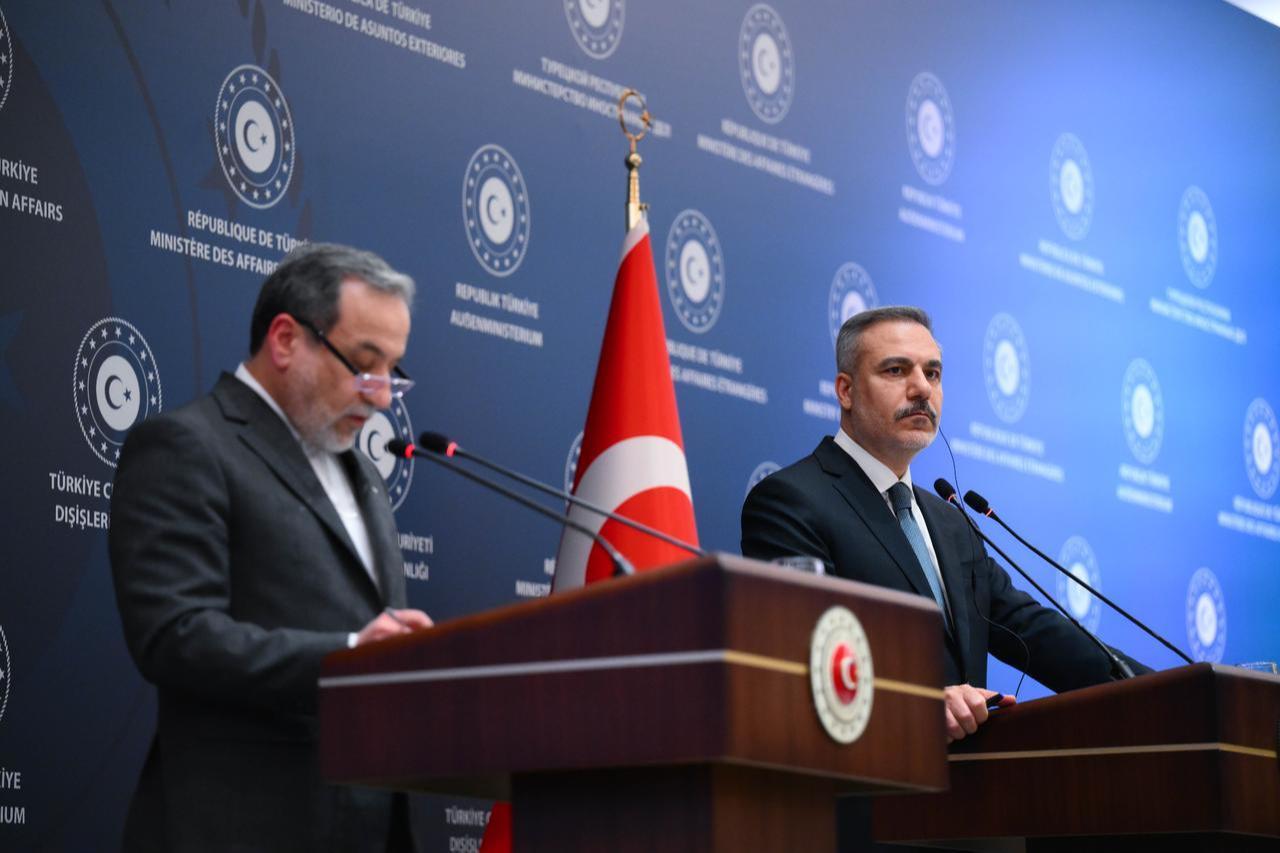

The military buildup comes as multiple countries attempt to broker dialogue between Washington and Tehran. According to Israeli Channel 12 television, Saudi Arabia has been conveying messages between the two nations to calm the situation, while Israel reportedly pressures the White House to allow Türkiye, Qatar and Oman to facilitate a diplomatic resolution.
Ali Larijani, head of Iran's Supreme National Security Council, said Saturday that "structural arrangements for negotiations are progressing," contradicting what he called media-driven war rhetoric. His comments followed talks in Moscow with Russian President Vladimir Putin.
Iran has signaled willingness for nuclear discussions but insists its missile and defense programs remain off the table. Tehran maintains its nuclear technology and expertise "cannot be eliminated," according to army chief Amir Hatami, who warned that any attack would endanger US security, regional stability and Israel.
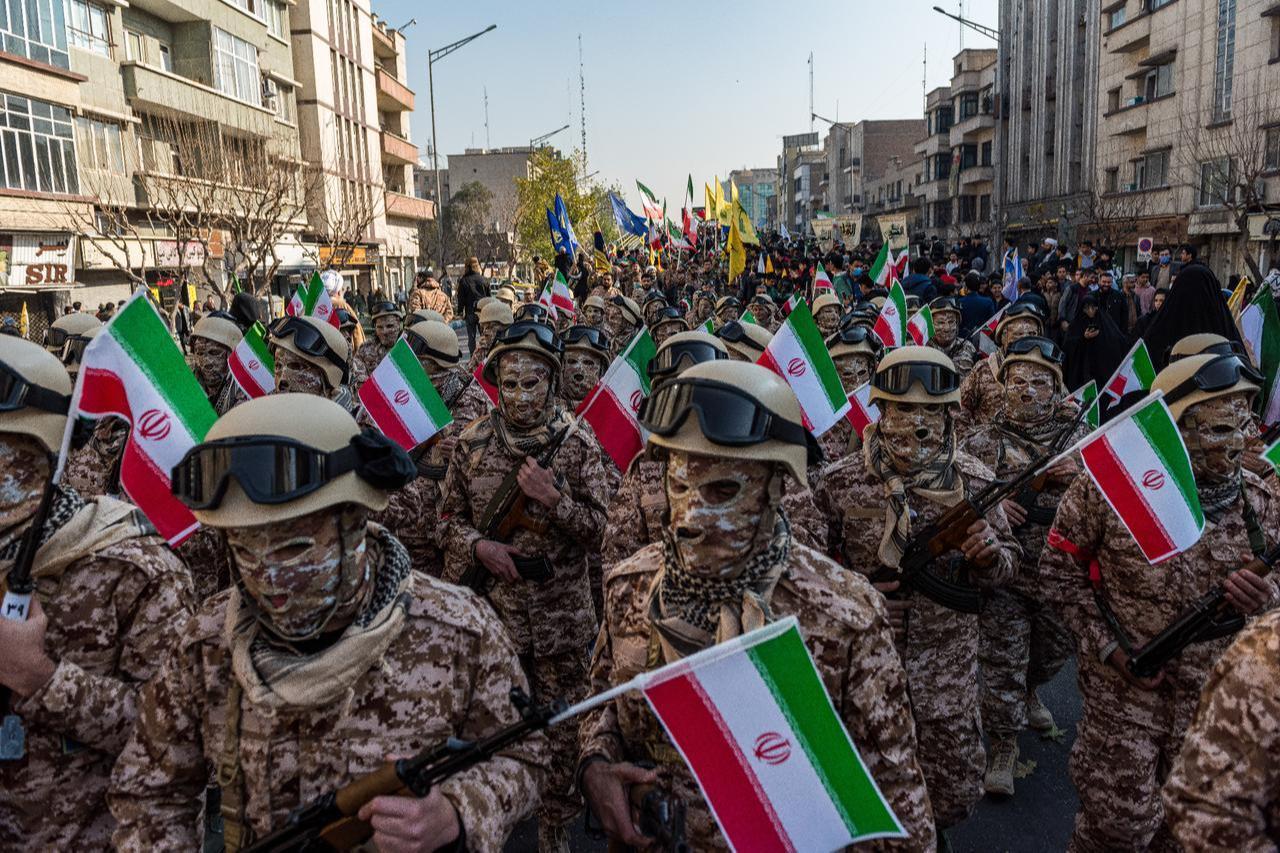
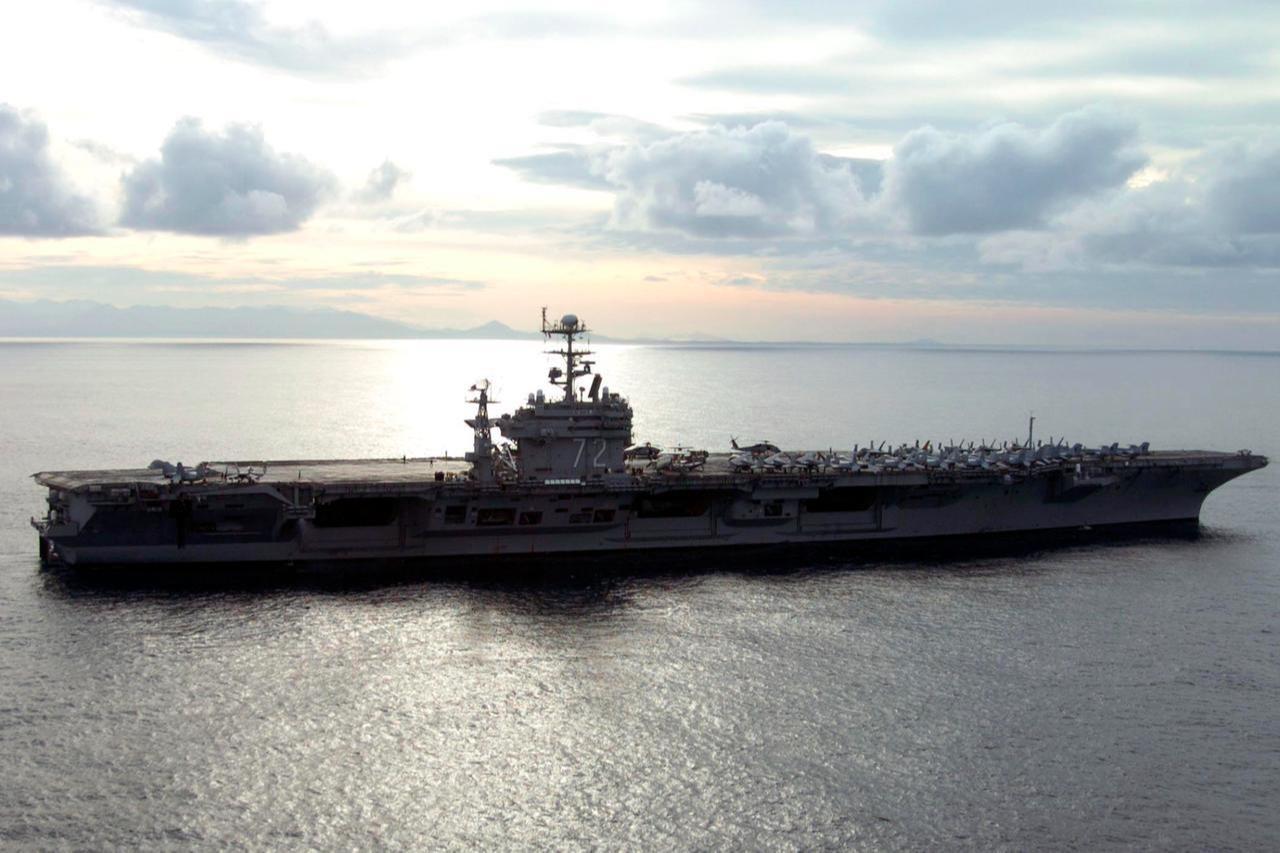
Iranian military officials emphasized defensive preparedness as the USS Abraham Lincoln battle group arrived off Iran's shores. The deployment has heightened fears of direct confrontation, with Tehran warning it would respond with missile strikes on US bases, ships and allies, particularly Israel, if attacked.
The current crisis follows deadly anti-government protests that erupted Dec. 28 over rising living costs before evolving into broader demonstrations. Iranian authorities report 3,117 deaths, though the US-based Human Rights Activists News Agency counts 6,563 fatalities, including 6,170 protesters and 124 children.
President Masoud Pezeshkian urged his government Saturday to address public grievances and "serve the people" following the unrest.
At the Kapikoy border crossing between Iran and Türkiye, where over 100 people crossed Saturday, some Iranians expressed disillusionment with both their government and potential Western intervention. "We know they won't come for us, but for the oil. For their own interests. We don't count," said Rosa, a 29-year-old traveling to Istanbul.
Israeli media outlets offered varying analyses of potential US military action. The Times of Israel noted Trump's continued emphasis on diplomatic options alongside military preparations, while Channel 12 reported that once all US military assets complete their Middle East deployment, Trump could issue strike orders in coming days.
Israeli officials reportedly believe a limited US attack would not topple Iran's government, an assessment Trump shares, according to Channel 12. Instead, any strike would likely target Iran's material assets, particularly nuclear and missile programs. Israeli analysts warn even limited strikes could trigger large-scale Iranian retaliation against Israel.
Prime Minister Binyamin Netanyahu held a security meeting Thursday in Jerusalem with senior advisors and defense officials focused on "the possibility of a US attack against Iran," the Times of Israel reported.
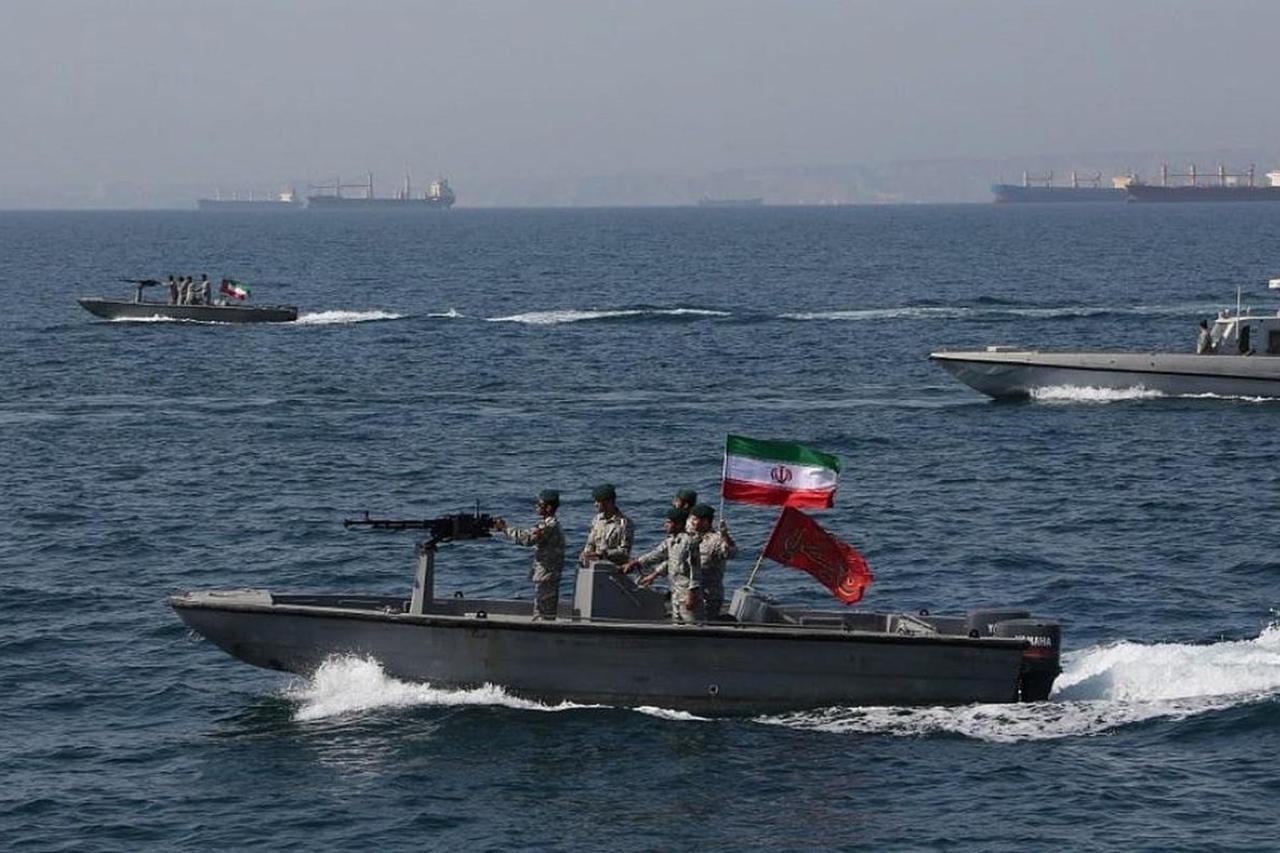
The US Central Command announced Friday that Iran's Revolutionary Guard Corps would conduct a two-day live-fire naval exercise in the Strait of Hormuz, a critical passage for global energy supplies. CENTCOM warned against "any unsafe and unprofessional behaviour near US forces."
Iranian Foreign Minister Abbas Araghchi criticized the statement, writing on X that the US military "is now attempting to dictate how our Powerful Armed Forces should conduct target practice in their own turf."
Background tensions stem partly from June 2025, when the US briefly joined Israel's 12-day military campaign against Iran, striking key nuclear sites in an operation Trump called "Midnight Hammer." Initial damage assessments suggested the attack set back but did not destroy Iran's nuclear program.
The European Union designated the IRGC a terrorist organization Thursday, following the US designation from 2019, prompting angry reactions from Tehran.
As Supreme Leader Ali Khamenei visited the shrine of Islamic Republic founder Ruhollah Khomeini Saturday for prayers marking the 47th anniversary of the 1979 revolution, the region faces its most serious military standoff in years.


 Set as preferred source
 Set as preferred source


 1 min read
 1 min read