Newsletters





In political philosophy, Thomas Hobbes famously described the Leviathan—a powerful state required to prevent a "war of all against all." For decades, Silicon Valley operated in a state of nature: a wild, private-sector frontier driven by "move fast and break things."
Today, however, this era of independence is rapidly closing.
What began early in the year as a fringe demand from the progressive left—that Washington take direct ownership of the companies building artificial intelligence—has become, within weeks, a live proposal backed by a socialist senator, entertained approvingly by a Republican president, and floated internally by the labs themselves.
The through-line is not ideology; it is money, and the sheer scale of it: trillion-dollar valuations, imminent IPOs for companies like OpenAI, Anthropic, and SpaceX, and a political class on both flanks determined that the public should not watch this wealth accumulate from the sidelines.
This is the story of an odd convergence: a socialist senator and a deal-making president arriving at the same instinct from opposite directions, an industry more eager to invite the state in than to keep it out, and a stark warning, delivered by one of America's prominent capitalists, that this bargain ends in control, not partnership.
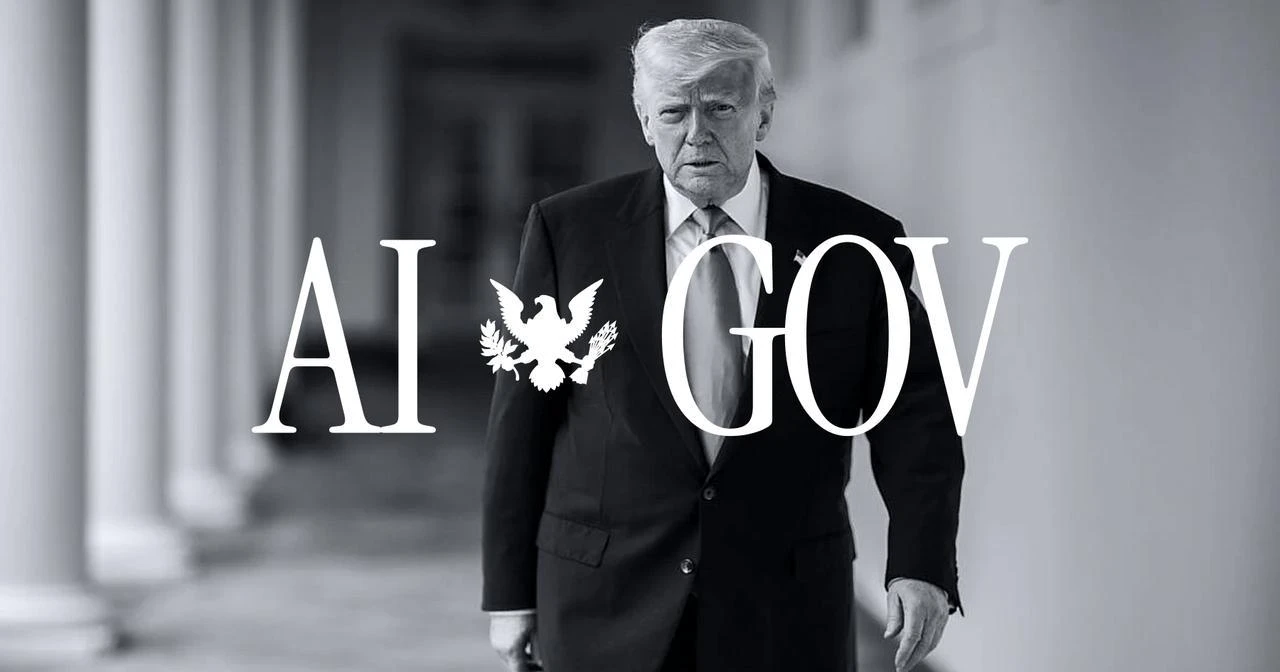

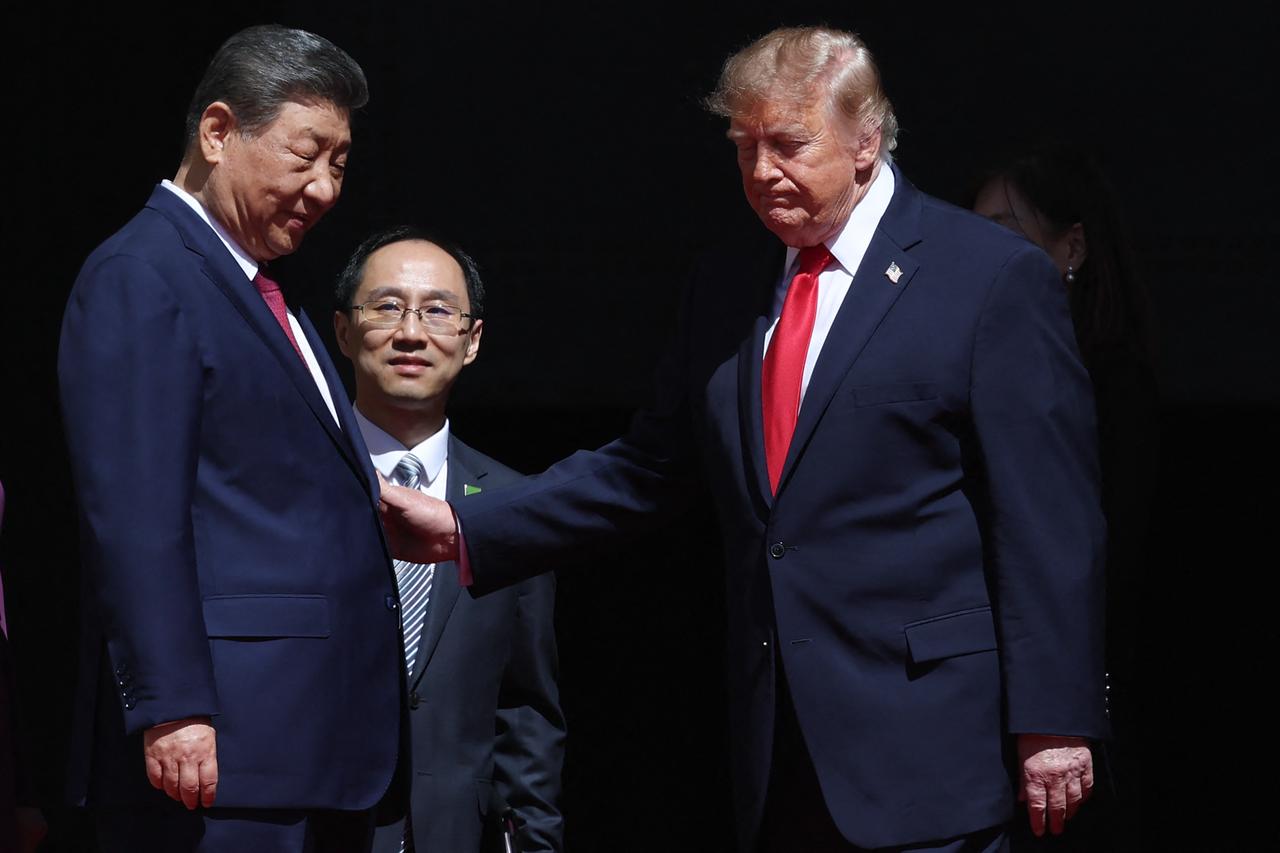
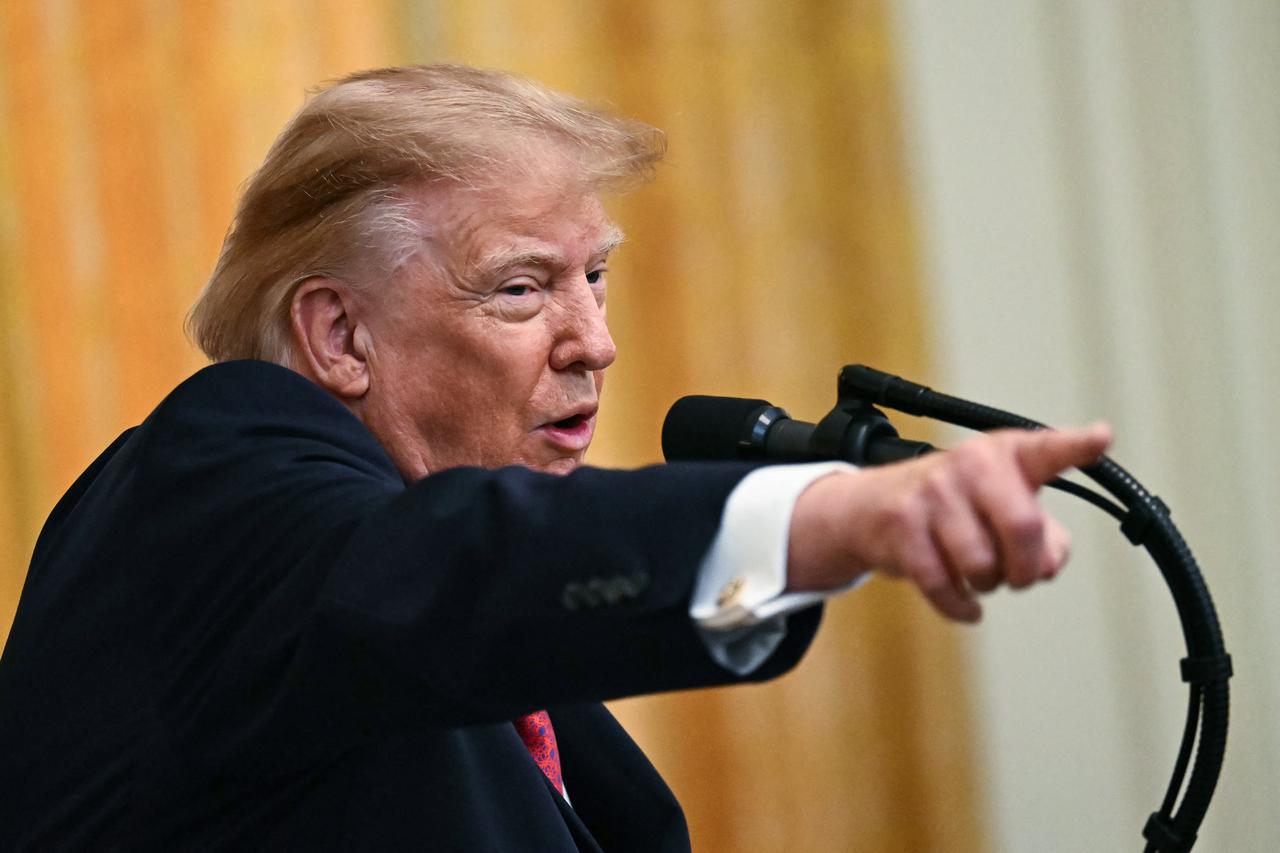
Bernie Sanders wants the big AI labs to fork over half their equity to a national sovereign wealth fund for the American people, financed by a one-time 50% stock tax on companies with more than $200 million in annual AI-related receipts. Trump has embraced the same logic from the opposite pole, calling a government equity stake in AI companies a "beautiful thing" and framing it not as a levy, but as a partnership with the public that would, in his telling, make Americans rich
His template is Intel: the administration's 10% stake, taken last year, has since become a talking point he raised again on CNBC, touting how the stock rallied once Washington bought in. That stake is not an outlier. Trump's government has taken positions in more than 20 companies since he returned to office—mostly in sectors Washington now treats as strategically non-negotiable: quantum computing and rare earths, industries where China currently holds the upper hand.
The administration's posture on AI has hardened alongside its appetite for equity. Last month, officials abruptly cut off access to Anthropic's newest models, Fable and Mythos, for non-U.S. nationals, then moved quickly to issue an executive order giving federal agencies early access to new frontier models before public release.
A government that wants advance access to the technology and a stake in the company building it is no longer behaving like a passive observer of the AI boom; it is behaving like a party with skin in the game—on both the ownership and oversight sides of the ledger.
That second impulse, oversight, is taking its own institutional shape. Treasury Secretary Scott Bessent has helped develop a proposal for an independent AI regulator modeled on the Financial Industry Regulatory Authority (FINRA)—the industry-funded body that polices Wall Street brokerages—that would report directly to the Securities and Exchange Commission (SEC).
It arrives at a critical moment: China's Moonshot AI just released Kimi K3, a model that rivaled leading U.S. systems at a fraction of the cost and revived, yet again, Washington's panic that the gap with Beijing is closing. Equity and oversight are converging on the same anxiety: that AI is now a sovereign asset, not a consumer product, and the state wants a hand on both levers.
Prometheus stole fire from the gods to give it to mankind. Six months into this fight, the labs are handing the fire back. OpenAI has reportedly discussed giving the federal government a 5% stake in the company, worth roughly $40 billion, at no cost, while floating the idea that other major AI labs do the same.
Some of this might seem inherited idealism. Sam Altman was writing about the need to redistribute AI-generated wealth as far back as 2021, in an essay titled "Moore's Law for Everyone," years before the current bidding war in Washington began. But idealism alone does not explain a $40 billion giveaway.
Two more self-interested calculations are doing real work here. The first is political: Americans have turned sharply skeptical of the technology their own industry is selling them—and skeptical publics elect regulators.
The second is financial. The massive infrastructure spending that has AI labs borrowing and building at a pace even their own executives call unsustainable leaves the industry with a clear incentive: make Washington a shareholder before any market correction, not after. A government with equity in the outcome has a reason to backstop the fall. It is no coincidence that OpenAI was discussing the need for exactly that kind of government guarantee just months before it began considering giving up equity.
Not everyone is applauding. Michael Bloomberg spent a column this week calling the whole arrangement "a dangerous idea," arguing that both parties see immediate dollar signs and neither is thinking beyond them. "Somewhere, Karl Marx is smiling," he wrote of a plan he says would replace market competition with favoritism, turning the AI sector into a smoke-filled backroom governed by lobbying budgets rather than better code.
His counterargument to the president's framing is pointed: Americans already benefit from AI's gains—through chatbots, fraud detection, disease research, higher farm yields, and portfolio management—without the state needing to own a piece of these companies. If Washington wants more public revenue from the boom, Bloomberg's answer is not equity, but the tax code.
The deeper worry, though, is not merely competitive but civic. AI companies are, functionally, speech and information platforms. A government holding equity in the firms that build them acquires a direct financial stake in what those models say—and Bloomberg warns that the propaganda potential of such an arrangement would make George Orwell blush, regardless of which party happens to be holding the pen.
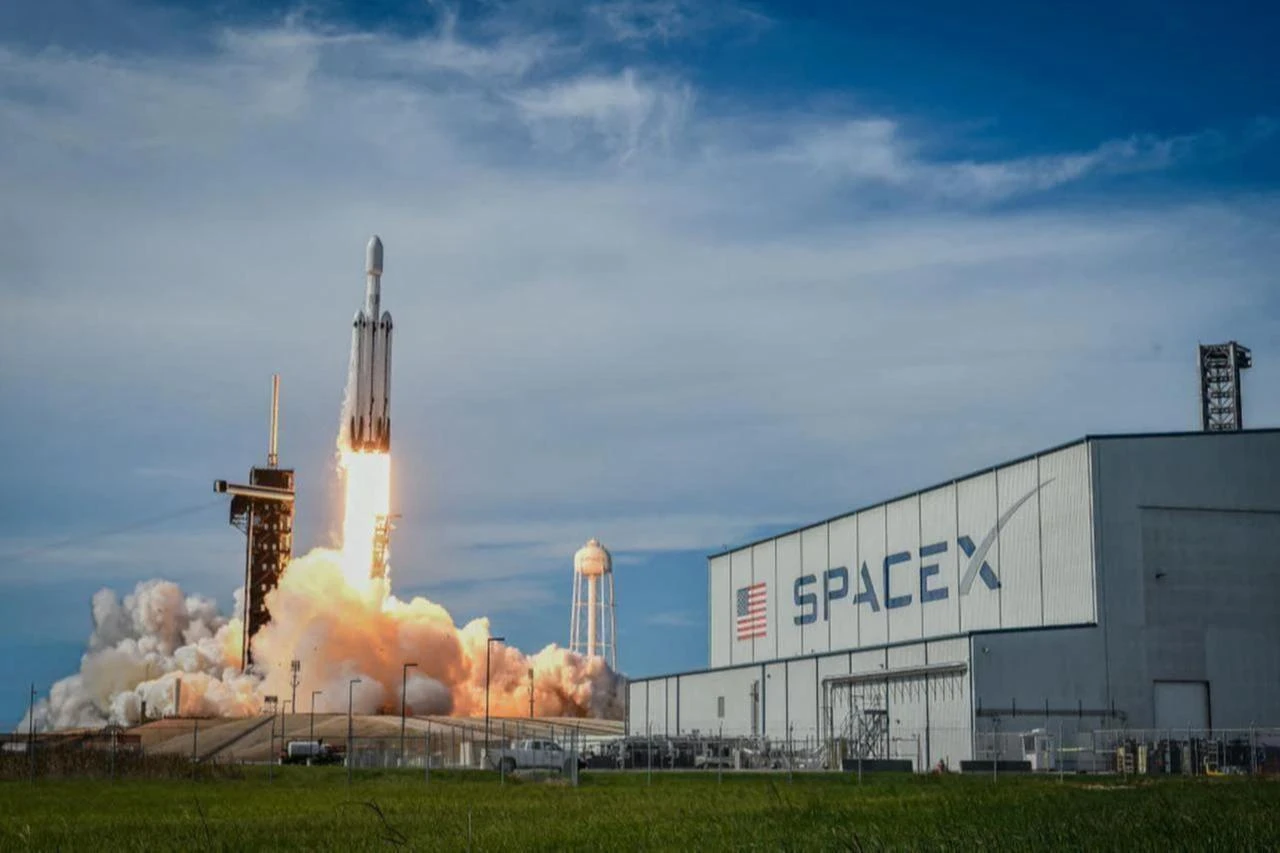
Nuclear weapons were never left to the private sector. Neither, in practice, was the space race once Washington decided it mattered strategically. Viewed against that history, AI's brief run as a purely private enterprise starts to look less like the natural order and more like a historical accident—one that Kimi K3 and a jittery stock market have done plenty to correct. Policymakers now view the technology less as a product category and more as a sovereign asset: too consequential to leave entirely to the market.
The open question is not whether the state gets a seat at the table; that much now looks settled across an unusually wide swath of the political spectrum. The question is what kind of seat: a passive stake that pays dividends and stays out of the model weights, or a controlling interest with the power to eventually decide what the Leviathan is and is not allowed to say.


 Set as preferred source
 Set as preferred source


 4 min read