Newsletters


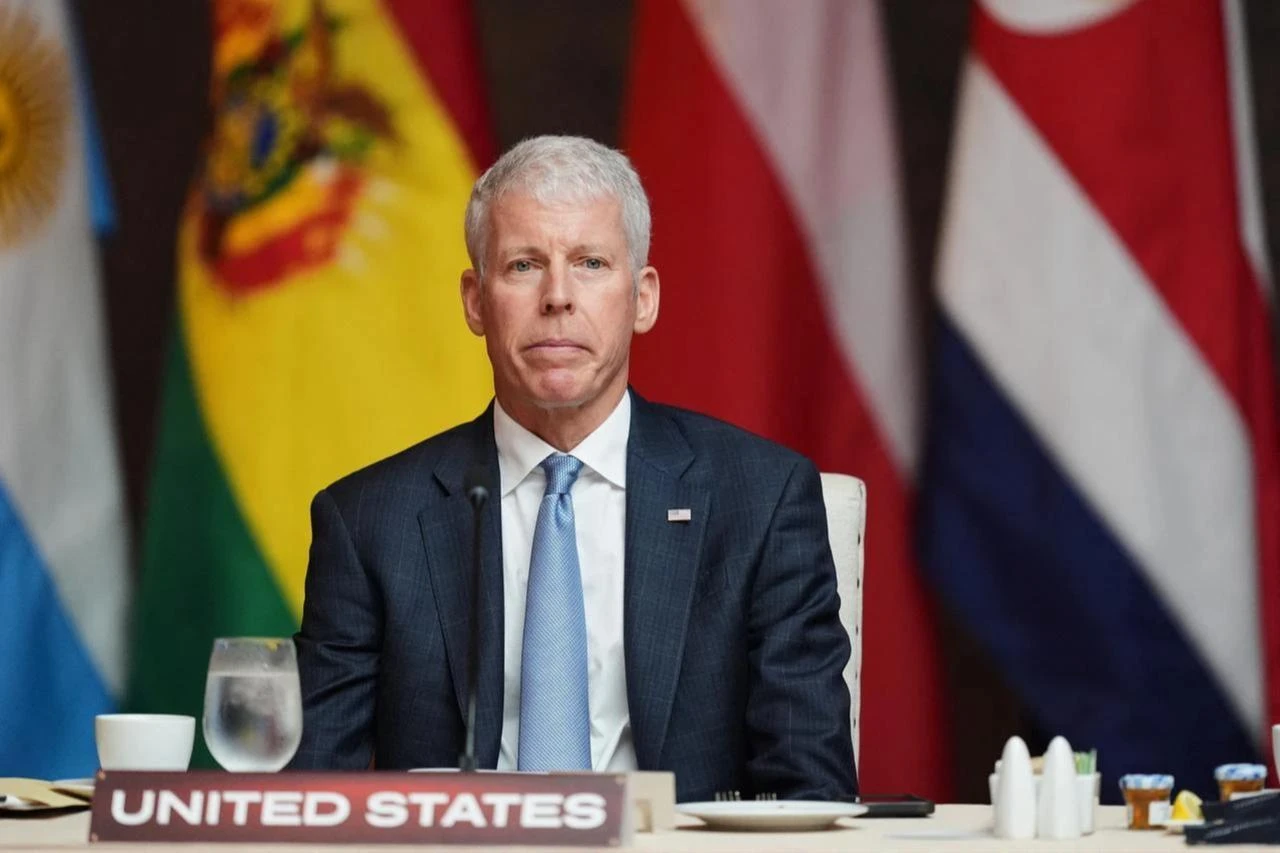


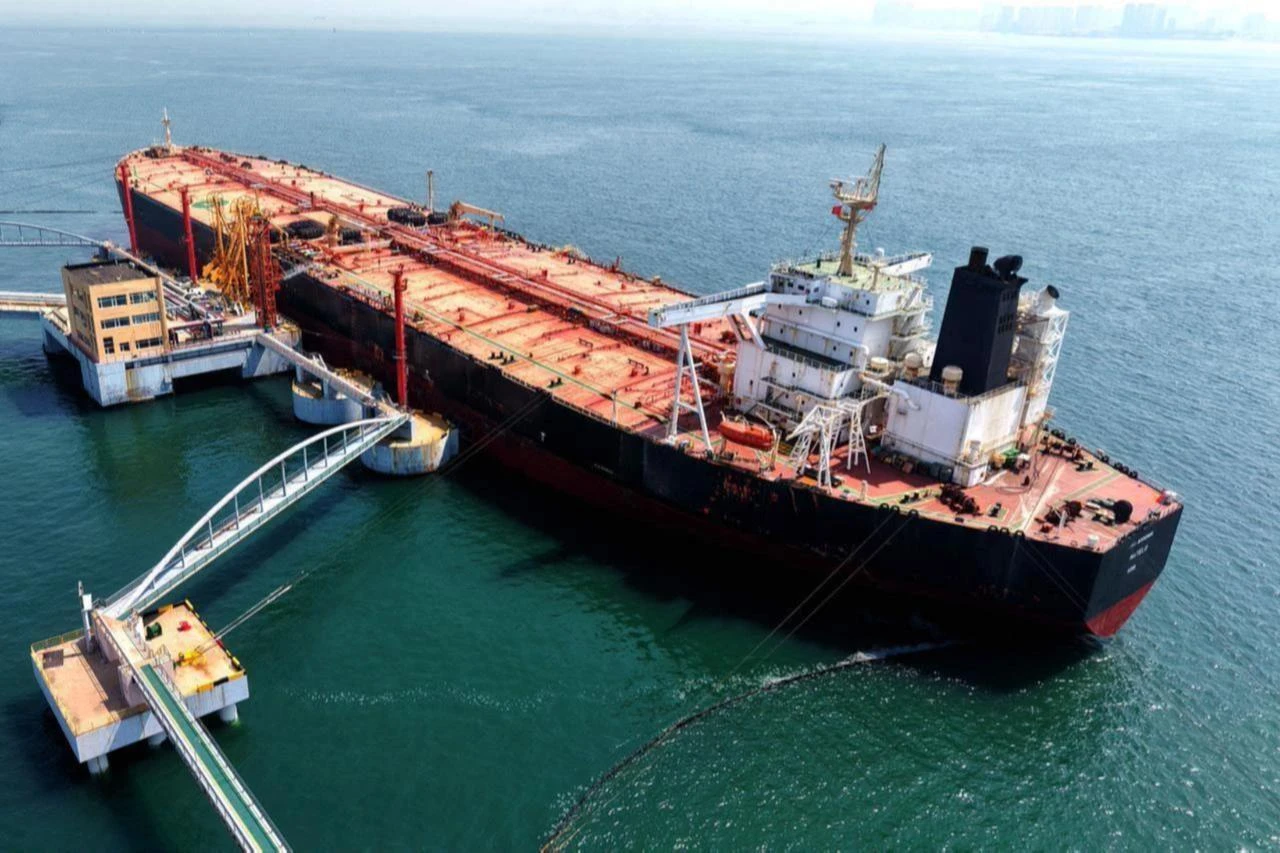
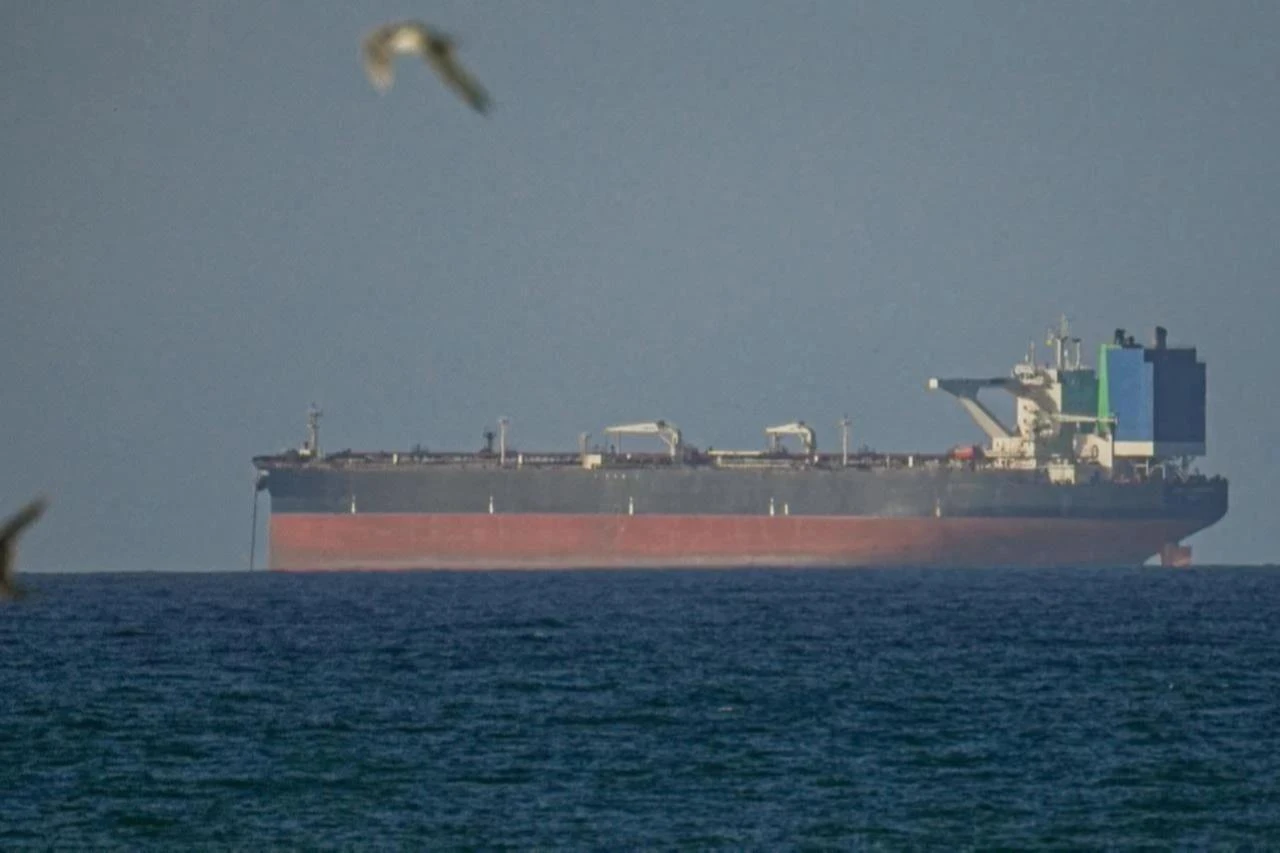
Oil flows from the Gulf region have climbed to approximately 15 million barrels per day, US Secretary of Energy Chris Wright said Tuesday, attributing the increase to coordinated efforts between the US military and its Gulf allies following months of tension with Iran.
Wright said the seven-day average for oil leaving the Strait of Hormuz, one of the world's most critical corridors for global energy trade, had reached nearly 9 million barrels per day.
Combined with an additional 5 million to 7 million barrels per day moving through newly upgraded pipelines and export facilities, total regional oil flows are now averaging roughly 15 million barrels daily, he said.
Writing on the social media platform X, Wright credited the increase to joint action by US forces and regional partners.
"Thanks to the coordinated efforts of the U.S. military and our gulf allies, the seven-day average for oil leaving the Strait of Hormuz is currently up to almost 9 million barrels per day," he wrote, adding that when combined with pipeline and export facility flows, "total oil flows are currently averaging approximately 15 million barrels per day."
Wright also said more than 20 million barrels of oil left the Arabian Gulf region on Sunday alone, a figure he described as exceeding the average recorded before the outbreak of hostilities between the US and Iran.
The reported increase in oil flows follows a period of significant military escalation between the United States, Israel and Iran.
Washington and Tel Aviv carried out coordinated strikes against Iran in late February. The US and Iran subsequently signed a memorandum of understanding on June 17 and opened negotiations toward a broader agreement, but those talks stalled over disagreements concerning security guarantees and freedom of navigation through the Strait of Hormuz.
Between July 8 and July 24, the US and Iran exchanged further military strikes. The United States launched attacks on targets inside Iranian territory, and Tehran responded by striking US military facilities and equipment in several Arab countries, including Jordan, Bahrain and Kuwait.
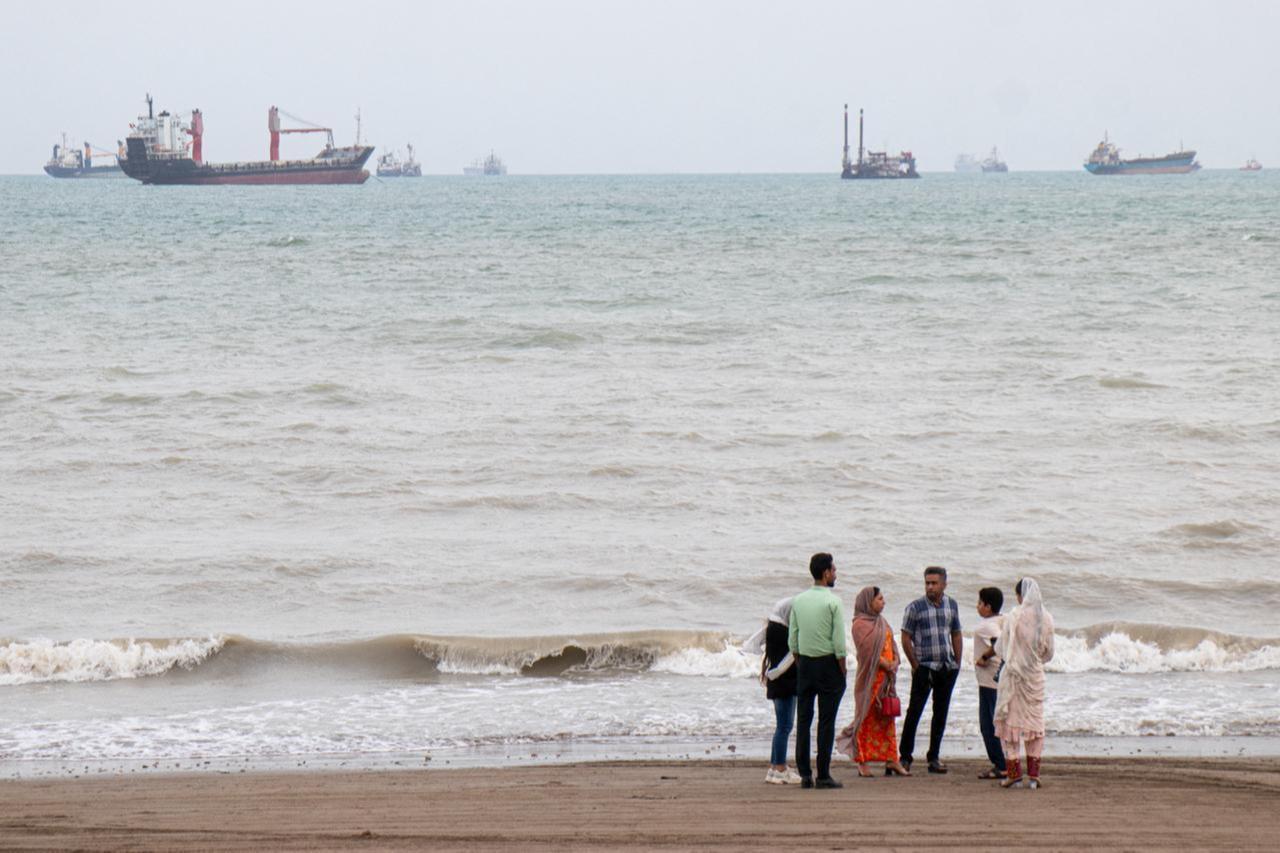
The Strait of Hormuz, which separates Iran from the Arabian Peninsula, connects the Persian Gulf to the Gulf of Oman and the wider Arabian Sea.
A substantial share of the world's seaborne oil and liquefied natural gas exports passes through the narrow waterway, making it a persistent flashpoint in disputes over regional security and freedom of navigation. Wright's comments suggest that despite the unresolved diplomatic standoff between Washington and Tehran, flows through the strait and surrounding export infrastructure have continued at levels he characterized as at or above pre-conflict norms.


 Set as preferred source
 Set as preferred source


 1 min read
 1 min read