Newsletters




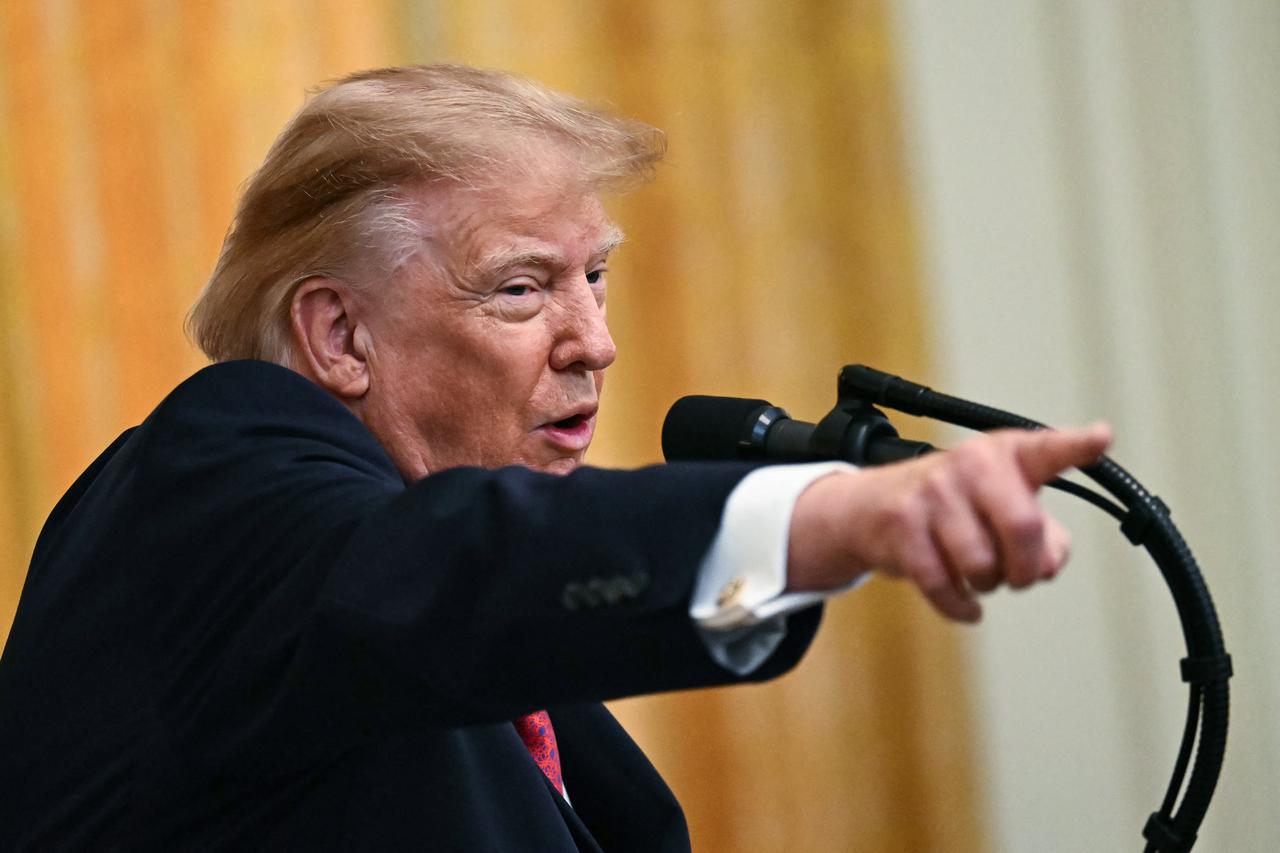
NATO Deputy Secretary General Radmila Shekerinska warned on Sunday, Feb. 15, that all alliance intelligence and political analyses indicate Russia will pose an even greater threat after the war in Ukraine concludes.
"All our intelligence reports and political analyses say that Russia will become even more dangerous after the war is over," Shekerinska told the Munich Security Conference.
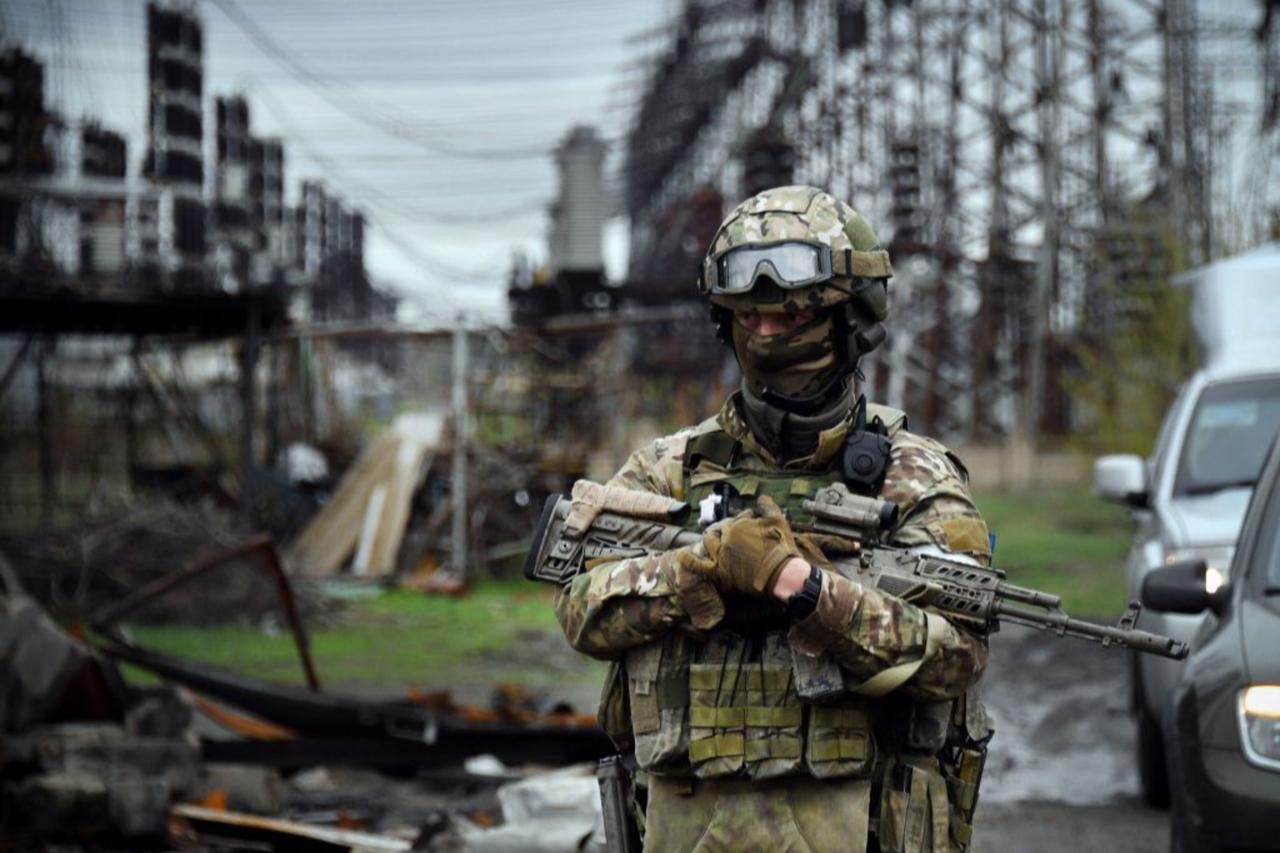
"If you look at their military production and structure, all of this gives the message that the standard thinking is that Russia's foreign policy is expansion-oriented," she added.
She said allied investments in defense and production will remain a priority as a result.
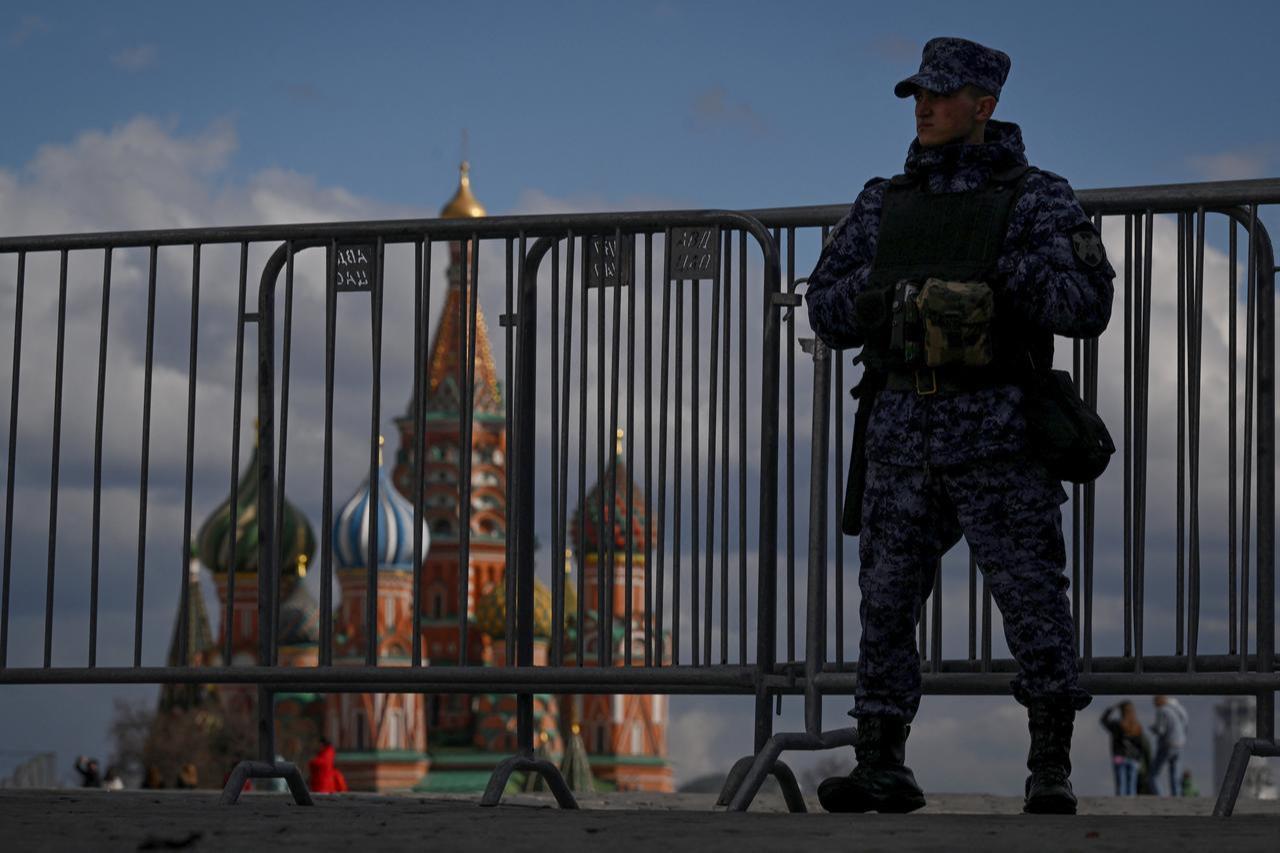

Shekerinska said allies agree the global security environment is "more complex, contentious, and challenging than ever," requiring all forces to unite in response.
The upcoming NATO Summit in Ankara in July will address the need for allies to increase production and improve legal frameworks to accelerate defense industry sales processes, she said.
"Especially if you look at the numbers related to key capabilities that are urgent in Ukraine, such as air defense, we don't have enough production on either side of the Atlantic," Shekerinska said.
"Therefore, we will continue to say that we need to rapidly increase our defense production. This is an urgent matter," she noted.
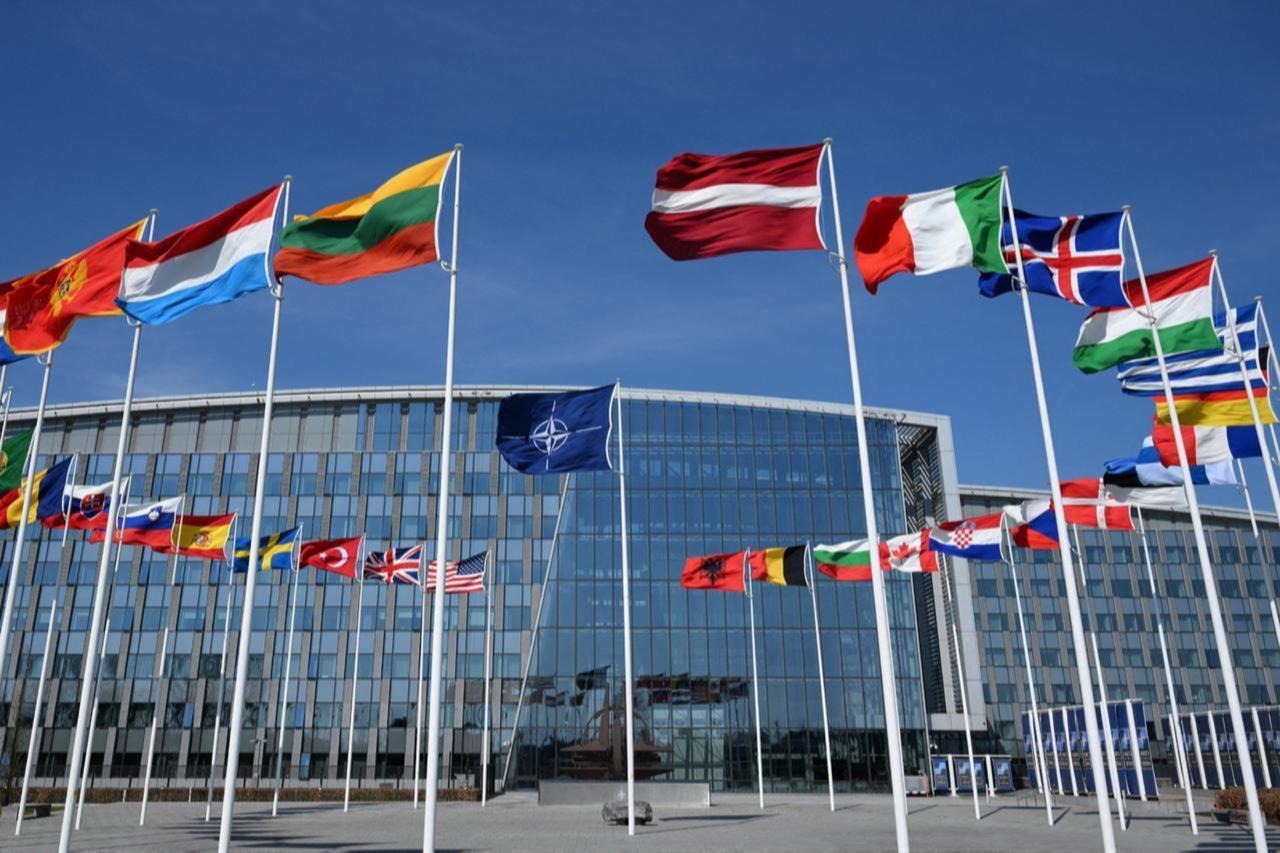
The NATO official emphasized the importance of investment contributions from allies beyond the European Union.
"The investments made by the US, Canada and European allies—when talking about European allies, I'm looking at my friend Levent," Shekerinska said, referring to Turkish Deputy Foreign Minister Ambassador Levent Gumrukcu.
"Don't forget Türkiye, the United Kingdom and Norway," she noted.
She said these efforts are part of strengthening the alliance and its European pillar.
"We need NATO's strengths to achieve results when necessary," Shekerinska added.
The warnings about Russian threats come as Western intelligence officials revealed Russia's Wagner Group has shifted from battlefield recruitment to organizing sabotage attacks across Europe.
Recruiters and propagandists who previously worked for Wagner have emerged as a main conduit for Kremlin-organized sabotage operations on NATO soil, according to Western officials who spoke to the Financial Times (FT).
"Wagner recruiters who once specialized in persuading young Russians to fight in Ukraine have been given a new task: recruiting economically vulnerable Europeans to carry out violence," officials said.
Russia's military intelligence agency, the GRU, "is using the talent it has got available to it," one Western intelligence official said, referring to the Wagner network.
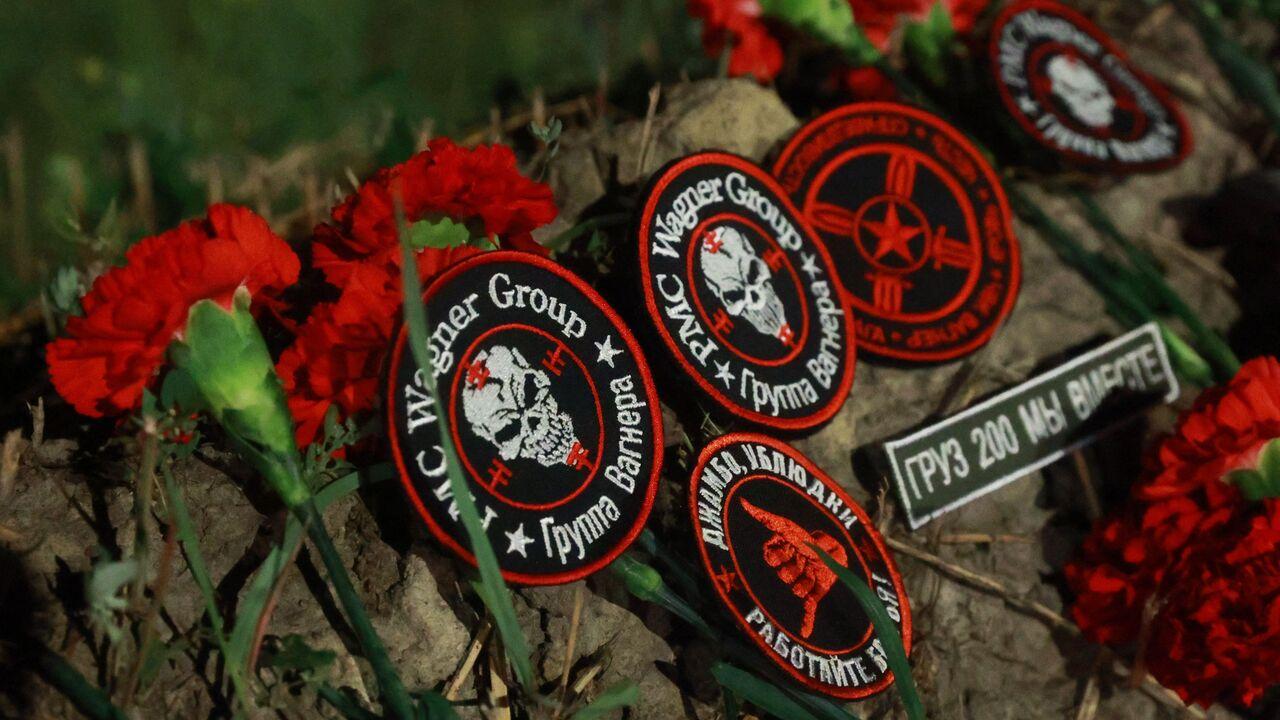
Both the GRU and Russia's domestic intelligence agency, the FSB, have become highly active in seeking to recruit what officials describe as "disposable" agents in Europe to sow chaos.
"Agents have been tasked by Wagner operatives with arson attacks against politicians' vehicles and warehouses containing aid for Ukraine, as well as posing as Nazi propagandists," European intelligence officials told the FT.
Those recruited typically do so for money and are often marginalized individuals lacking purpose or direction.
"Wagner had a ready-built network of propagandists and recruiters who 'speak their language,'" one European official said.
"Russian intelligence agencies typically seek to place at least two 'cut-out' layers between themselves and agents to maintain deniability," the official added.
"Wagner and the individuals that were part of it have a long and close relationship working for the GRU in this way," the official noted.

Wagner's existing social media presence, particularly on Telegram, has been converted from targeting Russian audiences to a more internationally focused recruitment effort.
"They know their audience," a second European official said, describing the channels as "surprisingly slick and adept" in their messaging.
Wagner founder Yevgeny Prigozhin, who died following a failed rebellion against Russian military leadership in June 2023, also ran the St. Petersburg-based Internet Research Agency, the most widely known Russian "troll farm" that began targeting Western audiences with disinformation over a decade ago.


 Set as preferred source
 Set as preferred source


 1 min read
 1 min read